
Protecting your home’s flooring from the daily friction of moving furniture is essential for preserving both its appearance and its structural integrity. In Singapore, where residential spaces feature a diverse mix of flooring materials—ranging from warm teak parquet in bedrooms to polished homogeneous tiles in living rooms and modern luxury vinyl tiles (LVT) in dining areas—a single type of furniture protector rarely suits every room. Choosing the right chair leg sock material is the most effective way to prevent unsightly scratches, deep gouges, and irritating scraping noises.
The ideal chair leg sock material depends entirely on the physical characteristics of your floor. While felt offers unmatched gliding properties on natural wood, silicone provides the grip and stability needed for slick tiles, and fabric socks offer a versatile, snug fit for irregular furniture legs. Understanding how these materials interact with different floor surfaces allows you to make an informed decision that protects your investment and keeps your home quiet.
Understanding Your Floor Type and Its Vulnerabilities
Every flooring material has unique physical properties that dictate how it responds to friction, pressure, and impact. Parquet and solid hardwood floors are highly prized for their natural warmth and elegance, but they are also the most vulnerable to surface damage. The protective polyurethane or lacquer coating on timber can easily be micro-scratched by fine grit trapped under a chair leg, eventually wearing down to the bare wood. Heavy dining chairs can also cause deep dents if the weight is concentrated on a small, unprotected point.
Products mentioned in this guide
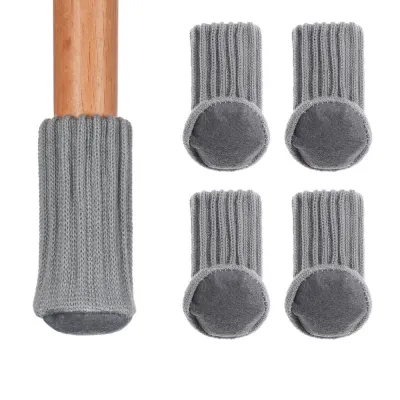
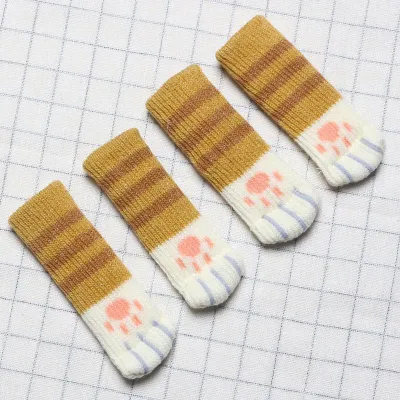
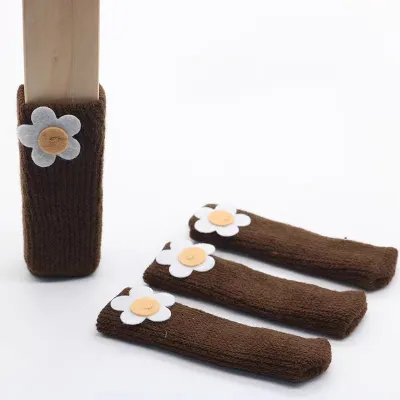
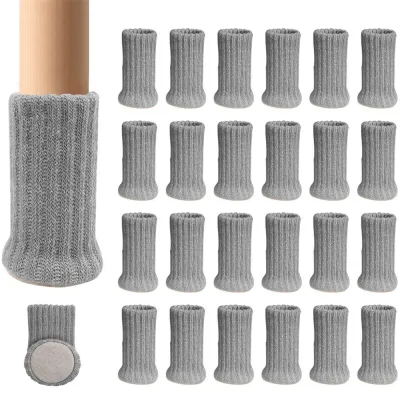
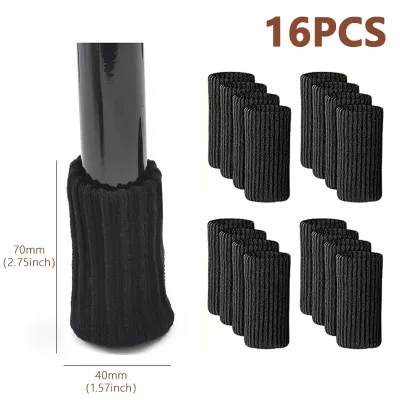
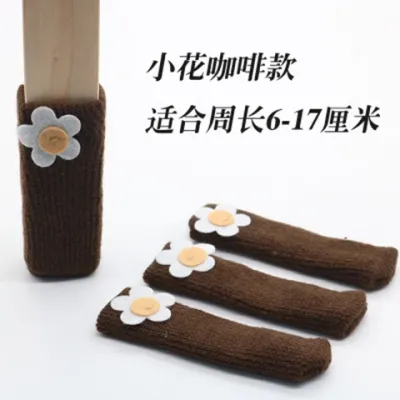
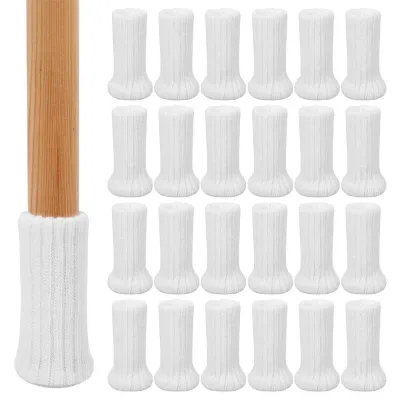
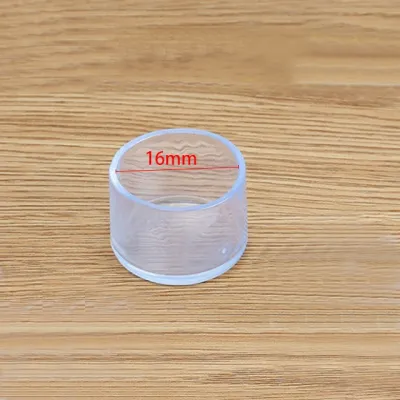
Prices are valid at publication and may change. Please refer to the product page for the latest price.
Homogeneous tiles, ceramic, and natural stone are incredibly durable and resistant to moisture, making them standard choices for Singaporean living rooms and kitchens. However, their primary vulnerability lies in the grout lines and the potential for impact damage. When chairs are dragged across tiled floors, the legs can catch on uneven grout joints, leading to chipped tile edges or cracked grout. Additionally, sharp, unshielded chair legs can cause hairline fractures in ceramic surfaces if dropped heavily.
Vinyl and laminate flooring have become incredibly popular due to their water resistance and resilience. These floors feature a synthetic wear layer designed to withstand daily foot traffic, but they are not impervious to damage. Heavy furniture dragged across vinyl can score, tear, or stretch the wear layer, leaving permanent, unsightly marks that cannot be easily polished out. Furthermore, certain rubber or low-grade plastic protectors can chemically react with vinyl, causing permanent yellowing or discoloration over time.
Comparing Chair Leg Sock Materials: Felt, Silicone, and Fabric
Felt is the traditional gold standard for furniture protection, celebrated for its exceptional gliding ability. Made from compressed wool or synthetic fibers, felt disperses the weight of the chair and allows it to slide effortlessly across hard surfaces. This smooth glide minimizes friction and eliminates the harsh scraping sound of moving furniture. However, felt has a notable drawback: its fibrous texture acts like a magnet for dust, pet hair, and loose debris. Over time, these particles become embedded in the felt, transforming a soft pad into an abrasive surface that can scratch your floors.

Silicone protectors have gained immense popularity as a modern, durable alternative. Typically designed as flexible cups that stretch over the chair leg, silicone offers a secure, adhesive-free fit. Pure silicone provides excellent grip, making it ideal for stationary furniture like sofas, side tables, or bar stools where sliding is undesirable. However, this high friction can be a disadvantage for dining chairs; pure silicone can grip the floor too tightly, creating drag resistance that makes sliding difficult and may cause the chair to tip over when you try to move it.
Fabric or knitted chair leg socks offer a cozy, aesthetic appeal and are highly adaptable to various leg shapes, including round, square, and tapered designs. They are easy to slip on and are often machine washable. However, the protective capability of a fabric sock depends heavily on its construction. Basic knitted socks without any internal reinforcement tend to stretch out, slide down, or wear through quickly at the bottom. High-quality fabric socks feature double-layered soles or integrated felt pads on the bottom, combining the snug fit of fabric with the protective glide of felt.
Matching Materials to Specific Flooring Types
For parquet and hardwood floors, prioritizing smooth movement and minimizing friction is crucial. Felt-bottomed protectors or heavily padded fabric socks are the absolute best choices for these delicate surfaces. They allow dining chairs to slide back and forth without grinding grit into the wood grain or wearing down the protective sealant. If you choose fabric socks, ensure they have a thick, reinforced sole to prevent the wooden chair leg from wearing through the fabric and making direct contact with the floor.
When dealing with homogeneous tiles and stone, the goal is to bridge grout lines smoothly while maintaining stability. Hybrid protectors—which feature a flexible silicone body with an integrated felt base—are highly effective here. The silicone sleeve grips the chair leg securely, while the felt bottom glides effortlessly over grout lines without catching or chipping the tile edges. For stationary furniture on tiled floors, such as heavy armchairs or console tables, pure silicone caps are excellent because they prevent sliding and keep the furniture firmly in place.
For vinyl and laminate flooring, a balance of smooth glide and chemical compatibility is required. Smooth felt pads or specialized fabric socks with padded bottoms work exceptionally well, as they do not score the synthetic wear layer. It is vital to avoid cheap, rigid plastic glides or low-grade rubber protectors on vinyl. These materials can cause friction burns or undergo plasticizer migration, a chemical reaction that leaves permanent yellow stains on your vinyl floor. Always verify that any silicone or rubberized protector is rated as safe for vinyl surfaces.
Sizing, Fit, and Maintenance for Long-Lasting Protection
To ensure your chair leg socks provide reliable protection, accurate measurement is the first step. Before purchasing, determine the shape of your chair legs—whether they are round, square, rectangular, or tapered. For round legs, use a ruler or caliper to measure the diameter across the bottom of the leg. For square legs, measure the width of one side. If the legs are irregular or tapered, wrap a flexible measuring tape around the perimeter of the leg at its widest and narrowest points. Choosing a sock that matches these dimensions prevents it from slipping off or tearing due to excessive tension.
When evaluating different products, look for design features that enhance stability. High-quality chair leg socks often incorporate internal silicone gel grips or elastic cuffs near the top opening. These features create friction against the chair leg, keeping the sock securely in place even when the chair is frequently moved. Without these mechanisms, fabric socks can easily bunch up or slide down, exposing the bare wood or metal of the chair leg to your pristine flooring.
Maintaining your furniture protectors is just as important as selecting the right material. Because felt and fabric socks inevitably accumulate dust and grit, they require regular cleaning to prevent them from acting like sandpaper. Establish a routine to vacuum the bottom of your chair legs weekly. Fabric socks can be removed and washed periodically in a mesh laundry bag to restore their cleanliness and elasticity. For silicone and felt protectors, conduct a visual inspection every few months; if you notice the felt thinning out, the silicone cracking, or hard debris embedded deep in the material, replace them immediately to maintain continuous protection.
Frequently Asked Questions (FAQ)
Can I use the same chair leg socks on all types of flooring?
While some versatile options like hybrid silicone-felt socks perform well across multiple surfaces, a tailored approach yields the best results. A material that excels on tiles, such as high-grip silicone, may cause excessive drag on vinyl or scratch delicate parquet. Matching the specific physical properties of the sock to the unique vulnerabilities of your flooring ensures optimal protection, smooth movement, and longevity for both your furniture and your floors.
How often should I replace my chair leg socks?
There is no fixed timeline for replacement, as it depends on usage frequency and environmental factors. Instead, rely on observable wear indicators. Inspect your chair socks regularly for signs of thinning felt, loss of silicone elasticity, cracking, or fabric holes. If you notice the chair is no longer gliding smoothly, or if the sock is constantly slipping down, it is time to replace them to prevent accidental floor damage.
Do chair leg socks leave marks or residue on tiles?
High-quality chair leg socks designed with physical grip mechanisms, such as stretchable silicone or elastic fabric, typically do not leave any residue. However, low-quality silicone or adhesive-backed pads can degrade over time, especially in warm or humid environments, leaving sticky marks on tile surfaces or within grout lines. To avoid this, opt for adhesive-free, slip-on designs and periodically inspect the protectors to ensure they remain intact.
Community discussion
Share your experience or ask a question. Comments are reviewed before publication.