
Choosing the right bar stool involves balancing aesthetic alignment with everyday functional needs. The perfect seating does not merely occupy space at your kitchen counter; it acts as a design anchor that bridges your cooking area and living space. In modern homes—especially open-plan layouts where the dry kitchen blends seamlessly into the living room—the visual style of your bar stools can either unify your interior design or create jarring visual friction. By identifying whether your home leans toward Industrial, Scandinavian, or Mid-Century Modern design, you can select stools that feel intentional, comfortable, and visually cohesive.
Audit Your Existing Home Decor and Color Palette
Before browsing online marketplaces or visiting local showrooms, you must assess the existing design language of your space. The goal is to identify the dominant materials, colors, and architectural features that already define your kitchen or dining area. This self-assessment ensures your new seating complements rather than clashes with your current setup. Start by scanning the room and noting the following elements:
- Dominant Materials: Look at your kitchen island or counter. Is it topped with white quartz, warm timber, polished concrete, or dark sintered stone?
- Color Temperature: Determine if your space leans warm (creams, beige, natural wood tones) or cool (stark whites, greys, blues).
- Hardware Finishes: Check the metal finishes on your cabinet handles, kitchen faucet, and light fixtures. Are they matte black, brushed brass, polished chrome, or copper?
- Lighting Styles: Identify your light fixtures. Do you have minimalist recessed track lights, sleek glass globes, or heavy metal pendant lamps?
Next, identify the “anchor” pieces in the immediate vicinity. In most modern layouts, the kitchen cabinetry and the island itself serve as the primary visual anchors. If your cabinetry features a bold color, such as deep forest green or navy blue, your bar stools should either match that intensity or offer a neutral contrast.
Products mentioned in this guide
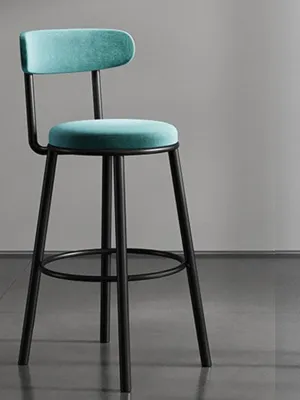
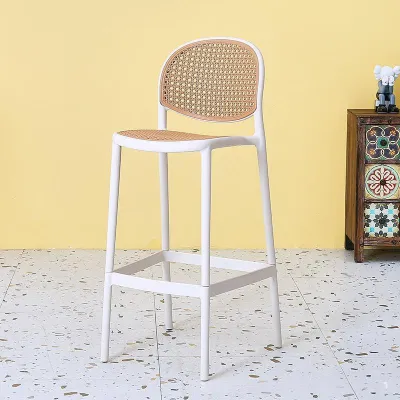
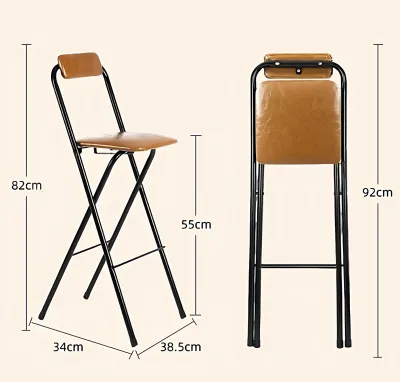
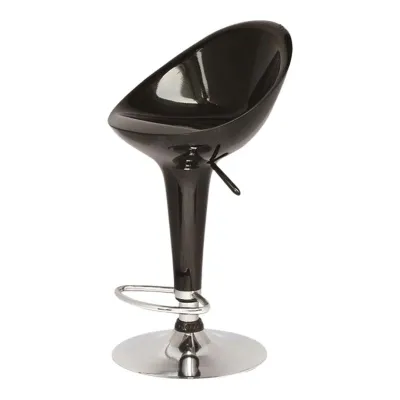
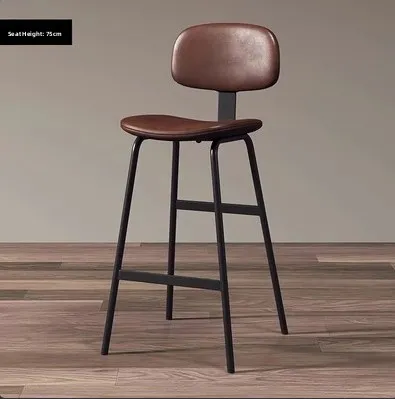
![[TheGoodFurniture] 纤维面 / 合木 椅头. 铁脚 Hardboard or Fibreglass seat with black metal frame stool. Chair. High chair. Bar stool. Wooden. Cheap but strong. Budget.合木椅头.纤维面椅头.](https://img.lazcdn.com/g/p/754a054813533f21abec1e4b60dc4dfb.jpg_400x400q80.jpg_.webp)
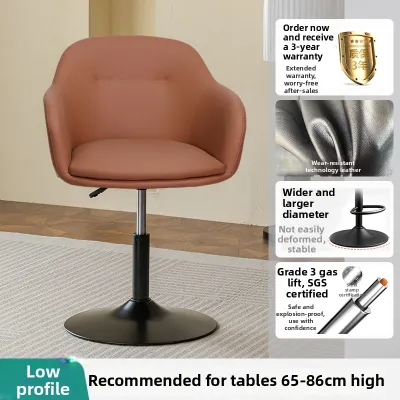
![[Free Shipping]High Chair Bar Chair Dining Chair Coffee Shop Bar Stool Platform Simple Chair](https://img.lazcdn.com/g/p/ff1a169badfd581f5353a8d7aff54508.jpg_400x400q80.jpg_.webp)
Prices are valid at publication and may change. Please refer to the product page for the latest price.
Finally, evaluate the overall contrast level of your space. A high-contrast room—such as a monochrome kitchen with white cabinets and black hardware—can easily handle bold, structural bar stools that stand out as graphic silhouettes. Conversely, a space defined by soft, muted tones and natural textures benefits from stools that blend in quietly, maintaining a serene and uninterrupted visual flow.
Decode the Three Bar Stool Styles to Find Your Match
Every interior design style carries a distinct visual signature shaped by its historical roots, material choices, and structural silhouettes. Understanding these design codes allows you to look past individual product trends and evaluate how a bar stool’s form will interact with your home. Let us break down the defining characteristics of Industrial, Scandinavian, and Mid-Century Modern aesthetics to help you pinpoint the exact match for your living space.

Industrial: Raw Textures and Utilitarian Lines
The industrial aesthetic draws inspiration from converted warehouses, factories, and utilitarian spaces. This style celebrates raw, unfinished elements and structural honesty, making it an excellent choice for homes with an edgy, modern, or loft-like atmosphere.
When shopping for industrial bar stools, look for visual cues such as exposed hardware, visible welds, and distressed wood or metal seats. The frames are typically constructed from matte black iron, brushed steel, or gunmetal piping, offering a sturdy and unpretentious silhouette. These stools often feature mechanical details like visible adjustment screws, rivets, and heavy-duty footrests.
This style thrives in home environments characterized by exposed concrete screed floors, brick accent walls, dark quartz countertops, and black metal track lighting. If your kitchen features open shelving with metal brackets or dark, moody cabinetry, industrial stools will feel right at home.
Because industrial stools often feature raw metals or rustic timber, maintenance requires careful attention. In humid tropical climates like Singapore, untreated iron frames can be susceptible to rust. Before purchasing, verify the manufacturer’s care instructions to ensure the metal has been sealed with a rust-resistant powder coating. Similarly, distressed wood seats should be checked for smooth finishes to prevent splinters, and cleaned according to the maker’s guidelines to preserve the protective sealant.
Scandinavian: Light Woods and Minimalist Comfort
Scandinavian design focuses on simplicity, functionality, and a deep connection to nature. Originating from Nordic regions where winters are long, this aesthetic prioritizes bright, airy spaces, natural light, and warm, inviting textures—a concept often referred to as hygge.
Scandinavian bar stools are characterized by light-toned woods such as ash, beech, or white oak. Their silhouettes are clean, organic, and entirely unadorned, avoiding unnecessary ornamentation. Seats are often made of molded plywood, woven paper cord, or neutral-colored fabrics in shades of cream, soft grey, or beige.
This aesthetic is ideal for bright, sunlit kitchens with white or light-grey cabinetry, minimalist handleless doors, and light oak floors. If your kitchen island features a clean white solid surface or light marble top, a Scandinavian stool with tapered wooden legs will enhance the calm, clutter-free atmosphere.
When opting for this style, practical maintenance is a key consideration. Light-colored fabrics and natural paper cord weaves are beautiful but can be vulnerable to spills in high-use kitchen areas. Always check the manufacturer’s fabric care instructions. Look for stools with removable, washable covers or those treated with stain-resistant coatings. If you have young children, choosing a molded plastic or sealed light-wood seat can provide the Scandinavian look while offering a wipeable, low-maintenance surface.
Mid-Century Modern: Organic Curves and Warm Tones
Mid-Century Modern (MCM) design, spanning from the mid-1930s to the 1960s, is celebrated for its fusion of organic shapes, clean lines, and democratic functionality. This style brings a sense of retro sophistication and warmth to contemporary homes, balancing geometric structure with gentle curves.
Key visual cues of Mid-Century Modern bar stools include tapered dowel legs, splayed feet, and warm wood finishes like walnut, teak, or cherry. The seats often feature gently curved bucket silhouettes, molded plywood backrests, and comfortable padding. Upholstery choices frequently include rich leather, textured boucle, or fabrics in earthy, saturated tones like mustard yellow, olive green, teal, or rust. Brass or copper caps on the legs or footrests add a subtle touch of vintage refinement.
This style is perfect for homes that incorporate warm wood cabinetry, geometric tiled backsplashes, statement brass pendant lights, and a curated mix of vintage and contemporary furniture. If your kitchen island is clad in warm timber or features a deep, rich countertop, MCM stools will elevate the space with a sense of timeless craftsmanship.
When selecting MCM stools, verify the material specifications carefully. High-quality options may feature solid walnut or teak, while others utilize engineered wood cores finished with natural wood veneers. Ensure you review the manufacturer’s care instructions for maintaining veneers, as harsh chemical cleaners can degrade the finish over time. Additionally, check the durability ratings—such as the Martindale rub count—for upholstered seats to ensure the fabric can withstand daily wear and tear.
Verify Counter Height, Clearance, and Daily Usage
While finding the right aesthetic style is crucial, a bar stool must also fit your physical space and support your daily routine. Selecting a beautiful stool that is too tall for your counter or too wide for your island will result in a frustrating and uncomfortable experience.
First, perform a precise height check. Bar stools generally fall into two primary categories: counter-height and bar-height. Counter-height stools typically have a seat height of 60 to 65 centimeters and are designed to pair with standard kitchen counters that stand around 90 centimeters high. Bar-height stools feature a seat height of 75 to 80 centimeters and are meant for elevated breakfast bars or commercial-style bar tables that stand around 100 to 105 centimeters high. To find the correct size, measure from the floor to the underside of your countertop. You need a gap of 25 to 30 centimeters between the underside of the counter and the top of the stool seat to allow comfortable legroom.
Next, calculate your clearance and spacing. To prevent your kitchen island from looking overcrowded, you must leave enough breathing room between each stool. As a general rule, allow 15 to 20 centimeters of space between each stool base, and at least 30 centimeters of clearance from the outer edges of the island. Measure the widest part of the stool—which is often the base or the armrests rather than the seat—to ensure your calculations are accurate. For example, if your kitchen island is 180 centimeters wide, you can comfortably fit three stools with a width of 45 centimeters each, leaving adequate gaps for people to sit, turn, and stand up without bumping elbows.
Your household’s lifestyle should also dictate the structural features of your seating. If your home includes young children or pets, prioritize stools with a heavy, stable base to prevent tip-overs. Avoid sharp metal corners or delicate woven materials that can be easily damaged. For busy households, smooth, wipeable surfaces like sealed wood, molded plastic, or high-quality faux leather are highly practical.
Finally, consider how you intend to use the space. If your kitchen island serves as a home office, homework station, or a place for long, lingering dinners, look for stools with supportive backrests, armrests, and padded seats. A swivel base is highly beneficial in open-concept layouts, allowing the user to turn easily from the kitchen to the living area to join conversations without dragging the stool across the floor. Conversely, if you only use the counter for quick morning coffees, low-backed or backless stools can be tucked completely under the counter when not in use, saving valuable floor space.
Navigate Mixed or Transitional Interiors
Many contemporary homes do not adhere strictly to a single design style. If your interior is a blend of different eras, or if you are gradually transitioning your decor, choosing a highly specific style of bar stool can feel restrictive. In these scenarios, opting for a transitional design is the most effective approach.
A transitional bar stool bridges different aesthetics by combining elements from multiple styles. For example, a stool featuring a minimalist matte black metal frame paired with a warm, curved walnut seat can effortlessly tie a mixed-style kitchen together. Similarly, a stool with clean, tapered light oak legs and a sleek, low-profile upholstered seat can soften a modern, high-contrast space.
To ensure your transitional stools feel integrated, look for visual anchors in the room to echo. You can match the metal finish of the stool’s legs or footrest to your kitchen cabinet hardware, faucet, or pendant lights. Alternatively, select a wood finish for your stools that closely matches the tone of your nearby dining table or living room shelving.
If you anticipate changing your home decor in the future, prioritize stools with neutral upholstery. Shades of charcoal grey, soft black, or natural linen-look fabrics offer maximum versatility. These neutral tones allow the stools to remain a timeless constant, even as your wall colors, backsplashes, or decorative accessories evolve over time.
Frequently Asked Questions (FAQ)
Can I mix different bar stool styles around the same kitchen island?
Yes, you can mix different bar stool styles, but doing so successfully requires adhering to the design rule of commonality to maintain visual cohesion. To prevent your kitchen island from looking cluttered or disorganized, ensure the stools share at least one major design element. For instance, you can choose stools with different backrest designs or colors, provided they all share the exact same seat height and frame material, such as matte black steel. Alternatively, you can mix two distinct styles—like combining two Scandinavian wooden stools with two minimalist metal stools—as long as they share a similar color palette or wood tone. As a general rule, avoid mixing more than two distinct styles around a single island to keep the overall look intentional and balanced.
How do I protect my hardwood floors from heavy or metal bar stools?
Protecting your flooring requires a combination of proactive selection and regular maintenance. Before purchasing your bar stools, inspect the bottom of the legs or base to see if they include pre-installed floor glides or protective caps. Metal legs can easily scratch hardwood, vinyl, or laminate flooring if left unprotected. For metal stools, look for heavy-duty rubber or plastic caps designed to fit securely over the leg tips. For wooden legs, high-quality adhesive felt pads are highly effective at preventing scratches and reducing noise when the stools are moved. Check these protective pads every few months, as they can wear down or trap abrasive dust and debris over time, which can act like sandpaper against your floors. Replace worn pads immediately to ensure your flooring remains pristine.
Community discussion
Share your experience or ask a question. Comments are reviewed before publication.