
Selecting the perfect Artek bar stool for your home requires balancing iconic Finnish design with the practical realities of your daily life and kitchen layout. Designed by legendary architect Alvar Aalto, these stools are celebrated for their organic warmth, minimalist aesthetic, and revolutionary bentwood construction. However, choosing the right model is not merely a matter of aesthetic preference; it depends heavily on your counter height, available floor space, and how you intend to use the seating area. By aligning the stool’s physical dimensions and material finishes with your home’s specific environment, you can ensure both ergonomic comfort and long-term durability.
Measuring Your Counter and Choosing the Right Stool Height
Before exploring specific Artek models, you must determine the precise height of your kitchen island, counter, or bar table. In Singaporean homes, kitchen counters typically fall into two standard height categories: standard kitchen counters, which usually sit around 90 cm from the floor, and elevated bar counters or high tables, which typically measure around 105 cm. Because even a few centimeters of mismatch can lead to an uncomfortable seating posture, taking exact physical measurements of your space is an indispensable first step.
To measure your counter accurately, run a tape measure vertically from the finished floor to the absolute underside of the countertop. Do not measure to the top of the counter, as the thickness of the countertop material—whether quartz, granite, or solid wood—can reduce your actual legroom. If your floor is uneven or features transition strips, measure at multiple points along the island to ensure consistency.
Products mentioned in this guide
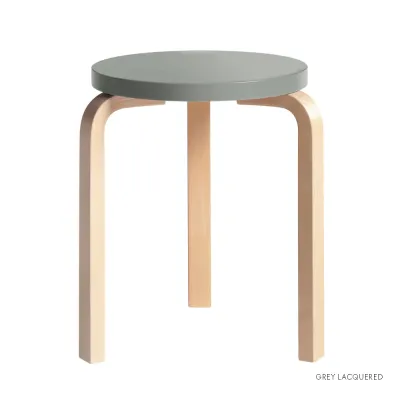
Prices are valid at publication and may change. Please refer to the product page for the latest price.
Once you have your counter measurement, calculate the necessary seat height by applying the standard clearance rule. For comfortable seating, you require approximately 25 to 30 cm of clearance between the top of the stool’s seat and the underside of the countertop. This gap provides sufficient room for your thighs without forcing you to slouch while dining or working. For a standard 90 cm counter, a stool with a seat height of approximately 60 to 65 cm is ideal. For a 105 cm bar table, look for a stool height of 75 to 80 cm.
It is vital to check the exact seat height specifications of the specific Artek model you are considering. Manufacturer labels and product listings can sometimes use terms like “counter height” and “bar height” interchangeably, but their physical measurements are absolute. For instance, the classic Artek High Stool 64 is typically offered in a 65 cm seat height (ideal for standard kitchen counters) and a 75 cm seat height (suited for high bar tables). Always verify the physical millimetre specifications on the official product datasheet rather than relying solely on generic category names.
Comparing Classic Artek Bar Stool Designs
Alvar Aalto’s high stool designs are defined by their structural honesty, organic materials, and the revolutionary L-leg system. Developed in the 1930s, this bentwood technique involves bending solid birch wood using steam and precise cuts, creating a strong, load-bearing leg that connects directly to the underside of the seat without the need for complex joinery. While all Artek stools share this minimalist, warm-toned Finnish lineage, their structural configurations differ significantly to accommodate various spatial layouts and user preferences.

Selecting the right configuration involves comparing how different bases and backrest options perform in your specific environment. The visual weight, physical footprint, and ease of movement vary across the collection, making some models better suited for compact urban spaces and others for spacious, open-plan living areas.
Three-Legged vs. Four-Legged Bases
When choosing between base configurations, you must weigh visual simplicity against physical stability. Three-legged stools, which draw design inspiration from the iconic Stool 60 lineage, offer an incredibly light visual footprint. Because they feature one less vertical support, they present a highly minimalist silhouette that allows light to pass through, making them excellent choices for tight corners or narrow breakfast bars where space is at a premium. They also offer easier access from multiple angles, as there are fewer legs to step around when mounting or dismounting the stool.
However, four-legged configurations, such as the classic High Stool 64, provide a more grounded feel and enhanced physical stability. The four-legged footprint distributes weight more evenly across the floor, making it the preferred choice for households with active movement, older adults, or young children. If your stool will be placed on highly polished tiles or uneven flooring, a four-legged model offers a more secure foundation.
Additionally, consider the floor surface of your kitchen and how frequently the stools will be moved. Dragging a stool across hard flooring can cause wear over time, and the number of contact points directly affects this interaction. Four-legged models distribute the user’s weight over a wider surface area, which can reduce localized pressure on delicate floors, provided appropriate protective glides are installed on each leg.
With or Without a Backrest
The decision to choose a backless stool versus a model with a backrest depends primarily on your daily habits and the physical layout of your kitchen island. Backless high stools, such as the High Stool 64, offer maximum spatial flexibility. Because they lack any vertical projection above the seat, they can be tucked completely under the countertop when not in use. This keeps your kitchen walkways completely clear, which is highly advantageous in narrow HDB or condominium layouts where every square centimeter of floor space counts. Backless stools are highly efficient for quick morning coffees, casual breakfasts, or short tasks.
Conversely, stools featuring a low or partial backrest, such as the iconic Chair K65, provide essential lumbar support that dramatically increases comfort during longer periods of sitting. If your kitchen island doubles as a home office, a homework station for children, or the primary spot for long evening dinners, a backrest is highly recommended. The trade-off is that these models cannot be pushed fully underneath the counter. The backrest will protrude above the countertop level, requiring more physical clearance behind the stool and creating a more prominent visual presence in the room. Analyze whether your priority is seamless space-saving or extended ergonomic comfort.
Selecting Wood Finishes and Seat Materials for Kitchen Use
Artek stools are celebrated for their solid birch construction, a material chosen for its strength, fine grain, and pale, warm coloration. However, the specific surface treatment applied to the wood determines how the stool will respond to the humid climate of Singapore and the inevitable spills of a kitchen environment. Understanding these finishes is crucial for selecting a model that matches your maintenance preferences.
Clear lacquered finishes are the most common and practical option for high-traffic kitchen areas. The lacquer forms a protective, non-porous barrier over the birch wood, making it highly resistant to moisture, light stains, and everyday wear. In contrast, oiled, soaped, or untreated finishes offer a highly tactile, natural feel but require much more attentive care. These open-pore finishes are more susceptible to absorbing liquids, oils, and pigments from food spills, meaning they must be wiped clean immediately to prevent permanent staining. Always check the manufacturer’s care label to verify the specific finish and its recommended cleaning protocols.
Beyond the solid wood frame, Artek offers several seat material options that alter both the aesthetic and the durability of the stool:
- Birch Veneer: Provides a cohesive, all-wood look that highlights the natural grain, though it requires careful protection from standing liquids.
- High-Pressure Laminate (HPL): Typically available in white or black, laminate is incredibly tough, highly scratch-resistant, and can be easily wiped down with a damp cloth, making it ideal for busy family kitchens.
- Linoleum: A natural, matte material that offers a soft, warm tactile feel and has inherent anti-static properties, though it requires specialized, pH-neutral cleaners to avoid drying out the surface.
- Upholstered Seats: Available in various fabrics or premium leathers, providing superior comfort but requiring professional cleaning or specialized leather conditioners to maintain.
Remember that no natural wood finish or organic seat material is entirely impervious to standing water, high humidity, or harsh kitchen chemicals. To protect your investment, avoid using abrasive cleaning pads, bleach, or ammonia-based sprays on your stools, and verify the manufacturer’s warranty conditions regarding liquid damage and routine care before making your final selection.
Space Planning and Layout for Kitchen Islands
Proper space planning is essential to ensure your kitchen island remains functional and comfortable to navigate. When arranging your Artek stools, you must account for both the physical width of each stool and the clearance required for human movement. A cramped seating arrangement not only looks cluttered but also makes it difficult for family members to sit down and stand up comfortably.
To prevent elbow-bumping and allow for comfortable arm movement, allocate at least 60 cm of horizontal counter width per stool. For example, if your kitchen island is 180 cm long, you can comfortably accommodate up to three Artek stools. If you choose a model with wider legs or a protruding backrest, such as the Chair K65, you may want to increase this spacing to 65 or 70 cm per stool to maintain a clean, uncluttered look.
Equally important is the clearance behind the stools. For walkways where people will regularly pass behind seated users, maintain a clearance of at least 90 cm to 100 cm from the edge of the counter to the nearest wall or cabinet. If the space behind the stools is not a primary walkway, a clearance of 75 cm is generally sufficient to allow a person to pull the stool back and stand up easily.
In compact Singaporean apartments, such as HDB flats or cozy condominiums, visual weight plays a significant role in how spacious a room feels. The minimalist, open-frame design of Artek stools is highly advantageous here; because you can see through the legs, they do not block sightlines, helping your kitchen appear larger and more open. To ensure your chosen layout works in reality, use painter’s tape or cardboard cutouts on your kitchen floor to visualize the exact footprint and movement flow before committing to a purchase.
Buying Authentic Artek Stools and Checking Specifications
Because Artek stools are highly coveted design classics, counterfeit and low-quality replicas are common in the furniture market. To ensure you are purchasing a genuine product that features Alvar Aalto’s precise engineering and high-quality materials, you should buy exclusively through authorized furniture retailers, official brand showrooms, or verified design platforms. Purchasing from authorized channels guarantees that your stool is authentic and fully covered by the manufacturer’s warranty.
When verifying authenticity, look for key structural details. Genuine Artek stools feature exceptionally smooth, continuous curves on their bentwood L-legs, with no visible cracks or rough patches along the bend. The joints where the legs meet the seat are perfectly flush, secured with precise, high-grade screws. Genuine pieces also feature the official manufacturer’s label or stamp on the underside of the seat, detailing the model number and origin.
Upon delivery of your stools, perform a thorough inspection before the delivery team leaves. Use the following checklist to verify your purchase:
- Verify Model and Height: Measure the seat height to ensure you received the correct version (e.g., 65 cm counter height versus 75 cm bar height).
- Inspect the Finish: Check the wood surfaces for any scratches, dents, or uneven lacquer application that may have occurred during transit.
- Examine the Joints: Ensure all screws are tight and the legs are securely attached to the seat with no wobbling.
- Check Floor Protectors: Confirm that the plastic glides or felt pads on the bottom of the legs are intact and properly aligned to protect your floors.
Frequently Asked Questions (FAQ)
How do I maintain the wood finish if I spill something on the stool?
If a spill occurs, wipe it up immediately using a soft, slightly damp cloth to prevent the liquid from penetrating the wood grain. Follow this immediately by wiping the surface with a clean, dry cloth to remove any residual moisture. Never use abrasive sponges, steel wool, or harsh chemical cleaners containing bleach or ammonia, as these can strip the protective lacquer finish. For specific care guidelines tailored to your stool’s exact finish (such as lacquered, oiled, or soaped wood), always consult the care instructions provided by the manufacturer before applying any commercial wood polishes or conditioners.
Can I add aftermarket floor protectors to the stool legs?
Yes, adding felt pads or plastic glides to the bottom of the stool legs is a highly effective way to protect hard flooring from scratches and reduce noise when moving the stools. However, before applying any adhesive-backed protectors, check the manufacturer’s guidelines to ensure the adhesive will not react chemically with the wood finish or void your warranty. If adhesive options are not recommended or approved, opt for high-quality, non-adhesive, slip-on floor protectors designed specifically for solid wood furniture legs to ensure safe, long-term floor protection.
Community discussion
Share your experience or ask a question. Comments are reviewed before publication.