
When it comes to protecting your home’s cabinetry, selecting the right 3m bumper pad is a simple yet highly effective upgrade. These small, elastomeric cushions do more than just quieten a noisy kitchen; they prevent structural wear, protect delicate finishes, and absorb daily impacts that can gradually loosen cabinet hinges and drawer glides. However, choosing a random pack of bumper pads often leads to disappointing results, such as doors that will not close flush, pads that peel off under lateral friction, or cushions that flatten permanently under heavy loads.
To find the ideal solution for your home, you must match the specific physical forces of each furniture component to the correct bumper shape, thickness, and material. Cabinet doors, sliding drawers, and heavy adjustable shelves all interact with their frames in fundamentally different ways. By understanding these mechanical differences, you can select a targeted protector that ensures silent operation and long-lasting durability.
Matching 3M Bumper Pads to Cabinet Doors for Silent Closing
Cabinet doors operate on a swinging pivot, which means they strike the cabinet frame at an angle. This movement concentrates the impact force on a single point of contact along the outer edge of the door. To successfully cushion this impact, you need a bumper pad designed for point-contact absorption. Standard flat pads are less effective here because they do not compress progressively, often resulting in a dull bounce rather than a silent, complete close.
Products mentioned in this guide
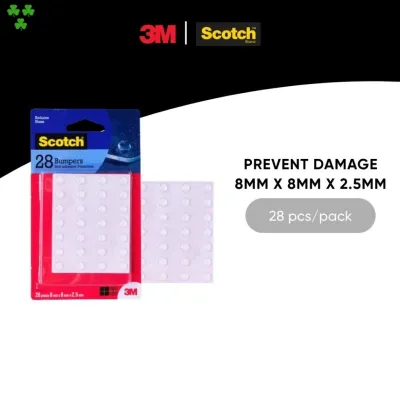
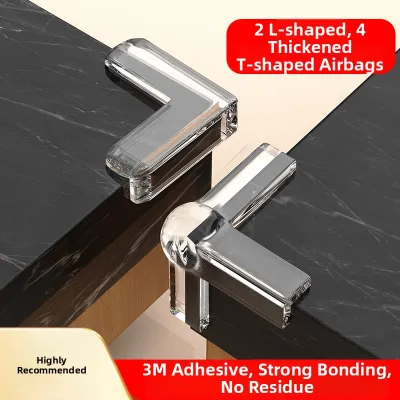
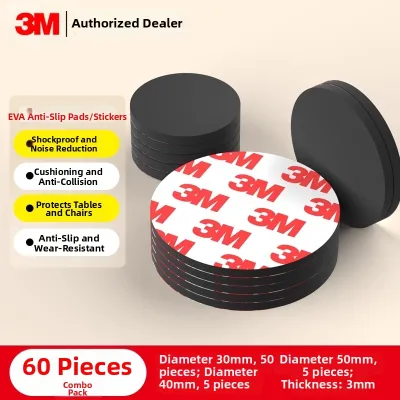
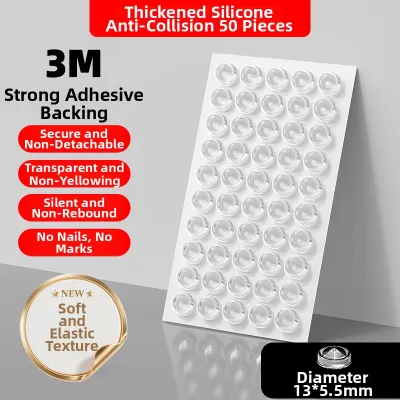
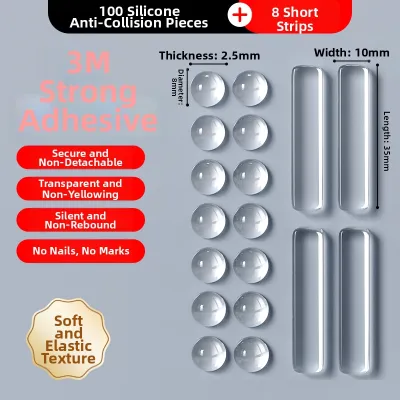
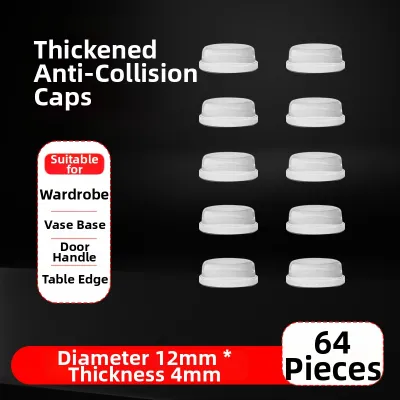
Prices are valid at publication and may change. Please refer to the product page for the latest price.
Hemispherical or dome-shaped bumper pads are the optimal choice for standard swinging cabinet doors. The curved surface of a dome-shaped pad ensures that contact is made at a single point first, allowing the elastomeric material to compress evenly and absorb the kinetic energy of the swing. This progressive compression dampens the vibration, preventing the door from rattling against the frame and protecting painted or stained finishes from chipping over time.
Material selection also plays a critical role in how well the bumper performs on different door types. For lightweight utility cabinets or modern laminate doors, clear polyurethane pads offer excellent, virtually invisible protection that blends seamlessly with light wood or white finishes. If you have heavy solid wood doors, such as those made of teak or oak, high-density rubber pads are highly recommended. Rubber provides greater resistance and compression recovery, preventing heavier doors from bottoming out against the frame.
Before purchasing, perform a crucial sizing check by measuring the physical gap between your closed cabinet door and the frame. You must also check the clearance of your hinges. If you install a pad that is too thick, it will prevent the door from closing flush with the frame, which can strain the hinges and prevent magnetic or soft-close catches from engaging properly. Generally, a dome pad with a thickness of 1.5mm to 2.2mm is ideal for standard kitchen and bathroom cabinets.
Choosing 3M Bumper Pads for Drawers to Withstand Repetitive Impact
Drawers place a completely different set of physical stresses on bumper pads compared to cabinet doors. Instead of a direct, swinging impact, drawers slide horizontally along metal glides or wooden tracks. When a drawer is pushed closed, it strikes the frame flatly, but the movement also subjects the bumper pad to significant horizontal shearing forces. Over time, this repetitive lateral friction can easily roll or peel a standard dome-shaped pad right off its adhesive backing.

To withstand these shearing forces, you should select cylindrical or flat-top bumper pads. These shapes feature a flat surface that distributes the impact energy across a wider area, reducing localized stress. More importantly, cylindrical pads have a broader adhesive base relative to their height, which provides superior resistance to lateral peeling and keeps the pad firmly anchored to the drawer box or frame despite daily opening and closing.
Material durability is another key factor, especially when dealing with heavy drawer boxes. For wooden drawers on traditional wooden runners, dense polyurethane pads offer a great balance of cushioning and slide resistance. However, if your drawers are equipped with heavy-duty metal tracks and frames, felt-lined or high-density rubber pads are excellent alternatives. These materials absorb the harsh, high-frequency metallic vibrations that standard plastic pads might pass through to the cabinet structure.
To ensure quiet, balanced operation, pay close attention to where you place the pads. Apply one bumper pad to each of the upper and lower inner corners of the drawer front, or directly onto the corresponding contact points of the cabinet frame. Placing pads on both the top and bottom edges prevents the drawer from tilting or twisting upon impact, ensuring the drawer face sits perfectly parallel to the cabinet exterior when closed.
Protecting Heavy Cabinets and Adjustable Shelves from Sustained Pressure
Heavy-duty applications, such as deep pantry doors, large wardrobe wardrobes, and loaded adjustable shelves, require bumper pads that can handle sustained, long-term pressure. Unlike doors and drawers that experience brief, intermittent impacts, a shelf loaded with heavy cookware, books, or pantry items exerts constant downward force on its support pins and adjacent cabinet walls. Under this continuous weight, standard soft bumper pads will experience “compression set,” meaning they permanently deform, flatten out, and lose their cushioning ability.
For these load-bearing scenarios, you should look for thicker, extra-large format bumper pads or specialized heavy-duty variants. These pads are formulated from high-durometer (firmer) polyurethane or synthetic rubber designed specifically to resist permanent deformation under constant weight. They maintain their thickness and elasticity over years of sustained pressure, preventing wood-on-wood grinding and keeping shelves stable.
Proper weight distribution is essential to prevent structural damage to your shelving. If you are protecting a wide or heavily loaded shelf, do not rely on just two pads at the front corners. Instead, distribute the weight by placing pads at all four support points where the shelf rests on its metal or plastic pins. This even distribution helps prevent the shelf from bowing in the center, reduces localized stress on the cabinet walls, and prevents the shelf from sliding or slipping off its support pins if bumped.
Before applying heavy-duty pads, perform a surface safety check. You must verify that the pad’s adhesive is compatible with your specific shelf finish, whether it is laminated particleboard, veneered MDF, or raw, oiled timber. Strong adhesives can bond permanently to delicate wood stains or raw wood fibers, potentially tearing the finish or leaving stubborn residue if you decide to adjust the shelf height in the future. If you are unsure of compatibility, check the furniture manufacturer’s care instructions.
Cross-Scenario Compatibility: Can One Universal Pad Protect All Furniture?
When faced with a home full of different cabinets, drawers, and shelves, it is tempting to purchase a single, large multi-pack of medium-sized dome pads and use them universally. While this approach is highly convenient and cost-effective for lightweight, low-traffic furniture—such as a small bathroom vanity or a guest bedroom nightstand—it often falls short when applied across an entire household.
Using a universal medium dome pad everywhere introduces clear performance trade-offs. A pad that is soft enough to quietly cushion a lightweight cabinet door will quickly flatten or shear off under the heavy, repetitive lateral force of a loaded kitchen pot drawer. Conversely, a firm, heavy-duty flat pad designed for utility shelves will be too rigid to dampen the light swing of a small cabinet door, resulting in a loud, unsatisfying slap when the door is closed.
To make the best decision for your home, evaluate your furniture layout using a simple framework. If you are outfitting a single room with uniform, lightweight cabinetry, a versatile multi-pack of medium hemispherical pads will likely suffice. However, for high-traffic, mixed-use areas like kitchens and utility rooms, it is highly recommended to invest in specialized shapes and thicknesses. Using hemispherical pads for swinging doors, cylindrical pads for drawers, and heavy-duty flat pads for pantry shelves ensures maximum durability and noise reduction.
Application Tips for Secure Adhesion Without Finish Damage
To get the longest life out of your bumper pads, proper surface preparation is absolutely essential. Dust, grease, and residual furniture polish will prevent the adhesive from bonding securely, causing the pads to slide or fall off within a few weeks. Start by cleaning the application area thoroughly with a mild, non-abrasive cleaner, such as isopropyl alcohol diluted with water, using a clean microfiber cloth. Ensure the surface is completely dry before moving to the next step.
When applying the bumper pad, peel it carefully from its backing card while avoiding touching the exposed adhesive with your fingers, as skin oils can degrade the bond. Align the pad precisely over the target area, then press down firmly with your thumb. Hold direct, even pressure on the pad for at least ten to fifteen seconds to activate the pressure-sensitive adhesive. For the best results, allow the adhesive to cure undisturbed for 24 hours before closing the door or drawer.
Finally, always establish a safety boundary to protect delicate furniture finishes. If your cabinets have a waxed, oiled, or freshly painted finish, strong adhesives can lift or damage the topcoat during application or future removal. Always check the furniture manufacturer’s care guidelines first. If the instructions do not cover adhesive pads, test a single bumper pad in an inconspicuous, hidden area—such as the inside lower corner of a cabinet frame—before applying them to highly visible surfaces.
Frequently Asked Questions (FAQ)
Will 3M bumper pads damage my wood finish when removed?
Standard 3M adhesives are generally safe for fully cured polyurethane, varnish, lacquer, and high-pressure laminate finishes. However, they can bond too strongly to delicate, waxed, oiled, or antique finishes, risking damage to the wood fibers upon removal. To safely remove a pad, use a hairdryer on a low heat setting for several seconds to gently soften the adhesive. Once warmed, slide a piece of dental floss or a thin plastic card behind the pad to slice through the softened adhesive layer without scratching the wood.
How do I remove the sticky residue left behind by old bumper pads?
If an old bumper pad leaves behind a sticky residue, you can dissolve it using a mild, furniture-safe adhesive remover or a small amount of isopropyl alcohol applied to a soft microfiber cloth. Gently rub the residue in a circular motion, taking care not to scrub too hard. Never use abrasive scouring pads, steel wool, or harsh solvents like acetone or nail polish remover, as these chemicals will permanently dissolve, cloud, or strip the protective clear coat on your furniture.
Community discussion
Share your experience or ask a question. Comments are reviewed before publication.