
Finding the right narrow storage rack for a tight closet gap is more than just matching numbers. If your available space measures exactly 20 cm, buying a 20 cm wide rack will almost certainly result in a frustrating fit that scrapes your wardrobe walls, gets wedged permanently, or prevents the closet door from closing. To ensure a seamless fit in compact bedrooms, the secret lies in calculating your net usable space by subtracting a dedicated clearance margin from your tightest physical measurements.
In modern, space-conscious homes, maximizing every millimetre of wardrobe space is essential. However, narrow gaps present unique physical challenges. Because tall, slim structures have a higher center of gravity, selecting the wrong dimensions can lead to instability, limited weight capacity, or structural damage. By following a systematic approach to measuring, selecting, and installing your organizer, you can transform a neglected gap into highly functional storage.
How to Measure Your Closet Gap for a Perfect Fit
To find a rack that fits perfectly, you must first understand that walls and wardrobe panels are rarely perfectly straight. In many residential properties, minor plastering variations, structural settling, or slight alignment errors during wardrobe installation can cause a gap to vary in width from top to bottom. Measuring at a single point is one of the most common causes of purchasing errors.
Products mentioned in this guide
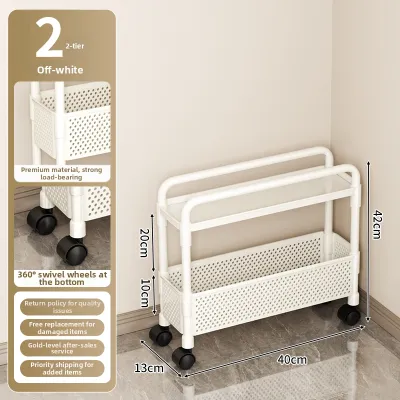
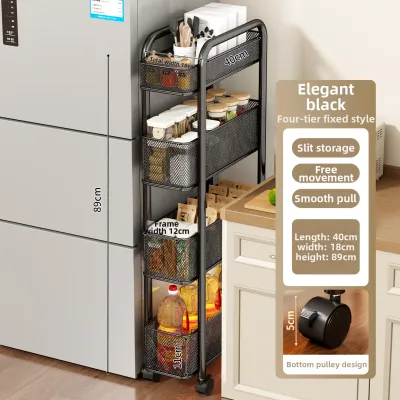
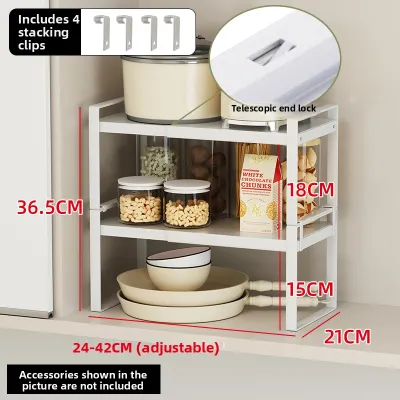
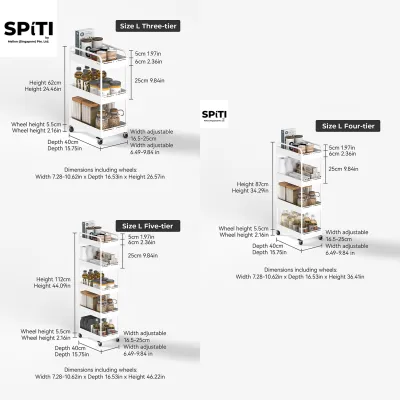
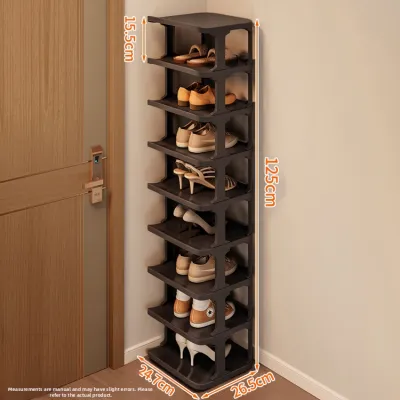


Prices are valid at publication and may change. Please refer to the product page for the latest price.
To get an accurate picture of your space, take three separate width measurements: one near the floor, one in the middle, and one near the top of the gap. Always record the smallest of these three figures as your absolute maximum width. If you rely on the widest measurement, your new rack will likely get stuck when you attempt to slide it into the narrower sections of the opening.
Next, identify any physical obstructions that protrude into the usable space. Inside a wardrobe, these often include protruding door hinges, sliding door tracks, drawer runners, or decorative trim. On the exterior of a wardrobe or along a bedroom wall, baseboards (skirting boards) are a major factor, often projecting 1 to 2 cm from the wall surface. Measure the width at the narrowest point between these obstructions rather than wall-to-wall.
Finally, evaluate the condition of the floor. An uneven floor will cause a tall, narrow rack to tilt to one side, which can cause the top of the rack to scrape against the wardrobe frame or wall. Use a spirit level to check the floor’s evenness. If you plan to use a rolling rack, inspect the floor surface for deep tile grout lines, floor tracks, or thick carpet edges that could catch the wheels and destabilize the unit.
Choosing the Right Rack Width for Your Measured Gap
Once you have established your narrowest physical measurement, you must apply the clearance rule. Never buy a rack that matches your exact gap width. Always subtract 2 to 4 cm from your total measured width to allow for wiggle room. This small buffer provides the necessary clearance to slide the rack in and out without scraping the surrounding surfaces, and it ensures adequate airflow to prevent mustiness in humid climates.

Ultra-Narrow Gaps (Under 15 cm)
Extremely tight spaces under 15 cm require highly specialized, single-column storage solutions. These ultra-narrow gaps are best suited for slim pull-out utility carts or slide-out wire organizers designed to hold small accessories, ties, belts, or compact containers.
Because these units are incredibly slim, they have a very narrow footprint, which naturally limits their lateral stability. When selecting a rack in this category, prioritize models with high-quality frame joints and a low center of gravity. Avoid storing heavy items on the upper tiers of an ultra-narrow rack, as this can cause the frame to flex or tip over when pulled. These units are best used for lightweight, daily essentials that can be distributed evenly across the shelves.
Standard Narrow Gaps (15 cm to 30 cm)
Spaces between 15 cm and 30 cm offer much more versatility, allowing for multi-tier shelving units, slim drawer towers, or modular cubbies. This width range is ideal for storing folded clothing, shoes, handbags, or organized storage baskets.
With increased width comes a wider variety of structural designs, but stability remains a primary concern for freestanding units. If you choose a tall rack within this width range, look for designs that feature a wider base, adjustable leveling feet, or weighted lower shelves. Maintaining a lower center of gravity is essential to prevent the rack from wobbling when you retrieve items from the top shelves.
Why Depth and Door Clearance Are Just as Critical
A storage rack that fits the width of your gap perfectly can still become useless if it interferes with your closet doors. Depth is the most frequently overlooked dimension in closet organization. If a rack is too deep, it will protrude past the wardrobe frame, preventing sliding doors from bypassing or hinged doors from shutting completely.
To avoid this, measure the internal depth of your closet from the back panel to the inside face of the closed door, rather than measuring the overall exterior depth of the wardrobe. If your wardrobe uses sliding doors, you must also account for the depth of the door tracks. The rack must sit entirely behind the inner track to allow the doors to glide freely without friction.
For closets with outward-opening hinged doors, calculate the swing radius of the door and the position of the hinges. Standard cabinet hinges fold inward when closed, often occupying several centimeters of internal space near the front frame. If your narrow rack is placed too close to the front edge, the hinge mechanism may crush against the side of the rack, preventing the door from closing or damaging the hinge alignment over time.
Additionally, consider how the depth of the rack affects your hanging garments. If the rack sits directly next to a hanging rod, clothes hanging on hangers will naturally flare outward by 50 to 60 cm. A rack that is too deep will compress these garments, leading to deep creases, restricted access, and poor air circulation.
Which Narrow Rack Design Works Best for Your Space
Selecting the right mechanism and installation style depends entirely on your floor conditions, rental status, and how you need to access your stored items.
- Pull-out rolling racks (with casters): These are highly efficient for deep, narrow gaps because they allow you to pull the entire storage unit out to access items at the back. However, they require a smooth, hard floor surface—such as vinyl, parquet, or polished tiles—to glide safely. If the floor is uneven or has deep grout lines, the wheels can catch, causing the tall, narrow frame to wobble or tip.
- Hanging or tension-mounted organizers: If your closet floor is uneven, obstructed by skirting boards, or simply too narrow to support a freestanding frame safely, look upward. Hanging organizers that attach directly to your existing closet rod, or tension-mounted shelves that press against the side walls, eliminate floor-contact issues entirely. They are excellent for lightweight items like sweaters, hats, and accessories.
- Adjustable or telescopic shelving: For irregular gaps or rental properties where drilling into wardrobe panels or walls is prohibited, telescopic shelving is an ideal solution. These systems use spring-loaded tension poles that extend from floor to ceiling or shelf to shelf, adjusting to your exact height requirements without permanent fasteners. They can be easily dismantled and reconfigured if you move.
Common Sizing Mistakes That Ruin Closet Storage
To ensure your closet organization project is a success, keep these critical sizing and safety considerations in mind before making a purchase:
- Confusing usable width with total width: Many product listings state the width of the shelf surface rather than the total finished dimensions of the assembled product. Always check the specifications for the absolute widest points, which often include protruding screw heads, side handles, wheel brackets, or drawer runners that extend beyond the main frame.
- Ignoring the pathway to the closet: A tall, narrow rack might fit perfectly inside your wardrobe once in place, but you must be able to get it there. Measure your bedroom doorways, narrow hallways, and the clearance around your bed frame. If the rack arrives fully assembled, or if you plan to assemble it outside the closet, ensure there is enough physical clearance to carry and maneuver the unit into its final position.
- Overloading without anchoring: Tall, narrow racks are inherently prone to tipping, especially when placed on carpet or uneven floors. Never overload a slim rack, and always place the heaviest items on the very bottom shelf to maximize stability. If the rack is taller than your shoulder height, it should be anchored to the wardrobe frame or back wall using safety straps or brackets to prevent accidental tip-over injuries.
Frequently Asked Questions (FAQ)
Can I use a narrow rolling storage rack on a carpeted floor?
Standard small plastic casters do not roll smoothly on carpeted floors; they tend to sink into the pile, making the rack difficult to pull and highly prone to tipping. If you must use a rolling rack on carpet, look for models equipped with larger, wide-surface rubber wheels designed for soft flooring. Alternatively, place a rigid plastic or acrylic floor mat over the carpeted area to create a smooth, stable gliding surface for the wheels.
How do I prevent a tall, narrow rack from tipping over?
To secure a tall, narrow rack, always place your heaviest items—such as shoes, heavy bags, or folded denim—on the bottom shelves to lower the center of gravity. If the unit is freestanding, use adhesive anti-tip straps or wall-anchor brackets to secure the frame directly to the closet wall or the sturdy side panels of your wardrobe. Additionally, if the rack features drawers, avoid pulling out multiple loaded drawers at the same time, as this shifts the weight forward and can cause the unit to fall.
Community discussion
Share your experience or ask a question. Comments are reviewed before publication.