
Finding ants crawling over your freshly laundered clothes is a frustratingly common experience in Singapore’s tropical climate. To keep these persistent pests out of your garments, your wardrobe must act as a continuous physical barrier. This means prioritizing specific structural features: fully sealed joints, comprehensive edge banding on all panels, compression or magnetic door seals, and elevated legs that make cleaning easy. While many homeowners search for a specialized ant box wardrobe or custom pest-proof cabinetry, the reality is that any high-quality wardrobe can become highly ant-resistant if it incorporates the right construction details. Understanding these design elements is the key to protecting your clothes from unwanted invaders.
Why Ants Invade Standard Wardrobes in Tropical Climates
Singapore’s year-round high humidity and warmth create an ideal environment for various ant species, such as crazy ants, ghost ants, and Pharaoh ants, to thrive. Inside a typical HDB flat or private condominium, bedrooms provide a stable, climate-controlled shelter that pests naturally seek out. When humidity levels rise, wardrobes can trap moisture, turning dark, undisturbed corners into highly attractive nesting sites or foraging zones for worker ants.
Once inside a wardrobe, ants are rarely looking for the fabric itself, unless it is stained with organic matter. Instead, they are drawn to microscopic residues of sweat, skin cells, food spills, or perfume left on worn clothing. You might notice fine trails of ants winding along the edges of shelves, tiny droppings in the corners, or even structural damage to delicate fabrics like silk and fine cotton as ants chew through fibers to reach sweet or oily residues.
Products mentioned in this guide
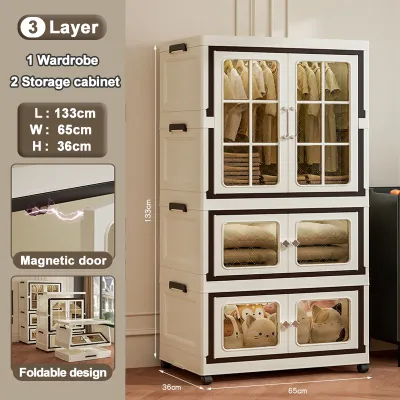
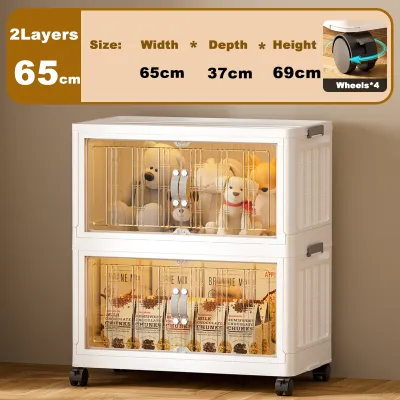
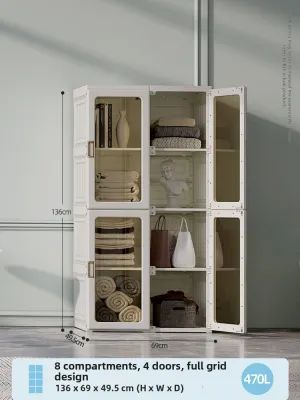
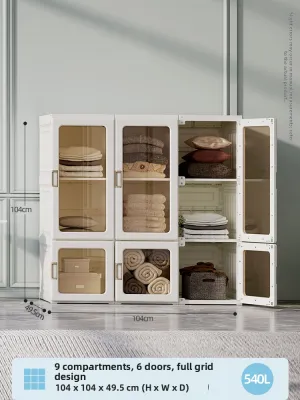
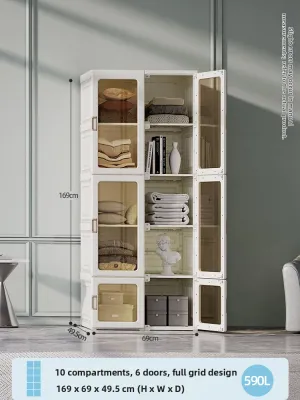
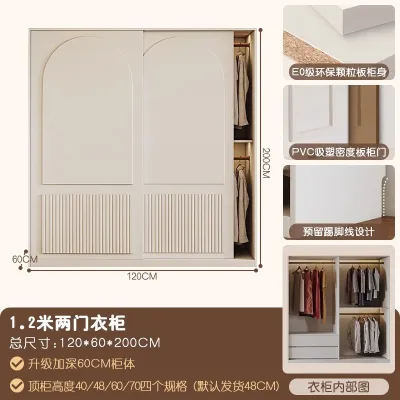
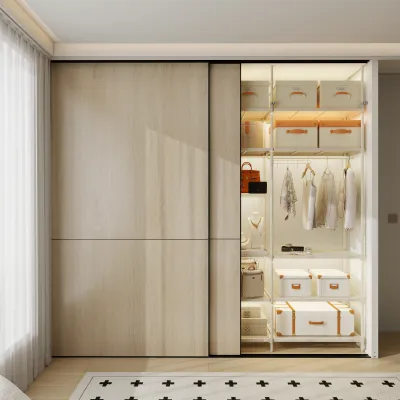
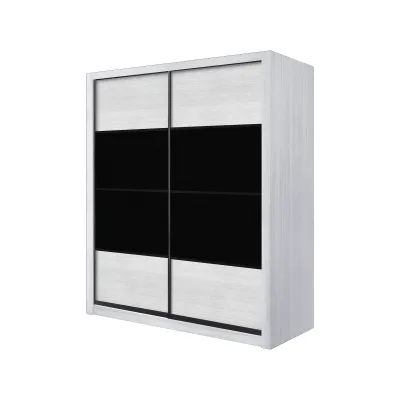
Prices are valid at publication and may change. Please refer to the product page for the latest price.
Standard flat-pack wardrobes and older furniture pieces are particularly vulnerable to these invasions due to their construction. Many mass-produced models feature unsealed rear panels, raw particleboard edges, and loose-fitting hinges that leave gaps of several millimeters. These tiny openings are more than wide enough for tiny ghost ants to pass through. Furthermore, wardrobes that sit entirely flat on the floor create a dark, unventilated void underneath, which serves as an inaccessible harbor where colonies can establish themselves completely undetected.
Core Design Features of a Genuinely Ant-Resistant Wardrobe
To successfully deter pests, a wardrobe must be designed to eliminate the entry points and nesting environments that standard cabinets provide. This requires looking closely at how the wardrobe is manufactured, sealed, and positioned within your bedroom.

Seamless Joints, Edge Banding, and Door Seals
The most critical line of defense against pests is the elimination of tiny structural gaps. Standard furniture panels are often only finished on the visible sides, leaving the top, bottom, and rear edges as raw, exposed engineered wood. Genuinely ant-resistant wardrobes utilize full PVC or ABS edge banding on all six sides of every single panel. This complete sealing prevents moisture absorption, eliminates the rough textures that ants prefer to climb, and closes off the microscopic voids where insects can enter the core of the panel.
Doors are another common weak point where standard designs fail. For hinged wardrobes, incorporating magnetic or high-density compression door seals—similar to the rubber gaskets found on refrigerator doors—creates an airtight barrier when closed. If you are using soft-close hinges, ensure they are adjusted to have tight tolerances, pulling the door flush against the frame to leave zero clearance for pests to squeeze through.
Sliding doors present a unique challenge because their tracks inherently require clearance to glide smoothly. To secure a sliding wardrobe, look for dense brush seals or specialized weatherstripping installed along the overlapping gaps of the door panels and within the top and bottom tracks. These seals act as a flexible brush barrier, blocking insects while allowing the doors to slide freely. Regular maintenance of these tracks is essential, as dust accumulation can flatten the brushes over time and compromise the seal.
Elevated Legs and Base Clearances
How a wardrobe meets the floor plays a major role in pest prevention. Flat-bottomed wardrobes that rest directly on the floor are highly susceptible to trapping dust, moisture, and spilled liquids underneath. Because this area is impossible to clean without moving the heavy wardrobe, it quickly becomes a prime nesting ground for ants.
Opting for a wardrobe with elevated legs—ideally providing a clearance of at least 10 to 15 centimeters—disrupts this potential harbor. This clearance allows you to easily run a vacuum cleaner, mop, or robot vacuum underneath the cabinet, ensuring that pheromone trails cannot be established. It also keeps the floor area highly visible, allowing you to spot and address any early signs of ant activity before they reach your clothes.
The material of the legs is equally important. Raw or unfinished wooden legs can absorb moisture from wet mopping, leading to wood rot and attracting damp-loving pests. Instead, select wardrobes with smooth, non-porous leg materials, such as powder-coated metal, stainless steel, or high-density molded plastics. These smooth surfaces are much harder for ants to grip and climb, creating an additional physical obstacle between the floor and your storage.
Material Choices and Surface Finishes
While no standard wood-based material is completely immune to ants, your choice of material and surface finish heavily influences how attractive the wardrobe is to pests. Porous materials like unfinished solid wood, raw MDF, or low-grade plywood readily absorb ambient moisture, body oils from handled clothes, and ambient odors. Over time, these absorbed scents act as persistent chemical signals that draw foraging ants from across the room.
To minimize this risk, select wardrobes finished with high-quality, non-porous laminates, such as high-pressure laminates (HPL) or melamine surfaces. These materials do not absorb odors or moisture and are exceptionally easy to wipe down with mild cleaning agents. The smooth, hard surface also denies ants the traction they need to climb easily, helping to keep them contained to the exterior if they do manage to find the wardrobe.
It is important to clarify that even premium materials require proper edge sealing to be effective. A high-end solid wood wardrobe can still harbor ants if the joints are poorly joined or if the back panel is made of cheap, unsealed hardboard. When evaluating materials, prioritize the quality of the protective finishes and the precision of the assembly over the raw material alone.
How to Inspect and Verify Ant-Proof Claims When Shopping
When shopping for an ant box wardrobe or high-quality bedroom storage in Singapore, you are likely to encounter various marketing claims regarding pest resistance. To ensure you are investing in a wardrobe that actually performs, it is vital to inspect the furniture closely in the showroom or ask detailed questions of your custom cabinet maker.
Start by looking for specific technical terms in the product specifications. High-quality manufacturers will explicitly state if their cabinets feature “fully edge-banded panels,” “grooved-in back panels,” or “precision soft-close hinges.” A grooved back panel is particularly important; rather than being nailed or stapled to the back of the frame—which leaves multiple gaps—a grooved back panel slides into a pre-cut channel in the side panels, creating a tight, dust-proof, and insect-resistant seal.
If you are inspecting a physical display unit in a showroom, perform these simple checks:
- The Touch Test: Run your hand along the top and bottom edges of the internal shelves and partition walls. If you feel raw, rough particleboard or MDF, the panels are not fully edge-banded, leaving them vulnerable to moisture and pests.
- The Light Gap Test: Close the wardrobe doors completely and look closely at the seams. If you can see light shining through from the interior or if there are visible gaps wider than one millimeter, the doors lack adequate seals or alignment.
- The Back Panel Check: Gently press on the back panel from inside the wardrobe. If it flexes easily or shows gaps along the edges, it is likely stapled on and will not provide a reliable barrier against ants crawling up the bedroom wall.
When engaging a contractor or custom furniture retailer, ask specific questions about their assembly and installation standards. Inquire whether they apply silicone sealant along the joints where the wardrobe meets the wall or floor, especially if you are installing a built-in unit. Ask about their warranty terms regarding cabinet alignment, as shifting doors over time can create new gaps that compromise your pest-prevention efforts.
Daily Habits and Maintenance to Support Wardrobe Seals
Even the most precisely engineered wardrobe cannot keep ants out if daily habits introduce attractants into the storage space. Physical barriers must be supported by consistent maintenance and clean storage practices.
The most critical rule is to never store worn or unwashed clothes inside your wardrobe, even if they look clean. Sweat, skin flakes, and microscopic food or beverage residues are highly attractive to ants. Keep a designated, well-ventilated laundry basket outside the wardrobe for worn items, and ensure that only completely dry, freshly laundered clothes are placed inside your cabinets.
For items that are rarely worn, such as heavy winter wear used for travel, formal suits, or delicate silk garments, utilize secondary physical barriers. Storing these in airtight plastic storage boxes or vacuum-sealed bags within your wardrobe creates an impenetrable layer of protection. This is particularly useful in Singapore’s humid climate, as it also protects these fabrics from mold and mildew.
Regular cleaning of the wardrobe interior is essential to disrupt any potential pest activity. Vacuum the shelves, corners, and drawer runners at least once a month to remove dust, lint, and stray fibers. If you spot any ant activity, wipe down the affected surfaces immediately with a cloth dampened in mild soapy water or a highly diluted vinegar solution. This physical wiping removes the invisible pheromone trails that ants use to guide other members of their colony to the site.
Before using any commercial cleaning agents or pest deterrents, always check the product’s label and your wardrobe manufacturer’s care instructions to prevent accidental damage or fabric discoloration. While many homeowners rely on traditional mothballs or chemical insect repellents, these can leave strong, unpleasant odors on your fabrics and may contain chemicals that degrade certain synthetic fibers or finishes. If you prefer a preventative deterrent, consider using natural options like solid cedar blocks or dried lavender sachets. Keep in mind that these natural remedies have limited efficacy in open, tropical spaces and should only be used as minor supplements to physical sealing and cleanliness.
When to Seek Professional Pest Control
It is important to recognize the limits of physical wardrobe design. If your bedroom has an active, underlying pest infestation, even a highly sealed wardrobe will eventually be breached when doors are opened, or ants may find alternative nesting sites nearby.
You should suspect a larger structural issue if you notice ants consistently emerging from wall skirting boards, electrical outlets, window frames, or ceiling voids near your wardrobe. If you observe multiple distinct trails of ants traveling across your bedroom walls or floors, it is highly likely that a colony has established itself within the building’s structure rather than inside your furniture.
In these scenarios, localized DIY treatments, wardrobe cleaning, or applying retail ant baits will only provide temporary relief. Sealing the wardrobe will not stop a colony nesting deep within your walls. When a structural infestation is suspected, contact a licensed pest control professional in Singapore. They can accurately identify the ant species, locate the source colony, and apply targeted, safe treatments to eliminate the pest problem at its root, ensuring your home and your wardrobe remain protected.
Frequently Asked Questions (FAQ)
Can I apply anti-ant sprays directly inside my wardrobe?
It is highly discouraged to spray chemical insecticides directly onto the interior surfaces of your wardrobe. These sprays leave chemical residues that can easily transfer to your clothing, potentially causing skin irritation, allergic reactions, or damage to delicate fabrics. Furthermore, aerosol sprays only kill the visible foraging ants on contact and do not address the queen or the nest hidden elsewhere. To safely clean your wardrobe and disrupt ant trails, wipe the interior panels down with a soft microfiber cloth dampened with mild soapy water or a diluted white vinegar solution, which neutralizes pheromone scents without leaving harmful chemical residues. Always check the applied product’s label and the treated item’s manufacturer instructions before application.
Do sliding door wardrobes offer the same ant protection as hinged doors?
Generally, sliding door wardrobes are more vulnerable to pest entry than hinged doors. The mechanical design of sliding doors requires tracks and overlapping panels, which naturally leave small gaps at the top, bottom, and sides where the doors bypass each other. To achieve a similar level of protection as a hinged door equipped with compression seals, a sliding wardrobe must be fitted with high-quality, dense brush seals or felt weatherstripping along all overlapping edges. Additionally, you must commit to vacuuming the sliding tracks regularly, as dust and debris accumulation can prevent the doors from closing fully and flatten the protective brush seals over time.
Community discussion
Share your experience or ask a question. Comments are reviewed before publication.