
Storing a growing collection of caps in a compact Singapore HDB bedroom often leads to cluttered desks, squished brims, and wasted wardrobe space. The best cap organizer for a small HDB bedroom is one that matches your specific spatial constraints—typically utilizing vertical door backs, empty wall zones, or wardrobe hanging rods—while preserving the structural shape of your caps and keeping walkways completely clear. When floor space is at a premium, looking upward to underutilized vertical surfaces is the most effective way to keep your headwear organized and accessible.
How do you assess your available bedroom space for a cap organizer?
Assessing your bedroom space requires measuring the exact vertical and horizontal clearances of underutilized zones, such as the back of your door, the interior of your wardrobe, or empty wall sections. Before purchasing any storage solution, grab a measuring tape to map out the physical limits of your room.
Start by measuring the vertical clearance of potential storage zones. If you are considering the area behind your bedroom door, measure the distance from the top edge of the door to the floor, as well as the width of the door panel. For wardrobe interiors, measure the available height from the hanging rod to the bottom shelf, along with the depth of the wardrobe cabinet to ensure caps will not get crushed when the doors are closed.
Products mentioned in this guide
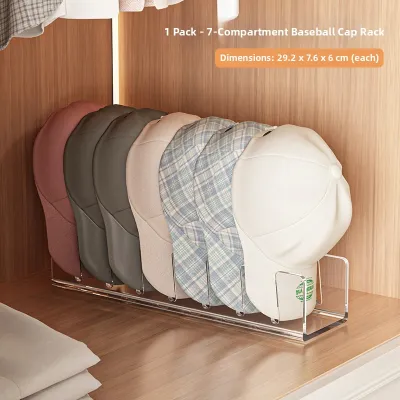
6 Lazada user ratings
Easy to use and very sturdy. Make sure to peel off the film; once the protective layer is removed, it is crystal clear. Highly recommended.
The color is spot on and looks really nice.
I received both items and they look great.
It fits well, great product.
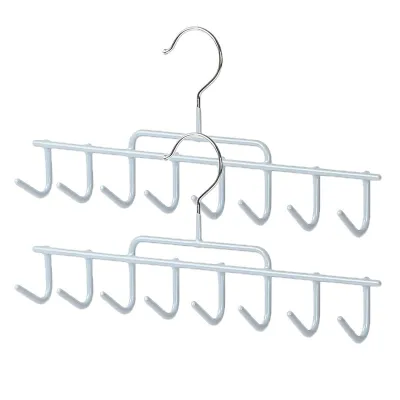
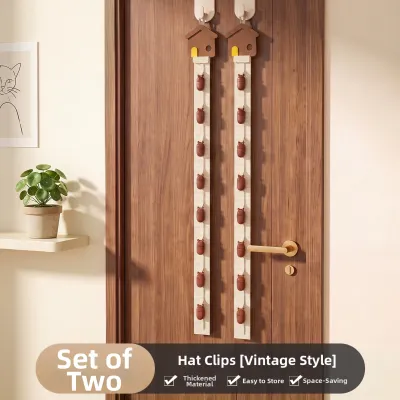
1 Lazada user ratings
It really saves a lot of space. Finally, I have a place to put my hats, and it's very simple and easy to use.
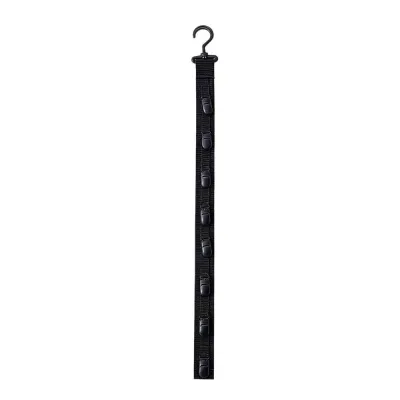
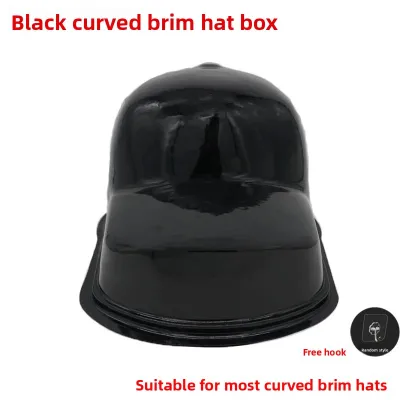
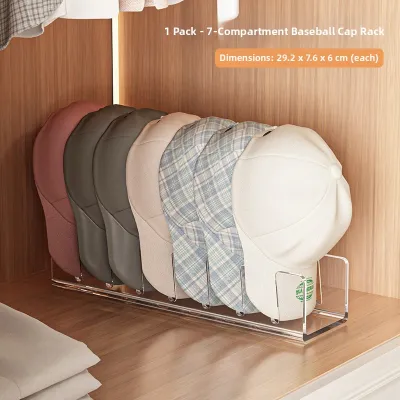
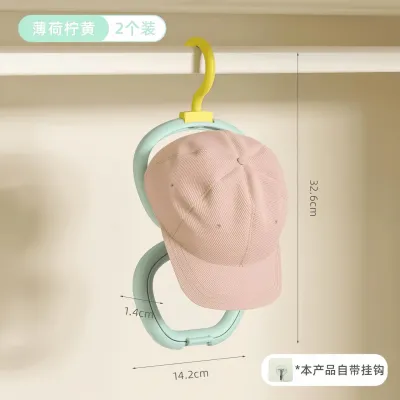
Prices are valid at publication and may change. Please refer to the product page for the latest price.
Next, evaluate the operational clearances and daily movement paths within the room. Open your wardrobe doors and bedroom doors fully to check their swing arcs. An organizer mounted behind a door must not strike adjacent walls, light switches, or furniture when the door is opened. Walkway widths must also be preserved; a cap organizer that protrudes too far into a narrow path between your bed and the wall can become a constant physical obstruction.
Finally, look for dead spaces that often go unused in standard HDB layouts. The blank wall space above a study desk, the narrow gap beside built-in carpentry, or the side panels of a wardrobe are excellent candidates for vertical storage. Utilizing these zones allows you to keep your caps organized without sacrificing valuable floor or desk space.
Which cap organizer styles suit different small bedroom layouts?
Different small bedroom layouts demand specific organizer styles, ranging from over-the-door straps for zero-footprint storage to wall-mounted pegboards for customizable displays. Selecting the right style depends on which zone of your room has the most available clearance.

Over-the-Door Organizers
Over-the-door organizers are highly efficient for utilizing hidden door space, making them ideal for rooms where wall and wardrobe space is fully occupied. These systems typically feature vertical straps with adjustable hooks or clips that hold caps by their top buttons or brims. Before choosing this style, check the thickness of your bedroom door to ensure the over-the-door brackets will fit securely. You must also verify that there is sufficient clearance between the top of the door frame and the ceiling, and that the hooks do not interfere with the door handle or lock mechanism.
Wall-Mounted Racks and Pegboards
Wall-mounted racks or pegboards are ideal for blank wall sections, offering highly customizable layouts that can double as a visual display for your collection. Pegboards allow you to arrange hooks at custom intervals, which prevents caps from overlapping and losing their shape. However, this option requires you to verify your wall material and check whether you have permission to drill. If you are renting or prefer not to drill, you will need to evaluate whether heavy-duty adhesive hooks can safely support the weight of the rack and caps on your specific wall finish.
Closet-Hanging and Shelf Inserts
Closet-hanging organizers or shelf-insert options are suitable for maximizing existing wardrobe space without taking up any external room area. Hanging fabric shelves or vertical loop hangers attach directly to your wardrobe’s closet rod, keeping your caps dust-free and out of sight. To use these successfully, ensure your wardrobe has sufficient hanging rod length and depth. If your wardrobe is already packed with clothing, adding a hanging organizer might crowd your garments and cause the caps to get squeezed.
Freestanding and Desktop Racks
Freestanding or desktop racks are only viable if desk, dresser, or floor space is genuinely available without crowding the room or obstructing pathways. These racks are excellent for displaying a small, curated selection of your favorite caps on a study table or chest of drawers. However, because they occupy horizontal surface area, they are generally less suited for extremely tight HDB bedrooms where desk space is needed for work or study.
How do you match the organizer capacity to your cap collection size and shape?
Matching organizer capacity to your collection involves auditing the total number of caps you own, identifying their structural styles, and verifying that the organizer can support their weight without sagging. A mismatched organizer can lead to bent brims, deformed crowns, or a cluttered appearance.
Begin by counting your current cap collection and estimating any near-term growth. If you own five caps but plan to acquire more, choosing an organizer with exactly five slots will quickly lead to overflow. Look for modular systems or organizers with extra capacity so you can expand your storage without needing to buy an entirely new fixture later.
Next, check the physical dimensions of the organizer’s compartments or hooks against the specific shapes of your caps. Structured caps, such as flat-brim snapbacks and fitted baseball caps, require rigid support or spacious pockets to prevent their crowns from collapsing. Unstructured caps, like dad hats or running caps, are more flexible and can easily fit into compact hanging loops, clips, or fabric pockets without suffering damage.
Finally, evaluate the weight distribution and structural limits of the organizer. Hanging too many heavy, structured caps on a single vertical strap can cause the strap to stretch or pull unevenly, putting unnecessary strain on your door hinges or closet rods. Distributing the weight evenly across multiple hooks or shelves ensures the organizer remains stable and your caps stay in pristine condition.
What installation and safety checks are required for HDB bedroom fixtures?
Installing a cap organizer in an HDB bedroom requires verifying the structural material of your walls, checking door clearance gaps, and reviewing any tenancy or renovation guidelines before drilling. Taking these precautions prevents costly damage to your home’s fixtures and ensures your organizer remains securely mounted.
Before hanging an over-the-door rack, check the gap between the top of your door and the door frame. If the gap is too narrow, the metal brackets of the organizer may scrape the frame, preventing the door from closing smoothly or damaging the paint. Additionally, consider the weight limit of your door hinges; heavy metal organizers loaded with dozens of caps can cause older doors to sag over time.
When mounting organizers directly to walls, identify whether the surface is concrete, drywall, or built-in carpentry. Structural walls in HDB flats are typically solid concrete, requiring a hammer drill and masonry wall plugs for secure mounting. Partition walls are often drywall, which requires specialized toggle bolts or drywall anchors to prevent the screws from pulling out. If you are mounting onto the side of built-in carpentry, use short wood screws that will not pierce through to the inside of the wardrobe.
Lastly, always review your tenancy agreement or HDB renovation guidelines if you plan to drill into structural walls or modify built-in wardrobes. If drilling is restricted, opt for non-invasive storage solutions, such as tension rods, over-the-door hangers, or freestanding desktop racks that require zero permanent modifications to the property.

Community discussion
Share your experience or ask a question. Comments are reviewed before publication.