
When selecting a 1 tier rack for a Housing & Development Board (HDB) flat in Singapore, space optimization and structural durability are your primary considerations. Because HDB layouts often feature compact kitchens, tight service yards, and specific corridor regulations, finding the right storage solution requires balancing physical footprint with load capacity. A quality single-tier rack can elevate heavy kitchen appliances, organize laundry essentials, or maximize unused floor space, but a poor choice can lead to warped shelves, rust, or safety hazards. To make an informed purchase, you must evaluate precise spatial clearances, verify weight limits for static and dynamic loads, and select materials capable of withstanding Singapore’s high humidity.
How to Measure for Tight HDB Spaces
Maximizing space in an HDB flat requires working with millimeters, not centimeters. Before purchasing any storage furniture, you must accurately map out the exact zone where the rack will sit. This is especially true for single-tier racks, which are frequently used to bridge small gaps or slide under existing fixtures.
Kitchen and Service Yard Clearances
Kitchens and service yards are the most common areas for compact racks, yet they present the most physical obstacles. When measuring the width and depth of a target spot, do not rely solely on wall-to-wall distances. You must measure the space at floor level, mid-height, and top-height to account for uneven walls or protruding baseboards. Skirting boards along the bottom of HDB walls typically protrude by 1 to 2 centimeters, which can easily prevent a tight-fitting rack from sliding completely into place.
Products mentioned in this guide
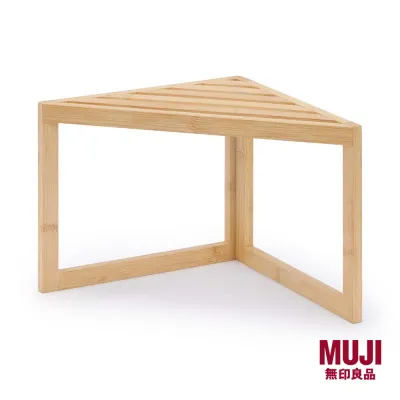
Prices are valid at publication and may change. Please refer to the product page for the latest price.
Beyond the walls, map out all utility fixtures. Check for the presence of electrical sockets, water pipes, gas control valves, and water taps. A 1 tier rack placed directly in front of a power outlet must have enough clearance behind it so that appliance plugs do not bend sharply against the wall. Similarly, ensure the rack does not block access to emergency shut-off valves or utility meters.
Finally, consider the operational clearance of surrounding appliances and cabinets. Open the doors of your refrigerator, oven, microwave, and front-loading washing machine completely. Measure the swing arc of these doors to ensure they do not collide with the frame of your new rack. If you plan to place the rack inside a cabinet or pantry cupboard, measure the interior clearance of the cabinet hinges, as they can narrow the entryway by several millimeters.
Living Areas and Common Corridors
In living rooms and bedrooms, single-tier racks are highly effective for reclaiming dead space. Common placement zones include the area beneath a wall-mounted television console, the gap beside a sofa, or the space inside built-in wardrobes. When placing a rack under low furniture, measure the vertical clearance carefully, leaving at least 5 centimeters of breathing room above the rack to allow for easy retrieval of items.
If you plan to place a 1 tier rack outside your flat in the common corridor, you must adhere strictly to local safety regulations. The Singapore Civil Defence Force (SCDF) and your local Town Council enforce strict fire safety guidelines to ensure escape routes remain unobstructed. A clear, continuous pathway of at least 1.2 meters must be maintained along the corridor at all times.
Furthermore, any outdoor rack must not block access to fire hose reels, dry risers, fire extinguishers, or service lift lobbies. Placing bulky items in shared spaces can result in warnings or fines from estate management. Always check your specific Town Council’s updated by-laws before positioning any furniture outside your main door, and opt for lightweight, easily movable structures if outdoor placement is permitted.
Checking Load Capacity and Structural Stability
A common mistake when buying a 1 tier rack is assuming that a single shelf cannot hold enough weight to cause structural failure. Because single-tier racks are often used to support heavy, dense items—such as convection ovens, large microwave ovens, heavy ceramic potted plants, or laundry detergent bottles—they frequently experience highly concentrated weight loads.

To evaluate a rack’s strength, you must first distinguish between static load and dynamic load. Static load refers to stationary weight, such as a stack of books or a storage box that remains still. Dynamic load refers to items that are frequently moved, or appliances that generate motion and vibration during operation, such as stand mixers, food processors, or washing machines. If you place a vibrating appliance on a rack, the constant movement increases the physical stress on the joints, requiring a much higher structural tolerance than static storage.
When shopping, closely inspect the structural specifications of the rack. Look for the thickness and gauge of the metal tubing or frame. Thicker legs (typically 20 millimeters or wider) provide significantly better resistance to bending. Examine the joints and welding points; high-quality racks feature full-perimeter welds rather than minor spot welds, which can snap under sudden pressure. The presence of horizontal support bars directly beneath the shelf surface or cross-bracing (such as an X-shaped metal bar on the back) greatly enhances lateral stability, preventing the rack from swaying or tilting.
Floor leveling is another critical factor for stability. HDB floor tiles, particularly in older flats or wet areas like bathrooms and service yards, may have slight slopes for drainage. A rack with fixed, flat feet will wobble on uneven tiles, compromising its safety. Prioritize racks equipped with adjustable leveling feet. These threaded feet can be screwed in or out individually to compensate for floor irregularities, ensuring the rack remains perfectly level and stable. Always check the manufacturer’s stated maximum weight capacity and never exceed it, even temporarily.
Matching Materials to HDB Rooms and Humidity
Singapore’s tropical climate features high relative humidity, often exceeding 80% year-round. This environmental factor accelerates the degradation of unsuitable materials, making material selection a key priority based on where the rack will be placed.
Kitchens and Bathrooms (High Moisture)
Kitchens and bathrooms are high-moisture zones characterized by steam, water splashes, and frequent cleaning. Placing the wrong material in these spaces will lead to rapid rust, mold growth, or structural softening. When selecting a metal 1 tier rack for these areas, verify the specific grade of metal. Look for stainless steel labeled as Grade 304 or higher. Grade 304 stainless steel contains chromium and nickel, which provide excellent resistance to corrosion and rust in wet environments. Lower grades, such as Grade 201, are more susceptible to rusting over time when exposed to moisture and salt.
Alternatively, high-quality carbon steel is acceptable if it features a thick, durable powder coating. Powder coating involves electrostatic paint application followed by heat curing, creating a tough protective barrier. However, you must inspect the coating regularly for chips or scratches; once the underlying carbon steel is exposed to moisture, rust will form and spread beneath the paint. For areas with direct, continuous water contact—such as inside a shower stall or directly next to a washing machine drain—heavy-duty plastics like polypropylene are highly practical as they are completely immune to rust and water damage.
Avoid using untreated solid wood, medium-density fibreboard (MDF), or particleboard in high-moisture areas. These engineered wood products consist of compressed wood fibers held together by adhesives. When exposed to humidity, they absorb water vapor, causing the wood to swell, warp, peel, and eventually disintegrate. Mold spores also thrive on damp wood surfaces, creating indoor air quality issues.
Living Rooms and Bedrooms (Dry Zones)
In dry zones like living rooms, bedrooms, and study rooms, you have greater flexibility to prioritize aesthetics alongside functionality. Here, solid wood, high-quality engineered wood with proper edge banding, and decorative metal-wire blends are excellent choices. If you select an engineered wood rack, check the product specifications for formaldehyde emission standards. Look for certifications such as E1 or E0 ratings. These ratings ensure that the adhesives used in the wood emit minimal levels of formaldehyde, which is crucial for maintaining healthy indoor air quality in enclosed, air-conditioned HDB bedrooms.
Aesthetic finishes, such as painted metal, wood laminates, or natural oils, require careful maintenance. Always review the manufacturer’s care instructions before cleaning. Many laminated or painted surfaces can be damaged by harsh chemical cleaners, abrasive scrubbing pads, or excessive water. To preserve the finish and prevent scratching or peeling, clean these racks using a soft, dry microfiber cloth or a slightly damp cloth with mild soap, drying the surface immediately afterward.
Best 1-Tier Rack Styles for Common HDB Needs
Different HDB household tasks require specific rack designs. Matching the mechanism and style of the rack to your daily routine ensures maximum utility and convenience.
Mobile Carts with Lockable Wheels
For small, multi-functional HDB kitchens, a 1 tier rack equipped with wheels offers exceptional flexibility. These mobile stands allow you to store heavy kitchen appliances, such as air fryers, rice cookers, or stand mixers, in a corner or under a counter, and easily roll them out to an active workspace when needed. This mobility prevents you from having to lift heavy items repeatedly, reducing physical strain.
When choosing a mobile rack, pay close attention to the wheel material. Avoid cheap, hard plastic wheels, which can scratch, scuff, or leave permanent black marks on HDB vinyl flooring, laminate sheets, or polished porcelain tiles. Instead, look for wheels made of polyurethane (PU) or soft rubber, which glide smoothly and quietly without damaging delicate floor surfaces. Additionally, verify that at least two of the wheels feature robust, independent locking mechanisms. Locking the wheels is essential to keep the rack stationary and safe when supporting operating appliances that vibrate.
Foldable and Collapsible Designs
If you require temporary storage or have extremely limited space, foldable 1-tier racks are highly efficient. These designs can be unfolded in seconds to hold items during specific activities—such as drying laundry on the balcony, hosting a gathering, or organizing seasonal items—and then collapsed flat for storage when not in use. A folded rack can easily slide into narrow gaps, such as the space between a wardrobe and the wall, or sit flat against a utility closet wall.
When evaluating a foldable rack, safety must be your primary concern. Inspect the hinges, joints, and locking pins. The rack should feature a secure safety latch or locking pin that prevents the frame from accidentally folding or collapsing when weight is applied. Avoid designs that rely solely on gravity to stay open, as an accidental bump can cause the structure to buckle. Also, check the manufacturer’s specified folded thickness to ensure it fits into your designated storage slot.
Heavy-Duty Appliance Stands
Specialized heavy-duty 1-tier stands are designed specifically to support major home appliances like washing machines, clothes dryers, or compact refrigerators. Elevating these appliances off the floor serves several practical purposes in an HDB flat. It protects the base of the appliance from standing water during floor washing, improves ventilation to prevent rust on the machine’s underside, and raises the appliance to a more comfortable working height.
Because washing machines vibrate violently during spin cycles, these stands must feature advanced stability mechanisms. Look for stands equipped with thick rubber anti-vibration pads on the top corners where the appliance feet rest, as well as rubber-capped feet on the floor. These pads absorb kinetic energy, preventing the machine from shifting, walking across the floor, or generating excessive noise that could disturb your neighbors. Ensure the stand’s footprint matches the appliance’s dimensions exactly, and verify that the stand’s frame is rated to handle the combined weight of the appliance and a full load of wet laundry.
Final Pre-Purchase Checklist and HDB Delivery Tips
Before finalizing your purchase of a 1 tier rack, run through a quick verification checklist to avoid the hassle of returns or assembly issues. First, double-check your measured physical space against the rack’s outer dimensions, including any protruding screws or handles. Second, confirm that the manufacturer’s stated weight limit comfortably exceeds the weight of your heaviest item. Third, ensure the material composition matches the moisture levels of the target room.
Next, evaluate the assembly requirements of the rack. Determine if the product arrives fully assembled, flat-packed, or uses a boltless design. If assembly is required, check if the package includes all necessary tools, such as Allen keys or mini-wrenches, or if you will need your own screwdriver or mallet. Some heavy-duty metal racks require precise alignment of joints; if you are not comfortable with DIY assembly, check if the retailer offers professional assembly services for a small fee.
Logistical considerations are also vital for HDB residents. While a 1 tier rack is generally compact, some heavy-duty, pre-assembled industrial models can be bulky and heavy. Ensure that the packaged dimensions can easily fit inside a standard HDB passenger lift. If you live in an older estate where lifts do not stop on every floor, or if the lift is temporarily out of service, you must verify if the delivery personnel can navigate tight staircase landings safely. Finally, always read the retailer’s return and warranty policies. Ensure you are covered for manufacturing defects, structural failures, or damage sustained during transit, so you can shop with complete peace of mind.
Community discussion
Share your experience or ask a question. Comments are reviewed before publication.