
Finding the right tv stand table requires balancing the physical dimensions of your television with the layout and scale of your living room. To achieve a secure fit and a visually balanced space, your TV stand should be wider than the actual physical width of your television screen. This setup prevents hazardous overhang, provides a stable base, and leaves adequate room for media accessories. By taking precise measurements of your television, assessing your floor plan, and understanding ergonomic viewing heights, you can select a piece of furniture that enhances both your viewing experience and your home decor.
How to Measure Your TV for a Stand
To choose the correct tv stand table, you must first determine the exact physical dimensions of your television. Many homeowners make the mistake of relying solely on the advertised screen size, which is a diagonal measurement from one corner of the screen to the opposite corner. This diagonal figure does not represent the actual width or height of the television frame. To find the true physical width, use a tape measure to measure horizontally from the far-left edge of the outer bezel to the far-right edge. This measurement is the most critical factor in determining how wide your new furniture must be.
Next, examine the design of your television’s base or stand. Modern televisions generally use one of two support styles: a centralized pedestal stand or two separate feet positioned near the outer edges of the screen. If your television uses outer feet, measure the distance between the outermost points of these feet. This footprint width dictates the absolute minimum flat surface area your stand must provide. Additionally, measure the depth of the base from front to back to ensure it will not overhang the front or rear edges of the console.
Products mentioned in this guide
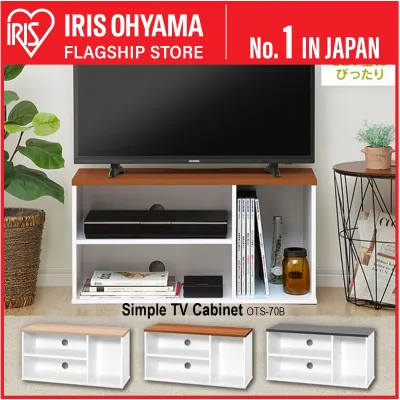
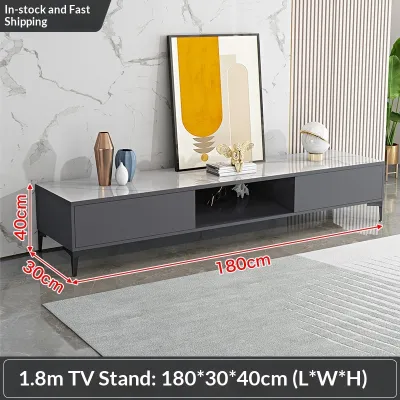
![[Furniture Amart] Wooden Table Tv Cabinet Storage shelf with Metal Legs](https://img.lazcdn.com/g/p/a296d2d858c3e7ac84cc40fd162f70f5.jpg_400x400q80.jpg_.webp)
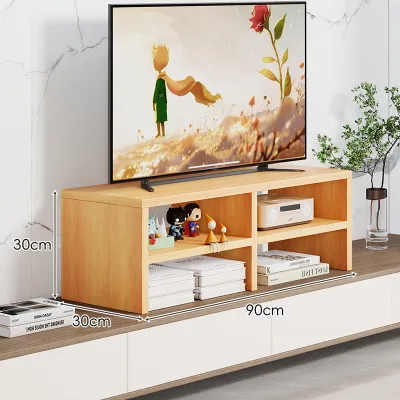
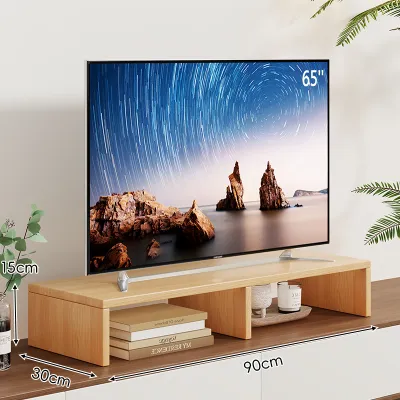
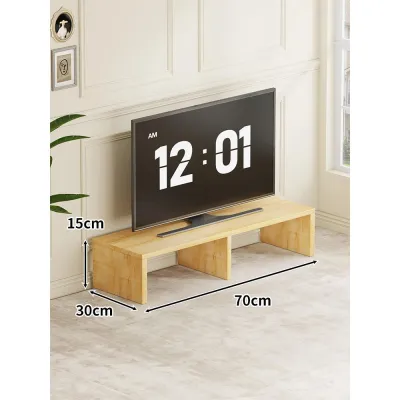
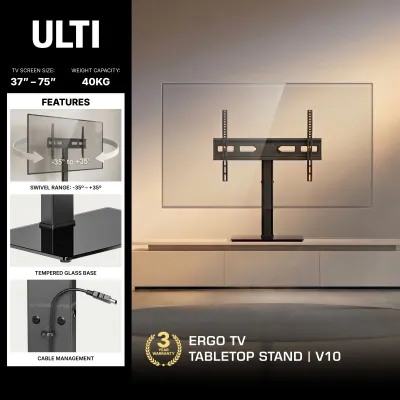
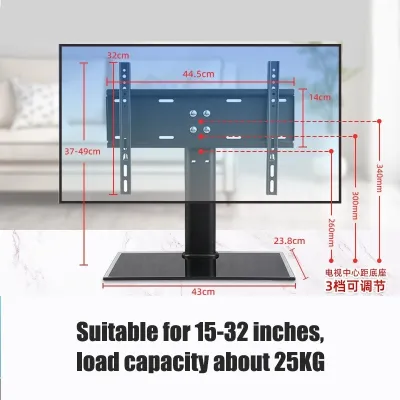
Prices are valid at publication and may change. Please refer to the product page for the latest price.
If you plan to use a stand with an integrated mounting bracket or a VESA mount system, check the VESA pattern on the back of your television. This pattern consists of four threaded holes arranged in a rectangle, measured in millimeters. Ensure the mounting system on your chosen stand is compatible with your television’s specific VESA dimensions.
Finally, verify the total weight of your television. You can find this information in the product manual or on the manufacturer’s website. It is essential to know the weight without the packaging to ensure it falls safely within the weight capacity limits specified by the furniture manufacturer. Overloading a stand can lead to structural sagging, joint failure, or tipping.
Assessing Your Living Room Space and Layout
Before purchasing a tv stand table, you must carefully evaluate the physical space where the furniture will reside. Begin by measuring the length of the wall or floor area allocated for the stand. Be sure to account for nearby architectural features such as doorways, windows, power outlets, and light switches. The stand should not block walkways or overlap with adjacent furniture, as this can make the room feel cramped and restrict movement.

Clearance behind and around the stand is another vital consideration. Electronic devices such as media players, gaming consoles, and sound systems generate heat during operation. To prevent overheating, leave a gap of at least 5 to 10 centimeters between the back of the stand and the wall. This space also accommodates cable routing, power strips, and wall outlets, keeping cords organized and out of sight.
Viewing distance and ergonomics play a significant role in determining the ideal placement and height of your television. The distance between your primary seating area and the television screen should guide your layout. A general guideline is to maintain a viewing distance of approximately 1.5 to 2.5 times the diagonal width of the screen. This distance ensures you can see the entire picture clearly without straining your eyes or neck.
In urban living environments, such as apartments or HDB flats in Singapore, delivery logistics are a crucial step in the purchasing process. Before finalizing your order, measure the height and width of your building’s lift doors, common corridors, front entryway, and any tight turns inside your home. Ensure that either the fully assembled furniture or the flat-packed boxes can be safely transported from the delivery vehicle to your living room without causing damage to the walls or the product itself.
Matching TV Stand Dimensions to Your TV and Room
Achieving a balanced look in your living room requires matching the dimensions of your tv stand table to both your television and the overall scale of the room. The width of the stand should always exceed the physical width of the television. A stand that is too narrow creates an top-heavy, unstable appearance, while a stand that is significantly wider provides a grounded, proportional look. Aim for a stand that leaves at least 10 to 15 centimeters of open surface space on each side of the television screen.
The depth of the stand must accommodate the television’s base support while leaving room for other media components. Standard media consoles typically range from 40 to 50 centimeters in depth. If you plan to place a soundbar, gaming controllers, or decorative items in front of the television, verify that the surface depth is sufficient to prevent these items from crowding the edge or blocking the television’s infrared receiver.
Ergonomic height is essential for preventing physical discomfort during long viewing sessions. Ideally, the center of the television screen should align with your eye level when you are seated in your normal viewing position. To calculate this, sit on your sofa and measure the distance from the floor to your eyes. Next, measure the distance from the bottom of your television’s base to the center of the screen. Subtract this second measurement from your seated eye height to determine the ideal height for your tv stand table.
Common Sizing Mistakes and Safety Checks
One of the most common mistakes when shopping for a tv stand table is assuming a stand labeled for a specific screen size will automatically fit your television. Because bezel widths and base designs vary significantly between brands and models, a stand marketed for a 65-inch television might not accommodate a specific 65-inch model with wide-set legs. Always rely on physical measurements rather than marketing labels.
Safety is paramount, particularly in households with young children or active pets. Ensure the stand is placed on a completely level floor surface to prevent wobbling. If your floor is slightly uneven, look for a stand equipped with adjustable leveling feet. Additionally, check the manufacturer’s instructions regarding anti-tip anchoring. Securing both the television and the stand to the wall using heavy-duty safety straps or brackets is highly recommended to prevent accidental tipping.
Never judge the load capacity of a stand solely by its visual appearance. A thick, chunky shelf made of low-density fiberboard may have a lower weight limit than a slender, well-engineered metal or solid wood frame. Always verify the manufacturer’s certified weight ratings for the top surface and any internal shelving. If you plan to store heavy audio-visual receivers or book collections inside the cabinet, ensure those components do not exceed the specified limits for individual shelves.
Frequently Asked Questions (FAQ)
Can a TV be wider than the TV stand table?
It is highly discouraged to place a television on a stand that is narrower than the TV’s physical width. When a television overhangs the edges of the stand, it becomes highly vulnerable to accidental bumps from passing foot traffic, which can cause it to tip over. Furthermore, an overhanging television creates a visually unbalanced, top-heavy look that detracts from the room’s aesthetic. For optimal safety and visual appeal, choose a stand that is wider than your television.
How high should a TV stand table be?
The ideal height of a tv stand table typically ranges between 45 and 60 centimeters, depending on the height of your sofa cushions and your personal height. The goal is to position the center of the television screen at or slightly below your seated eye level. If your seating is exceptionally low, a lower console is preferred; if you have high-backed, deep seating, a slightly taller stand may be necessary to maintain a comfortable viewing angle.
Do I need to leave space behind the TV stand?
Yes, leaving a gap of approximately 5 to 10 centimeters behind your tv stand table is highly beneficial. This space provides essential ventilation for electronic devices, preventing heat buildup that can shorten the lifespan of your equipment. It also allows sufficient room for routing power cables, HDMI cords, and speaker wires without bending or damaging them against the wall, while keeping the front of your media setup clean and organized.

Community discussion
Share your experience or ask a question. Comments are reviewed before publication.