
Finding the right small sofa bed for a typical Housing & Development Board (HDB) living room requires balancing daily seating comfort with overnight hosting practicality. In Singapore’s compact residential layouts, a sofa bed that is too large can quickly block essential walkways, while one that is too small might fail to provide adequate seating for your household.
For most modern HDB flats, a small sofa bed with a folded width of 1.2 to 1.5 metres (such as a single or loveseat size) or a compact 2-seater measuring 1.5 to 1.8 metres offers the most balanced fit. However, the overall footprint involves more than just width; the unfolded length, which often extends up to 2.1 metres, determines whether your living room remains functional when the bed is in use.
To make an informed decision, you must evaluate how the sofa bed operates within your specific floor plan. This involves measuring your actual living space, accounting for the clearance required by different folding mechanisms, and planning for daily foot traffic.
Products mentioned in this guide
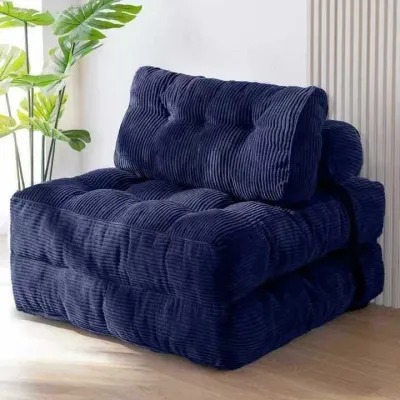
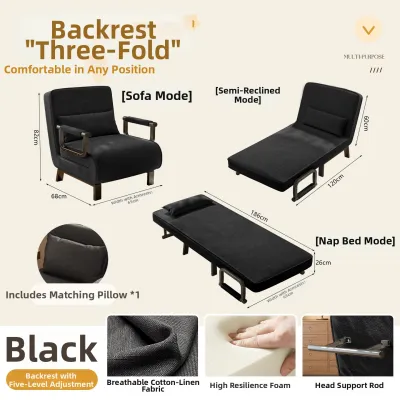
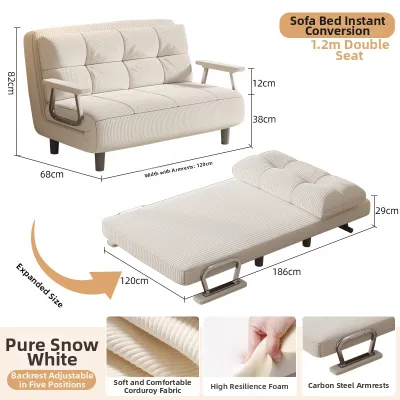
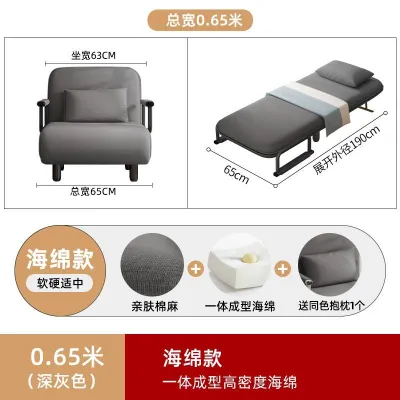
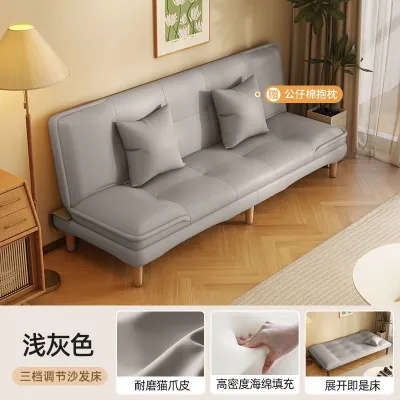
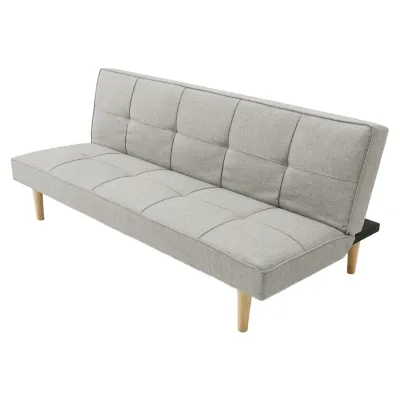
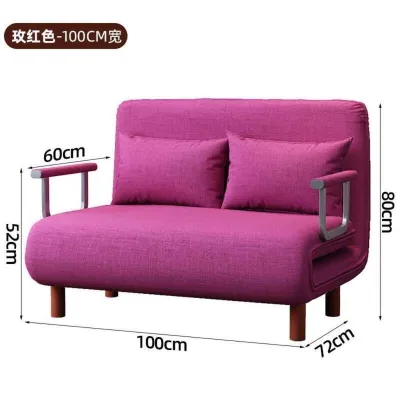
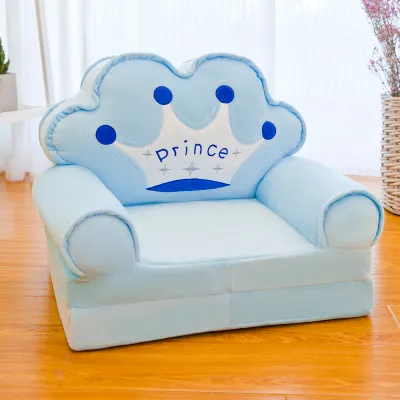
Prices are valid at publication and may change. Please refer to the product page for the latest price.
How to Measure Your HDB Living Room for a Sofa Bed
Before browsing online marketplaces or visiting local furniture showrooms, you must establish the maximum physical limits of your living room. Relying solely on standard Built-To-Order (BTO) or resale floor plans can lead to costly purchasing mistakes, as these diagrams do not account for real-world construction tolerances or on-site additions.
Begin by measuring the exact length and width of the wall or corner where you intend to place the sofa bed. Always measure from the floor level, taking into account the thickness of your skirting boards, which typically project 1.5 to 2 centimetres from the plaster wall. Failing to subtract this minor distance can prevent a tight-fitting sofa bed from sitting flush against the wall.
Next, identify and document all fixed architectural obstacles in the immediate vicinity. Look for structural columns, built-in television consoles, air-conditioner ledges, and electrical wall sockets. If your sofa bed needs to sit near a power outlet or internet port, ensure there is enough clearance to plug in cables without bending them sharply against the back of the furniture frame.
HDB layouts vary significantly across different flat types and construction eras. For instance, a 3-room BTO flat generally features a narrower living room width compared to an older 4-room or 5-room resale flat. Because of these structural variations, physical on-site measurement is a mandatory step that ensures your chosen furniture fits your specific unit perfectly.
Small Sofa Bed Sizes and HDB Space Compatibility
When shopping for a small sofa bed, the options generally fall into distinct size categories. Understanding how these categories translate to real-world HDB spaces helps narrow down your choices based on your household’s daily needs.

Single and Loveseat Options
Single and loveseat sofa beds, typically ranging from 1.2 to 1.5 metres in width, represent the most space-efficient configurations available. These compact designs are highly suited for 2-room Flexi flats, study rooms, or extremely narrow living areas where every square centimetre matters.
While these options excel at saving floor space, they come with distinct functional trade-offs. The sleeping surface of a single sofa bed is generally designed for one adult, which may limit your hosting capabilities. Additionally, you should verify the exact seat depth and cushion density to ensure that the unit remains comfortable for upright daytime sitting, as some ultra-compact models sacrifice seat depth to minimize their overall footprint.
Compact 2-Seater Options
Compact 2-seater sofa beds, measuring between 1.5 and 1.8 metres in width, serve as the standard recommendation for typical 3-room and 4-room HDB living rooms. This size category strikes an excellent balance between providing comfortable seating for two adults during the day and converting into a double-sized sleeping surface at night.
Choosing a compact 2-seater leaves sufficient breathing room on either side of the sofa for other essential living room furniture. You can easily pair this size with a standard television console, a small side table, or a slim coffee table without making the room feel overcrowded or visually cluttered.
Folded Depth vs. Unfolded Clearance
One of the most critical spatial dimensions to consider is the difference between the sofa bed’s folded depth and its fully extended, unfolded length. The folded depth refers to the space the unit occupies when used as a standard sofa, which typically ranges from 85 to 100 centimetres.
In contrast, the unfolded length represents the total distance the bed extends into the living room when converted, which can range from 1.9 to 2.2 metres. The specific folding mechanism you choose dictates how this space is used:
- Pull-Out Mechanisms: These models require substantial front clearance because the mattress rolls or slides forward from underneath the seating cushions. You must ensure that coffee tables or lounge chairs can be easily moved to accommodate this forward extension.
- Click-Clack and Futon Styles: These designs operate by flattening the backrest downward. While they require less front clearance, they often need a rear clearance gap of 10 to 20 centimetres from the wall to operate, meaning you cannot push the sofa completely flush against your wall unless you are willing to slide the entire frame forward every time you convert it.
- Tri-Fold Foam Styles: These lightweight options unfold directly onto the floor. They require clear floor space in front but do not rely on complex mechanical frames, making them easier to maneuver in tight corners.
Planning Walkways and Daily Movement
A sofa bed should never turn your living room into an obstacle course, whether it is folded or fully extended. Maintaining comfortable pathways is essential for preserving the livability and flow of your home.
According to standard residential design principles, primary walkways should maintain a clear width of at least 75 centimetres to allow comfortable passage for an adult. In highly compact spaces, you can reduce secondary pathways to 60 centimetres, but anything narrower will create an uncomfortable bottleneck.
To avoid disrupting daily household traffic, position the sofa bed away from high-traffic routes. Avoid placing it directly in front of balcony sliding doors, main corridor entrances, or the primary pathways leading to the kitchen and bedrooms. Having to climb over an unfolded bed to reach the bathroom or kitchen in the middle of the night is a major safety hazard and an inconvenience.
Furthermore, you must account for the swing radius of nearby fixtures. Measure the path of opening doors, wardrobe hinges, and low-hanging windows to ensure they do not collide with the sofa bed frame. If you have a ceiling fan installed, verify that the blade clearance is safe; a low-hanging ceiling fan can pose a safety risk to a person standing up from an unfolded sofa bed.
Navigating HDB Delivery and Access Constraints
A sofa bed that fits your living room perfectly on paper is of no use if it cannot be delivered into your home. Navigating the physical constraints of HDB common areas and entryways is a critical phase of the purchasing process.
Begin by measuring the lift doors and the interior cabin dimensions of your HDB block. Older housing estates in Singapore may feature smaller passenger lifts with narrow door openings or lower ceiling heights, which can restrict the transport of long, non-demountable sofa frames. You must also measure the width of the staircase landings in case the delivery team needs to carry the item up manually due to lift limitations.
Next, measure the clearance of your flat’s main entrance door, the width of the common corridor directly outside your unit, and any sharp turns inside your foyer. A narrow corridor can make it extremely difficult for delivery personnel to pivot a long sofa frame into your doorway.
To prevent delivery failures and unexpected return fees, share these precise dimensions with your furniture retailer before finalizing your purchase. Ask whether the sofa bed is shipped as a single fully assembled unit or if it can be flat-packed and assembled on-site inside your living room. Flat-packed models are highly recommended for homes with tight entryways and narrow corridors.
Selecting and Maintaining Fabric Sofa Beds
The material of your sofa bed plays a significant role in its durability, comfort, and longevity, especially given Singapore’s hot and humid tropical climate.
When selecting a fabric sofa bed, prioritize breathable, tightly woven textiles such as linen blends, cotton-polyester mixes, or high-performance synthetic fabrics. These materials resist trapping body heat and moisture, which is essential if the sofa bed is used frequently for sleeping without air conditioning. Avoid heavy velvet or low-grade synthetic fabrics that can feel sticky or warm in humid conditions.
Before applying any cleaning solutions or fabric protectors, always check the manufacturer’s care label attached to the sofa bed and follow the treated item’s specific instructions. For fabric sofa beds, removable and machine-washable covers are highly advantageous, as they allow you to maintain a hygienic sleeping surface easily.
To keep your fabric sofa bed in optimal condition, establish a simple maintenance routine. Vacuum the upholstery at least once a week using a soft brush attachment to remove dust, skin flakes, and pet dander, which can accumulate rapidly in humid environments. Additionally, try to position the sofa bed away from windows that receive prolonged, direct afternoon sunlight, as UV rays can fade fabric dyes and weaken the structural fibres over time.
Common Sizing Mistakes to Avoid
Avoiding common pitfalls during the selection process can save you from buyer’s remorse and layout headaches.
One of the most frequent errors is measuring only the folded footprint of the sofa while completely forgetting to allocate space for the unfolded bed length. You must ensure that there is still enough space to walk around the foot of the bed when it is fully extended.
Another common oversight is ignoring the extra bulk added by bedding accessories. While a sofa bed might fit flush when bare, adding thick mattress toppers, pillows, and heavy blankets can prevent the mechanism from folding back smoothly or cause the unit to press tightly against surrounding furniture.
Finally, remember to check the height of the sofa bed’s backrest in relation to your wall fixtures. A tall backrest can block low-hanging window sills, interfere with the airflow of wall-mounted air-conditioning units, or sit too close to wall-mounted light fixtures, disrupting both the aesthetics and the functionality of your living room.
Frequently Asked Questions (FAQ)
Can I place a sofa bed over an HDB floor trap?
An HDB floor trap, or inspection hatch, is a critical plumbing access point designed to allow town council contractors or plumbers to clear pipe blockages. These traps must remain fully accessible at all times for routine maintenance and emergency plumbing works.
Before finalizing your living room layout, consult your official HDB floor plan or physically inspect your floor tiles to locate any floor traps. Placing a heavy, solid-base sofa bed directly over a floor trap is highly discouraged, as moving a heavy piece of furniture during an urgent plumbing blockage can delay critical repairs and risk water damage to your sofa’s base.
If your layout forces you to place the sofa bed near or partially over a floor trap, choose a model with raised, sturdy legs that provide at least 15 centimetres of clear under-sofa clearance. This design allows access to the floor trap without requiring you to lift or relocate the entire sofa frame during an inspection.
Community discussion
Share your experience or ask a question. Comments are reviewed before publication.