
Finding the right sleeping sofa for a typical Singapore HDB living room requires balancing daily seating comfort with overnight sleeping functionality. Because HDB floor plans are highly optimized, the ideal sofa size depends heavily on your specific flat type—whether a cozy 3-room or a more generous 4-room or 5-room layout. Generally, a compact 2-seater or a streamlined 3-seater sleeping sofa with a total width of 1.5 to 2.0 metres offers the most versatile fit. This range provides ample seating without overwhelming the main walkway or blocking access to essential household features.
To make a sleeping sofa work seamlessly, you must look beyond the folded dimensions. The true test of compatibility is how the piece behaves when fully extended into a bed. By planning for both configurations and verifying your room’s physical boundaries, you can enjoy a dual-purpose living space that feels open, functional, and comfortable.
Measure Your HDB Living Room Before Buying
Before browsing online marketplaces or visiting local showrooms, you need a precise map of your living room’s available footprint. Start by measuring the primary wall against which the sleeping sofa will rest. This wall length determines the maximum width of your sofa, including any decorative armrests or side tables. Be sure to leave a small buffer on either side rather than filling the wall completely, which can make the room feel cramped.
Products mentioned in this guide
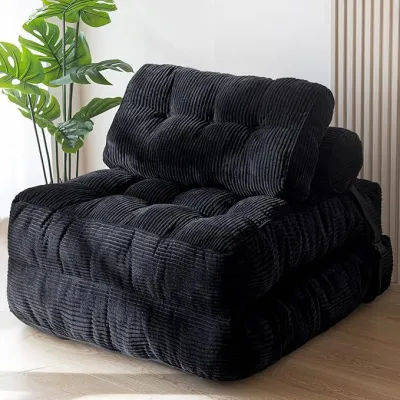
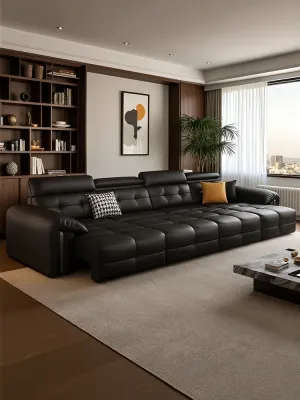
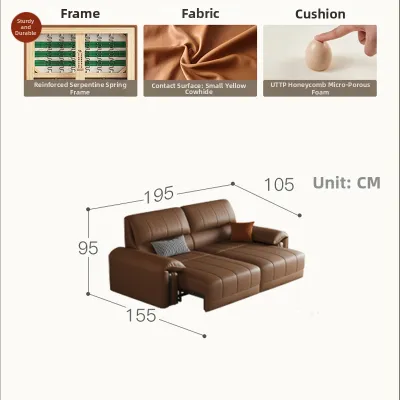
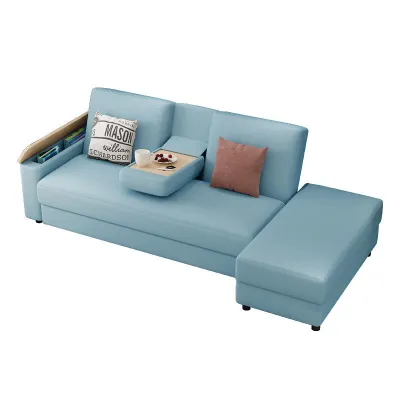
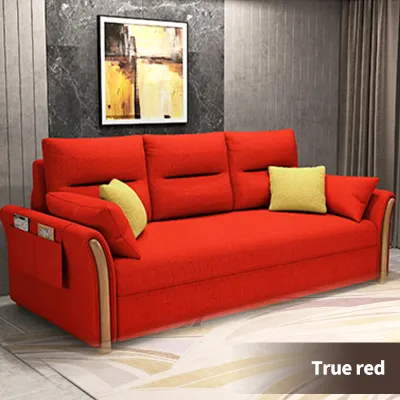
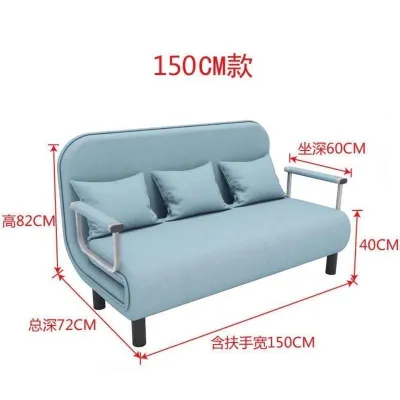
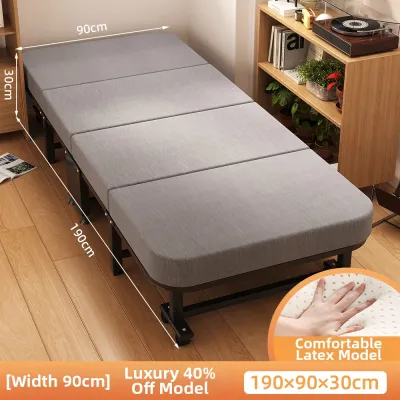
Prices are valid at publication and may change. Please refer to the product page for the latest price.
Next, measure the depth of the available floor space extending out from that primary wall. This step is critical because a sleeping sofa requires two distinct depth measurements: the folded seating depth and the fully deployed sleeping depth. Use painter’s tape to mark the exact footprint of the bed mechanism when it is fully extended into the room. This visual aid helps you see exactly how much floor space remains for movement when guests stay overnight.
Finally, identify and map out any fixed obstacles in the immediate vicinity. Look for low-hanging air conditioning units, wall-mounted electrical sockets, light switches, and internet ports that the sofa might block. Pay close attention to balcony sliding doors, window openings, and built-in cabinetry. A sofa that is too tall or too deep can restrict access to these features, turning a convenient furniture piece into a daily frustration.
Evaluate Sofa Dimensions and Walkway Clearances
When comparing sofa sizes, the choice usually comes down to a 2-seater or a 3-seater model. In standard HDB layouts, a 2-seater sleeping sofa (typically measuring between 1.2 and 1.6 metres in width) fits comfortably in smaller flats, leaving plenty of room for side tables or floor lamps. A 3-seater model (often ranging from 1.8 to 2.2 metres in width) offers more seating and a larger sleeping surface, but it requires a longer uninterrupted wall and can easily dominate a compact living room.

Maintaining comfortable walkways is essential for a functional home. As a general rule, aim for a minimum clearance of 60 to 75 centimetres around the sofa when it is folded. This space allows family members to walk past without squeezing. When the sofa is fully unfolded into a bed, the clearance can be tighter, but you should still maintain a clear path of at least 50 centimetres on at least one side of the bed to allow the sleeper to get in and out comfortably.
The folded depth of the sofa also impacts your daily layout, particularly the distance between the sofa and your television console or coffee table. A typical sofa depth ranges from 85 to 100 centimetres. If your living room is narrow, a deep sofa will push your coffee table too close to the TV console, restricting legroom and disrupting the flow of traffic. Opting for a shallower frame design helps preserve this central walkway.
Select Space-Saving Mechanisms and Practical Fabrics
The mechanism used to convert your sofa into a bed plays a major role in how much space it occupies. Click-clack designs are highly space-efficient because the backrest simply folds down flat, meaning the bed’s length runs parallel to the wall. This setup is ideal for narrow living rooms where extending a bed outward would block the entire room. Pull-out designs, where the bed extends forward into the room, require significant depth clearance but often provide a more traditional mattress feel.
Because an HDB living room is a high-traffic, multi-purpose environment, fabric selection is just as important as dimensions. Look for durable fabric options and check the manufacturer’s care labels for stain resistance and cleaning instructions. Removable, washable covers or fabrics treated for spill resistance are highly practical for daily seating and occasional sleeping. Avoid delicate materials that require professional dry cleaning if the sofa will see heavy daily use.
Additionally, pay close attention to the structural frame thickness. Some sleeping sofas feature thick, heavily padded backrests and wide armrests that add significant bulk without increasing the actual seating or sleeping surface. Choosing a model with a slim, engineered frame and narrow armrests maximizes the usable mattress size while keeping the overall external dimensions as compact as possible.
Avoid Common Sizing and Delivery Mistakes
One of the most common mistakes when buying a sleeping sofa is overlooking the swing radius of nearby doors. Ensure that the fully deployed bed frame does not block the main entrance, bedroom doors, or the path to the kitchen. Even a minor overlap can make it impossible to move around the flat safely at night.
Another frequent oversight is ignoring the visual weight of the furniture. A sofa with high, dark, and bulky armrests can make a small HDB living room feel incredibly small, even if the physical dimensions technically fit. Opting for lighter colours, raised legs that show some floor underneath, and low-profile backs can make the space feel much more open and airy.
Finally, always verify the delivery path before finalizing your purchase. Many older HDB blocks have smaller passenger lifts, narrow corridors, or tight stairwell turns. Measure the height and width of your flat’s entrance door, the lift door, and the lift cabin interior. Compare these measurements with the sofa’s packaged dimensions to ensure the delivery team can safely bring the piece into your home without damage.
Frequently Asked Questions (FAQ)
Can I place a sleeping sofa in front of the HDB household shelter?
No, you should avoid placing any large furniture, including a sleeping sofa, directly in front of the HDB household shelter door. Singapore civil defence regulations require the shelter door to remain fully accessible and unobstructed at all times. When planning your layout, measure the full swing radius of the heavy steel shelter door to ensure it can open completely without hitting the sofa, even when the sofa is fully extended into its sleeping configuration.
Will the sleeping sofa fit through my HDB lift and corridors?
To ensure a smooth delivery, you must measure the clearance of your HDB lift doors, the interior cabin height and depth, and any tight corners in your common corridor. Many sleeping sofas are delivered in large, heavy boxes that cannot be easily tilted. Check the manufacturer’s packaging dimensions and compare them against your building’s entry points. If your flat is located in an older block with narrower lifts, consider choosing a modular sleeping sofa that is delivered in smaller, self-assembled sections.

Community discussion
Share your experience or ask a question. Comments are reviewed before publication.