
Finding the right outdoor garden table set for a compact Singapore home is a balancing act between style, comfort, and strict physical boundaries. With modern HDB flats and condominiums designed to maximize internal living areas, balconies and living room corners often serve multiple purposes. Selecting furniture that is too large can turn a relaxing outdoor oasis into a cramped, frustrating bottleneck. Conversely, picking an undersized set might leave your balcony looking sparse and underutilized.
To achieve the perfect balance, you must look beyond the aesthetic appeal of a furniture set and focus on precise dimensions, functional clearance zones, and the unique environmental demands of Singapore’s tropical climate. By matching your available space to the correct seating capacity and layout, you can create an inviting dining or lounging area that feels spacious and operates seamlessly.
How to Measure Your Small Living Room or HDB Balcony
Before browsing online marketplaces or visiting local showrooms, you must establish the exact boundaries of your space. Begin by measuring the total length and width of the intended area using a metal measuring tape, which is less prone to sagging than fabric alternatives. Write down these numbers, but do not rely solely on wall-to-wall dimensions. In many Singapore homes, the actual usable floor space is significantly smaller than the blueprint suggests due to architectural features.
Products mentioned in this guide
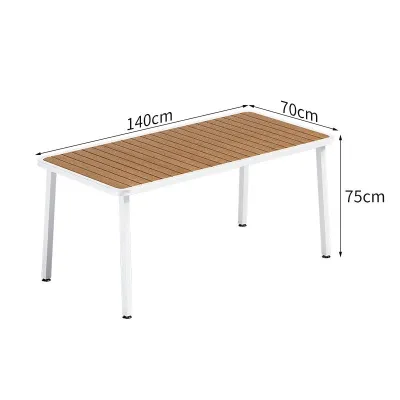
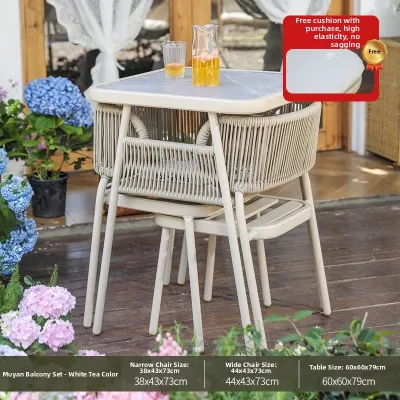
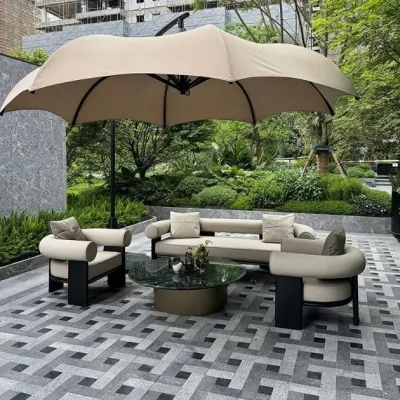
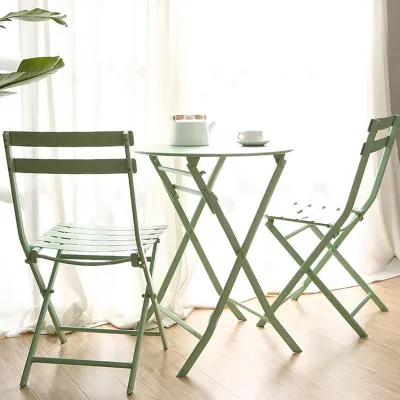
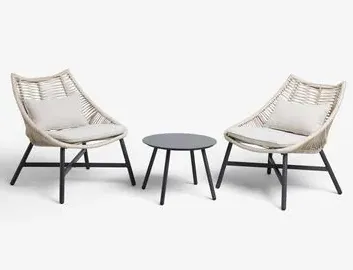
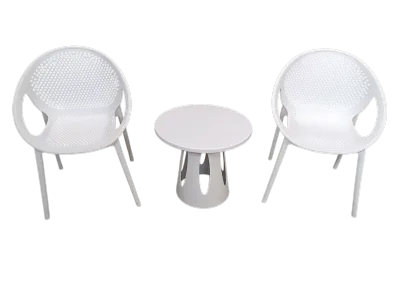
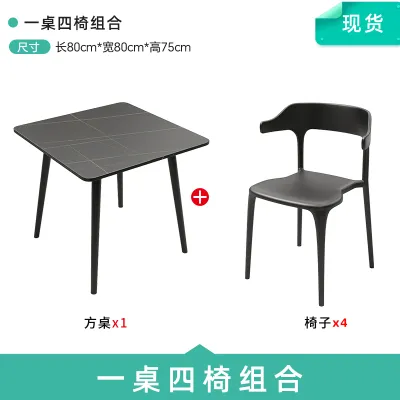
Prices are valid at publication and may change. Please refer to the product page for the latest price.
When measuring a balcony, pay close attention to the thickness of the parapet wall or glass railing system, which can encroach several centimeters into your floor area. Built-in planters, sliding door tracks, and skirting boards also reduce the flat surface area where furniture legs can rest. Take note of any fixed obstacles that cannot be moved, such as air-conditioning compressor ledges, structural columns, exposed water pipes, or wall-mounted utility boxes. These elements not only restrict where you can place a table but also dictate how chairs can be positioned around it.
Height clearance is another critical factor that is often overlooked. If you plan to use a patio umbrella, a tall bar-height table, or a folding table that stands upright when stored, measure the vertical distance from the floor to the ceiling. Ensure these items will not block windows, obstruct overhead lighting, or interfere with ceiling fans and automated clothes drying racks.
Finally, consider the logistics of delivery and installation. Measure the width and height of your home’s main entryway, the sliding doors leading to the balcony, and any narrow hallways. Do not forget to measure the internal dimensions of your estate’s passenger lift and its door opening. Large, fully assembled tables may not fit into standard HDB lifts, which can lead to unexpected delivery surcharges if the delivery crew has to carry the items up the stairs.
Matching Outdoor Table Sizes to Seating Capacity
The ideal size of an outdoor garden table set is determined by both the physical footprint of the table and the space required for the people using it. To ensure a comfortable dining experience, you must plan for both tabletop surface area and ergonomic seating requirements. Standard outdoor dining tables typically stand between 74cm and 76cm tall, while standard chair seats are around 45cm to 50cm wide. Keeping these baseline measurements in mind will help you visualize how different sets will scale within your home.

2-Seater Bistro Sets for Narrow Balconies
For narrow HDB balconies where depth is highly restricted, a compact 2-seater bistro set is often the most practical choice. These sets typically feature round or square tables measuring between 60cm and 80cm in diameter or width. This compact footprint allows two chairs to sit opposite each other without completely blocking the balcony’s main walkway. Bistro sets are highly efficient for enjoying a morning coffee, reading, or sharing casual light meals. However, their limited tabletop surface area is not suited for hosting elaborate multi-course dinners or accommodating large serving platters.
4-Seater Round and Square Tables for Compact Corners
If your balcony is slightly wider or you want to extend your living room dining area, a 4-seater set with a table width of 80cm to 100cm is a viable option. When choosing between a round or square shape, consider the flow of traffic. Round tables eliminate sharp corners, making it easier for family members to navigate tight spaces without painful bumps. On the other hand, square tables offer the unique advantage of versatility; they can be pushed flush against a wall or a glass sliding door when not in use, instantly reclaiming valuable floor space. To maximize efficiency, look for armless chairs, as they can be tucked completely under the table frame when empty.
Extendable and Drop-Leaf Tables for Flexible Use
For homeowners who love to host but want to maintain an open living space daily, extendable or drop-leaf outdoor tables offer an excellent compromise. These designs allow you to collapse the sides of the table for routine family use and expand them when guests arrive. Because these tables rely on moving parts, you must inspect the mechanism’s durability carefully. In Singapore’s highly humid and rainy environment, metal hinges, tracks, and slides are highly susceptible to rust and seizing. Prioritize tables built with marine-grade stainless steel hardware or smooth, powder-coated aluminum extension tracks, and check the manufacturer’s care instructions regarding regular lubrication.
Calculating Clearance for Chairs and Traffic Flow
A common mistake when buying an outdoor garden table set is assuming that if the table fits, the set fits. In reality, the physical tabletop is only a fraction of the required footprint. To prevent your balcony or living room from feeling like a cramped corridor, you must calculate the clearances needed for chairs and daily foot traffic.
The first calculation is the ‘pull-out zone.’ When a person sits down or stands up, they must slide their chair backward. To do this comfortably without hitting a wall, glass railing, or sliding door, you need to allow a clearance of 45cm to 60cm behind each chair. If your balcony is only 120cm deep and you place an 80cm-wide table in the center, you will only have 20cm of clearance on either side, making it nearly impossible to sit down comfortably. In such tight layouts, placing the table lengthwise against the railing or wall is a more functional arrangement.
Next, define the ‘traffic lane.’ This is the walking path required to move past the dining setup while others are seated. A functional walkway should be at least 60cm wide. If your table set forces family members to squeeze sideways or step over furniture legs to access the balcony door, the layout is too large.
You must also account for door swing clearance. If your living room features swing doors or if your balcony sliding doors require a wide opening, ensure the furniture does not block their full range of motion. To avoid costly purchase mistakes, use painter’s tape or flattened cardboard boxes to mock up the exact dimensions of the table and chairs on your floor. Leave this mockup in place for a day or two to test how the layout affects your daily movement through the space.
Space-Saving Furniture Features for Tight Layouts
When space is at a premium, look for specific design features that enhance versatility and ease of storage. Folding chairs and stackable stools are excellent solutions for small Singapore homes. When you need the balcony for other activities, such as hanging laundry or exercising, you can fold the chairs flat or stack the stools in a corner or utility closet.
For exceptionally narrow balconies, wall-mounted or railing-mounted drop-leaf tables are extreme space-savers. These tables fold completely flat against the wall or balcony barrier when not in use. However, before purchasing one, check HDB renovation guidelines and your condominium’s management rules (MCST). Drilling into structural columns, external building facades, or parapet walls is strictly regulated and often prohibited to maintain structural integrity and building aesthetics.
Material weight and stability are also crucial factors. Lightweight materials, such as powder-coated aluminum or high-quality synthetic rattan, make it easy to rearrange your furniture or move the entire set indoors during severe tropical downpours. However, if you live on a very high floor with strong corridor winds, ensure lightweight tables can be anchored safely or weighted down to prevent tipping. Conversely, heavy materials like solid teak, wrought iron, or natural stone tops can be incredibly difficult to shift. Lightweight sets also make cleaning much easier. Because Singapore balconies collect urban dust and soot quickly, you will need to wash the floor regularly; being able to lift and move your furniture effortlessly is a massive practical advantage.
Common Sizing and Placement Mistakes to Avoid
Avoiding these four common sizing and placement errors will ensure your outdoor garden table set remains a functional asset rather than a daily frustration:
- Ignoring Parapet and Railing Thickness: Many homeowners measure their balcony using the floor tiles but forget that the concrete parapet wall or metal railing system leans inward or has a wide top ledge. This can reduce the actual usable floor depth by 5cm to 10cm, which can prevent a tight-fitting table set from aligning properly.
- Overcrowding the Footprint: Forcing a 6-seater table into a space meant for a 4-seater set creates a cramped environment. Not only will guests feel squished, but the lack of breathing room will make the entire living area or balcony look smaller and cluttered.
- Blocking Air-Conditioning Compressors: HDB and condo balconies often house the outdoor air-conditioning condenser unit. Placing furniture directly in front of the compressor restricts hot air discharge, which reduces your air-conditioning system's cooling efficiency, increases your electricity bills, and violates maintenance access regulations.
- Obstructing the Floor Drain: Balcony floor drains must remain completely clear to handle sudden, heavy tropical rainstorms. Placing a heavy, solid-base table directly over the drain makes routine cleaning difficult and can cause water to pool and seep into your living room during a downpour.
Frequently Asked Questions (FAQ)
Can I use an outdoor garden table set inside my living room?
Yes, outdoor garden table sets can be used indoors, but you should take a few precautions. Outdoor furniture legs are often fitted with hard plastic caps or bare metal glides designed for rough concrete, which can easily scratch indoor vinyl, parquet, or polished tile flooring. To prevent damage, attach silicone caps or felt pads to the bottom of the legs. Additionally, keep in mind that outdoor cushions are filled with high-density, quick-drying foam and covered in weather-resistant fabrics, which may feel stiffer and less breathable than plush indoor upholstery.
How do I protect my balcony floor from heavy outdoor furniture?
To protect your balcony tiles or decking from scratches and scuffs, equip all furniture legs with durable rubber caps or non-slip silicone floor protectors. Avoid placing large, solid outdoor rugs under your table set. In Singapore’s humid climate, solid rugs trap moisture underneath, leading to mold growth, tile discoloration, and slippery surfaces. Instead, choose small, highly breathable, quick-drying mats that do not block the natural slope of the balcony floor toward the drainage outlet.
Community discussion
Share your experience or ask a question. Comments are reviewed before publication.