
Finding the right furniture for a compact Singapore HDB flat often feels like a balancing act between maximizing storage and preserving precious floor space. The ideal multipurpose rack size for a small HDB flat typically balances a shallow footprint of 30 to 45 centimetres in depth with a tall vertical profile of 150 to 180 centimetres, allowing you to exploit underutilised wall space without obstructing daily foot traffic. By focusing on verticality and selecting modular configurations, you can significantly increase your home’s holding capacity while keeping walkways clear and maintaining an open, airy aesthetic.
How much floor and vertical space can you actually dedicate to a new rack?
You can determine the exact space available for a new rack by measuring your clear floor area and vertical clearance while subtracting structural protrusions and required access pathways. Before browsing online marketplaces or visiting showrooms, use a metal measuring tape to map out the physical boundaries of your intended installation site.
When measuring the floor footprint, do not simply measure from wall to wall. You must account for skirting boards, which typically protrude 1.5 to 2 centimetres from the wall and prevent furniture from sitting completely flush. Additionally, locate all wall-mounted fixtures such as power outlets, light switches, internet ports, and water pipes. Placing a rack directly in front of these utilities can restrict access or bend cables dangerously, meaning you may need to offset the rack’s position or select a unit with an open back.
Products mentioned in this guide
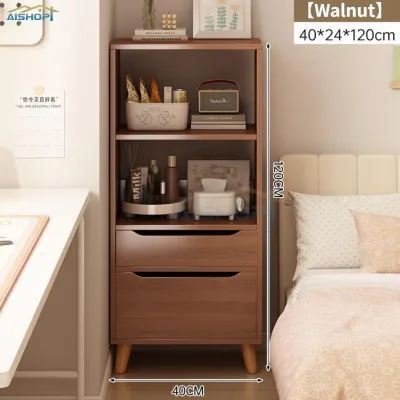
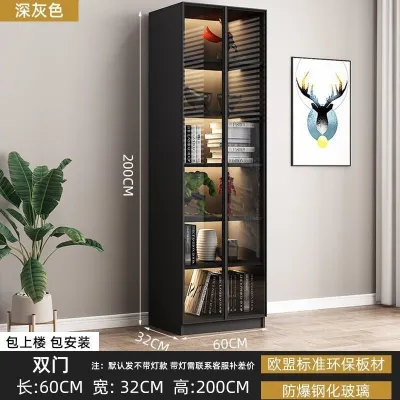
1 Lazada user ratings
There’s a lot paint drop off and I need to buy a pen to colour it and with this price I think it can come at a much better quality..
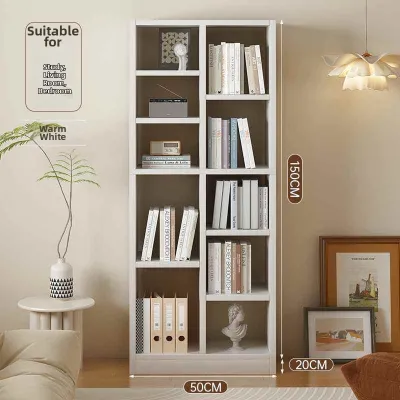
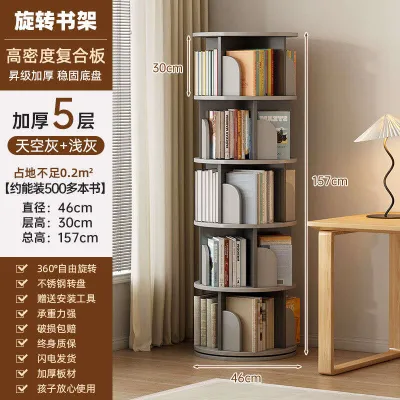
8 Lazada user ratings
The bookshelf looks great when put together!! It can store books in half a cabinet without taking up space by the sofa, making it easy to pi…Read full reviewShow less
The bookshelf looks great when put together!! It can store books in half a cabinet without taking up space by the sofa, making it easy to pick up!!
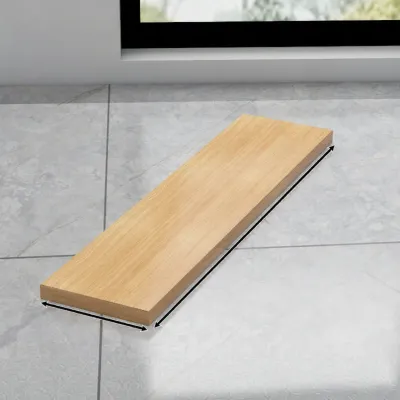
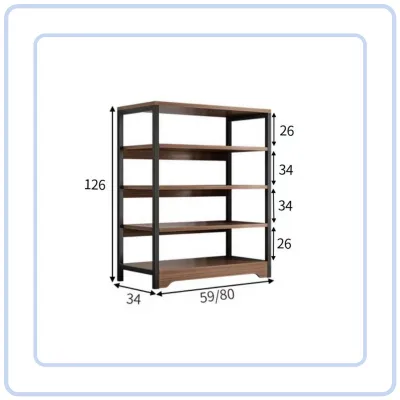
9 Lazada user ratings
The board is all solid pine, and the custom size is super precise. The seller is really great!
The wood is all solid pine, and the custom dimensions are really precise. The seller is great!
Design:Eye-catching, Safety:Meets safety standards, 🎨 Design:Custom made option,
Took many weeks, box smashed screws everywhere, but board intact
Prices are valid at publication and may change. Please refer to the product page for the latest price.
Vertical space requires equal attention, especially in HDB flats where ceiling heights generally range from 2.6 to 2.8 metres. Measure the distance from the floor to the lowest overhead obstruction, which might include ceiling fans, air conditioning units, structural beams, or light fixtures. A tall rack placed too close to a ceiling fan poses a severe safety hazard, while placing it directly under an air conditioner can block airflow or make routine filter maintenance incredibly difficult.
Finally, evaluate the surrounding clearance needed for daily household activities. Ensure that the footprint of the rack does not impede the swing paths of nearby doors, kitchen cabinets, or windows. Walkways require a minimum clearance of 60 centimetres for comfortable passage, though 90 centimetres is highly recommended for high-traffic areas like entryways and corridors. Do not forget to verify the delivery route; measure your flat’s main entrance, internal doorways, and even the estate’s lift dimensions to ensure the packaged or pre-assembled rack can safely reach its final destination.
What depth and width dimensions prevent a multipurpose rack from overcrowding a compact room?
Selecting a rack depth of 30 to 40 centimetres for narrow corridors and up to 45 to 60 centimetres for living areas prevents visual clutter while maintaining functional storage capacity. Choosing the wrong depth can quickly turn a helpful storage solution into a physical bottleneck that disrupts the flow of your home.

For narrow spaces such as HDB foyers, household shelter corridors, or service yards, shallow-depth racks are highly effective. A depth of 30 centimetres or less is sufficient for holding shoes, folded umbrellas, cleaning supplies, or small pantry items without protruding into your walking path. In contrast, wider communal areas like the living room or dining space can accommodate standard depths of 40 to 45 centimetres, which are ideal for holding storage boxes, books, or medium-sized home appliances.
To ensure your chosen depth is practical, always balance the shelf dimensions with the actual size of the items you intend to store. If you plan to use plastic storage bins or fabric baskets to organize your belongings, measure these containers beforehand. Items that overhang the edge of a shelf not only look untidy but also increase the risk of accidental spills and damage. Conversely, choosing a rack that is unnecessarily deep for small items leads to wasted space at the back of the shelf, where items can easily become forgotten or inaccessible.
Width is the final piece of the footprint puzzle. Standard multipurpose racks typically come in widths ranging from 60 to 120 centimetres. While a wider rack offers more continuous storage, it also exerts greater visual weight on a small room. If you have a tight corner, a narrow but tall rack is often more visually appealing and space-efficient than a wide, low unit. Always verify the base footprint against your measured floor area to ensure the unit fits proportionally within the room’s layout.
How can you safely maximize vertical storage without compromising stability in an HDB layout?
You can safely maximize vertical storage by selecting a tall rack that utilizes wall-anchoring hardware compatible with your specific HDB wall type. Utilizing vertical space is one of the most effective ways to increase storage capacity in a compact flat, but tall furniture naturally carries a higher risk of tipping over.
When selecting the height of your rack, consider both room proportions and reachable storage zones. Racks standing between 150 and 180 centimetres tall offer an excellent balance of high capacity and accessibility. For daily-use items, utilize the “active zone” between waist and shoulder height, where you can reach items easily without bending down or stretching. Reserve the highest shelves—those above 180 centimetres—for lightweight, seasonal, or rarely used items, and ensure you have a stable step stool nearby to access them safely.
Because tall units are inherently top-heavy, reviewing the manufacturer’s instructions for mandatory wall anchoring is essential. Any rack exceeding 120 centimetres in height should be securely fastened to the wall behind it to prevent accidental tip-overs, which can occur if someone pulls on a shelf or if the unit is loaded unevenly. Never skip this step, even if the rack feels stable upon initial assembly.
To anchor the rack securely, you must identify your specific wall type to ensure you use compatible mounting hardware. Most HDB flats feature solid concrete structural walls or precast concrete internal walls, which require a masonry drill bit, plastic wall plugs, and sturdy screws. However, some internal partition walls are made of drywall, which cannot support heavy loads using standard concrete plugs. Drywall installations require specialized hollow-wall anchors or toggle bolts that grip the back of the board. If you are anchoring a rack near a household shelter, be aware that drilling into the reinforced concrete walls of a household shelter is strictly regulated; consult official guidelines before proceeding with any structural drilling.
How do adjustable and modular features change the effective capacity of your chosen size?
Adjustable and modular features increase a rack’s effective capacity by eliminating wasted vertical gaps between shelves and allowing the system to expand as your storage needs evolve. Fixed-shelf units often force you to store items of varying heights on the same level, leaving large pockets of empty, unusable air space above shorter objects.
Racks equipped with adjustable shelf intervals allow you to customize the height of each tier to match your belongings precisely. If you are storing tall kitchen appliances, you can increase the clearance of a single shelf while keeping the remaining shelves tightly spaced for flatter items like baking trays or plates. This flexibility ensures that every cubic centimetre of the rack’s physical dimensions is actively utilized, effectively doubling the usable capacity compared to a rigid, fixed-shelf design of the same external dimensions.
Modular shelving systems offer the added benefit of horizontal or vertical expandability. Instead of replacing your entire storage system when your household grows, you can purchase compatible add-on units, corner modules, or extra shelves that integrate seamlessly with your existing frame. This modular approach is highly cost-effective and ensures your furniture can adapt to changing life stages, such as transitioning a study room into a nursery or expanding a pantry setup.
When evaluating modular options, always check the product labels for load distribution guidelines to prevent structural damage. Materials like wooden shelving or metal frames have specific weight limits that must not be exceeded. Keep in mind that a material name alone, such as “wooden,” does not guarantee durability or moisture resistance; you must inspect the quality of the joints, the protective finish, and the manufacturer’s care instructions. To maintain stability and prevent the shelves from sagging over time, distribute weight evenly across each tier, placing the heaviest items on the bottom shelves and lighter items near the top.
Community discussion
Share your experience or ask a question. Comments are reviewed before publication.