
To find the best magazine rack size for a compact Singapore HDB flat with modular shelving, you must prioritize alignment with your shelving’s physical footprint and load limits. A depth of 30 to 40 centimeters is generally ideal, as it matches standard modular shelf depths and prevents the rack from overhanging into narrow walkways. By choosing a slim, vertically oriented rack and verifying your shelf’s weight capacity, you can keep your reading materials organized without sacrificing precious floor space.
Integrating a magazine rack into modular shelving requires a careful balance of dimensions, weight distribution, and accessibility. In a small home, a poorly sized rack quickly becomes a physical obstacle or a visual clutter point. Selecting the right size involves assessing your flat’s layout, measuring your existing shelving units, and choosing a configuration that matches your daily habits.
Understanding Spatial Realities in Compact HDB Layouts
Living in a modern Singapore HDB flat, whether it is a cozy 3-room BTO or a older, renovated unit, requires a strategic approach to space planning. Living rooms and study areas in these flats often serve multiple purposes, pulling double duty as home offices, play areas, and relaxation zones. With limited floor space and narrow corridors—which are frequently less than 1.2 meters wide—every piece of furniture must justify its footprint.
Products mentioned in this guide
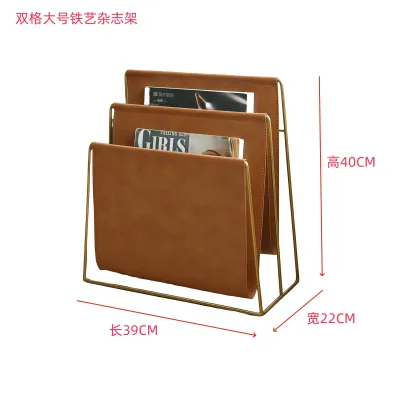
![[SG Stock] Abel Nested Magazine Rack (3-in-1) | Desk Organiser | Document Rack | File Holder](https://img.lazcdn.com/g/p/62d8f8a90d1044bc22e6230cebcacaed.jpg_400x400q80.jpg_.webp)
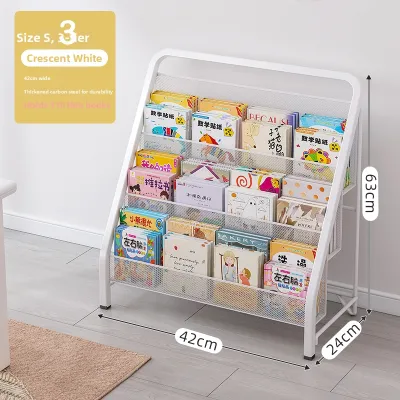
![[SG Stock] CENTRE PVC Magazine Holder | File Organiser | Collapsible Magazine Rack| Foldable Magazine Holder](https://img.lazcdn.com/g/p/08c6f12c5b275837ed5840df093abeb9.jpg_400x400q80.jpg_.webp)

Prices are valid at publication and may change. Please refer to the product page for the latest price.
Choosing the wrong size for a magazine rack can disrupt the flow of these compact spaces. A rack that protrudes even a few centimeters too far into a walkway can catch on clothing, stub toes, or block the smooth passage of family members. Maintaining clear traffic paths is essential to keeping a small home functional and comfortable.
Beyond physical obstruction, bulky or poorly scaled furniture carries significant visual weight. Solid, dark, or oversized magazine racks block light and sightlines, making a small room feel instantly more cramped. Opting for slim profiles, open wireframes, or light-colored materials helps preserve a sense of openness, allowing your living area to feel larger and more inviting.
Matching Magazine Rack Dimensions to Your Modular Shelving
Integrating a magazine rack into a modular shelving system is an excellent way to save floor space, but it requires precise physical compatibility. If the rack does not fit the shelf’s grid, it will look out of place and compromise the stability of the entire setup.

Aligning with Shelf Widths and Depths
Before purchasing a magazine rack, use a metal tape measure to record the exact internal width, height, and depth of your modular shelving compartments. Standard modular cubes often measure around 33 by 33 centimeters, while other open shelving units may have depths ranging from 28 to 40 centimeters. Knowing these precise figures prevents purchasing errors.
When choosing a rack to place inside a shelf, always leave a clearance gap of at least 1.5 to 2 centimeters on all sides. This small buffer ensures you can slide the rack in and out easily without scratching the shelf’s interior finish. It also allows for adequate airflow, which is crucial in Singapore’s humid climate to prevent moisture buildup and musty odors on paper pages.
Avoid selecting a magazine rack that exceeds the depth of your shelving unit. An overhanging rack creates an uneven distribution of weight, making it prone to tipping forward when you pull a magazine out. Furthermore, an overhang breaks the clean lines of your modular system and creates a constant physical hazard in high-traffic areas.
Checking Weight Capacity and Adjustability
Magazines, catalogs, and books are deceptively heavy. A single glossy magazine can easily weigh 300 to 500 grams, meaning a collection of twenty magazines can quickly reach 6 to 10 kilograms. When you add the weight of a heavy metal or solid wood rack, the total load can strain your shelving system.
Before loading your shelf, consult the manufacturer’s manual to verify the maximum weight capacity per shelf level. Standard particleboard or medium-density fibreboard (MDF) modular shelves typically support between 5 and 15 kilograms, depending on their thickness and support brackets. Exceeding these limits can cause the shelves to sag, bow, or fail structurally over time.
If your modular shelving system features adjustable shelves, take advantage of this flexibility. Repositioning the shelf pegs allows you to create a taller compartment to accommodate vertical magazine racks or document files. This adjustment ensures you can retrieve magazines easily without having to tilt them at awkward angles, which can damage the covers or scrape the shelf above.
Choosing the Right Rack Configuration for Limited Floor Space
Different magazine rack designs utilize space in distinct ways. Depending on your flat’s layout and the design of your modular shelving, you can choose from three primary configurations.
Freestanding and Floor-Level Racks
Freestanding magazine racks are highly versatile and can be moved around as your layout needs change. They are particularly useful for filling awkward, unused spaces in your living room, such as the narrow gap between the side of a sofa and a wall, or right next to a reading armchair.
When selecting a floor-level rack for a small flat, look for a slim profile with a width of 15 centimeters or less. It is also vital to check that the rack has a stable, weighted base. A low center of gravity prevents the rack from tipping over if it is accidentally bumped in a busy household.
Wall-Mounted and Hanging Options
Wall-mounted magazine racks are the ultimate space savers because they keep your floors completely clear. This makes floor cleaning and vacuuming much easier and creates a more spacious, streamlined look in your living room or study.
Before installing a wall-mounted rack, you must identify your wall type. Singapore HDB flats typically feature a mix of concrete structural walls and lightweight internal partition walls (drywalls). Concrete walls require a masonry drill and heavy-duty wall plugs, while drywalls require specialized toggle bolts. Always check HDB renovation guidelines to ensure you do not drill into structural columns or concealed utility lines.
For renters or those who prefer a damage-free setup, hanging options are an excellent alternative. Over-the-door racks or hook-on organizers can hang directly from the side panels of your modular shelving unit. These options provide vertical storage without requiring any drilling or permanent alterations to your home.
Shelf-Inserts and Modular Add-Ons
Shelf-inserts are designed to slide directly into the existing compartments of your modular shelving. These inserts, often made of lightweight wire, acrylic, or canvas fabric, divide a single shelf cube into multiple vertical slots, keeping your magazines upright and organized.
Using inserts keeps your collection neatly contained within the footprint of your existing furniture, requiring zero extra floor or wall space. They also allow you to categorize your reading materials by genre, date, or family member, making retrieval simple and efficient.
Modular add-ons, such as side-hanging pockets or metal brackets, attach to the exterior frame of your shelving unit. These accessories utilize the often-wasted vertical space on the outer sides of your bookshelf, providing quick-access storage for current reading materials while keeping the main shelves clear for other decorative items.
How to Measure Your Space and Verify Clearances
To ensure your new magazine rack fits perfectly and functions smoothly, follow these practical measurement steps before making a purchase.
- Step 1: Measure the primary dimensions. Use a metal measuring tape to record the exact height, width, and depth of the spot where you plan to place the rack. If it is going inside a modular shelf, measure the internal opening rather than the external frame.
- Step 2: Check for physical obstructions. Look closely at the surrounding area. Note the presence of wall skirting boards, which can prevent a floor rack from sitting flush against the wall. Check for nearby power outlets, light switches, or protruding shelf brackets that might reduce the usable depth or block access.
- Step 3: Verify operational clearances. A magazine rack needs more than just physical space to sit; it needs space to be used. Ensure there is enough clearance in front of and above the rack to comfortably reach in, grab a magazine, and pull it out without hitting adjacent furniture, walls, or the shelf above.
- Step 4: Use painter's tape to visualize. Use low-tack painter's tape to outline the physical footprint and height of the magazine rack on your floor, wall, or shelf. This simple visual aid helps you assess the scale of the item in your actual room and ensures it does not block natural walkways before you buy.
Common Sizing and Placement Mistakes to Avoid
Avoiding a few common pitfalls can save you from purchasing a magazine rack that is impractical or unsafe for your home.
- Ignoring the depth of your modular shelving: Buying a rack that is too deep results in an unsightly overhang. This not only looks unbalanced but also creates a protrusion that is easily bumped in narrow HDB corridors.
- Overloading lightweight shelves: Placing a heavy metal rack filled with thick catalogs on a thin, non-reinforced modular shelf can lead to bowing or structural failure. Always respect the manufacturer's load limits.
- Blocking natural walkways: Placing a floor-level rack in a high-traffic path, such as next to a doorway or in a narrow hallway, creates a constant tripping hazard. Keep floor racks tucked into corners or alcoves.
- Choosing rigid, non-adjustable configurations: If your modular shelving has fixed heights, buying a tall, rigid magazine rack might prevent you from adjusting your layout in the future. Opt for flexible, modular inserts that can adapt to changing storage needs.
Frequently Asked Questions (FAQ)
Can I use a heavy metal magazine rack on a glass modular shelf?
Before placing a metal magazine rack on a glass shelf, you must check the glass thickness and the manufacturer’s stated weight limit. Most modular glass shelves are made of tempered glass but have lower load capacities than wooden or metal shelves. To prevent scratches and slippage, place felt pads or rubber bumper grips on the bottom of the metal rack, and avoid overloading it with heavy stacks of paper.
How do I prevent a tall, freestanding magazine rack from tipping over?
To prevent a tall freestanding rack from tipping, prioritize models designed with a wide, heavily weighted base that keeps the center of gravity low. For maximum safety, especially in households with young children or active pets, anchor the rack to the wall or to the frame of your modular shelving unit using furniture safety straps or brackets. Always follow the manufacturer’s instructions for secure anchoring.
Community discussion
Share your experience or ask a question. Comments are reviewed before publication.