
Finding the right handbag stand for a compact Singapore apartment requires balancing vertical storage capacity with a minimal floor footprint. In typical Housing & Development Board (HDB) flats and condominiums, entryway and bedroom space is highly prized. A stand with a base diameter of 30 to 35 centimeters and a height of 150 to 170 centimeters generally offers a practical compromise. This size provides sufficient vertical clearance for multiple bags without protruding into high-traffic walkways or overwhelming the visual scale of a cozy room. Selecting the right unit involves analyzing your specific floor layout, your daily bag rotation, and the structural stability of the furniture.
Measuring Your Available Space and Traffic Flow
Before purchasing any furniture, you must determine the exact physical footprint your room can accommodate. Start by measuring the floor area where you plan to place the stand, keeping in mind that skirting boards or baseboards can prevent a flat-backed or wide-based stand from sitting flush against the wall. A stand that sits even a few centimeters away from the wall can migrate into walking paths, creating a tripping hazard in tight spaces.
Next, map out the clearance zones for nearby doors, wardrobe panels, and drawers. In compact Singapore bedrooms, a handbag stand placed too close to a wardrobe can block sliding doors or prevent swing doors from opening fully. Ensure there is at least 60 centimeters of clear walkway space around the stand when it is fully loaded with bags. This prevents you from bumping into your collection as you move through the room.
Products mentioned in this guide
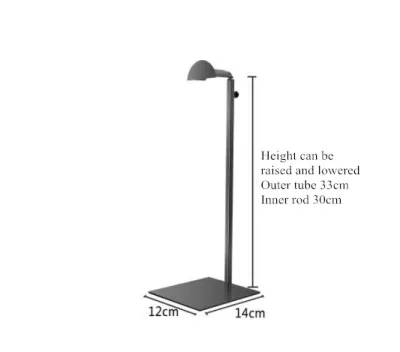
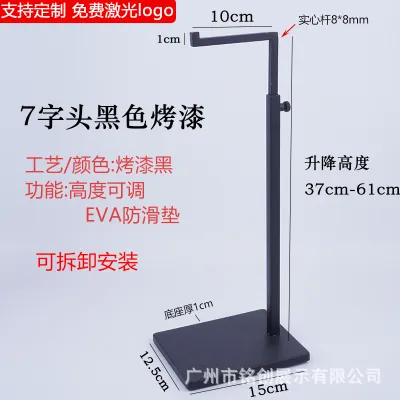
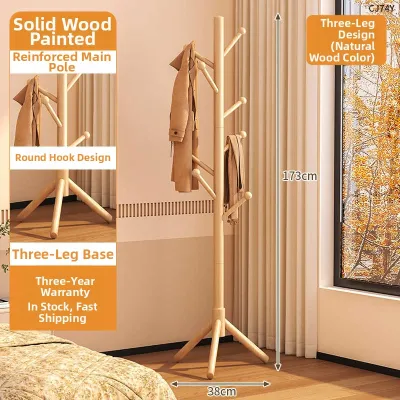

Prices are valid at publication and may change. Please refer to the product page for the latest price.
Finally, consider the visual weight of the stand. A thick, dark wooden stand can make a small room feel cramped and cluttered. Conversely, a slender metal frame with a light finish preserves the open feel of the space. Pay attention to how the height of the stand interacts with your ceiling. Standard HDB ceilings are typically around 2.6 meters high, so a stand that is too tall can look disproportionate and make the ceiling feel lower than it actually is.
Matching Stand Dimensions to Your Handbag Collection
The physical dimensions of your handbag stand must align with the specific shapes and sizes of the bags you use most frequently. Different bag styles require different vertical clearances. For instance, tall tote bags with long shoulder straps need higher hook placements to prevent them from dragging on the floor or draping over lower tiers. Smaller clutches and crossbody bags can be grouped on lower hooks or dedicated shelves.

To prevent your bags from crushing one another, compare the stand’s hook span and base width against the widest items in your collection. If the hooks are positioned too close together, wide structured bags will overlap, causing them to lose their shape or suffer scratches on their hardware. Look for stands with staggered hooks or adjustable tiers that allow you to customize the spacing based on your current collection.
It is also wise to design your storage around your daily rotation rather than your entire handbag collection. Attempting to display every single bag you own on a single stand in a small apartment inevitably leads to an oversized, cluttered unit. Instead, select a compact stand that holds three to five of your most frequently used bags, and store the rest of your seasonal or formal bags in protective dust bags inside your wardrobe.
Choosing the Right Form Factor for Compact Layouts
The structural design of your handbag stand plays a crucial role in how well it integrates into a compact layout. Freestanding towers are highly popular because they require no drilling and can be easily relocated. However, if floor space is exceptionally limited, wall-mounted racks or over-the-door organizers offer excellent alternatives. When choosing wall-mounted options, consider your wall type; concrete walls common in Singapore HDB flats require heavy-duty masonry drills and anchors, whereas drywall partitions in newer condos require specialized hollow-wall anchors. If you are renting, over-the-door hangers avoid permanent wall damage entirely.
For highly flexible spaces, foldable or collapsible handbag stands can be tucked away when not in use. If you choose a collapsible model, carefully inspect the locking mechanisms and joint rigidity. A flimsy folding stand can easily buckle under the weight of several structured bags.
Multi-functional furniture is another excellent way to optimize limited square footage. Look for handbag stands that integrate secondary storage features, such as a small lower shelf for shoes, a built-in umbrella holder, or a small bench seat at the base. These hybrid designs ensure that every square centimeter of floor space dedicated to the stand serves multiple practical purposes.
Ensuring Stability and Weight Distribution
A narrow handbag stand can easily become top-heavy and pose a tipping hazard, especially in homes with active households. To ensure safety, examine the base-to-height ratio of the stand before buying. A tall stand with a narrow, lightweight base is inherently unstable. Look for models that feature a heavy marble, cast iron, or solid wood base that lowers the center of gravity. If a weighted base is not an option, select a stand that includes anti-tip wall straps to secure the frame directly to the wall.
Always check the manufacturer’s specified weight capacity for both individual hooks and the entire stand. While a handbag might feel light when empty, a fully loaded leather bag containing a laptop, water bottle, and personal items can weigh several kilograms. Exceeding the recommended load limit can bend the hooks, warp the frame, or cause the entire unit to collapse.
To maintain optimal stability, practice smart loading habits. Always place your heaviest bags on the lowest hooks or shelves to keep the center of gravity as close to the floor as possible. Distribute the weight evenly around the stand rather than hanging all your heavy items on one side, which can cause the stand to lean and eventually tip over.
Common Sizing and Placement Mistakes
One of the most common mistakes is overestimating how many bags a small stand can realistically hold. Overcrowding hooks not only looks messy but also puts unnecessary stress on bag handles, leading to permanent creasing or tearing of delicate leather straps.
Placement is just as important as size. Avoid placing your handbag stand in areas exposed to direct sunlight or high humidity, such as right next to a large window or adjacent to a bathroom door. Singapore’s tropical climate can accelerate the deterioration of leather, synthetic materials, and metal hardware. High humidity can encourage mold growth on natural fibers, while direct sunlight can fade colors and dry out leather, causing it to crack.
Lastly, do not forget to check the shipping and delivery dimensions. While the assembled stand might fit perfectly in your designated corner, the shipping box must be able to navigate narrow HDB corridors, passenger lifts, and tight apartment doorways. Verify the packaging dimensions beforehand to ensure a smooth delivery and assembly process.
Frequently Asked Questions (FAQ)
Can I use a standard clothing rack as a handbag stand?
While you can hang bags on a standard clothing rack, it is often not the most space-efficient or protective solution for small apartments. Clothing racks typically have a wider horizontal footprint designed for hangers, which takes up valuable floor space without offering specialized support for bag straps. The lack of staggered hooks can cause bags to bunch together, leading to deformed handles and scuffed surfaces. A dedicated handbag stand utilizes vertical space more efficiently and features hooks designed to cradle straps without damaging them.
How do I prevent a tall handbag stand from tipping over in a small space?
To secure a tall, narrow handbag stand, start by placing your heaviest items on the lowest hooks to lower the center of gravity. If the stand is positioned against a wall, install an anti-tip strap or bracket to anchor the top of the frame to the wall structure. For freestanding units on hard floors, adding adhesive rubber grip pads to the bottom of the base can prevent sliding and minor wobbling. Avoid hanging heavy bags on only one side of the stand; always distribute the weight symmetrically around the center pole.
Community discussion
Share your experience or ask a question. Comments are reviewed before publication.