
Choosing the right size glass TV cabinet requires balancing the physical dimensions of your television, the layout of your living room, and the structural limits of the glass panels. A well-proportioned cabinet ensures visual harmony, prevents physical overhang, and safely supports your media equipment. In compact living spaces, such as Singapore’s HDB flats and condominiums, selecting the correct dimensions also ensures smooth foot traffic and comfortable viewing angles.
Glass TV cabinets offer a sleek, modern aesthetic that can make smaller living rooms feel more open due to their reflective and transparent qualities. However, because glass has specific load-bearing characteristics and fixed dimensions, precise planning is essential before making a purchase. By measuring your space accurately and understanding how to match your cabinet to your television, you can find a piece that is both functional and visually appealing.
Measure Your Wall Space and Viewing Distance
Before browsing designs, you must determine the maximum footprint your living room can accommodate. Begin by measuring the width of the wall where you plan to place the cabinet. Do not rely on a simple wall-to-wall measurement; instead, account for skirting boards, light switches, power outlets, and any adjacent furniture. The cabinet must fit comfortably within this designated area without blocking access to wall sockets or overlapping with doorways and walkways.
Products mentioned in this guide
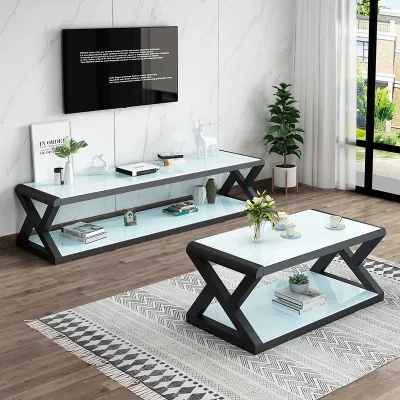
![[CozyNest ]TV Cabinet Living Room Solid Wood TV Cabinet Integrated Glass Storage Cabinet 160/180/200cm](https://img.lazcdn.com/g/p/09bf21ec8eeca5dd3f45d99cb909f978.jpg_400x400q80.jpg_.webp)
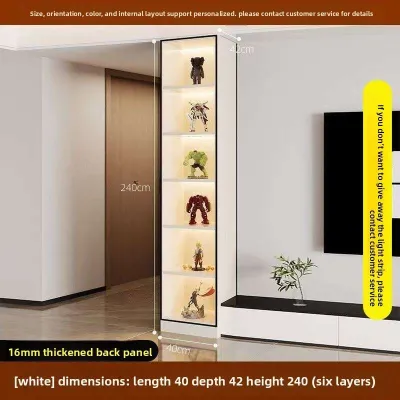
![[CozyNest ]Solid wood rock plate TV cabinet / Glass high cabinet for living room / Integrated storage cabinet / TV cabinet](https://img.lazcdn.com/g/p/46646f6c4a5ba9fe7a138b1dbca319ce.jpg_400x400q80.jpg_.webp)
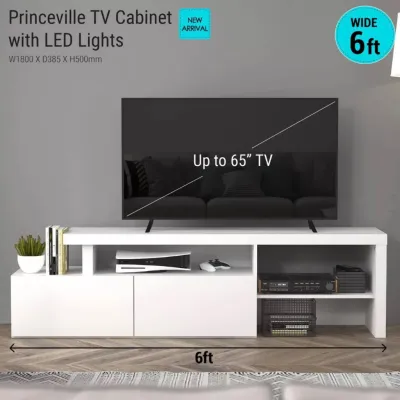
Prices are valid at publication and may change. Please refer to the product page for the latest price.
Viewing distance is another critical factor that influences both your TV size and the ideal height of your cabinet. To ensure a comfortable viewing experience, the distance between your sofa and the television screen should allow you to watch without straining your eyes or neck. While higher-resolution screens permit closer seating, the physical presence of the cabinet must still align with the room’s layout. A cabinet that is too deep can restrict movement in narrow living rooms, making the space feel cramped.
Pathway clearance is especially important in high-traffic areas. Measure the distance between the front of the proposed cabinet and other furniture pieces, such as a coffee table or the edge of your sofa. Ensure there is sufficient space for household members to walk past comfortably without bumping into corners. If the cabinet features doors or drawers, verify that they can open fully without obstructing the walkway or hitting other objects.
Match the Cabinet Width to Your TV Screen
To achieve visual balance, your TV cabinet should always be wider than the television itself. A common design guideline is to choose a cabinet that extends at least 10 to 15 centimeters beyond the edges of the TV screen on both sides. This extra width creates a balanced, grounded look and prevents the television from appearing top-heavy. It also provides a safety buffer, reducing the risk of the TV being bumped or knocked over.

Glass TV cabinets have a unique visual property compared to solid wood or metal units. Because glass is transparent or semi-transparent, it carries less “visual weight,” meaning a large glass cabinet can make a room feel less cluttered and more spacious. However, you must still ensure the physical dimensions match the scale of your television. If you opt for a tinted, frosted, or black glass cabinet, keep in mind that these materials have a slightly heavier visual presence than clear glass and may require a bit more breathing room.
When calculating width, do not rely solely on the advertised screen size of your television, as this measurement is diagonal. Instead, use a tape measure to find the actual physical width of the TV from the outer edges of the bezel. If you plan to place the television on its included stand rather than wall-mounting it, you must also measure the physical footprint of the stand. Some TVs feature wide-set legs that require a wider cabinet surface, while others use a central pedestal that fits on a narrower base.
Evaluate Depth, Height, and Glass Weight Limits
Internal depth is a crucial consideration for housing media equipment such as soundbars, gaming consoles, media players, and smart home hubs. Measure the deepest piece of equipment you plan to store, and remember to add extra space at the back for cable connectors and plugs. Ensure the internal shelves of the glass cabinet are deep enough to accommodate these items while allowing any front doors to close completely without pressing against the devices.
Cabinet height directly impacts your viewing ergonomics. For the most comfortable setup, the center of your television screen should align with your eye level when you are seated on your sofa. Measure the height of your sofa seat and calculate the ideal cabinet height based on your height and seating posture. A cabinet that is too tall forces you to tilt your head upward, which can cause neck strain over time, while a cabinet that is too low can compromise your viewing angle.
Because glass is the primary material, you must pay close attention to weight capacity specifications. Glass shelves and top surfaces have strict load limits that vary depending on the thickness and tempering of the glass. Always check the manufacturer’s guidelines for the maximum weight capacity of both the top surface and the internal shelves. Never exceed these limits, particularly if you have a heavy television, large audio amplifiers, or multiple gaming consoles. Verify that the unit uses tempered safety glass, which is designed to withstand higher impacts and thermal stress.
Plan for Ventilation, Cables, and Floor Clearance
Electronic devices generate heat during operation, and enclosed glass compartments can trap this heat, leading to equipment overheating. To prevent damage to your electronics, ensure there is adequate clearance around each device inside the cabinet for airflow. Look for glass cabinets with open-back designs, ventilated rear panels, or slatted glass doors that allow heat to escape naturally while keeping your equipment dust-free.
Managing cables is essential for maintaining the clean, minimalist aesthetic that glass furniture provides. Because glass is transparent or highly reflective, messy cords and tangled wires will be easily visible. Check if the cabinet includes built-in cable routing holes, grommets, or dedicated cable management channels. If the cabinet has a solid back, plan how you will route power cords and HDMI cables to the wall outlets neatly, perhaps using cable ties or adhesive clips to keep them out of sight.
Consider the base of the cabinet and how it interacts with your floor. If you use a robot vacuum cleaner, verify that the leg height of the cabinet provides enough clearance for the vacuum to pass underneath. Alternatively, a cabinet that sits flush with the floor on a solid plinth base prevents dust from accumulating underneath entirely. If you prefer a floating look, a wall-mounted glass console can free up floor space, but you must ensure your wall type can support the weight of both the cabinet and your media equipment.
Common Sizing Mistakes to Avoid
One of the most frequent errors is purchasing a cabinet based solely on the diagonal screen size of the TV. A 55-inch television does not measure 55 inches in physical width. Always measure the actual physical width and depth of the TV, including its stand, to ensure a proper fit on the cabinet’s top surface.
Another common oversight is ignoring the thickness of the glass panels when calculating internal storage space. The external dimensions provided by manufacturers include the outer frame and glass panels. Thick tempered glass shelves and internal support brackets reduce the usable internal width, depth, and height. Always check the internal clearance dimensions to ensure your media devices will fit.
Finally, do not forget to plan for delivery and assembly. Glass TV cabinets can be heavy, fragile, and difficult to maneuver through tight spaces. Before placing your order, measure the width and height of your home’s doorways, corridors, stairwells, and lift doors. Ensuring the packaged unit can safely fit through these entryways prevents delivery delays and potential damage to your new furniture.

Community discussion
Share your experience or ask a question. Comments are reviewed before publication.