
A truly waterproof shoe cabinet in a humid climate relies on a combination of non-porous core materials, fully sealed edge banding, rust-resistant hardware, and balanced ventilation rather than just a “waterproof” marketing label. Storing damp footwear in an enclosed, unventilated space creates a microclimate ripe for mold and material degradation. To protect your footwear investment and ensure furniture longevity, you must look past generic product descriptions and evaluate specific material ratings, structural seals, and placement strategies.
While a moisture-resistant cabinet might require an initial investment of S$200 to S$500, it prevents the costly replacement of damaged footwear and warped furniture. Understanding how different materials react to high relative humidity is the first step in making an informed purchase that suits your home’s environment.
Understanding "Waterproof" vs. "Moisture-Resistant" for Indoor Storage
When browsing for home storage solutions, the term “waterproof” is frequently used as a broad marketing catch-all. In furniture manufacturing, however, true waterproofing refers to materials that can withstand direct, prolonged exposure to liquid water without absorbing moisture or changing shape. This level of protection is typically reserved for outdoor furniture or specialized plastic utility units.
Products mentioned in this guide
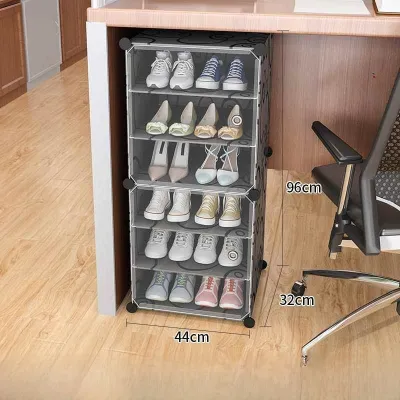
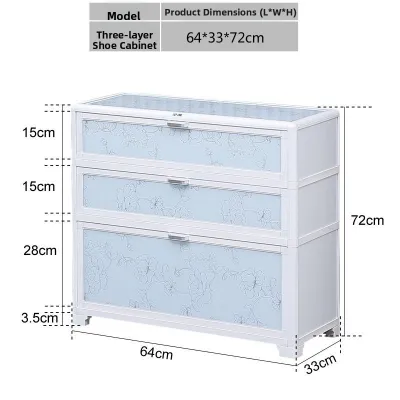
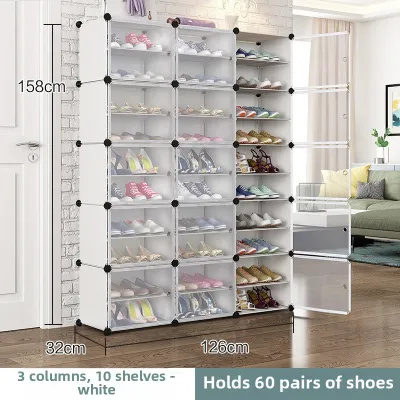
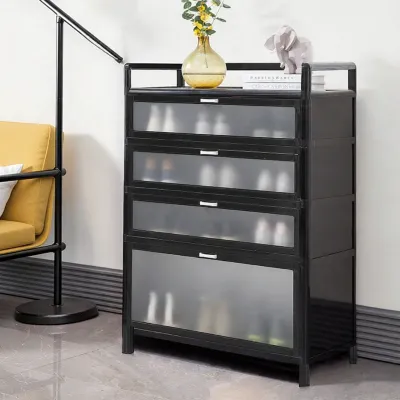
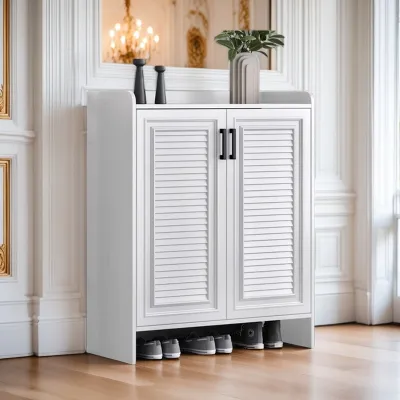
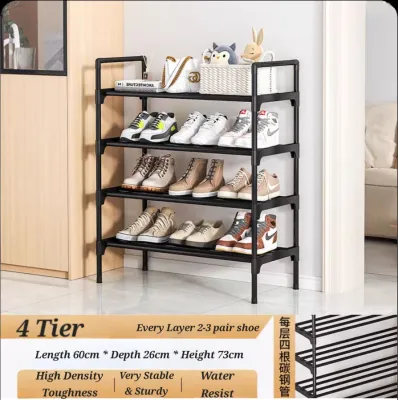
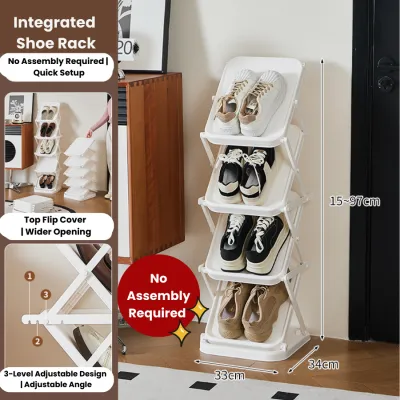
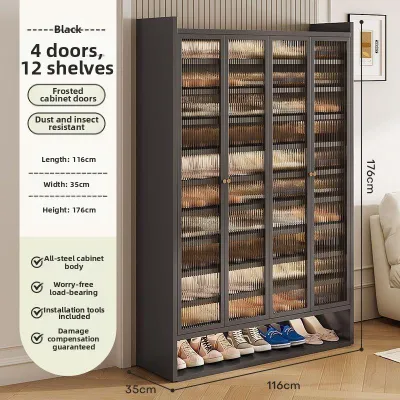
Prices are valid at publication and may change. Please refer to the product page for the latest price.
For indoor shoe cabinets, “moisture resistance” is the more accurate and practical standard to seek. This specification indicates that a piece of furniture can endure high levels of ambient humidity in the air without warping, swelling, or losing its structural integrity over time. In tropical environments where relative humidity consistently exceeds 80 percent, airborne moisture is a much more persistent threat than direct water spills.
Understanding this distinction helps you evaluate manufacturer claims more critically. A cabinet labeled as waterproof might only feature a thin water-repellent surface coating while the underlying core remains highly vulnerable to humidity. Establishing a baseline of what your storage space actually needs—protection from damp shoes and humid air rather than complete water submersion—allows you to focus on the right material specifications.
Evaluating Core Materials and Surface Finishes
The core material of your shoe cabinet determines how well it will hold up over years of seasonal humidity. Standard particleboard and low-grade medium-density fibreboard (MDF) tend to absorb moisture rapidly from the air, causing the fibers to swell, buckle, and eventually crumble. When selecting a cabinet, look for materials with certified moisture-resistance ratings, such as High-Moisture Resistance (HMR) boards or solid plywood cores.

Even the most moisture-resistant core material requires a protective surface barrier to perform reliably. High-pressure laminates (HPL) and melamine finishes are excellent options because they create a non-porous outer layer that prevents humid air from reaching the wood fibers beneath. Inspect the surface carefully to ensure there are no micro-cracks, bubbles, or uneven areas where moisture could seep in.
The most vulnerable parts of any engineered wood cabinet are the edges where the protective laminate meets. Complete and high-quality edge banding is essential to seal these joints against humidity. Check that the cabinet features professional edge banding, such as ABS or PVC strips applied with polyurethane hot-melt adhesives, on all exposed edges, including the back and bottom panels that are normally hidden from view.
Some manufacturers apply specialized anti-fungal treatments or moisture-repellent coatings to their furniture surfaces. While these treatments offer an extra layer of defense against mold spores, they should be viewed as secondary enhancements rather than a substitute for a solid, moisture-resistant core. Always verify the manufacturer’s care instructions to see if these coatings require specific cleaning methods to maintain their effectiveness.
Structural Seals, Closures, and Hardware
A well-constructed shoe cabinet must do more than just resist moisture; it must also manage the microclimate inside the storage compartments. Door closure mechanisms play a critical role in this process. Look for cabinets equipped with magnetic catches, self-closing hinges, or continuous rubber gaskets that pull the doors flush against the frame, creating a tight seal that limits the entry of humid room air.
However, a completely airtight cabinet is not always the ideal solution for shoe storage. If you place shoes that are slightly damp from sweat or rain into a fully sealed space, the trapped moisture will quickly lead to mold growth and unpleasant odors. Consider the trade-offs of your daily routine: if you store shoes immediately after wearing them, a cabinet with louvered doors, back-panel ventilation grilles, or breathable mesh panels is often more practical than a fully sealed unit.
The high humidity of a tropical climate also takes a toll on the functional hardware of your furniture. Standard steel hinges, screws, and drawer slides can rust quickly, leading to squeaking, misalignment, and eventual failure. Verify that the cabinet hardware is made from rust-resistant materials, such as Grade 304 stainless steel, or features certified anti-corrosion coatings that can withstand damp conditions.
Hinge quality also affects the structural alignment of the doors over time. Heavy-duty, adjustable hinges allow you to fine-tune the door positions, ensuring that seals remain tight and gaps do not develop as the cabinet settles. Regularly check these mechanical parts to ensure they operate smoothly and show no early signs of orange rust or corrosion.
Placement, Clearance, and Space Planning
Where you position your shoe cabinet can significantly influence its exposure to moisture and mold. Avoid placing the unit completely flush against exterior walls, which can transfer heat and dampness from heavy tropical rainstorms. Leaving a clearance gap of at least 2 to 5 centimeters between the back of the cabinet and the wall promotes healthy airflow and prevents localized condensation from forming.
Before purchasing any furniture, it is crucial to verify the overall dimensions against your home’s physical layout. Measure your apartment’s lift doors, stairwells, corridors, and main entryway to ensure the cabinet can be safely delivered and installed. A large, heavy unit that is forced through tight spaces can suffer structural damage or chipped edge banding, compromising its moisture-resistant seal before it is even used.
The design of the cabinet’s base is another important factor in protecting it from daily household moisture. Regular floor mopping introduces direct water contact to the bottom of the furniture. Look for cabinets designed with raised legs made of metal or treated solid wood, or units equipped with protective plastic glides that keep the main wooden frame elevated off the damp floor tiles.
Because shoe cabinets are often tall and narrow to maximize space in tight entryways, stability is a key safety consideration. Ensure the cabinet is compatible with wall-anchoring hardware, especially if you have uneven tiled floors. Anchoring the unit securely prevents tipping hazards while maintaining the alignment of the doors and seals over years of daily use.
Maintenance and Mold Prevention Routine
Maintaining the moisture-resistant integrity of your shoe cabinet requires a gentle and consistent cleaning routine. Avoid using soaking wet mops, abrasive sponges, or harsh chemical cleaners that can scratch the protective laminate or degrade the adhesive holding the edge banding in place. Instead, wipe down the surfaces with a slightly damp microfiber cloth and follow up immediately with a dry cloth to remove any residual moisture.
To manage the humidity levels inside the cabinet, incorporate passive moisture-absorbing inserts or silica gel packets into your storage routine. These products help collect excess moisture that enters when the doors are opened. Plan a regular schedule to check and replace these absorbers according to their product instructions, particularly during the wetter monsoon months when ambient humidity peaks.
Regularly inspect your cabinet for early warning signs of material degradation or seal failure. Look closely for peeling edge banding, bubbling laminates, stiff or rusting hinges, and musty odors inside the compartments. Catching these issues early allows you to apply touch-up sealants or adjust your ventilation habits before permanent structural damage occurs.
The most effective way to prevent mold inside any shoe cabinet is to ensure that your footwear is completely dry before it is stored. Never place wet, rain-soaked, or sweaty shoes directly into an enclosed space. Allow your shoes to air-dry thoroughly in a well-ventilated area of your home before placing them back into the cabinet, protecting both your footwear and the furniture itself.
Frequently Asked Questions (FAQ)
Can I use a standard wooden shoe cabinet if I add a dehumidifier inside?
While adding passive moisture-absorbing tubs or silica gel packs inside a standard wooden cabinet can help reduce localized humidity, these solutions have strict capacity limits. In a highly humid climate, these absorbers saturate quickly and cannot compensate for a cabinet constructed from porous, untreated particleboard that constantly draws moisture from the surrounding room air.
If the cabinet’s external surfaces and edge banding lack proper moisture resistance, the wood core will continue to absorb ambient humidity from the outside. This leads to swelling, warping, and mold growth on the exterior panels and joints, regardless of how dry the air is kept immediately around the shoes inside.
Internal moisture control products are highly effective when used as a supportive measure inside a cabinet that already features moisture-resistant materials and tight seals. However, they should not be relied upon as a primary solution to make an unsuitable, low-grade wooden cabinet perform in a humid environment.
Are plastic or metal shoe cabinets completely immune to mold in humid weather?
Although high-quality plastics and treated metals do not absorb moisture or support mold growth within their own structures, they are not entirely immune to mold issues. Mold thrives on organic matter, meaning that dust, dirt, and sweat left on the surface of your stored shoes can still host mold growth even if the cabinet walls remain unaffected.
Additionally, metal cabinets are highly sensitive to temperature fluctuations. If a metal cabinet is placed near an air-conditioning vent or in a spot that receives direct sunlight, the rapid temperature changes can cause condensation to form on the inner metal walls, creating a damp environment that can damage delicate leather shoes.
To prevent mold in plastic or metal cabinets, regular cleaning remains essential. Wipe down the interior shelves periodically to remove dust and dirt, ensure your shoes are completely dry before storing them, and maintain adequate ventilation to prevent localized condensation from building up.
Community discussion
Share your experience or ask a question. Comments are reviewed before publication.