
The ideal height for a high TV console stand should position the center of your TV screen directly at or slightly below your seated eye level, which typically ranges from 90 to 110 centimeters from the floor. This ergonomic baseline ensures you can watch comfortably without tilting your head, preventing neck strain over long viewing sessions. While standard media units stand between 40 and 50 centimeters tall, a high console typically measures 75 to 90 centimeters in height, making it an excellent choice for elevated seating, bedroom setups, or navigating physical room obstacles.
Understanding the Ergonomics of TV Viewing Height
Proper ergonomics is the most critical factor when planning your living room or bedroom layout. When you sit comfortably on your sofa, your natural line of sight should land on the upper third to the center of the television screen. If the screen is positioned too high, you are forced to tilt your head backward, putting continuous pressure on your neck muscles. Conversely, a screen that is too low can cause slouching and shoulder discomfort.
A high tv console stand is specifically designed to elevate the television well above the standard height of low-profile media units. While low-profile units are well-suited for deep, relaxed lounge sofas, they often fall short in rooms with alternative layouts. A high console typically ranges from 75 to 90 centimeters tall, raising the base of the television closer to chest level when standing.
Products mentioned in this guide
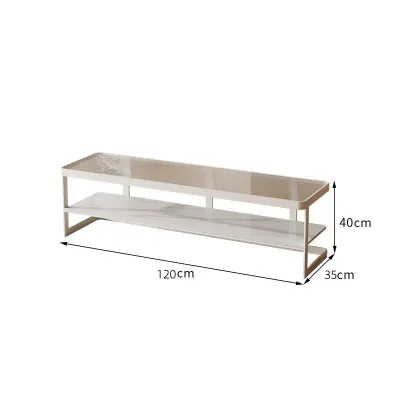
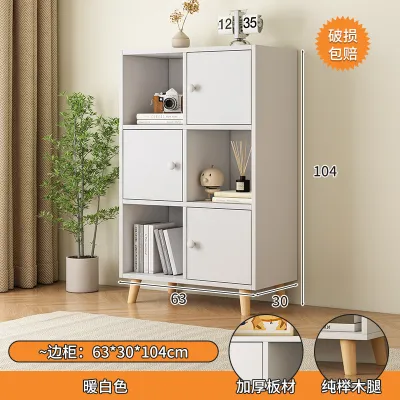
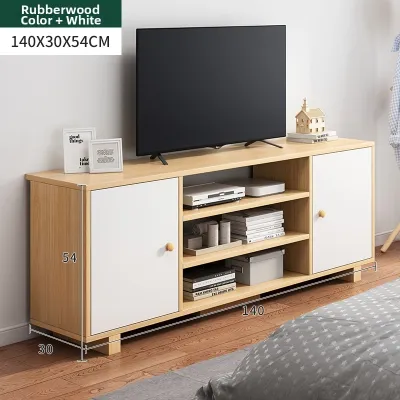
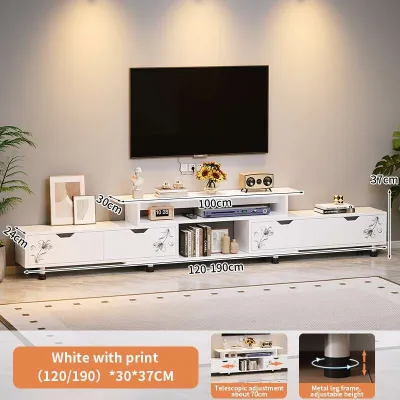
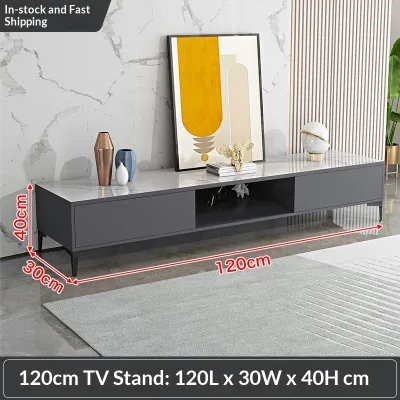
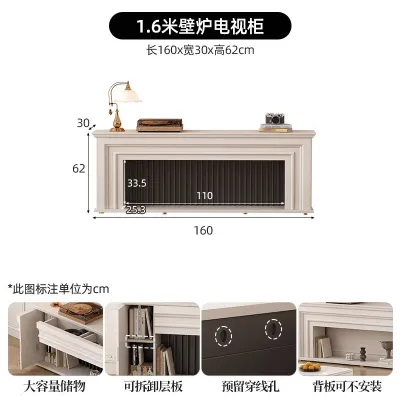
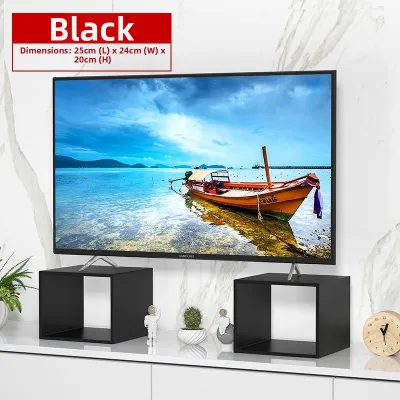
Prices are valid at publication and may change. Please refer to the product page for the latest price.
Several scenarios make a high console the ideal choice for a home. In bedrooms, a taller stand is often necessary so the television screen can clear the height of the footboard while you are lying down. In dining areas or open-plan living spaces with bar-height stools or high-backed chairs, standard furniture leaves the screen too low. Additionally, a taller unit helps navigate physical obstacles, such as high radiator covers or decorative wall paneling that might otherwise block a lower media setup.
How to Calculate the Ideal Console Height for Your Setup
To find the exact console height for your home, use a simple formula based on your seating and television dimensions. First, sit on your primary sofa in your normal relaxed posture and measure the distance from the floor to your eyes. This is your seated eye level, which typically ranges from 95 to 105 centimeters.

Next, measure the total height of your TV screen frame (excluding any stand legs) and divide this number by two to find the vertical center. For example, if your television frame is 80 centimeters tall, the vertical center is 40 centimeters from the bottom edge of the screen.
Calculate your target console height using this formula: Target Console Height = Seated Eye Level – (Distance from TV Center to Bottom Edge). If your seated eye level is 100 centimeters and your TV’s half-height is 40 centimeters, your ideal console surface height is 60 centimeters.
Adjust this calculation based on how the TV is supported. If the television sits on its included feet, subtract the height of those legs from your target console height. If you plan to wall-mount the TV slightly above the console, ensure the combined height of the console and the gap still aligns the screen’s center with your eye level.
Adjusting for TV Size and Viewing Distance
As television screens grow larger, the physical center of the screen naturally shifts upward. A 55-inch television has a much smaller vertical profile than an 85-inch model, meaning that a high console that works well for a smaller screen might push a massive display far too high. When upgrading to a larger screen size, you generally need to lower the console height to compensate for the increased height of the display panel itself.
Your viewing distance also plays a major role in how your eyes perceive height. If your sofa is positioned close to the television, even a minor height mismatch can feel exaggerated, requiring you to look up at an uncomfortable angle. As you move further back in the room, your vertical viewing angle narrows, making a slightly elevated screen much easier to watch without straining your neck.
If your room layout absolutely requires a high tv console stand but your screen ends up slightly above the ideal eye level, you can use hardware solutions to correct the angle. Mounting the television on an adjustable tilt wall bracket directly above the console allows you to angle the screen downward by a few degrees. This subtle tilt aligns the screen plane directly with your line of sight, significantly reducing glare and neck strain.
Practical Checks Before Buying a High TV Console
Before buying a high tv console stand, verify the physical clearance in your room. Because high consoles are taller than standard units, they can block wall-mounted light switches, cover power outlets, or interfere with door swings. Measure the depth carefully to ensure it does not protrude into walkways, especially in compact apartments where space is limited.
Next, compare your television’s stand footprint with the console’s top surface. Many modern TVs use wide-set legs rather than a central pedestal, requiring a wide console. Ensure there is at least 5 to 10 centimeters of clearance on all sides of the TV stand to prevent overhangs, which can compromise stability.
Inspect the internal storage layout as well. High consoles often feature multiple shelves or cabinets. Check these dimensions to ensure your media players and gaming consoles fit comfortably with enough clearance for ventilation, and look for built-in cable routing holes to keep cords organized.
Finally, review the manufacturer’s weight capacity label. High furniture has a different center of gravity than low-profile units, making weight distribution critical. Ensure the console is rated to support your television and media equipment. For safety, check if the manufacturer includes wall-anchoring hardware to secure the unit and prevent tipping.
Frequently Asked Questions (FAQ)
Can I use a high TV console stand in a small living room?
Yes, you can use a high TV console stand in a smaller room, but you should select the design carefully to avoid making the space feel cramped. Taller furniture has more visual weight, which can overwhelm a compact room if the unit is solid and dark. To maintain an airy feel, look for high consoles with open shelving, slender legs, or lighter wood finishes. Ensure the unit’s depth is shallow enough to preserve comfortable walkway clearance, and position it against a main wall to keep the center of the room open.
What if my calculated height falls between standard console sizes?
If your ideal ergonomic calculation does not match standard retail console heights, it is usually best to round down to the nearest available size. A screen that is slightly lower than eye level is generally much more comfortable to watch than one that is too high. Alternatively, you can bridge the gap by using a slightly lower console and adding a tabletop TV riser, or by choosing a console with adjustable leveling feet. If you must go with a taller unit, using a tilting wall mount to angle the screen slightly downward will help maintain comfortable viewing ergonomics.

Community discussion
Share your experience or ask a question. Comments are reviewed before publication.