
Quick Answer: What Defines a Genuine Rustic Coffee Table?
A genuine rustic coffee table is defined by its warm, organic, and intentionally imperfect design. Unlike mass-produced modern furniture that hides natural variations under thick veneers or synthetic laminates, rustic pieces highlight the history and texture of their materials. A true rustic table relies on raw, solid materials and rugged construction techniques. It is distinct from contemporary pieces that merely apply a superficial “rustic paint” or a printed wood-grain filter over compressed particleboard.
The enduring charm of this style lies in its visible grain patterns, natural knots, organic cracks, and sturdy, unrefined silhouettes. These elements work together to bring an earthy, grounding presence to your living space, turning a functional piece of furniture into a focal point of character and warmth.
Defining Wood Types and Surface Finishes
Common Wood Species
The choice of timber dictates both the aesthetic character and the structural integrity of your coffee table. Reclaimed wood is highly sought after for its unique history and environmental appeal. Salvaged from old barns, factories, or shipping vessels, reclaimed timber carries weathering marks, nail holes, and a natural patina that cannot be replicated in new wood. When purchasing reclaimed wood, you must verify the source and treatment history to ensure it has been properly cleaned, dried, and stabilized.
Products mentioned in this guide
![[3S FURNITURE] Modern Rustic Simple Solid Rubber Wood Foldable Coffee Table with Storage Panel * FREE DELIVERY *](https://img.lazcdn.com/g/p/63e8aa4a6743093f0d281c796b72676d.png_400x400q80.png_.webp)
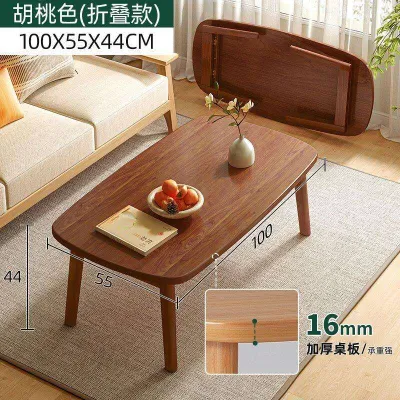
![[3S FURNITURE] Modern Rustic Simple 1.5CM Thickness Solid Rubber Wood Coffee Table With Drawer * FREE DELIVERY&INSTALL* (1Yr Local Warranty)](https://img.lazcdn.com/g/p/55080728fbcb5383128d449f87183698.png_400x400q80.png_.webp)
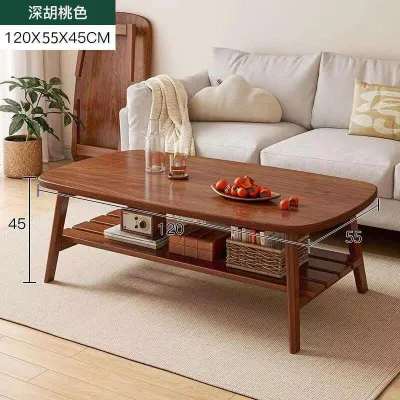
![[3S FURNITURE] Modern Rustic Simple Solid Rubber Wood Foldable Coffee Table * FREE DELIVERY * (1Yr Local Warranty)](https://img.lazcdn.com/g/p/204cfe405828c8ecbaeacf2b4c69c93d.jpg_400x400q80.jpg_.webp)
Prices are valid at publication and may change. Please refer to the product page for the latest price.

Pine is another popular choice, known for its softer nature, prominent grain, and frequent visible knots. Because pine is relatively soft, it naturally acquires minor dents and scratches over time, which many homeowners find enhances its lived-in, rustic charm. For those seeking maximum durability, oak is an exceptional option. Its high density, strength, and prominent open-grain texture make it ideal for heavier, more substantial rustic pieces that can withstand decades of daily use.
Remember, however, that wood species names alone do not guarantee moisture resistance or long-term durability. You should always check the manufacturer’s specific finish and sealing specifications to understand how the wood will perform in your home.
Distressed and Natural Finishes
The surface treatment of a rustic coffee table is what defines its tactile feel and visual depth. Rather than sealing the wood under a thick, high-gloss coat of polyurethane—which can make the surface look plastic and cold—rustic designs favor techniques that celebrate the wood’s natural texture.
Common treatments include hand-scraping, which creates gentle, organic waves across the tabletop, and wire-brushing, which removes the softer fibers of the wood to leave a highly textured, raised-grain surface. These surfaces are typically finished with matte oils or natural waxes. While these finishes allow you to feel the actual grain of the wood, they require periodic reapplication to maintain their protective qualities.
Before purchasing, check the manufacturer’s care instructions regarding moisture and stain resistance. This is particularly critical for daily-use tables that will hold drinks and snacks, as well as for homes located in humid environments where unprotected wood can easily absorb moisture from the air.
Key Design Elements and Structural Hardware
Silhouettes and Joinery
Authentic rustic design is defined by its structural honesty and substantial physical presence. The silhouettes of these tables typically feature chunky proportions, thick tabletops, and heavy, blocky legs that convey a sense of permanence and weight.
Instead of hiding how the table is put together, rustic furniture often showcases traditional joinery techniques as decorative elements. Look for visible mortise-and-tenon joints, where a projecting member (the tenon) fits tightly into a hole (the mortise) cut into another piece of wood. Exposed wooden pegs and dovetail joints also serve as visual testaments to classic craftsmanship.
Another prominent design feature is the “live edge,” where the natural, organic contour of the tree’s outer perimeter is preserved along the sides of the tabletop. This ensures that no two tables are exactly alike, as the shape of the furniture is directly dictated by the original tree.
Metal Accents and Mixed Materials
While wood is the primary medium, many rustic coffee tables incorporate mixed materials to add structural support and visual contrast. Wrought iron bases, blackened steel brackets, corner braces, and exposed rivets are common additions that lean into an industrial-rustic aesthetic. In some premium designs, you may also find leather straps or copper inlays.
These metallic elements provide a cool, rigid contrast to the warm, organic texture of the wood, creating a balanced and visually engaging piece. When selecting a table with metal components, it is essential to check for rust-resistant coatings or powder-coated finishes. Unprotected metal can degrade and stain adjacent wood surfaces, especially in tropical climates where moisture levels are consistently high.
How to Spot a Genuine Rustic Coffee Table
To avoid paying premium prices for mass-produced imitations, you must know how to inspect a coffee table for genuine craftsmanship. The first indicator is weight and solidity. Genuine solid or reclaimed wood is naturally heavy and dense. If you lift one end of the table and it feels surprisingly light, or if tapping the surface produces a hollow, high-pitched ring, it is likely constructed from medium-density fibreboard (MDF) or particleboard covered in a thin veneer.
Next, closely inspect the wood grain. Real wood features continuous, unique grain patterns that wrap naturally around the edges and corners of the table. If you look at the end grain on the side of the tabletop, it should align logically with the grain on the top surface. In contrast, mass-produced tables with printed synthetic veneers often feature repeating patterns, identical knot shapes, and sharp, unnatural seams where the printed paper meets at the edges.
Always check the manufacturer’s technical specifications and labels. Look for explicit terms such as “solid wood,” “100% reclaimed timber,” or specific species names like “solid white oak.” Be wary of vague marketing descriptions like “wood effect,” “rustic finish,” “driftwood style,” or “engineered wood with a rustic laminate.” These terms are almost always code for paper-wrapped particleboard.
Finally, look at the underside of the table. Authentic, high-quality rustic furniture often shows slightly rougher, unfinished, or naturally finished wood on the underside, revealing the true material beneath. You will also see real mechanical joinery, such as pocket screws, brackets, or wooden support slats designed to allow the wood to expand and contract. Mass-produced faux-rustic items, on the other hand, typically feature perfectly smooth, painted, or black-cloth-covered undersides that hide stapled, glued, or plastic-bracketed corners.
In terms of pricing, authentic solid wood rustic coffee tables generally sit in the mid-to-high price bands, typically ranging from S$500 to over S$1,500 depending on the rarity of the timber and the level of hand-craftsmanship involved. Be cautious of pieces priced significantly lower, as they often utilize engineered materials or low-grade veneers to mimic the look.
Space and Climate Considerations for Singapore Homes
Integrating a rustic coffee table into a Singaporean home requires careful planning, as the physical characteristics of these pieces must align with local living spaces and climate conditions.
First, consider space planning. Because rustic tables often feature chunky legs, thick tabletops, and substantial visual weight, they can easily overwhelm smaller living rooms in HDB flats or condominiums. Before making a purchase, measure your available floor space carefully. Ensure you leave at least 30 to 45 centimeters of clearance between the coffee table and your sofa, which allows for comfortable legroom and easy movement. You should also account for the depth of your sofa and ensure the table’s height sits within 2 to 5 centimeters of your sofa cushions for optimal ergonomics. If your living room is compact, look for rustic designs with open metal frames or raised legs rather than solid, blocky plinth bases, as these allow light to pass through and prevent the room from feeling cramped.
Second, account for Singapore’s tropical climate. The high relative humidity can cause solid wood to absorb moisture, leading to expansion, contraction, or even warping and cracking if the timber was not properly prepared. To prevent this, verify with the retailer that the wood used in the table has been thoroughly kiln-dried. Kiln-drying removes excess moisture and stabilizes the wood fibers, making the piece far more resilient to environmental shifts.
Third, practice diligent daily maintenance to protect your investment. Always use coasters under cold drinks to prevent condensation from creating permanent water rings on natural oil or wax finishes. Avoid placing your rustic coffee table in the direct path of harsh afternoon sunlight streaming through large windows, as intense UV rays can dry out the wood and cause uneven fading or cracking over time. If you use air conditioning frequently, the sudden drops in humidity can also stress the wood; keeping the table away from direct A/C drafts will help maintain its structural integrity.
Frequently Asked Questions (FAQ)
How do I protect a rustic wood table from humidity and water rings?
To safeguard your table’s surface in a humid environment, always use coasters, trivets, or placemats under cups and hot dishes. Wipe up spills immediately with a soft, lint-free, slightly damp cloth, followed by a dry cloth to prevent standing water from penetrating the wood grain. Avoid harsh chemical cleaners, which can strip away protective coatings. Instead, follow the manufacturer’s care instructions for periodic reapplication of natural wood wax or oil. This simple maintenance step restores the wood’s natural moisture barrier and keeps the timber hydrated and protected.
Is reclaimed wood safe for indoor furniture?
Yes, reclaimed wood is highly safe for indoor use, provided it has been sourced and processed by a reputable manufacturer. When buying, verify that the timber has undergone a professional kiln-drying process. This step is crucial as it subjects the wood to high temperatures, effectively eliminating any hidden pests, wood-boring insects, and mold spores. Additionally, ensure the manufacturer guarantees that the wood is free from hazardous historical contaminants, such as lead-based paints, chemical preservatives, or industrial treatments that were common in older structures.
Community discussion
Share your experience or ask a question. Comments are reviewed before publication.