
When exploring high-end relaxation furniture, the term “zero gravity” frequently appears as a major selling point. In a zero massage chair, this feature reclines your body into a specific posture where your knees are elevated slightly above your heart. By distributing your body weight evenly across the chair, this position minimizes the effects of gravity on your spine and joints, creating a sensation of weightlessness.
While the name sounds like space-age technology, the actual mechanism relies on fundamental physics and ergonomics. Understanding how this position alters the relationship between your body and the massage rollers is key to deciding whether to invest in this feature. Many buyers wonder if this posture genuinely improves physical well-being or if it is simply a clever marketing tactic designed to justify a higher price tag.
The Mechanics Behind the Zero Massage Position
The concept of zero gravity positioning originates from NASA’s research into the Neutral Body Posture (NBP). During space shuttle launches, astronauts faced intense gravitational forces. To protect their bodies, engineers developed a reclining posture that distributes these forces evenly across the skeletal system, minimizing localized stress. Massage chair manufacturers adapted this ergonomic configuration for domestic furniture to enhance physical relaxation.
Products mentioned in this guide
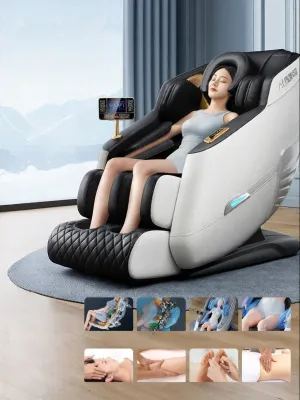
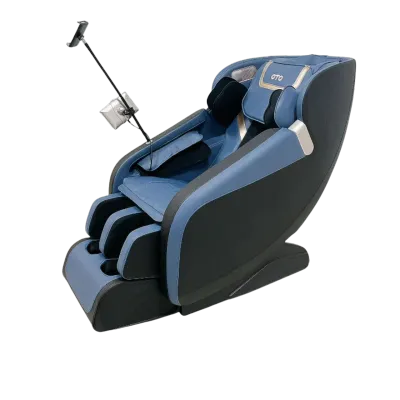
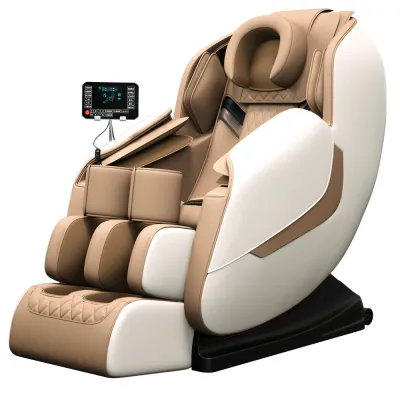
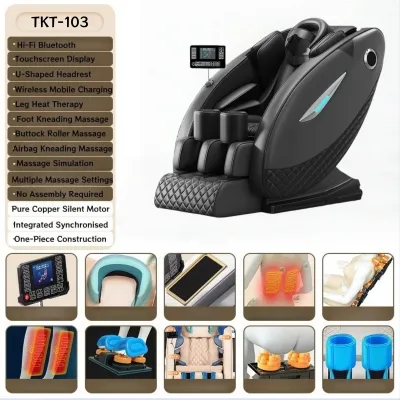
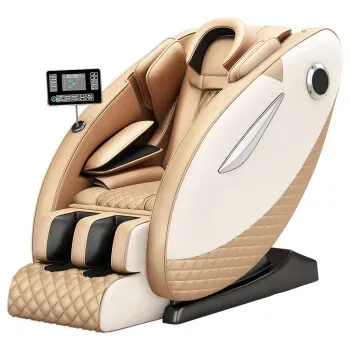
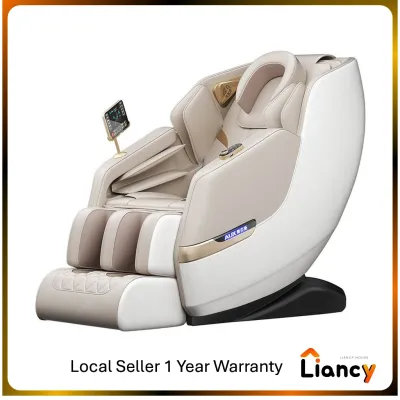
Prices are valid at publication and may change. Please refer to the product page for the latest price.
In a physical sense, achieving this position requires reclining the backrest to an angle of approximately 120 to 135 degrees. Simultaneously, the seat tilts and the leg rest elevates, raising your thighs to roughly a 28-degree angle. This specific alignment ensures that your knees rest slightly higher than your heart level.
It is important to clarify that a zero massage chair does not eliminate gravity. Instead, it alters how your body experiences gravitational pull. In a standard upright chair, gravity compresses your spine downward, concentrating weight on your lower back. By reclining and elevating your legs, the chair shifts this load, distributing your weight evenly across the entire backrest.
The execution of this movement depends heavily on the chair’s internal mechanical components. High-quality models typically utilize dual-motor reclining systems, which allow you to adjust the backrest and footrest independently. This independence lets you fine-tune the angle to match your unique body proportions. In contrast, basic or budget-friendly chairs often use a single-motor system where the backrest and footrest move together in a fixed ratio, offering less precision and making it harder to achieve a true neutral posture.
Real Physical Benefits vs. Marketing Claims
Separating genuine physical benefits from marketing hyperbole is essential when evaluating high-ticket wellness furniture. The most significant benefit of the zero gravity position is spinal decompression. When you recline with your legs elevated, the pressure on your intervertebral discs decreases substantially. This decompression allows the massage rollers to traverse your back with greater efficiency, targeting deep muscle tissue along the lumbar spine without requiring excessive, painful roller pressure.

Another notable physiological effect involves blood circulation and fluid retention. Elevating your knees above your heart level utilizes gravity to assist venous blood return. This positioning makes it easier for blood to flow back to your heart from your lower extremities, which can help reduce swelling and fatigue in your calves and ankles. This is particularly beneficial after long periods of standing or sitting.
Additionally, the zero gravity position naturally enhances the depth and intensity of the massage. In an upright position, you must actively lean back to feel the rollers. When fully reclined in a zero gravity state, your entire body weight presses firmly against the massage track. This natural pressure allows the rollers and compressing airbags to deliver a more consistent and thorough massage experience across your entire back.
However, consumers must remain realistic about the limitations of this technology. While the position offers temporary relief from muscle tension and promotes relaxation, it is not a medical cure. It cannot heal herniated discs, correct structural spinal deformities, or treat chronic cardiovascular diseases. If you suffer from severe medical conditions, you should view the chair as a supplementary relaxation tool rather than a replacement for professional medical treatment.
Does the Zero Massage Feature Justify the Price Premium?
When shopping for a massage chair in Singapore, you will find that models equipped with true zero gravity capabilities carry a noticeable price premium. Standard reclining massage chairs, which often cost under S$1,500, can tilt backward but do not elevate your knees above your heart. True zero gravity models, which frequently range from S$3,000 to over S$8,000, require more robust internal frames and advanced motor systems to support and balance your weight safely.
For certain individuals, this price premium is highly justified. If you suffer from persistent lower back tension, spend long hours standing on hard floors—such as retail, healthcare, or F&B professionals—or require deep-tissue massage relief, the difference in comfort is substantial. The reduction in spinal pressure makes the entire massage session significantly more effective and comfortable.
Conversely, casual users may want to skip this feature. If your primary goal is simple neck and shoulder kneading while watching television, a standard upright or basic reclining model will likely suffice. Furthermore, if you are working with a strict budget, paying extra for the zero gravity recline might force you to compromise on other essential features, such as the quality of the massage rollers or the variety of pre-programmed routines.
It is also worth noting that manufacturers rarely sell zero gravity as a standalone feature. Instead, it is usually bundled into premium packages that include 3D or 4D massage rollers, heated tracks, and advanced body-scanning sensors. When making your decision, evaluate the entire package and determine whether these combined technologies align with your personal wellness goals and budget.
Practical Checks: Space, Fit, and Clearance
Before purchasing a zero gravity massage chair, you must assess several physical and spatial factors to ensure the unit fits your home and your body. Because these chairs recline deeply, they require a significant amount of physical space. A standard model can require up to 50 to 80 centimeters of clearance behind the backrest to recline fully. In compact Singapore apartments, such as HDB flats or smaller condominiums, this footprint can severely restrict your living space.
To address this, look for “wall-hugging” or “zero-wall” engineering. These advanced models slide forward on an internal track as they recline, requiring only 5 to 10 centimeters of clearance from the wall behind them. Additionally, always verify the finished dimensions of the chair in both its upright and fully reclined states, and measure your doorways, hallways, and lift access points to ensure the delivery team can safely transport the chair into your home.
Body fit is another critical factor. The ergonomic benefits of the zero gravity position rely entirely on proper skeletal alignment. If a chair is too large or too small for your frame, your knees and heart will not align correctly, which negates the weight-distribution benefits. Always check the manufacturer’s specified height and weight capacities, as well as the maximum load capacity of the reclining mechanism to ensure long-term stability and safety.
Finally, physical testing in a showroom is indispensable. Mechanical specifications on a website cannot replicate how a chair actually feels to your body. When testing a chair, pay close attention to how your neck and head feel when reclined; you should not feel strained or forced to look downward. Additionally, observe how your body reacts when the chair returns to an upright position, ensuring you do not experience dizziness or lightheadedness.
Frequently Asked Questions (FAQ)
Can I use the zero gravity position if I have lower back pain?
While the zero gravity position is designed to alleviate pressure on your lumbar spine, anyone experiencing acute, severe, or diagnosed lower back conditions should consult a healthcare professional before use. If you receive medical clearance, start with shorter sessions of 10 to 15 minutes and select lower massage intensities. This allows you to monitor how your back responds to the deep roller contact and the reclined posture without overstimulating sensitive muscles.
Does a zero gravity massage chair consume more electricity?
No, a zero gravity feature does not significantly increase your electricity consumption. The electric motors only draw substantial power when actively adjusting the backrest and leg rest between positions. Once the chair reaches the desired zero gravity angle, the motor stops drawing high current, and the chair remains in place mechanically. The ongoing power consumption during your massage is primarily driven by the rollers, airbags, and heating elements, which consume a similar amount of electricity regardless of the recline angle.

Community discussion
Share your experience or ask a question. Comments are reviewed before publication.