
Selecting the right waterproof cover depends on whether you are protecting indoor upholstery from pets and spills, or shielding outdoor patio sets from heavy rain and high humidity. There is no single material that excels in every scenario. To find the right fit, you must evaluate the specific properties of the fabric, its backing, and the construction details that prevent water from seeping through the seams. A cover that works well for an indoor dining chair might trap moisture and ruin a wooden outdoor table in a humid climate.
Understanding Common Waterproof Materials and Their Limits
Polyester with polyurethane (PU) or polyvinyl chloride (PVC) coatings offers a practical balance of flexibility and water resistance. The polyester fabric provides structural strength, while the inner coating acts as the primary water barrier. Over time, thin coatings can peel or crack, especially when subjected to frequent folding. Inspecting the interior surface for a uniform, smooth layer can help you gauge the potential longevity of the protective barrier.
Vinyl and PVC covers provide an exceptionally high liquid barrier, making them highly effective for heavy spills or direct rainfall. These materials are completely non-porous, allowing you to wipe away liquids and dirt with minimal effort. However, vinyl and PVC lack breathability, which can trap air and moisture underneath the cover. They can also become stiff and brittle when exposed to extreme temperature shifts, potentially cracking along fold lines.
Products mentioned in this guide
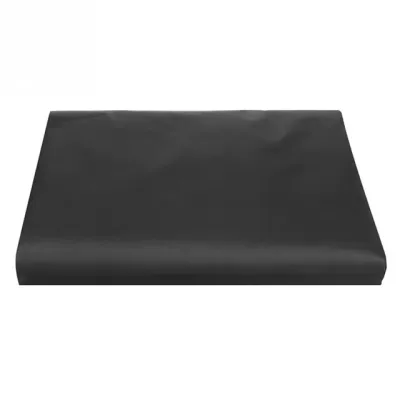
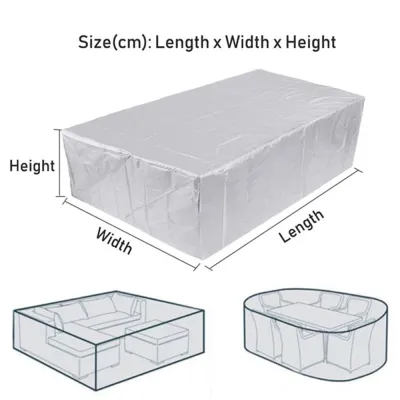
Prices are valid at publication and may change. Please refer to the product page for the latest price.
Oxford cloth and heavy-duty tarpaulin are robust options typically reserved for demanding outdoor environments. Oxford cloth is a woven fabric known for its durability and resistance to tearing. When evaluating these materials, pay close attention to the denier rating, which measures thread thickness. A higher denier rating, such as 600D, indicates a stronger, more substantial fabric that can withstand friction and environmental wear.
Thermoplastic Polyurethane (TPU) serves as a modern, highly flexible, and quiet alternative for indoor furniture protection. Unlike traditional PVC, TPU is softer to the touch and does not produce a loud rustling sound when sat upon. It provides an effective waterproof membrane while remaining lightweight and pliable. To preserve the integrity of a TPU membrane, avoid harsh cleaning agents or high heat that can cause the membrane to separate from the face fabric.
Matching Materials to Your Furniture and Environment
For indoor upholstery, such as fabric sofas and dining chairs, the priority is to maintain comfort while preventing liquid penetration. Soft, quiet, and breathable fabrics like coated polyester or TPU-backed textiles are well-suited. These materials protect against accidental spills, pet accidents, and dust without altering the sitting experience or creating a plastic-like feel. They also allow a degree of vapor transmission, which prevents body heat and ambient humidity from creating a clammy sensation during extended use.

Outdoor patio furniture demands a much higher level of environmental resistance. Here, the focus must shift to heavy-duty, UV-stabilized materials that can endure prolonged exposure to sun, rain, and wind. Solution-dyed acrylics with a waterproof backing or high-denier Oxford cloth are practical choices. These fabrics are treated to resist fading and degradation from ultraviolet rays, ensuring the cover remains strong and intact over several seasons.
In high-humidity environments, such as the tropical climate of Singapore, moisture management is critical. Trapped humidity under a non-breathable cover creates a common breeding ground for mold, mildew, and wood rot. When selecting outdoor covers for these regions, choose materials that incorporate breathable membranes or are paired with generous ventilation features. This allows rising ground moisture and condensation to escape, keeping the underlying wood, metal, or wicker dry.
For high-risk zones like pet areas and dining tables, easy-wipe surfaces are paramount. Vinyl and PVC covers excel in these spots because they can be sanitized quickly after spills or muddy paws. However, when choosing these materials for indoor use, verify chemical safety labels to ensure they do not emit strong chemical odors. Additionally, check the scratch resistance of the outer layer, as pet claws can puncture thin plastic barriers.
Critical Construction Features to Verify Before Buying
The performance of a waterproof cover depends heavily on its construction details, not just the fabric itself. Seam sealing is one of the most critical features to verify. Standard sewing needles create thousands of tiny holes along the seams of a cover. Under heavy rain or when water pools on top of the cover, these needle holes will eventually leak. Look for covers that feature taped, welded, or heat-sealed seams, which prevent water from penetrating the stitched areas.
Breathability and ventilation are equally important for preserving the condition of your furniture. Outdoor covers should feature built-in mesh air vents, which are typically shielded by fabric hoods to keep rain out while allowing air to circulate. These vents encourage cross-ventilation, reducing the risk of condensation buildup underneath the cover. Without adequate venting, even highly water-resistant fabric can fail to protect your furniture from trapped moisture.
A secure fit mechanism is necessary to keep the cover in place during inclement weather. Look for features such as elastic hems, adjustable drawstrings, or heavy-duty buckle straps that secure around the legs of the furniture. A snug fit prevents strong winds from lifting the cover and exposing the furniture. Furthermore, a well-fitted cover can be tensioned properly to prevent water from pooling in low spots, which puts unnecessary stress on the fabric.
Zippers and closures represent potential weak points in any waterproof barrier. If a cover includes access zippers for easy removal or adjustment, verify that these zippers are protected by wide storm flaps. These flaps fold over the zipper track to shed water away from the opening. Alternatively, look for specialized water-resistant zippers that feature a rubberized coating over the teeth to block moisture.
Maintaining Your Covers and Knowing When to Replace Them
Proper maintenance is essential to extend the lifespan of your waterproof covers and preserve their protective coatings. When cleaning, always refer to the manufacturer’s care instructions. Avoid using harsh detergents, bleach, or abrasive scrubbers, as these can strip away the water-repellent treatments on the exterior or damage the inner PU or PVC backing. Instead, use a soft brush or cloth with mild soap and lukewarm water to gently remove dirt and debris.
Thorough drying and proper storage are vital to prevent the growth of mold and mildew on the covers themselves. After cleaning or a heavy rainstorm, allow the covers to dry completely in a well-ventilated area before folding them. Storing a damp cover traps moisture within the folds, which can degrade the waterproof lining. When not in use, store your covers in a cool, dry place away from direct sunlight to prevent premature UV degradation.
Regular inspections will help you identify when a cover has reached the end of its useful life. Look for signs of failure, such as a flaking or peeling inner lining, persistent dampness on the underside after rain, or water that no longer beads up on the outer surface. If the fabric appears thin, brittle, or shows visible micro-cracks when held up to the light, the material has degraded.
Once a factory-applied waterproof membrane or coating begins to flake off, the cover can no longer provide reliable protection. While aftermarket water-repellent sprays can temporarily restore water beading on the exterior fabric, they cannot repair a damaged inner membrane or sealed seam. At this stage, replacing the cover is the only way to ensure your furniture remains adequately protected.
Frequently Asked Questions (FAQ)
What is the difference between waterproof and water-resistant covers?
Water-resistant covers are designed to repel water temporarily, allowing liquids to bead up and roll off the surface upon immediate contact. They are suitable for protecting indoor furniture from light, accidental spills that are wiped up quickly, or for outdoor use in light, brief showers. However, under prolonged exposure or standing water, moisture will eventually penetrate the fabric. Waterproof covers, on the other hand, are engineered to block water penetration entirely, even under pressure or during extended downpours. They utilize non-porous membranes and sealed seams to ensure no moisture passes through the material.
Can I use an indoor waterproof cover on outdoor furniture?
Using an indoor waterproof cover outdoors is not recommended because indoor materials lack the necessary defenses against environmental exposure. Indoor covers are rarely treated with UV stabilizers, meaning prolonged sun exposure will rapidly degrade the fabric and cause the waterproof backing to crack and peel. Additionally, indoor covers typically lack heavy-duty wind straps to keep them secure during storms, and they do not feature the specialized air vents required to prevent condensation and mold growth in outdoor environments.
Community discussion
Share your experience or ask a question. Comments are reviewed before publication.