
Selecting the right cap organizer is essential for maintaining the shape of your hats while keeping your living space tidy and organized. The ideal choice is not a one-size-fits-all solution; rather, it depends on the intersection of your available floor space, wall construction, and the overall size of your hat collection.
For collectors who want to showcase their caps as a design feature without sacrificing floor space, a wall-mounted cap organizer offers the best scalability and visual appeal. If you are renting your home, prefer a portable setup, or want to fill an empty corner, a freestanding hat tree or rack provides excellent flexibility with zero installation requirements. For those with limited space, a small collection, or a strict budget, hanging or over-the-door organizers utilize hidden dead space behind doors or inside closets.
Making the correct choice requires evaluating structural stability, installation constraints, and how each storage method affects the physical integrity of your hats. By matching your storage system to your specific home environment and hat types, you can prevent damage to structured crowns and keep your collection easily accessible.
Products mentioned in this guide
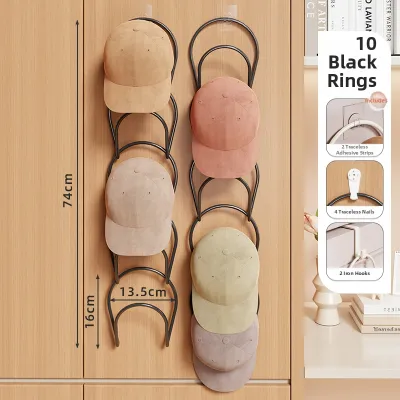
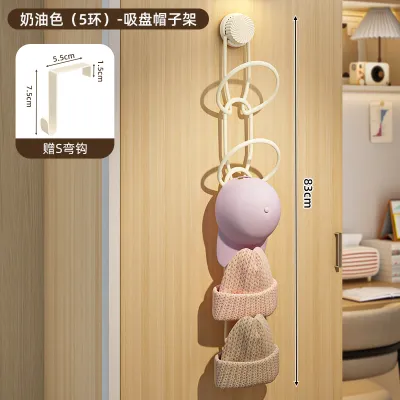
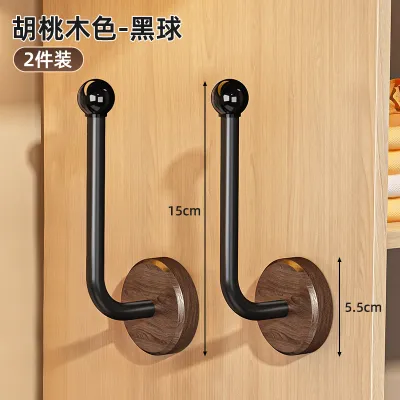
![[SG Stock]Baseball Cap Rack Multi-Layer Wall Mount Organizer 2nd Generation Shampoo Smart Box Anti-Smash Solution](https://img.lazcdn.com/g/p/33d3de7148295022b5f0f44e3628350d.jpg_400x400q80.jpg_.webp)
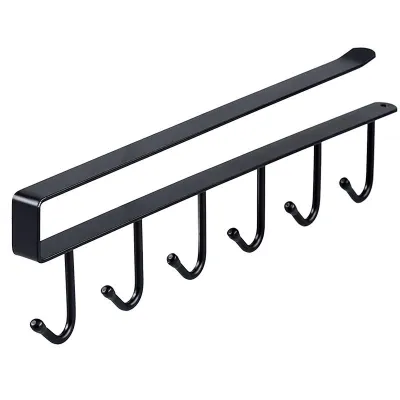
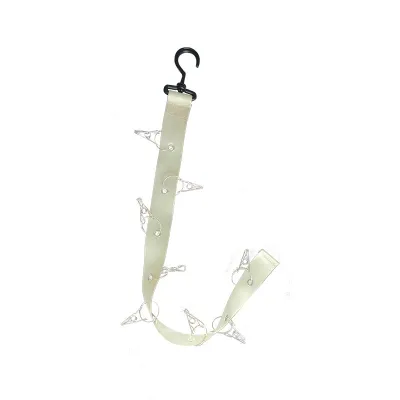
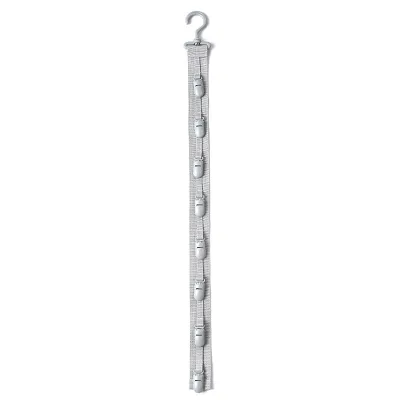
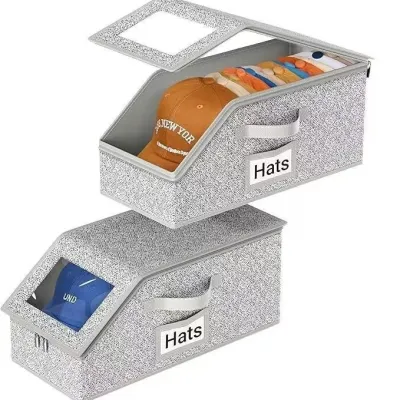
Prices are valid at publication and may change. Please refer to the product page for the latest price.
Wall-Mounted vs Freestanding vs Hanging: A Detailed Cap Organizer Comparison
To help you visualize how each system fits into your home, it is helpful to compare their physical characteristics, structural demands, and suitability for different hat styles. The table below outlines the core differences across key functional dimensions.
| Dimension | Wall-Mounted Organizers | Freestanding Racks & Trees | Hanging & Over-the-Door |
|---|---|---|---|
| Floor Footprint | Zero floor space required | Requires dedicated floor area | Zero floor space required |
| Installation | Requires drilling and mounting | No installation or tools needed | Tool-free hooks or straps |
| Scalability | High (modular rails or pegboards) | Fixed capacity (limited hooks) | Fixed capacity (set pockets) |
| Best Hat Types | Structured caps, wide-brims | Heavy hats, fedoras, casual caps | Unstructured caps, beanies |
| Rental Friendliness | Low (requires wall repair) | High (fully portable) | High (temporary setup) |
| Humidity Protection | High (excellent air circulation) | High (open air circulation) | Moderate (pockets can trap air) |
Wall-Mounted Cap Organizers
Wall-mounted systems, including horizontal rails, pegboards, and modular clip tracks, are designed to turn empty vertical surfaces into functional storage. By utilizing dead space above desks, beds, or along entryways, these organizers keep your floors completely clear, which is a significant advantage in compact residential layouts.
Beyond space efficiency, wall-mounted setups allow you to display your collection as a visual gallery. This is particularly appealing for collectors of limited-edition snapbacks, sports memorabilia, or designer caps who want their hats to serve as interior decor.
However, the permanent nature of wall mounting requires careful planning and structural verification. In many modern apartments, particularly reinforced concrete HDB flats in Singapore, mounting these organizers requires a hammer drill, masonry drill bits, and plastic wall plugs to ensure a secure hold.
If you use adhesive-based wall organizers as an alternative to drilling, you must be cautious. The high relative humidity of tropical climates can degrade adhesive backings over time, risking a sudden collapse that could damage both your wall paint and your hat collection.
Freestanding Cap Racks and Trees
Freestanding hat trees, tiered floor racks, and modular storage cubes offer a mobile, zero-installation alternative that requires no structural modifications to your walls. These units can be placed anywhere in a room, making them highly versatile for dynamic layouts or as functional room dividers in open-plan spaces.
Because they stand on the floor, these racks are exceptionally easy to assemble and relocate whenever you decide to rearrange your furniture. They are highly compatible with rental properties where drilling is strictly prohibited by landlords.
The primary trade-off with freestanding units is their physical footprint. A typical hat tree requires a dedicated floor area of approximately 30 cm by 30 cm, but the actual space needed is larger once hats are hung, as structured brims extend outward into walkways.
Additionally, freestanding racks can become top-heavy and unstable if they are overloaded or if the weight is distributed unevenly. In households with active pets or young children, an unanchored, top-heavy hat tree poses a tipping hazard that can lead to minor injuries or damaged items.
Hanging and Over-the-Door Organizers
Hanging systems, such as fabric pocket organizers, hanging chains, and strap-and-clip systems, are the ultimate space-saving solutions for tight quarters. They are designed to hang from standard closet rods or over bedroom and closet doors, making excellent use of otherwise wasted space.
These organizers are highly budget-friendly and require absolutely no tools or hardware to set up. They are ideal for students, temporary renters, or anyone looking for a quick, low-cost way to tidy up a casual hat collection.
Despite their convenience, hanging organizers have distinct physical limitations that can impact your daily use. Over-the-door brackets can interfere with door clearances, scratching the top of the door frame or preventing the door from closing smoothly if the brackets are too thick.
Furthermore, clustering a large number of hats onto a single door concentrates weight on the door hinges. Over time, this continuous downward pull can cause the door to sag or become misaligned, requiring professional maintenance to correct.
Key Decision Factors for Your Hat Collection
Choosing between these three styles requires looking closely at how you live, how much space you have, and the specific types of hats you own.

Space Efficiency and Room Layout
Before purchasing any cap organizer, you must measure your available space and account for the physical dimensions of your hats. A standard structured baseball cap has a depth of approximately 18 to 22 cm, which means it will project significantly from whatever surface it is attached to.
If you choose a wall-mounted rail for a narrow hallway, passing family members may constantly brush against the hats, knocking them down or bending the brims. For behind-the-door organizers, you must ensure there is at least 25 cm of clearance between the open door and the adjacent wall to prevent the hats from being crushed when the door is opened.
Freestanding units require a clear radius of at least 50 cm to ensure you can access all sides of the rack comfortably. Placing a freestanding rack too close to a wardrobe door or a bed frame can restrict movement and make your bedroom feel cramped.
Collection Size and Scalability
Your current hat count and future buying habits should heavily influence the type of organizer you select. Fixed-capacity systems, such as hanging pocket organizers or freestanding hat trees with a set number of hooks, have hard limits that cannot be easily expanded.
Once every pocket or hook is occupied, any new hat purchase forces you to either double-up on a single hook—which can crush the hats underneath—or retire an older hat to deep storage. This makes fixed systems less suitable for active collectors who regularly add new pieces to their rotation.
For growing collections, modular wall-mounted pegboards or expandable rail systems offer the best long-term scalability. They allow you to purchase additional hooks, pegs, or matching rails as needed, ensuring your storage capacity grows alongside your collection.
A good rule of thumb is to calculate your current hat count and choose an organizer that leaves at least 20% of the capacity vacant. This buffer prevents your storage system from becoming instantly overcrowded after your next purchase.
Hat Shape Preservation and Material Care
Different storage methods have varying impacts on the structural integrity and materials of your hats. Structured caps, such as classic snapbacks or fitted baseball caps, rely on a stiffened buckram panel behind the front two panels to maintain their upright shape.
If these structured caps are squeezed into tight fabric pockets or pinched by high-tension metal clips, the buckram can crease permanently. Once creased, the front panel of the cap will look warped and lose its original aesthetic appeal.
Unstructured hats, such as dad hats, beanies, and bucket hats, are much more resilient to folding and clipping, making them perfect candidates for hanging pocket organizers. However, delicate materials like wool felt fedoras or woven straw hats require gentle, wide supports to prevent stretching or warping under their own weight.
For structured caps and delicate hats, look for organizers that support the crown from the inside—such as dome-shaped wall mounts—or freestanding racks with wide, rounded wooden pegs. These designs distribute the hat’s weight evenly without putting concentrated pressure on the brim or the sweatband.
Installation, Stability, and Rental Constraints
The practical reality of installing and maintaining your cap organizer is just as important as its storage capacity. For wall-mounted units, you must identify your wall type before purchasing any mounting hardware, as drywall and concrete require completely different anchoring methods.
In Singapore, where interior walls are frequently made of solid concrete or brick, mounting a heavy rail system requires a hammer drill, a 6mm masonry drill bit, plastic wall plugs, and sturdy screws. Attempting to drive standard drywall screws directly into concrete will damage your walls and fail to secure the organizer.
If you are renting your home, drilling into concrete is often restricted by lease agreements, making freestanding or over-the-door options much safer choices. While damage-free adhesive hooks are popular, they have strict weight limits and can fail unexpectedly in high-humidity environments where moisture weakens the adhesive bond.
For freestanding units, structural stability is paramount to prevent tipping hazards in your home. Always check the manufacturer’s specifications for the base weight and center of gravity, and prioritize models with heavy cast-iron or weighted marble bases.
When assembling a freestanding hat tree, ensure all joints and threaded metal rods are tightened securely during setup. To maintain balance, distribute your hats evenly around the rack rather than hanging them all on one side, especially if you have pets or young children who might bump into the unit.
Final Decision Framework: Choose the Right Organizer
To simplify your decision, use this straightforward framework to match your living situation, collection size, and hat styles to the perfect cap organizer type.
- Choose Wall-Mounted if: You own your home or have permission to drill into the walls, want to turn your hat collection into a striking visual display, and need to keep your floor space completely clear.
- Choose Freestanding if: You are renting your home and cannot drill, want a portable solution that is easy to assemble and relocate, and have an empty corner or space to accommodate a floor-standing rack.
- Choose Hanging/Over-the-Door if: You have a small, casual collection of durable caps, are working with a tight budget (typically under S$15 to S$30), and want to utilize hidden space behind doors or inside your closet.
Regardless of the style you choose, always measure the depth of your largest hat and verify the clearance of your intended storage location before finalizing your purchase to ensure a perfect fit.
Frequently Asked Questions (FAQ)
How do I prevent dust buildup on displayed caps?
Open-storage systems like wall-mounted rails and freestanding hat trees leave your hats exposed to ambient dust, airborne oils, and UV light. To prevent dust from settling into the fabric, use a soft-bristled clothes brush or a clean lint roller once a week to gently sweep the surface of your caps.
Additionally, avoid placing your display racks in direct sunlight, as prolonged UV exposure will cause the colors of your hats to fade over time. In tropical climates, keep your organizers away from high-humidity areas like bathrooms or kitchens to prevent mold and mildew from growing on the organic fibers of your hats.
Can over-the-door organizers damage structured brims?
Yes, over-the-door organizers that rely on tight, unpadded metal clips or narrow wire hooks can warp or crease the brims of structured caps over time. The constant, concentrated pressure from these clips can leave permanent indentations on materials like wool, cotton twill, or leather.
To protect your structured hats, look for over-the-door systems that feature wide, fabric-friendly plastic clips or deep fabric pockets that support the entire crown of the cap. These designs distribute the pressure evenly and prevent the brims from bending out of shape.
Community discussion
Share your experience or ask a question. Comments are reviewed before publication.