
Choosing the right clothes hanging bracket for your home comes down to balancing your available floor area against your wall construction and installation flexibility. If you are dealing with a compact entryway or a narrow hallway, a wall-mounted clothes hanging bracket keeps your floor completely clear, creating a streamlined, floating look. On the other hand, if you live in a rental property where drilling is restricted, or if you frequently rearrange your layout, a freestanding clothes hanging bracket offers instant utility with zero wall damage. By evaluating your home’s structural limits, your daily routines, and your storage needs, you can select a setup that keeps your garments organized without cluttering your living space.
Key Differences in Space, Installation, and Stability
To make an informed decision, it is essential to compare how these two bracket styles interact with your room’s physical dimensions and structural elements. The most immediate difference lies in floor footprint and vertical space utilization. A wall-mounted clothes hanging bracket utilizes empty vertical wall space, leaving the floor beneath it entirely open for shoe storage, vacuuming, or walking. This makes it highly efficient for tight spaces. Conversely, a freestanding unit requires a dedicated base area on your floor. While it takes up valuable real estate, it also serves as a self-contained storage hub that does not rely on wall availability.
Installation effort represents another major dividing line. Mounting a bracket to the wall demands careful planning, precise measurements, and physical labor. You will need to use a drill, select the correct wall anchors, and ensure the unit is perfectly level. If you make a mistake, you are left with unsightly holes that require patching and painting. A freestanding model, by contrast, typically requires only basic manual assembly with included hex keys or screws. You can set it up in minutes and place it anywhere in your home without touching a power tool.
Products mentioned in this guide
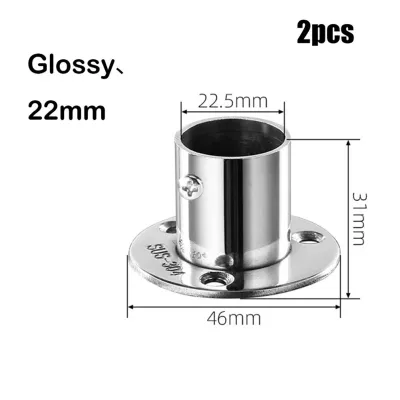
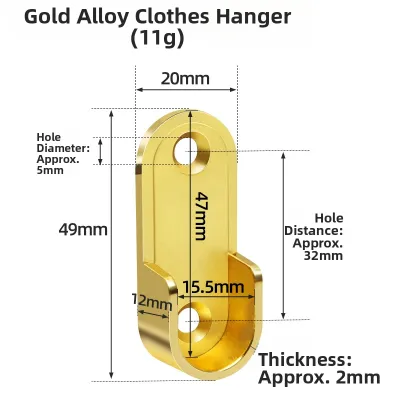
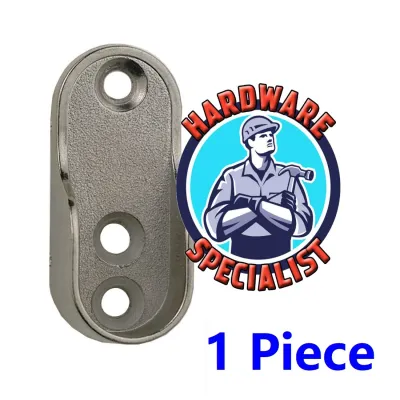
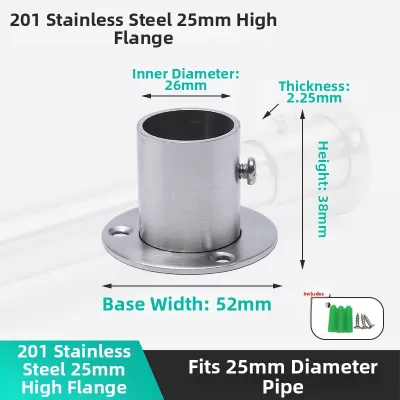
Prices are valid at publication and may change. Please refer to the product page for the latest price.
Stability and load-bearing dynamics also differ significantly between the two designs. The stability of a freestanding rack depends heavily on its center of gravity, base width, and how evenly you distribute the weight of your clothes. If it is overloaded on one side, it risks tipping over. A wall-mounted bracket relies entirely on the structural integrity of the wall and the strength of the mounting hardware. When anchored correctly into solid concrete or structural wall studs, a wall-mounted bracket can support substantial weight without any risk of wobbling or tipping, making it a highly secure option for heavy-duty storage.
When to Choose Wall-Mounted Brackets
Wall-mounted brackets excel in specific architectural environments where floor space is at a premium. In many Singapore homes, entryways, narrow corridors, and the spaces behind doors are often underutilized because standard furniture would block pathways. A wall-mounted clothes hanging bracket fits perfectly into these tight zones, providing a convenient spot to hang daily wear, bags, or umbrellas without obstructing foot traffic. It allows you to maximize every square centimeter of your layout while keeping the floor looking clean and spacious.

The structural composition of your walls is another critical factor that favors a wall-mounted setup. If your home features solid concrete, brick, or masonry walls—which are incredibly common in HDB flats and condominiums—you have the ideal foundation for a heavy-duty wall-mounted bracket. These dense materials provide exceptional grip for expansion anchors, allowing the bracket to reliably support heavy winter coats, damp rain gear, or freshly laundered clothes. If you need a robust, permanent hanging solution that will not sag or sway under pressure, mounting directly into solid masonry is highly effective.
Beyond practical utility, wall-mounted brackets are the preferred choice for achieving a minimalist, modern aesthetic. Because they lack legs and a bulky base, they create a floating effect that aligns beautifully with contemporary interior designs. This permanent setup helps establish a dedicated, organized zone in your bedroom, walk-in wardrobe, or laundry area. If you own your home and plan to keep your storage layout consistent for years to come, investing the time to install a high-quality wall-mounted system delivers a clean, integrated look that enhances your home’s overall value and appeal.
When to Choose Freestanding Brackets
Freestanding clothes hanging brackets offer unmatched flexibility, making them the ideal choice for temporary living situations and rental properties. If your tenancy agreement strictly prohibits drilling holes into the walls, or if you want to avoid the hassle of patching plaster when you eventually move, a freestanding rack is a lifesaver. It provides immediate hanging space without leaving any permanent marks on the property. When it is time to relocate, you can simply disassemble the unit or carry it whole to your next home.
These units are also highly suited for spacious, open-concept layouts, large bedrooms, or walk-in closets where floor space is abundant. If you have an empty corner that feels cold or underutilized, a stylish freestanding coat rack or clothes tree can fill the void while adding functional storage. Because they are mobile, you can easily shift them from the bedroom to the living room when hosting guests, or move them closer to your laundry area on ironing days. This adaptability makes them a versatile tool for managing changing household needs.
Additionally, many freestanding models are designed as multi-functional storage organizers. Rather than just offering a single hanging rail or a set of hooks, they often feature integrated base shelves, built-in shoe racks, or multiple tiers of storage. This allows you to keep your shoes, bags, hats, and storage baskets organized in one centralized location. If you want a comprehensive storage solution that handles more than just hanging garments, a multi-tiered freestanding rack provides excellent all-in-one utility without requiring you to purchase separate furniture pieces.
Decision Framework: Matching the Bracket to Your Room
To help you decide which style best fits your home, use this straightforward decision framework based on your living conditions, wall types, and storage habits.
Choose a wall-mounted clothes hanging bracket if:
- Your floor space is highly restricted, such as in a narrow entryway, hallway, or compact laundry room.
- You own your home or have permission to drill, and you want a permanent, minimalist storage setup.
- Your walls are made of solid concrete, brick, or have easily accessible structural studs that can support heavy loads.
- You prefer a clean, floating aesthetic that makes cleaning and vacuuming your floors effortless.
Choose a freestanding clothes hanging bracket if:
- You live in a rental property, move frequently, or want to avoid drilling holes and damaging your walls.
- You have ample floor space, empty corners, or an open-plan layout that can easily accommodate a floor-standing unit.
- You want the flexibility to move your hanging storage between different rooms as your daily needs change.
- You require extra storage features, such as integrated shoe shelves, bottom baskets, or multi-tiered accessory hooks.
Verify first if:
- Your walls are made of drywall, plasterboard, or hollow partition materials, as these require specialized mounting hardware and have lower weight capacities.
- You have measured the exact clearance height and width of your target area to ensure a freestanding unit will not block doorways, light switches, or air conditioning vents.
- You have checked the lift or doorway dimensions of your building to ensure a large, pre-assembled freestanding unit can be easily delivered to your unit.
Pre-Purchase and Installation Safety Checks
Before purchasing any clothes hanging bracket, it is crucial to perform several safety and compatibility checks to prevent property damage or personal injury. First, always check the manufacturer’s product label or specification sheet for the maximum load capacity. Never assume a bracket can hold unlimited weight; overloading a wall-mounted unit can tear it from the wall, while overloading a freestanding rack can cause it to collapse or tip over. Keep in mind that wet clothes weigh significantly more than dry garments, so factor this in if you plan to use the bracket for air-drying laundry.
For wall-mounted installations, verifying your wall type is the most critical step. Standard plastic wall plugs are suitable for solid concrete, but they will fail if used in hollow drywall. If you are mounting onto drywall or plasterboard, you must locate the wooden or metal studs behind the wall using a stud finder, or use heavy-duty hollow-wall anchors designed specifically for partition walls. If you are uncertain about your wall’s composition, structural integrity, or how to safely operate a hammer drill, always consult a qualified professional handyman to handle the installation.
If you opt for a freestanding model, pay close attention to the base design and weight distribution. Look for models with a wide, heavy base that lowers the center of gravity, making the unit inherently more stable. When assembling the rack, ensure all joints, screws, and connections are tightened securely, and check them periodically as daily use can loosen hardware over time. If you have young children or pets in your home, place the freestanding rack in a low-traffic corner and avoid hanging heavy bags or coats near the top hooks, as uneven weight distribution can easily cause the unit to tip over.
Frequently Asked Questions (FAQ)
Can I install a wall-mounted bracket on drywall or plasterboard?
Yes, you can install a wall-mounted clothes hanging bracket on drywall or plasterboard, but you must take specific precautions. Standard wall plugs will not hold in hollow walls and can pull out under the weight of your clothes. Instead, you must anchor the bracket directly into the wooden or metal wall studs behind the drywall, or use specialized hollow-wall anchors such as toggle bolts or heavy-duty metal expansion plugs. Always check the manufacturer’s instructions to see if the bracket is rated for drywall installation, and keep your total hanging weight well below the maximum limit to prevent wall damage.
How do I prevent a freestanding bracket from tipping over?
To keep a freestanding clothes hanging bracket stable, always distribute the weight of your garments as evenly as possible around the rack. Avoid hanging all your heavy coats on one side, which shifts the center of gravity and causes instability. If your rack has multiple tiers, place heavier items like boots, bags, or storage boxes on the bottom shelves to act as a counterweight, and hang lighter items on the upper hooks. Finally, ensure the rack is placed on a completely flat, level floor surface, and check the assembly screws regularly to make sure they remain tight and secure.
Community discussion
Share your experience or ask a question. Comments are reviewed before publication.