
Choosing the right cap organizer depends on your available floor area, collection size, and whether you can drill into your walls. If you want to keep your floor completely clear and display a curated collection of caps, a wall-mounted organizer is often the most space-efficient option. It utilizes vertical space that otherwise goes unused, making it highly practical for compact rooms.
Conversely, if you rent your home, have a large and growing collection, or prefer the flexibility to rearrange your furniture, a freestanding cap organizer is a highly flexible choice. This style requires no drilling and can be moved from room to room as your storage needs evolve. The primary trade-off lies in balancing wall space and installation effort against floor footprint and mobility.
Space and Layout: Evaluating Your Room Constraints
Evaluating your room’s physical layout is the first step in choosing an organizer. Wall-mounted organizers excel at turning dead vertical space into functional storage. You can install them in areas that do not interfere with foot traffic, such as the space above a study desk, behind a bedroom door, or along a narrow hallway. In compact living environments, such as typical apartments in Singapore, saving floor space is often a primary design goal. By lifting your caps off the ground, you preserve valuable floor area for larger furniture pieces.
Products mentioned in this guide
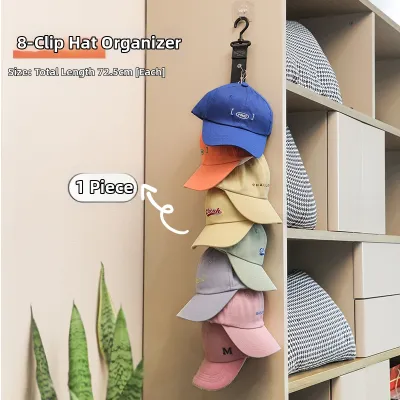

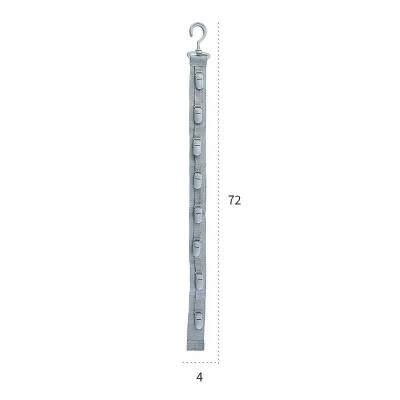
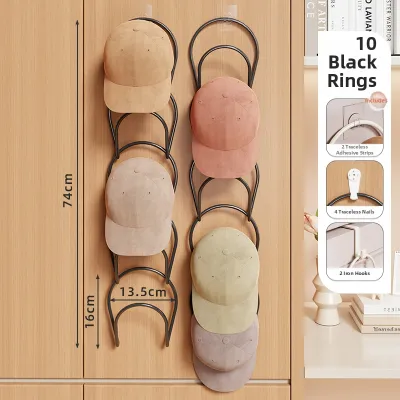
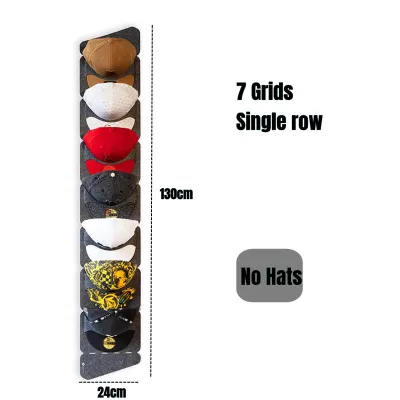
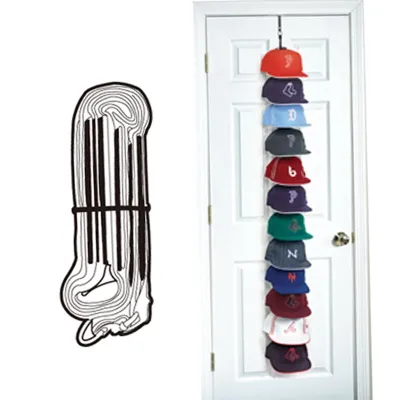
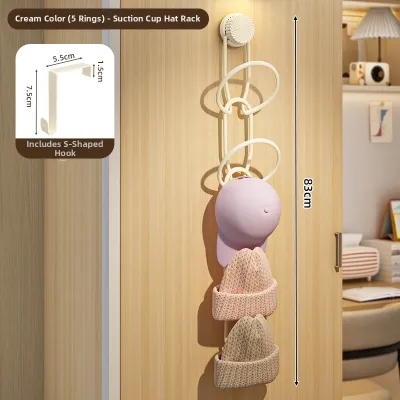

Prices are valid at publication and may change. Please refer to the product page for the latest price.
Freestanding organizers, on the other hand, require a dedicated portion of your floor. They are highly suited for unused corners, walk-in closets, or open-concept rooms where they can stand independently. Because they occupy physical floor space, they work best in rooms that are not already crowded with furniture. A freestanding rack can also serve as a decorative accent piece in a bedroom or entryway, provided there is enough clearance around it to prevent the space from feeling cramped.
Before making a purchase, you must perform a few physical checks in your room. Start by measuring the exact width and height of the wall space you plan to use for a wall-mounted unit. Ensure that the depth of the organizer, when fully loaded with caps, will not obstruct door swings, window openings, or nearby cabinet doors. For freestanding units, measure the floor footprint and ensure there is at least a sixty-centimeter clearance zone around the rack. This clearance allows you to walk past and access your caps comfortably without accidentally knocking them over.
Capacity and Collection Size: Matching Storage to Your Hats
The size and nature of your cap collection should directly influence the structure of the organizer you select. Wall-mounted cap organizers are generally best suited for curated, smaller, or rotating collections. Because they rely on the structural integrity of your wall and the strength of the mounting hardware, their capacity is naturally limited. They are well-suited for displaying your favorite or most frequently worn caps, keeping them visible and easily accessible while keeping the overall look clean and uncluttered.

If you have a large, expanding collection of caps, a freestanding organizer typically offers a much higher storage volume. Many freestanding designs feature multi-tiered hooks, circular carousels, or vertical hanging straps that allow you to store dozens of caps in a relatively small footprint. These units are designed to distribute weight evenly across a stable base, making them safer for heavy-duty storage. They are ideal for collectors who want to keep their entire inventory in one centralized location.
To verify which capacity fits your needs, start by counting your current cap collection and estimating how many pieces you might add over the next year. Check the manufacturer’s specifications for weight limits and the physical spacing between individual hooks or clips. If the hooks are positioned too close together, your caps will overlap, which can crush the crowns or bend the brims. Ensure the organizer provides enough breathing room for each cap to sit naturally without being squeezed by its neighbors.
Installation, Mobility, and Daily Use
The installation process and long-term flexibility of these two organizer types differ significantly. Installing a wall-mounted cap organizer requires a certain level of DIY effort and the right tools. You will need to identify your wall material—whether it is drywall, concrete, or masonry—and select the appropriate wall anchors and screws. Drilling into concrete walls, common in many modern apartments, requires a masonry drill bit and sturdy wall plugs to ensure the rack remains secure under the weight of your caps. Removing a wall-mounted unit later will leave holes that require patching and painting, which may not be ideal for renters.
Freestanding cap organizers offer a completely hassle-free setup with zero wall damage. Most models require only basic assembly using included tools, and they can be placed anywhere in your home immediately. This makes them highly attractive to renters who want to avoid losing their security deposit over wall repairs. Furthermore, freestanding units offer unmatched mobility; you can easily move the rack from the entryway to the bedroom or closet whenever you decide to rearrange your living space.
Daily usability is another crucial factor to consider when choosing between the two styles. A wall-mounted organizer allows you to position your caps at the exact height that suits your daily routine, making it incredibly easy to grab a hat on your way out. However, if you install it too high or behind other furniture, accessing your caps can become a daily chore. Freestanding organizers offer consistent, multi-level access, but you must ensure the base is heavy and stable enough that the unit does not wobble or tip over when you pull a cap off a high hook.
Decision Framework: Finalizing Your Choice
To finalize your decision, use this structured framework to match your living situation and storage habits with the right cap organizer type.
Choose a wall-mounted organizer if:
- Limited floor space: You want to keep your walkways completely clear and preserve floor area.
- Permanent ownership: You own your home or have permission to drill, and you are comfortable using basic tools like a drill and level.
- Curated display: You want to create a permanent, visually striking display of a smaller, select cap collection.
- Dead space utilization: You want to utilize dead vertical space behind doors or above existing furniture.
Choose a freestanding organizer if:
- Rental constraints: You rent your living space and want to avoid drilling holes or performing wall repairs when you move out.
- Large collection: You have a large, growing collection of caps that requires high-volume, multi-tiered storage.
- Layout flexibility: You enjoy rearranging your room layouts frequently and value the ability to move your storage units easily.
- Corner availability: You have an unused corner or closet floor space that can easily accommodate a dedicated storage footprint.
Before purchasing either option, verify these critical details:
- Wall compatibility: Check your wall type to ensure you have the correct mounting hardware for a wall-mounted unit.
- Cap dimensions: Measure the dimensions of your caps, especially if you own wide-brimmed hats or structured snapbacks, to ensure the organizer's hooks or clips provide adequate spacing.
- Base stability: Examine the stability of any freestanding unit's base, prioritizing heavier materials or wider footprints to prevent tipping.
Frequently Asked Questions (FAQ)
Can I mix wall-mounted and freestanding organizers in the same room?
Yes, combining both types of organizers is an excellent way to optimize your storage while creating a dynamic visual layout. You can use a sleek, wall-mounted rack near your entryway to hold your daily-wear caps, keeping them within arm’s reach as you leave the house. Meanwhile, a larger freestanding unit can be placed inside your bedroom or walk-in closet to store your seasonal, delicate, or collectible headwear.
To maintain visual cohesion when mixing these two styles, try to match their materials or color palettes. For example, if you choose a black metal wall-mounted rack, look for a freestanding unit with a similar black metal frame. Keeping the design language consistent prevents the room from looking cluttered and ensures that both organizers feel like a deliberate part of your interior decor.
How do I prevent caps from losing their shape on an organizer?
Preserving the structure of your caps requires careful attention to how they are hung and stored. When using organizers with clips, check the tension of the clips to ensure they do not leave permanent indentations or creases on the brims. If you are using hooks, ensure the curvature of the hook matches the natural curve of the cap’s inner band or sweatband, which prevents the crown from collapsing or puckering.
For long-term storage on freestanding racks, consider placing acid-free tissue paper or plastic cap shapers inside the crowns of your most delicate hats to help them maintain their shape over time. Additionally, avoid overcrowding your organizer. Hanging multiple caps on a single hook or squeezing them too closely together can crush the structured panels of adjacent caps, leading to permanent distortion.
Community discussion
Share your experience or ask a question. Comments are reviewed before publication.