
Finding an organized, accessible home for your daily bags prevents clutter from accumulating on dining tables, entryway benches, or bedroom floors. Selecting the right bag hanger rack depends on your housing status, available floor space, and the structural composition of your walls.
Choose a wall-mounted bag hanger rack if:
- You live in a compact apartment, such as a typical Singapore HDB flat or condominium, where conserving floor space is a top priority.
- You own your home and have the freedom to drill permanent holes into the walls.
- You prefer a clean, minimalist, floating aesthetic that leaves your floors completely clear for effortless cleaning.
Choose a freestanding bag hanger rack if:
Products mentioned in this guide

![[SG SELLER]Space Saving Rotated Hanger Hooks Wardrobe Clothes Rack Hanger Organizer Bag Hanger Shoes Belt Scarf Hanging Rack Closet Hanger](https://img.lazcdn.com/g/p/6ae865300e6d2cfda78b47776ca0c449.jpg_400x400q80.jpg_.webp)
![[SG] IMP HOUSE Durable 360° Rotating Bag Hanger with 4 widening hooks Handbag Storage Space Saving](https://img.lazcdn.com/g/p/9dcf0e22347536ea9ddf0fcccdd911be.jpg_400x400q80.jpg_.webp)


Prices are valid at publication and may change. Please refer to the product page for the latest price.
- You are currently renting your home and want to avoid potential disputes or security deposit deductions over wall damage.
- You enjoy rearranging your furniture layout periodically or want the flexibility to move the rack between rooms.
- You have a large, varied collection of heavy bags that require 360-degree accessibility, or you want a statement furniture piece.
Verify first if: Before buying a wall-mounted model, verify your wall construction. Solid concrete or brick walls support heavy loads when drilled correctly, whereas partition drywalls require specialized hollow-wall anchors and support significantly less weight.
Space Efficiency and Layout Flexibility
Modern apartments often feature tight entryways, narrow corridors, or compact bedroom layouts where every square centimeter of floor space counts. In these restricted zones, a wall-mounted bag hanger rack excels by utilizing underused vertical space. By lifting bags off the ground, you maintain a clear pathway, reducing the risk of tripping in high-traffic areas. However, keep in mind that a wall-mounted rack still requires physical clearance; a bulky backpack or large tote protruding from the wall can narrow a tight hallway, so it is essential to measure the projection depth of both the rack and your bags.
Furthermore, keeping the floor clear greatly simplifies home maintenance. Robotic vacuums, brooms, and mops can glide underneath a wall-mounted rack without obstruction. There are no legs or heavy bases to lift or clean around, which prevents dust bunnies from accumulating in hard-to-reach corners. This is particularly advantageous in tropical climates where dust and pet hair can quickly gather in neglected floor areas.
Conversely, a freestanding bag hanger rack requires a dedicated footprint on your floor. This footprint can range from a modest 30-centimeter diameter circle to a larger, sprawling base. While it occupies physical floor space, a freestanding rack offers unparalleled layout flexibility. It does not tie you to a single spot. You can position it next to your front door today, move it into your bedroom tomorrow, or relocate it to a walk-in closet next year. This mobility makes it easy to adapt your storage setup as your lifestyle or household needs evolve.
In larger homes, such as spacious executive maisonettes, semi-detached houses, or landed properties, a freestanding rack can serve as a functional zoning tool. It can act as a visual boundary between an entryway and a living room, or stand as a central island feature in a spacious dressing suite. The ability to access the rack from all 360 degrees makes it highly convenient when you have multiple users or when you want to display your bag collection as a design feature.
The visual weight of these two options also differs significantly. Wall-mounted racks tend to look lighter and more integrated into the architecture of the room, making small spaces feel more open and airy. Freestanding racks, especially those with elaborate branching designs or wide bases, carry more visual weight. They draw the eye and function as distinct pieces of furniture rather than subtle storage solutions, which can make a small room feel slightly more crowded if not positioned carefully.
Weight Capacity, Stability, and Safety Considerations
When evaluating weight capacity, the two styles operate on entirely different mechanical principles. A wall-mounted rack relies on shear force and the holding power of the anchors embedded in your wall. If installed in solid concrete—a standard structural material in Singapore homes—a wall-mounted rack can support substantial weight, easily holding heavy leather briefcases, laptop backpacks, and filled tote bags. The physical connection to the wall distributes the weight directly into the building’s structure, making it incredibly robust.

However, if you install a wall-mounted rack into a non-structural partition wall or drywall without finding the timber studs, the risk of structural failure increases. Overloading a poorly anchored rack can cause the screws to pull out, tearing the drywall and damaging your expensive bags in the process. Always check the manufacturer’s specified weight limits and compare them against the cumulative weight of your daily-use bags. An empty leather tote can weigh 1.5 kilograms, while a laptop, charger, and water bottle can easily add another 4 kilograms, quickly adding up to a heavy load.
Freestanding racks face a different physical challenge: tipping. Because they stand on a central column or a frame, their stability is governed by gravity and balance. If you hang multiple heavy bags on one side of a freestanding rack while leaving the other side empty, the center of gravity shifts outside the base, causing the entire unit to fall. This can damage your bags, scuff your floors, or harm anyone standing nearby.
To mitigate this risk, look for freestanding models that feature a heavy, weighted base—often constructed from solid marble, cast iron, or thick timber. Additionally, practice proper weight distribution by placing your heaviest items, such as laptop bags or heavy backpacks, on the lowest hooks. This keeps the center of gravity low and stabilizes the structure. Avoid hanging heavy items near the very top of a tall, lightweight rack, as this dramatically increases the risk of tipping.
Safety is a critical consideration for households with young children or active pets. A curious toddler or a playful dog can easily pull down a freestanding rack, leading to potential injuries. If you choose a freestanding option in a child- or pet-friendly home, consider securing the top of the rack to the wall with an anti-tip furniture strap. For wall-mounted racks, ensure they are installed at a height that is out of reach of small children but still comfortable for adult use, and verify that the hooks do not have sharp, protruding edges that could cause injury.
Installation Requirements and Rental Restrictions
The effort required to install these racks can be a deciding factor for many homeowners and tenants. Installing a wall-mounted bag hanger rack in Singapore typically involves drilling into tough masonry or concrete walls. This task requires specialized tools, including an impact drill or rotary hammer, masonry drill bits, wall plugs (anchors), a spirit level, and a hammer. You must also exercise caution to avoid drilling into hidden utility pipes or electrical conduits, which often requires using a wall scanner before you begin.
For those without DIY experience or access to these power tools, installing a wall-mounted rack may require hiring a professional handyman, adding to the overall cost of the project. Furthermore, if you make a mistake during drilling, patching up concrete walls is a tedious process that involves wall putty, sanding, and color-matched paint touch-ups. If the holes are not drilled straight, the rack will sit unevenly, which can affect both its appearance and its weight distribution.
For tenants renting a home in Singapore, wall-mounted racks present legal and financial hurdles. Most standard tenancy agreements contain strict clauses prohibiting tenants from drilling holes in the walls without written consent from the landlord. At the end of the tenancy, you are legally obligated to restore the property to its original condition. Patching and repainting multiple drill holes to a professional standard can be time-consuming and costly, and failure to do so could result in deductions from your security deposit.
While high-strength adhesive hooks and damage-free mounting strips are marketed as alternatives, they have strict weight limits. The high humidity in Singapore can also weaken adhesives over time, causing the rack to fall unexpectedly and peel off the wall paint or plaster, leaving you with a damaged wall anyway. Consequently, adhesive options are generally not recommended for supporting anything heavier than lightweight canvas tote bags or empty clutches.
Freestanding bag hanger racks offer a completely stress-free alternative for renters and DIY-averse homeowners. They are essentially “plug-and-play” furniture. Most models arrive flat-packed and require only basic assembly using simple hand tools like an Allen key or screwdriver, which are usually included in the box. You do not need to worry about wall types, drilling errors, or landlord approval.
There is absolutely no risk of damaging the property’s structure, making freestanding racks the ideal choice for temporary living situations. When your lease ends, you can simply pack up the rack and take it with you to your next home without spending your final weekend patching holes and repainting walls. This ease of relocation makes freestanding racks highly practical for young professionals and families who move frequently.
Aesthetics and Room Integration
Beyond utility, your bag hanger rack should complement your home’s interior design. Wall-mounted racks offer a streamlined, modern aesthetic that blends seamlessly into minimalist, Scandinavian, or industrial interiors. Because they float off the floor, they create a sense of lightness and architectural integration. They can turn an empty wall into a functional design feature, especially if you choose a model with a beautiful wood grain or a sleek metal finish.
Some wall-mounted designs feature retractable hooks that fold flat against the wall when not in use, turning the rack into a clean, decorative wooden or metal panel. You can select materials that match your existing woodwork or choose matte black powder-coated steel to coordinate with industrial light fixtures or window frames. This adaptability allows wall-mounted racks to maintain a clean visual profile even when they are not actively holding your bags.
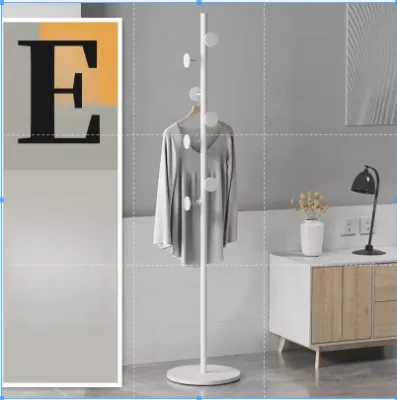
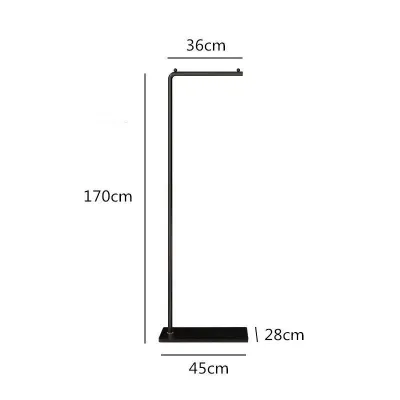
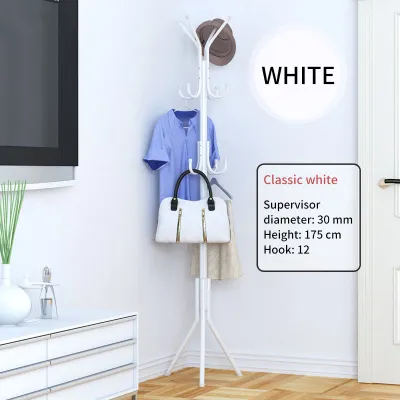
Freestanding racks, on the other hand, make a bolder design statement. They act as functional sculptures within a room. A classic wooden coat-and-bag tree can add warmth and traditional charm to a foyer, while a sleek, geometric metal valet stand fits perfectly in a contemporary bedroom. These racks can serve as focal points, drawing attention to a specific corner of a room and anchoring the surrounding decor.
Ladder-style racks, which lean against the wall without requiring permanent fasteners, offer a trendy, casual look popular in modern organic or bohemian interiors. They provide multiple rungs and hooks for hanging bags, scarves, and hats, creating a curated, boutique-like display. This style combines the space-saving benefits of a wall-oriented design with the non-destructive nature of freestanding furniture.
When selecting a rack, pay close attention to the finish. In Singapore’s humid climate, natural wood should be treated with a moisture-resistant sealant or varnish to prevent mold growth and warping. If opting for metal, look for rust-resistant powder coatings, brass, or stainless steel to ensure the rack maintains its pristine appearance over years of daily use. Coordinating the metal or wood tone of your rack with other hardware in the room—such as door handles, light switches, or light fixtures—creates a cohesive and polished look.
Final Decision Checklist: Matching the Rack to Your Lifestyle
To help you finalize your choice, review this quick decision checklist based on your specific living conditions and daily habits:
Housing Status and Lease Rules
- Homeowner: A wall-mounted rack is a permanent, highly space-efficient investment that integrates beautifully into your home's architecture.
- Tenant: A freestanding rack avoids lease violations, drilling disputes, and potential security deposit deductions.
Available Space and Room Flow
- Tight Entryways and Corridors: A wall-mounted rack keeps pathways clear and floor cleaning completely unobstructed.
- Spacious Rooms and Walk-In Closets: A freestanding rack utilizes open floor space and provides convenient 360-degree access.
Bag Collection Weight and Size
- Heavy Backpacks and Laptops: A wall-mounted rack (installed securely into solid concrete) offers superior load-bearing strength and structural stability.
- Lightweight Purses and Clutches: A freestanding rack allows easy, visible access to a varied collection without overloading the base.
Installation Comfort and Tools
- DIY-Averse: A freestanding rack requires zero drilling, basic hand tools, and minimal assembly time.
- Handy with Tools: A wall-mounted rack offers a rewarding weekend project with a permanent, streamlined payoff.
Before making your purchase, take a few minutes to measure your intended space. Check the width of your hallways, the clearance behind doors, and the composition of your walls. Taking these steps guarantees that your new bag hanger rack will be both highly functional and perfectly integrated into your home.
Frequently Asked Questions (FAQ)
Can I mount a bag hanger on a drywall or partition wall?
Yes, you can mount a bag hanger on drywall, but you must take specific precautions. Standard plastic wall plugs designed for concrete will pull out of drywall under the weight of heavy bags. Instead, you must use specialized hollow-wall anchors, such as toggle bolts or self-drilling threaded drywall anchors. For maximum stability, locate the timber studs behind the drywall using a stud finder and screw the rack directly into them. Keep in mind that drywall installations have a lower overall weight capacity than concrete, so avoid hanging heavy laptop bags or packed backpacks on them.
How do I prevent a freestanding rack from tipping over?
To prevent a freestanding rack from tipping, always prioritize proper weight distribution. Hang your heaviest bags on the lowest hooks to keep the center of gravity as close to the floor as possible. When adding or removing bags, distribute the weight evenly around the rack rather than loading up one side. When shopping, choose a model with a wide, heavy base made of dense materials like marble or solid iron. If you have young children or pets, secure the top of the rack to the wall using a discreet anti-tip furniture strap.
Community discussion
Share your experience or ask a question. Comments are reviewed before publication.