
Protecting a mattress from spills, sweat, and allergens is essential for extending its lifespan and maintaining a hygienic sleeping environment. In a tropical climate like Singapore’s, where high relative humidity and warm temperatures are year-round realities, mattresses are highly vulnerable to moisture accumulation. Perspiration during sleep, accidental spills of iced drinks, and the rapid proliferation of dust mites in humid conditions can quickly degrade mattress materials and compromise indoor air quality. A plastic sheet cover serves as an absolute physical barrier, preventing these liquids and micro-allergens from penetrating the deep comfort layers of your bed.
In tropical regions, the relative humidity indoors often exceeds 70%, creating an ideal breeding ground for microscopic pests like dust mites. These organisms feed on shed skin flakes and thrive in the warm, damp fibers of unprotected mattresses. When you add nocturnal sweat—which an average adult produces in significant quantities each night—the mattress becomes a sponge for moisture. Over time, this moisture leads to mold, mildew, and structural breakdown of the mattress foams and coils. A waterproof barrier is not just about preventing accidental liquid spills; it is a critical line of defense for long-term bed hygiene.
However, choosing a plastic sheet cover involves a fundamental trade-off between complete liquid impermeability and sleep comfort. While a non-porous plastic layer excels at blocking 100% of fluids, it also restricts airflow. This lack of breathability can trap body heat and moisture close to your skin, leading to a clammy, uncomfortable sleep surface. Additionally, some plastic materials produce noticeable rustling or crinkling sounds with every movement, which can disrupt light sleepers.
Products mentioned in this guide
![[2-3 Days Delivery] 4.5m x 20m Plastic Dust Cover Protective Plastic Sheet Disposable Furniture Dustproof Cover Protective Cover Plastic Cover Plastic Film for Home Improvement CNY Gift Present](https://img.lazcdn.com/g/p/37fceab8fc43d4b3b58593d55aae9bcb.jpg_400x400q80.jpg_.webp)
![[SG SELLER]Plastic Dust Cover Dust Prevention Renovation Drop Sheet Protective Plastic Film Furniture Dustproof Cover Paintproof Waterproof Cover Sheet Rolls](https://img.lazcdn.com/g/p/d2c82f6cde5eed649a28d487364fc7d2.png_400x400q80.png_.webp)
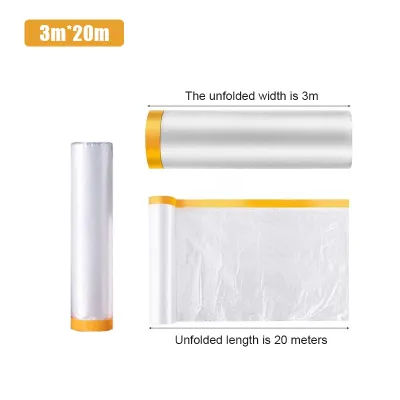
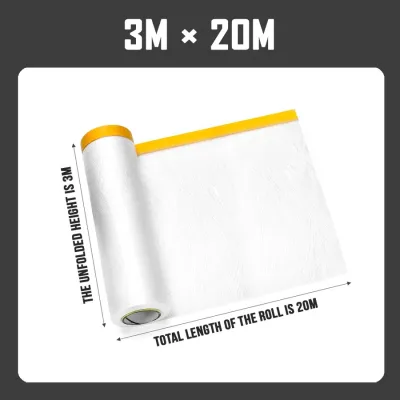
Prices are valid at publication and may change. Please refer to the product page for the latest price.
To find the right balance for your household, you must understand the distinct chemical and physical properties of the primary plastics used in mattress protection: vinyl, polyvinyl chloride (PVC), and polyethylene (PE). Each polymer behaves differently under tension, temperature changes, and physical wear. Selecting the wrong material can lead to noisy nights and excessive heat retention, while selecting the right one ensures reliable protection without sacrificing your sleep quality.
Vinyl, PE, and PVC: Decoding Comfort, Noise, and Durability
To make an informed decision, it is necessary to demystify the terms used by manufacturers and retailers. The market for plastic sheet covers often uses “vinyl” and “PVC” interchangeably, while positioning “PE” as a distinct alternative. Understanding how these polymers differ in structure, texture, and performance will help you predict how they will feel and perform on your bed.
Vinyl and PVC: The Heavy-Duty Waterproof Standard
In the context of bedding accessories, “vinyl” is the common consumer-facing term for Polyvinyl Chloride (PVC). When you see a mattress cover labeled as vinyl, it is made from this widely used synthetic polymer. To make rigid PVC flexible enough to drape over a bed, manufacturers add plasticisers—chemical compounds that increase the material’s pliability and softness.
From a protective standpoint, vinyl and PVC represent the gold standard for heavy-duty waterproofing. The polymer chains are tightly packed and completely non-porous, meaning no liquid, oil, or fine allergen can pass through the sheet. This makes vinyl covers exceptionally resilient against major spills, heavy incontinence, and physical wear. They resist tearing under significant tension and can withstand regular wiping with household disinfectants without degrading.
The density of PVC means it acts as an impenetrable shield. For commercial settings, hospitals, or households managing severe physical challenges, this level of durability is unmatched. The material is heavy enough to stay in place and does not easily stretch out of shape, ensuring that the corners of the mattress remain fully covered even under heavy movement.
Despite their unmatched protective qualities, vinyl and PVC covers have notable drawbacks regarding sleep comfort. Because they allow zero airflow, they tend to trap body heat, which can be particularly challenging during warm nights when air conditioning is not running. The material also exhibits a degree of stiffness that can cause a distinct “crinkling” or “rustling” noise whenever you turn over. Furthermore, vinyl sheets do not conform as smoothly to the mattress surface as woven fabrics, occasionally creating a slightly rigid feel under your standard bedsheets.
PE (Polyethylene): The Softer, Quieter Alternative
Polyethylene (PE) is another common thermoplastic polymer used in mattress protection, but it features a different molecular structure that alters its physical behavior. PE is generally formulated into thinner, more flexible films for bedding applications. It is widely recognized as a more modern alternative to traditional heavy vinyl, offering a different balance of protection and comfort.
The molecular structure of polyethylene is simpler and inherently more flexible than that of PVC, meaning it requires fewer chemical additives to remain pliable. In bedding, manufacturers typically utilize Low-Density Polyethylene (LDPE) to create sheets that are lightweight, highly flexible, and smooth to the touch. This makes PE covers much less intimidating to handle and install compared to their heavy vinyl counterparts.
The primary advantage of PE is its physical texture. It is naturally softer and more pliable than PVC, which allows it to drape more naturally over the contours of your mattress. This flexibility significantly reduces the friction that causes noise, making PE covers much quieter when you move during the night. For individuals who are sensitive to sound or who toss and turn frequently, PE provides a much less disruptive sleep experience than heavy-duty vinyl.
However, the softer nature of PE comes with specific structural trade-offs. It is generally less puncture-resistant than thick, heavy-duty vinyl, meaning sharp objects, pet claws, or rough handling can tear it more easily. While it feels lighter and less restrictive, PE remains a solid plastic film and does not possess true breathability. It will still retain more heat than a woven fabric or a semi-permeable membrane, though its lighter weight often makes it feel slightly cooler than thick PVC.
How to Choose the Best Material for Your Household Needs
Selecting between vinyl/PVC and PE depends entirely on your household’s specific protection priorities, sleep preferences, and the typical environment of the bedroom. By matching the material properties to your daily challenges, you can avoid unnecessary discomfort while securing the level of protection your mattress requires.

When to Choose Maximum Liquid Protection
If your primary goal is safeguarding an expensive mattress against severe, high-volume liquid hazards, heavy-duty vinyl or PVC is the most reliable choice. This category is highly recommended for households managing toddler bedwetting, severe adult incontinence, or frequent accidents from indoor pets. In these scenarios, the absolute impermeability of PVC ensures that no liquid reaches the mattress core, preventing permanent stains, mold growth, and unpleasant odors.
When shopping for a vinyl cover for maximum protection, look closely at the product specifications rather than relying on generic descriptions. Check the thickness of the material, which is typically measured in mils (one-thousandth of an inch) or microns. A thickness of 4 to 6 mils is standard for durable household protection, while covers labeled “heavy-duty” may reach 8 mils or more. Thicker sheets offer superior resistance to stretching and tearing over time.
Additionally, pay close attention to the seam construction. Stitched seams can have tiny needle holes that allow liquids to seep through under pressure. For absolute liquid protection, seek out covers with heat-welded or electronically sealed seams. These manufacturing methods fuse the plastic edges together, creating a continuous, leak-proof barrier that keeps liquids entirely contained on the surface for easy wipe-downs.
Furthermore, ensure you measure your mattress depth accurately before purchasing. A cover that is too small will be stretched to its limit, putting immense pressure on the seams and increasing the risk of tearing when you lie down. Choosing a cover with a generous pocket depth ensures a relaxed fit that preserves the integrity of the plastic barrier.
When to Prioritize Sleep Comfort and Low Noise
For everyday mattress protection where major liquid spills are rare, prioritizing comfort and quietness will lead to a much more satisfying sleep experience. If your main goals are blocking dust mites, preventing sweat from yellowing the mattress fabric, and shielding against occasional light spills, a PE sheet cover or a thin, fabric-backed vinyl cover is highly appropriate.
PE covers are ideal for guest rooms, children’s beds past the bedwetting stage, and active sleepers who are easily disturbed by rustling sounds. The softer drape of PE allows it to sit quietly beneath your standard fitted sheets, maintaining the natural feel of your mattress. It provides reliable defense against allergens and dust mites—which thrive in humid climates—without creating the stiff, clinical feel associated with heavy PVC.
To optimize comfort when using a PE cover in a warm climate, pair it with lightweight, breathable bedding. Using a high-quality cotton or bamboo fitted sheet over the protector helps absorb surface moisture and allows for better heat dissipation. Running a ceiling fan or keeping the bedroom air-conditioned can also mitigate the heat-trapping tendencies of the underlying plastic layer, ensuring a cool and restful night.
It is important to recognize the physical limits of pure plastic sheet covers. If you or your family members are highly sensitive to heat retention and find that even PE sheets cause uncomfortable night sweats, you may want to consider alternative materials. While pure plastic sheets offer an excellent, budget-friendly, and highly sanitizable barrier, advanced alternatives like thermoplastic polyurethane (TPU) laminated onto cotton or bamboo fabrics offer high breathability alongside water resistance, albeit often at a higher price point.
Safety Checks, Washing, and Maintenance Rules
To ensure your plastic mattress cover remains safe for your family and retains its protective qualities over time, you must follow proper selection, cleaning, and inspection protocols. Misuse or incorrect maintenance can quickly ruin the waterproof barrier or expose sleepers to unwanted chemicals.
First, always verify the safety credentials of the plastic cover before purchasing. Because flexible PVC historically relied on specific phthalates to achieve its pliability, it is crucial to look for products explicitly certified as “Phthalate-free” and “BPA-free.” Independent textile safety certifications, such as the OEKO-TEX Standard 100, provide reliable assurance that the finished product has been tested for harmful substances and is safe for direct contact, which is especially important for children’s beds.
When it comes to cleaning, plastic sheet covers require gentle care to prevent structural damage. Always consult the manufacturer’s specific care label on your product first. As a general rule for pure plastic covers, hand wiping with a damp cloth and a mild detergent is the safest and most efficient cleaning method. If machine washing is permitted by the manufacturer, use cold or warm water on a gentle cycle with a mild laundry detergent.
Never expose plastic covers to high heat. High temperatures will melt, warp, or crack both vinyl and PE, permanently destroying their waterproof integrity. This means you must never use hot water washes, never tumble dry on high heat (use air-dry or low-heat settings if allowed, or line dry in the shade), and absolutely never iron the cover. Additionally, avoid harsh chemicals like chlorine bleach or strong solvents, which can cause the plastic to stiffen, discolor, and become brittle.
For quick cleanups of minor spills, spot-cleaning is highly effective and extends the lifespan of the cover. Simply wipe the affected area with a soft cloth dipped in warm, soapy water, then rinse with a clean, damp cloth. Allow the cover to air dry completely before placing your bedsheets back on top. This localized approach minimizes the mechanical stress that machine washing places on the polymer bonds.
Finally, establish a routine to inspect your mattress protector every few months. Gently stretch the material and hold it up to a light source to check for micro-tears, thinning areas, or peeling backing. If you notice that the plastic has become excessively stiff, has developed a sticky texture, or exhibits visible cracks, it has reached the end of its useful lifespan. Replacing the cover promptly ensures your mattress remains fully protected against unexpected spills and moisture accumulation.
Frequently Asked Questions (FAQ)
Is it safe to sleep directly on a plastic sheet cover?
While certified phthalate-free plastic covers are chemically safe for skin contact, sleeping directly on them is not recommended. The non-porous surface of vinyl or PE cannot absorb or wick away perspiration, which will cause sweat to pool on the surface and lead to an uncomfortably hot, clammy sleep. To ensure proper comfort and hygiene, always place a breathable, fitted sheet made of cotton, linen, or bamboo over the plastic protector.
How do I stop my plastic mattress cover from making noise?
To minimize the noise of a plastic cover, ensure you choose a softer PE material rather than a thick, rigid PVC. When installing the cover, pull it taut over the mattress to eliminate loose folds that rub together and create rustling sounds. Additionally, placing a thick, quilted fabric mattress pad or topper directly over the plastic cover—and beneath your fitted sheet—will effectively muffle any remaining movement sounds.
Can a standard plastic sheet cover prevent bed bugs?
A standard fitted-style plastic sheet cover, which only covers the top and sides of the bed, cannot protect against bed bugs because it leaves the bottom of the mattress exposed. To prevent or manage bed bug infestations, you must use a fully zippered mattress encasement. A proper bed bug encasement completely encloses all six sides of the mattress and features a micro-zipper with a secure locking flap to prevent pests from entering or escaping.
Community discussion
Share your experience or ask a question. Comments are reviewed before publication.