
Finding the right wardrobe setup requires balancing your physical room dimensions with your daily storage habits. In Singapore, where bedroom floor space in HDB flats and condominiums is often limited, maximizing vertical and horizontal storage is essential. Modular closet organizer systems, such as those offered by vhive, provide a flexible way to customize your wardrobe layout without the high cost of fully custom-built carpentry.
To determine which configuration is worth buying for your home, you must evaluate how you store your clothes, the physical constraints of your room, and the structural integrity of the furniture. A well-planned system ensures that every shirt, dress, and accessory has a designated place, reducing clutter and streamlining your morning routine. This guide outlines how to assess your space, choose the right mix of components, and verify key specifications to build a durable, highly functional closet system.
Assessing Your Closet Space and Storage Requirements
Before browsing any furniture catalog, you must obtain precise measurements of the designated installation area. Use a steel measuring tape to record the width, height, and depth of the space at three different points—top, middle, and bottom—as walls and floors are rarely perfectly straight. Note any architectural features that could obstruct the installation, such as skirting boards, electrical outlets, light switches, air conditioning conduits, or distribution boards. Skirting boards, for example, can prevent a wardrobe frame from sitting flush against the wall unless the unit features a bottom recess or you plan to remove the skirting.
Products mentioned in this guide
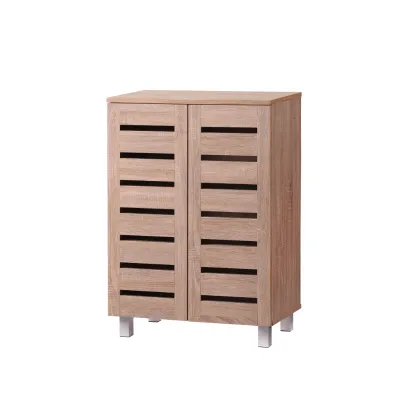
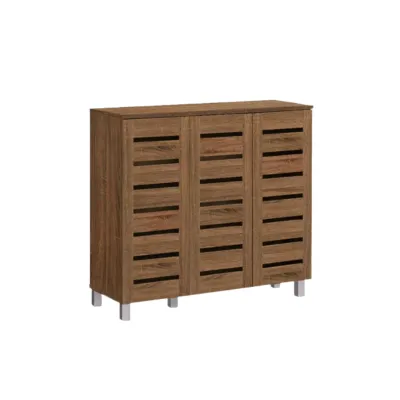
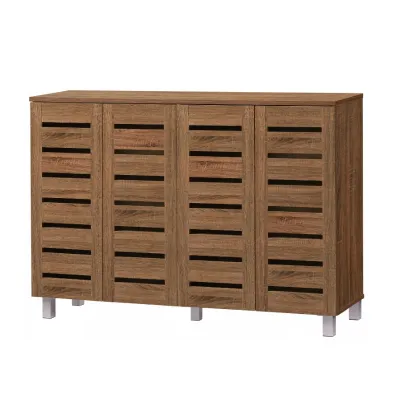
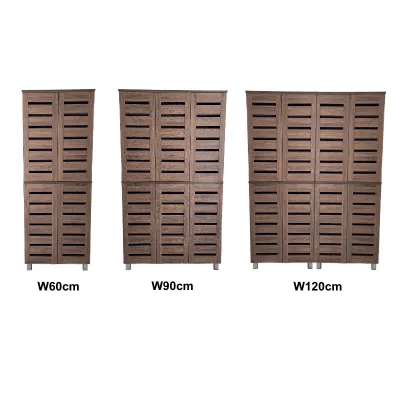
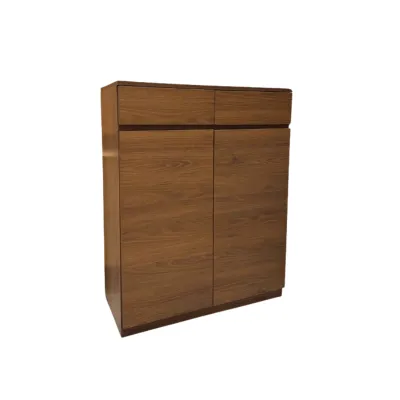
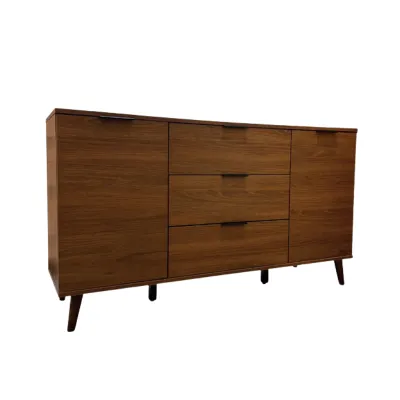
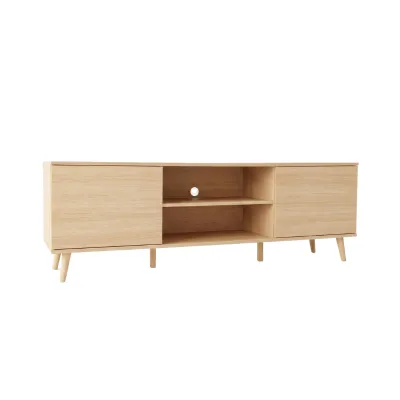
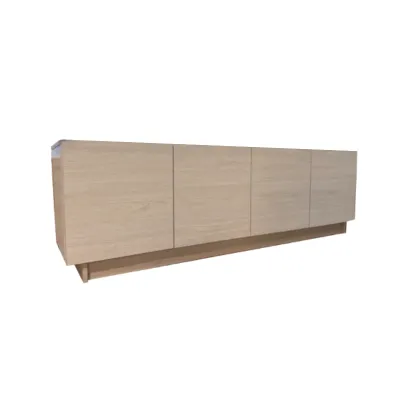
Prices are valid at publication and may change. Please refer to the product page for the latest price.
Next, conduct a thorough audit of your current wardrobe to understand your specific storage profile. Group your clothing into categories: long hanging items (dresses, coats), short hanging items (shirts, trousers, skirts), folded garments (t-shirts, knitwear, denim), and smaller accessories (socks, underwear, belts, jewelry). Count the number of items in each category to calculate the ratio of hanging space to shelving and drawer capacity you actually need. If you prefer hanging most of your clothes to avoid ironing, your system will require more hanging rods; if you have a large collection of folded knitwear, adjustable shelving should be your priority.
Finally, identify potential dead spaces and awkward corners within your room layout. Deep corners in L-shaped closets or high-clearance areas near the ceiling often go underutilized. You can address these challenging zones by planning for specific modular fills, such as corner wardrobe frames, or by using the top shelves of tall units for seasonal storage. Understanding these spatial limitations beforehand prevents you from purchasing modules that are too deep or wide for your room, ensuring a seamless fit.
Matching vhive Organizer Configurations to Your Needs
Modular closet systems allow you to mix and match different internal components to create a personalized storage solution. By selecting the right combination of hanging rods, shelves, and drawers, you can optimize every cubic centimeter of your wardrobe. The key is to align these components with the clothing audit you conducted, ensuring that heavy items are properly supported and frequently used items remain easily accessible.

Maximizing Hanging Space for Wardrobes
Hanging rods are the backbone of most wardrobe systems, but a single rod running across the top of a tall closet often leaves significant empty space underneath. To maximize efficiency, consider a double-tier hanging rod configuration for short garments like shirts, folded trousers, and jackets. This setup effectively doubles your hanging capacity within the same footprint. Reserve a single-tier, full-height section for long dresses, jumpsuits, and long coats to prevent them from bunching at the bottom of the wardrobe.
When planning your hanging sections, always check the manufacturer’s weight capacity labels for the rods and supporting brackets. Heavy winter coats, suits, and denim jackets exert substantial downward force, requiring sturdy metal rods with secure mid-span supports if the width exceeds a certain limit. Lightweight shirts and blouses, on the other hand, can be grouped together on standard rods without risk of bowing.
For deep wardrobes or high-clearance closets where reaching the top rod is difficult, evaluate the utility of specialized accessories. Pull-down wardrobe lifts allow you to utilize the highest areas of your closet while keeping garments accessible with a simple pull handle. Alternatively, valet rods that extend outward from the front of the shelf can provide temporary hanging space when planning outfits or sorting laundry, adding convenience to deep, narrow configurations.
Adjustable Shelving for Folded Items and Boxes
Shelving units offer excellent versatility for items that do not need to be hung, such as sweaters, t-shirts, storage bins, and shoes. When selecting shelves, evaluate both the depth and the adjustability of the panels. Adjustable shelves feature pre-drilled peg holes along the interior sides of the wardrobe frame, allowing you to reposition the shelves to accommodate tall storage boxes, bulky winter wear, or flat shoe organizers. This flexibility prevents wasted vertical space between shelves.
The surface material and edge treatment of the shelving are critical for protecting your clothing. Inspect the edge banding on the front of the shelves to ensure it is smooth, flush, and free of sharp edges or exposed adhesive. Rough edges can snag delicate fabrics like silk, lace, or fine knits, leading to permanent damage. High-quality laminate or melamine finishes provide a smooth, non-porous surface that is easy to wipe clean and resistant to wear.
To maintain the structural integrity of your shelving, plan your shelf spacing according to the weight of the items you intend to store. Heavy stacks of denim, sweaters, or filled storage boxes should be placed on lower, wider shelves, or supported by thicker panels. Review the manufacturer’s specified load limits for each shelf to prevent sagging over time. Distributing weight evenly across the shelf, rather than concentrating heavy items in the center, helps preserve the flat profile of the wood composite panels.
Drawer and Accessory Inserts for Small Items
Drawers and specialized inserts are essential for keeping small items, undergarments, and accessories organized and dust-free. When choosing drawer units, compare full-extension drawers with standard slide mechanisms. Full-extension runners allow the drawer to pull out completely, giving you full visibility and easy access to items stored at the very back. Standard runners may leave the rear third of the drawer partially obscured, making it difficult to retrieve smaller accessories.
For jewelry, watches, belts, and ties, consider integrating modular dividers or shallow accessory trays. These inserts keep small items separated and prevent them from rolling around or tangling when the drawer is opened and closed. Selecting dividers with soft felt or fabric linings adds a layer of protection for delicate accessories, while clear acrylic dividers make it easy to locate specific items at a glance.
It is also crucial to verify the vertical clearance and depth of your drawer units in relation to other wardrobe components. Ensure that drawers positioned below hanging sections have enough clearance so that hanging garments do not drag along the top of the drawer frame or get caught in the slide mechanisms. Planning the height of your drawers so they sit between waist and chest height ensures comfortable daily use without excessive bending or reaching.
Key Specifications to Check Before Buying
Purchasing a closet organizer system is a long-term investment, making it vital to verify all technical specifications before finalizing your order. Start by cross-referencing the exact external dimensions of the wardrobe modules—including width, depth, and height—with your measured room dimensions. Remember to account for the clearance required to assemble the unit. Many flat-pack or modular systems are assembled flat on the floor and then raised upright, which requires a ceiling height slightly greater than the actual height of the wardrobe frame. Check the manufacturer’s assembly instructions to confirm the minimum ceiling clearance needed for installation.
Next, carefully review the maximum load limits specified by the manufacturer for every component, including shelves, drawers, and hanging rods. These limits are typically calculated based on evenly distributed loads. Exceeding these recommendations can lead to structural failure, bowed shelves, or damaged drawer runners. If you plan to store heavy items like books, luggage, or extensive shoe collections, ensure the selected modules are rated for those specific weight demands.
In Singapore’s tropical climate, humidity is a major factor influencing the longevity of wooden furniture. High relative humidity can cause untreated wood composites, such as standard particle board or medium-density fiberboard (MDF), to absorb moisture, swell, and warp over time. When reviewing material labels, look for moisture-resistant finishes, high-quality melamine laminates, or sealed back panels that protect the core material from damp air. Ensuring proper ventilation in your bedroom and leaving a small gap between the back of the wardrobe and the wall can also help mitigate moisture buildup and prevent mold growth.
Installation and Space Planning Considerations
Proper installation is critical to the safety, stability, and performance of your closet organizer system. Tall, heavy furniture units present a potential tip-over hazard, especially when drawers are fully extended or if children attempt to climb the shelves. To prevent accidents, determine whether the system requires wall anchoring. Most manufacturers strongly recommend or require securing units taller than a certain height to the wall. Identify your wall type—such as solid concrete in HDB flats, or hollow drywall in some newer condominiums—to ensure you use the correct wall plugs, anchors, and screws for a secure hold.
Before assembly begins, carefully plan the physical sequence of the installation. Modular wardrobe panels are often large, heavy, and difficult to maneuver in tight spaces. Ensure you have cleared a sufficient working area in the room and that there is a clear path from the delivery entrance to the bedroom. If you are assembling the unit yourself, check that you have the necessary tools, such as a spirit level, rubber mallet, screwdriver, and drill, and always enlist a second person to help lift and position heavy frames safely.
While many modular systems are designed for straightforward home assembly, there are times when professional assistance is highly recommended. If your floor is significantly uneven, if you need to cut panels to fit around structural pillars, or if you are uncomfortable drilling into concrete walls, it is best to consult a qualified professional installer. Professional assembly ensures that the wardrobe frames are perfectly level, square, and securely anchored, which prevents doors from misaligning and extends the overall lifespan of your closet organizer.
Frequently Asked Questions (FAQ)
Can I mix and match different vhive closet organizer modules?
Yes, many modular closet systems are designed to be combined, but you must verify compatibility before purchasing. Check the manufacturer’s product documentation to ensure the modules share standardized connection points, depths, and heights. It is also important to match the finishes and edge styles if you want a cohesive look. When combining freestanding units with wall-mounted modules, always ensure the overall structure is stable and that the combined weight does not compromise the wall anchors or floor load capacity.
How do I prevent closet shelves from sagging over time?
To prevent shelves from bowing or sagging, always distribute weight evenly across the entire surface rather than placing heavy items in the center. Avoid exceeding the manufacturer’s recommended load limits, and place heavier items like storage boxes or thick denim on the lowest shelves. Additionally, check that the adjustable shelf support pins are fully inserted into the pre-drilled holes, and consider adding reinforcing brackets or center support rails if you are storing exceptionally heavy items on wide shelf spans.
Community discussion
Share your experience or ask a question. Comments are reviewed before publication.