
A velvet sofa brings an undeniable touch of luxury, depth, and texture to any living room, but finding the right one for a Singapore Housing & Development Board (HDB) flat requires balancing style with unique spatial and environmental challenges. In Singapore’s warm, humid climate, a velvet sofa can either be a plush, inviting centerpiece or a high-maintenance headache depending on the fabric composition, frame construction, and layout suitability. The best velvet sofa options for HDB homes are those made from modern performance synthetic fibers, offered by retailers that provide customizable dimensions and local after-sales support. By focusing on smart scaling, breathable synthetic blends, and precise pre-delivery planning, you can confidently integrate this elegant material into your flat.
Assessing Velvet for Singapore HDBs: Climate and Aesthetics
Singapore’s tropical humidity, which frequently exceeds 80% outdoors, poses a unique challenge for upholstered furniture. In a typical HDB flat, where air-conditioning may not run continuously in every room, natural fibers like traditional cotton or silk velvet can trap moisture from the air. This moisture retention can lead to musty odors, fiber degradation, and even mold growth over time. Consequently, understanding the material composition of your upholstery is the first step toward long-term durability.
Modern performance velvet, typically woven from 100% polyester or high-grade polyester blends, offers an exceptionally practical alternative for local homes. These synthetic fibers are engineered to be highly breathable and moisture-resistant, allowing air to circulate through the weave rather than trapping dampness. Performance velvet is also manufactured with a dense, flat pile that resists liquid absorption, making it far easier to wipe away spills before they set into stains.
Products mentioned in this guide
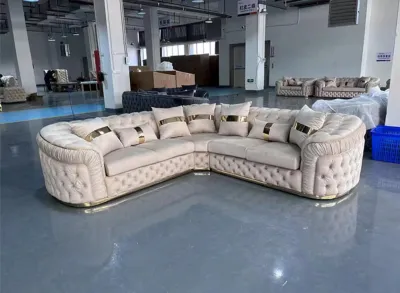
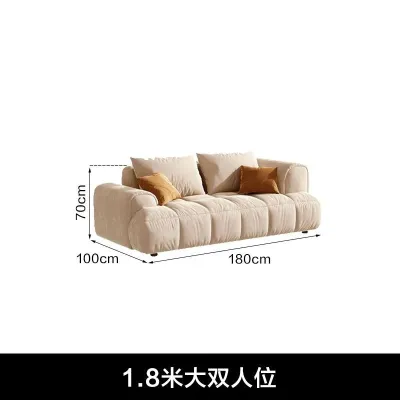
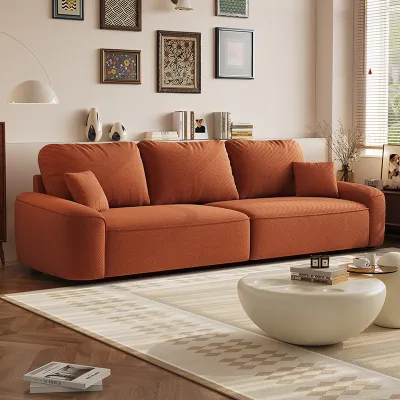
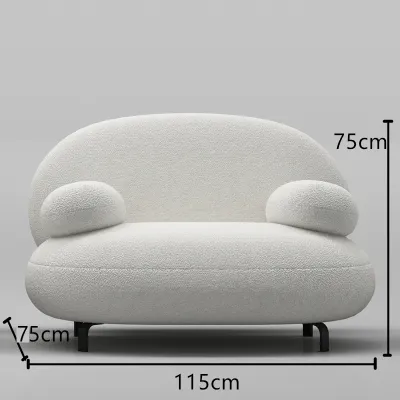
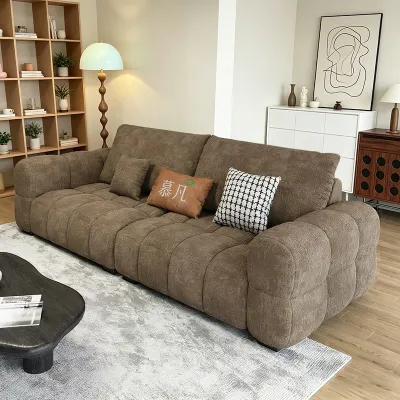
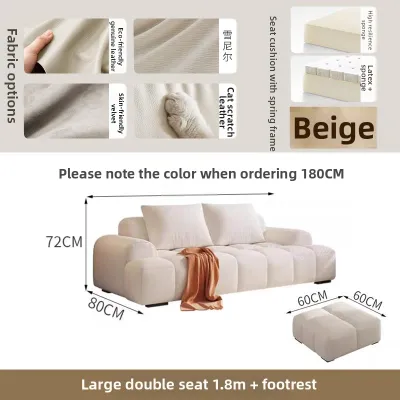
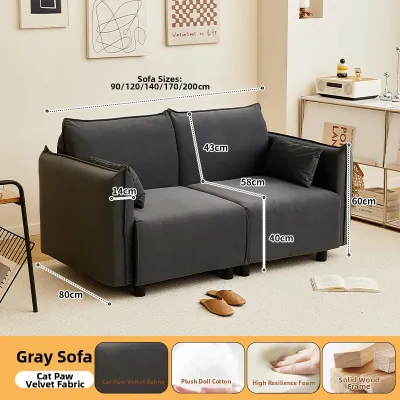
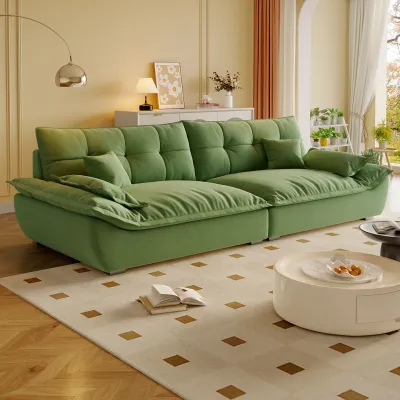
Prices are valid at publication and may change. Please refer to the product page for the latest price.
Before committing to a velvet finish, evaluate your household’s daily lifestyle and habits. If you have young children or pets, traditional velvet can be highly susceptible to snagging from toys or claws, and its pile can act as a magnet for pet dander and dust. Performance synthetic velvet, however, features a tight weave with no loose loops, making it highly resistant to claw damage and easy to vacuum clean.
When shopping, always check the manufacturer’s care label and fabric specifications. Look specifically for a Martindale rub count—a standard measure of fabric durability—and aim for a rating of 20,000 to 40,000 rubs or higher, which indicates suitability for heavy domestic use. Additionally, verify if the fabric has been treated with water-repellent or stain-resistant finishes, as these treatments significantly prolong the life of the sofa in a busy household.
Sizing Your Velvet Sofa for Typical HDB Layouts
Standard HDB living rooms, particularly in newer Build-To-Order (BTO) flats, require precise spatial planning to prevent a heavy fabric like velvet from visually dominating the room. A primary rule of thumb is to maintain at least 75 to 90 centimeters of clear walkway space around the sofa to ensure smooth foot traffic. Additionally, leave a gap of 30 to 45 centimeters between the front edge of the sofa cushions and your coffee table to allow comfortable legroom while keeping drinks within easy reach.

When measuring your living room, do not rely solely on open floor space; account for structural elements and architectural features. Take note of low window sills, balcony sliding door tracks, air-conditioner ledges, and structural pillars that might restrict placement. In open-concept BTO layouts where the living room transitions directly into the dining area, the sofa often acts as a physical divider, meaning the back of the sofa will be fully visible and must look as finished and tidy as the front.
If your living room has a low ceiling or limited natural light, a high-backed velvet sofa can make the space feel cramped and dark. Choosing a low-profile silhouette with clean, horizontal lines and raised legs will allow light to pass underneath, creating an illusion of spaciousness. This visual lightness balances the rich, light-absorbing quality of the velvet upholstery.
Your sofa configuration should match your specific HDB flat type to optimize usability. For compact 3-room or small 4-room flats, a straight two-seater or a compact three-seater sofa (typically ranging from 160 to 200 centimeters in length) is ideal, leaving ample room for side tables or indoor plants. For larger 5-room or 3-Gen flats, a modular sofa or a compact L-shape configuration (with a total width of 210 to 260 centimeters) allows for flexible seating arrangements. Modular designs are particularly advantageous because they can be separated or rearranged if you decide to change your living room layout in the future.
What to Look for in HDB-Friendly Velvet Sofa Brands
To make a sound investment, prioritize furniture brands that maintain physical showrooms in Singapore. Because velvet is a highly tactile material, testing the sit, feel, and pile density in person is essential before making a purchase. A physical visit allows you to evaluate the sofa’s comfort, check the firmness of the cushions, and inspect the quality of the stitching and seams.
Look for brands that offer robust customization options, particularly regarding size modifications and fabric swatches. HDB living rooms rarely fit standard off-the-shelf dimensions perfectly, so the ability to adjust the sofa’s length by even 10 or 20 centimeters can make a significant difference. Furthermore, reputable brands should provide physical fabric swatches that you can take home. Testing these swatches under your home’s specific lighting—such as warm yellow LEDs versus cool daylight—is crucial, as velvet’s appearance changes dramatically depending on the angle and color temperature of the light source.
A high-quality velvet sofa is only as good as its internal construction. Inquire about the frame material; look for kiln-dried hardwood frames (such as birch, beech, or oak) or high-grade engineered panels, which resist warping in Singapore’s humid conditions. The cushion support should ideally feature pocket springs or high-tensile sinuous springs paired with high-resiliency (HR) foam with a density rating of at least 30 to 35 kilograms per cubic meter. Finally, ensure the brand offers transparent warranty terms (ideally covering the structural frame for 5 to 10 years) and clear policies regarding local after-sales support and returns.
Navigating Singapore’s Furniture Channels for Velvet Sofas
The local furniture market offers several distinct channels where you can source a velvet sofa. Local bespoke furniture studios are the premier choice if you require exact dimension matching and a wide selection of premium performance velvet fabrics. These studios work closely with you to customize every detail, from the leg finish to the cushion firmness, making them ideal for challenging HDB layouts, though they typically operate at a higher price point.
Established regional design brands offer a curated selection of contemporary designs with standardized manufacturing processes and reliable warranties. These brands are excellent if you prefer a designer aesthetic without the complexity of complete customization, as their collections are often scaled to fit modern apartment living. While their fabric choices may be more limited than a bespoke studio, they frequently stock high-quality performance polyester velvets tailored for tropical climates.
Online-first retailers with local showrooms provide a balance of competitive pricing and physical verification. These retailers allow you to browse their catalog online and visit a physical space to test the comfort of the sofas and view fabric swatches. When purchasing through this channel, always request a physical swatch to verify the color and texture, as digital screens can distort the true appearance of velvet.
While general ecommerce platforms and online marketplaces offer a vast array of affordable furniture and smaller home accessories, purchasing a large, heavy item like a velvet sofa through these channels carries high risk. Without physical showrooms, it is difficult to verify the quality of the frame, the density of the foam, or the breathability of the velvet fabric. If you choose to explore these platforms, limit your purchases to accent pieces, or thoroughly verify the retailer’s local operational status, physical warehouse address, and customer reviews to ensure you have recourse if the product arrives damaged or does not match the description.
Essential Pre-Delivery and Installation Checks for HDBs
Even the most beautiful velvet sofa is useless if it cannot physically enter your home. Before finalizing your purchase, measure the entire delivery path, starting from the HDB loading bay or car park. Measure the height, width, and diagonal depth of the HDB lift doors and the lift interior itself, as many modern sofas cannot fit into standard passenger lifts if they exceed 2.1 meters in length.
If the sofa does not fit into the lift, it will need to be carried up the staircase, which can incur significant manual handling fees per floor. Measure the width of the staircase landings, the height of the ceiling along the stairs, and the turning radius of any tight corners. Additionally, measure your flat’s front gate and main door frame clearance to ensure the delivery team can maneuver the sofa into your entryway without scraping the fabric or damaging the door frame.
To mitigate these logistical risks, check whether the brand designs their sofas with modular components, removable legs, or on-site assembly options. A sofa that can be delivered in separate modules and assembled directly in your living room is highly recommended for high-rise HDB living. Finally, confirm the brand’s delivery terms, including whether they provide specialized hoisting services for restricted access blocks, and verify any additional fees associated with difficult delivery paths or weekend deliveries.
Frequently Asked Questions (FAQ)
Is velvet too hot for Singapore's weather?
Traditional velvet made from silk or heavy cotton can retain heat and feel restrictive in a tropical climate, but modern performance velvets are engineered with lightweight synthetic fibers that promote air circulation. Your comfort will largely depend on your living room’s airflow, such as the use of ceiling fans or air-conditioning. If your HDB living room is well-ventilated or regularly air-conditioned, a high-quality synthetic velvet sofa will feel cool, soft, and highly comfortable to sit on.
How do I prevent velvet sofas from crushing or marking in humid climates?
To maintain the plush appearance of your velvet sofa in Singapore’s humid climate, establish a simple, regular maintenance routine. Use a soft-bristled clothes brush to gently brush the fabric in the direction of the nap (the natural pile direction) once a week to lift flattened fibers and remove surface dust. Keep the sofa away from direct sunlight from balcony windows to prevent the fabric from fading over time. Additionally, running a dehumidifier or using your air-conditioner’s dry mode can help manage ambient indoor moisture, preventing the fibers from absorbing dampness and losing their natural loft and drape.

Community discussion
Share your experience or ask a question. Comments are reviewed before publication.