
Selecting a unique coffee table involves finding a piece that serves as a visual centerpiece while meeting the daily demands of your living space. The most popular unique coffee table styles range from fluid sculptural forms and raw industrial textures to clean architectural lines and nostalgic mid-century revivals. Each style is championed by specific brands known for their craftsmanship, design heritage, and material quality.
To make a successful purchase, you must balance artistic expression with practical considerations like layout, durability, and brand reputation. By understanding the structural characteristics of these styles and knowing which manufacturers excel in producing them, you can select a statement piece that enhances both the beauty and the usability of your home.
How to Balance Unique Design with Everyday Functionality
A coffee table is defined as “unique” when it breaks away from conventional rectangular wooden designs, utilizing asymmetrical silhouettes, mixed-media compositions, or sculptural pedestal bases. While these artistic elements add visual interest, a coffee table must still perform its primary job as a functional surface. Balancing aesthetic appeal with everyday utility requires careful spatial planning and a clear understanding of your household’s daily routines.
Products mentioned in this guide
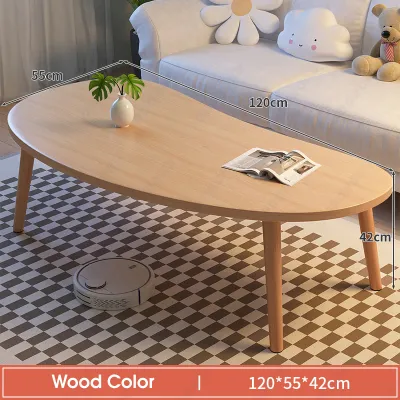
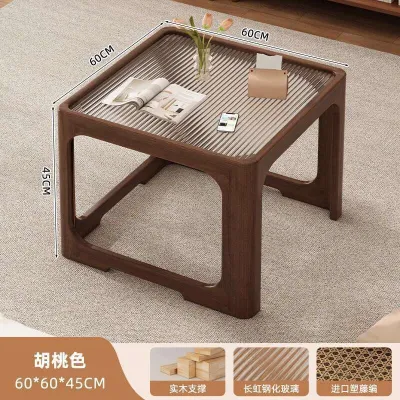
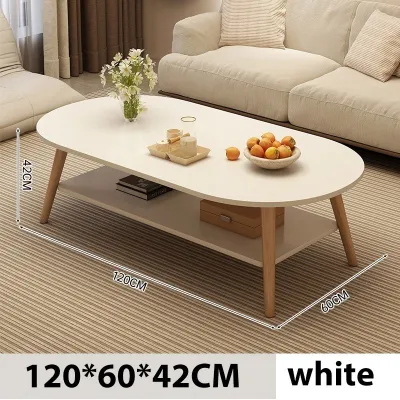
![[SG Stock]Round coffee table Round wooden coffee table Contemporary living room table Coffee table Simple dining table](https://img.lazcdn.com/g/p/4e1857b2dfae5e355d01f909eae8494b.jpg_400x400q80.jpg_.webp)
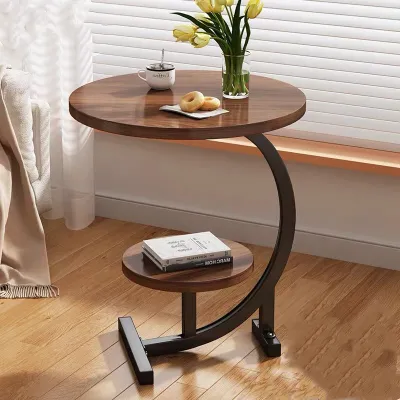
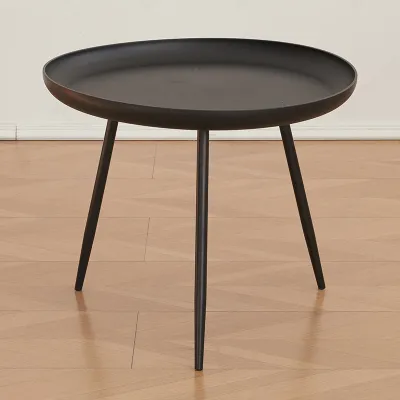
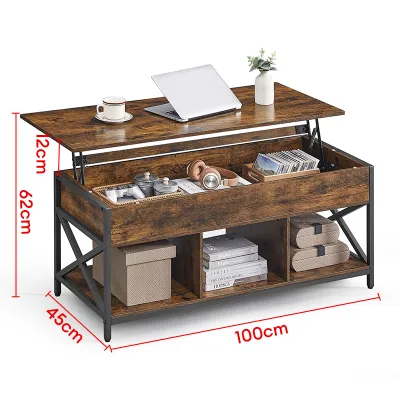
Prices are valid at publication and may change. Please refer to the product page for the latest price.
In typical residential layouts, such as HDB flats and condominiums, space is a critical constraint. Before committing to a design, measure your seating arrangement to calculate the correct proportions. Your coffee table’s height should sit within 2 to 5 centimeters of your sofa’s seat cushion height to ensure comfortable reach. The length of the table should ideally measure between one-half and two-thirds of the sofa’s total length to maintain visual balance.
Walkway clearance is equally vital for maintaining a comfortable flow of foot traffic. Ensure a clearance of 38 to 45 centimeters between the edge of the coffee table and the front of the sofa. For surrounding pathways, maintain at least 60 to 75 centimeters of open space. Crucially, before purchasing a heavy or oversized statement piece, measure your building’s lift doors, internal lift cabin dimensions, and apartment doorways. A solid marble or concrete table that cannot clear a tight corridor corner or fit inside a residential lift will present severe delivery challenges.
Daily usability requires a practical checklist tailored to your household. If you have young children or pets, sharp-cornered triangular or rectangular stone tables present safety hazards; rounded organic shapes or soft-edged designs are far more suitable. Evaluate the surface treatment of the table before buying. Unsealed stone or untreated wood will stain from condensation rings left by cold drinks or warp from hot mugs. Verify whether the manufacturer has applied a protective polyurethane, acrylic, or specialized stone sealant, and check the official load-bearing limits to ensure the table can support heavy books, decor, or resting feet.
Sculptural and Organic Styles: Brands That Master Fluid Forms
Sculptural and organic coffee tables break away from rigid geometry, embracing fluid lines, biomorphic silhouettes, and natural forms. These pieces act as functional art, drawing the eye and softening the hard angles of standard living room layouts. By utilizing curved wood veneers, cast metals, or carved stone, designers create tables that feel dynamic and alive, making them excellent focal points for minimalist or contemporary spaces.

Heritage design houses are famous for pioneering these organic forms. For instance, Herman Miller produces the iconic Isamu Noguchi coffee table, which balances a heavy glass top on two interlocking solid wood legs. Contemporary Scandinavian design brands like Muuto and Hay offer modern interpretations of organic minimalism, utilizing curved wood veneers and molded materials to create flowing, sculptural shapes. Premium design showrooms, such as Space Furniture or Grafunkt, showcase these authentic international brands.
When opting for asymmetrical or cantilevered designs, structural stability is paramount. Inspect how the weight is distributed; a sculptural table with a heavy off-center top must have a weighted, reinforced base to prevent tipping when pressure is applied to the edges. For solid wood organic pieces, check if the wood has been properly kiln-dried to prevent cracking in tropical climates. If you are purchasing stone, verify whether the piece is solid stone or a lighter stone veneer over a structural frame, which affects both weight and durability.
Always verify product availability and shipping timelines with authorized local showrooms before making a decision. Imported designer pieces often have lead times of 12 to 16 weeks. Inquire about white-glove delivery services, as heavy sculptural stone or solid timber tables require professional handling to avoid damage to both the furniture and your home’s flooring. Confirm the warranty terms, ensuring they cover structural defects and joint stability.
Industrial and Raw Aesthetics: Brands Focusing on Texture
Industrial style celebrates raw, unrefined textures and utilitarian construction. Key elements include exposed joinery, reclaimed timber with visible grain and knots, brushed or oxidized iron frames, and heavy concrete or terrazzo surfaces. This aesthetic brings a sense of history and rugged sophistication to a living space, pairing exceptionally well with leather sofas and exposed brick or concrete-screed walls.
Brands like Soul & Tables specialize in high-quality solid wood furniture with clean, industrial-leaning metal frames, often utilizing sustainably sourced oak and teak. Castlery offers contemporary designs that blend industrial metal legs with warm wood tops, making the style accessible for modern apartments. Specialized local workshops also provide custom-made industrial pieces, allowing buyers to select specific slabs of wood or custom steel finishes.
Singapore’s tropical climate, characterized by high humidity levels averaging around 80%, poses unique challenges for industrial furniture. Untreated carbon steel or iron frames will rust rapidly when exposed to moisture in the air. Similarly, porous, unsealed reclaimed wood can absorb humidity, leading to warping, cracking, or mold growth over time. Terrazzo and concrete are also susceptible to staining if their porous surfaces are left unprotected.
Before purchasing, inspect the product specifications or labels for protective finishes. Ensure metal components are powder-coated or treated with rust-inhibitive primers. For wood and concrete surfaces, verify that a commercial-grade protective sealant has been applied to prevent moisture penetration. Always follow the manufacturer’s specific care instructions, which typically recommend using coasters and wiping away spills immediately with a dry cloth.
Architectural and Minimalist Designs: Brands for Clean Lines
Architectural and minimalist coffee tables focus on geometric precision, negative space, and structural lightness. Common features include floating glass tops, slender powder-coated steel frames, fluted glass panels, and monochromatic matte or high-gloss finishes. These designs prioritize essential forms, stripping away unnecessary ornamentation to highlight the beauty of structural engineering and material purity.
European and Australian design brands excel in this category. King Living is highly regarded for its modular furniture and minimalist steel-framed tables that offer clean, architectural lines. BoConcept offers sleek, customizable geometric tables that emphasize functional simplicity. Local design-forward retailers often stock pieces from international brands that specialize in precision metalwork and high-end glass manufacturing.
For compact HDB flats or condominiums, architectural tables with open metal frames or transparent glass tops are highly practical. By allowing light to pass through and exposing the floor underneath, these designs create a sense of negative space, making a small living room feel significantly larger and less cluttered. They provide the necessary surface area without visually crowding the room.
When buying a glass or metal minimalist table, safety must be your top priority. Verify that the glass top is certified tempered safety glass, which breaks into small, blunt pieces rather than sharp shards if damaged. Inspect the edges of the glass to ensure they are smoothly polished and chamfered to prevent cuts. For metal frames, check for the inclusion of adjustable leveling feet, which are essential for stabilizing the table on slightly uneven tiled or vinyl flooring.
Mid-Century and Vintage Revivals: Brands Preserving Classic Forms
Mid-century modern and vintage revival styles are defined by their warm, nostalgic aesthetic. Key elements include tapered dowel legs, rich walnut or teak wood tones, subtle brass hardware accents, and organic shapes like kidney, surfboard, or boomerang tops. This style brings a sense of timeless warmth and craftsmanship to a living room, blending seamlessly with both retro and contemporary decor.
Buyers can choose from three main paths. Licensed heritage brands like Fritz Hansen and Knoll produce authentic, high-end historical reproductions of mid-century classics. Contemporary brands like Scanteak and Castlery offer mid-century inspired pieces designed for modern budgets, utilizing warm wood tones and tapered legs. Alternatively, curated vintage boutiques, such as Noden or Retro Colony, source and restore authentic mid-century Scandinavian furniture.
When evaluating revival or vintage pieces, examine the construction materials carefully. Solid teak or walnut is highly durable, whereas cheap veneer over low-grade MDF (medium-density fibreboard) can peel or bubble if exposed to moisture. Inspect the leg joints; angled mid-century legs must be secured with robust metal mounting plates or traditional mortise-and-tenon joints, as simple wood screws will loosen and cause wobbling over time.
If purchasing an authentic vintage coffee table, request a detailed condition report from the dealer. Check for signs of active woodworm (tiny fresh holes with fine dust), structural instability, and deep water rings that cannot be easily polished out. Clarify the dealer’s restoration process and ask if they offer structural guarantees or post-purchase repair services, as vintage items are typically sold on an as-is basis.
Frequently Asked Questions (FAQ)
How do I match a unique coffee table with a standard sofa?
To pair a unique coffee table with a standard sofa, apply the rule of contrasting shapes. If you have a straight, boxy, or modular sofa, pair it with a round, oval, or organic sculptural coffee table to soften the room’s linear flow. Conversely, if your sofa has curved arms or a rounded silhouette, a geometric, architectural table will provide a pleasing visual anchor.
Ensure the heights align correctly, keeping the table surface within 5 centimeters of the sofa seat. Finally, place a large area rug underneath the coffee table. A neutral or textured rug helps anchor the unique shape of the table, visually tying it to the sofa and preventing the statement piece from looking isolated in the middle of the room.
Are sculptural coffee tables practical for small apartments?
Yes, sculptural coffee tables can be highly practical for small apartments if chosen carefully. Opt for sculptural designs with pedestal bases rather than four bulky legs, as a central pedestal frees up legroom and makes it easier to navigate tight spaces. Transparent materials, such as acrylic or glass tops with sculptural wooden bases, also help preserve visual space.
Avoid massive, solid-block sculptural tables, which can overwhelm a small room and block natural light. Instead, look for nesting sculptural tables that can be stacked together when not in use, or designs that incorporate hidden storage compartments within their curved bases to maximize utility in compact layouts.
What should I check before buying a vintage or antique coffee table?
Before purchasing a vintage or antique coffee table, perform a thorough structural inspection. Gently shake the table to check for loose joints or wobbling legs, particularly where the legs join the tabletop. Look closely for tiny, clean pinholes, which indicate past or active woodworm infestation, and check the underside for water damage or wood rot.
Verify authenticity by searching for maker’s marks, stamps, or paper labels on the underside of the table or inside drawers. Finally, clarify the seller’s return policy and ask if they have undertaken any professional restoration. Knowing whether a piece has been refinished with water-resistant lacquer or left in its original state will help you determine the level of daily care it requires.
Community discussion
Share your experience or ask a question. Comments are reviewed before publication.