
Quick Answer: Is the Unica Stool Right for Your Dining Room?
Determining whether the Unica stool matches your dining room aesthetic requires a deliberate comparison of its physical design traits against the dominant style of your home. Because this seating option features a distinct visual profile, its compatibility depends on how its lines, materials, and finishes interact with your existing furniture. To make an accurate assessment, you must follow a straightforward diagnostic process: identify the stool’s core design language, audit your current room aesthetic, and decide whether you want the piece to blend harmoniously or provide an intentional, eye-catching contrast.
In many modern homes, particularly compact urban apartments and open-plan layouts where every square meter counts, successful integration goes beyond visual style. You must also evaluate how the stool’s physical proportions and visual weight fit within your dining area. If the stool’s silhouette complements your table and allows for comfortable movement, it can elevate your space; if it conflicts with your room’s scale or architectural lines, it can make the area feel cluttered and disjointed.
Identify the Unica Stool’s Actual Design Language
To determine if this seating option fits your home, you must first objectively analyze its physical characteristics rather than relying on vague style labels. Begin by reviewing the manufacturer’s official specifications, product labels, and high-resolution images to confirm the exact materials and assembly details of the specific model you are considering. Because different production runs or authorized variations may feature alternative finishes, verifying these details prevents unexpected style mismatches when the physical product arrives.
Products mentioned in this guide
![[TheGoodFurniture] Plastic stool stackable unica chair Lightweight Sturdy Durable Colorful chairs.塑料椅头 🌟Can Mixed Colors 🌟](https://img.lazcdn.com/g/p/3fad4242655387f8d40e94ad8a16bd4d.jpg_400x400q80.jpg_.webp)
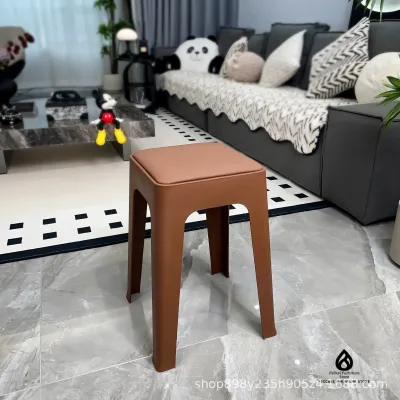
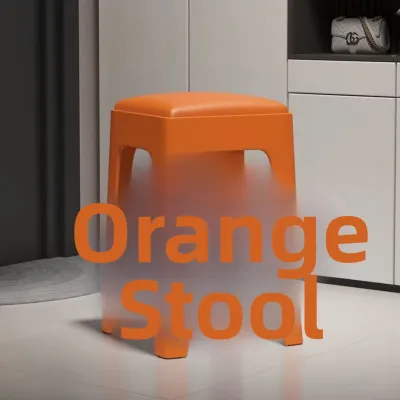
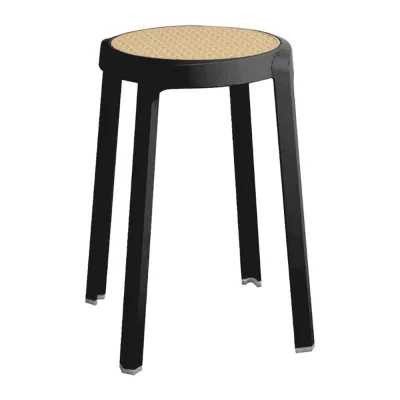
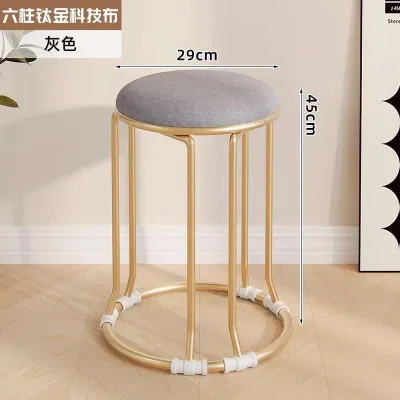
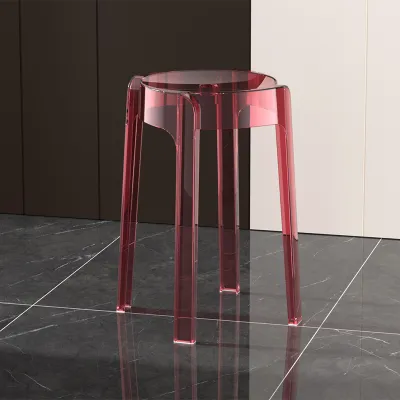
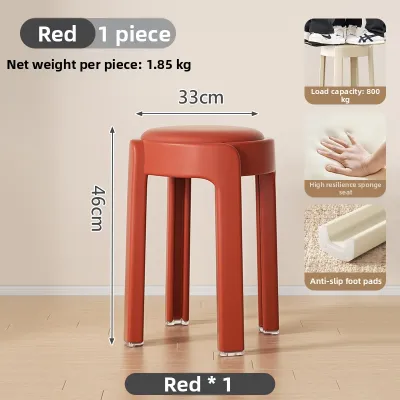
Prices are valid at publication and may change. Please refer to the product page for the latest price.

Pay close attention to the key visual dimensions that define the stool’s overall silhouette:
- The Silhouette: Observe whether the seat shell features gently curved, organic lines or sharp, rigid geometric angles. A molded, contoured seat typically suggests a softer, mid-century modern or Scandinavian influence, whereas straight lines and sharp corners lean toward a more minimalist or industrial look.
- The Leg Structure: Examine the base of the stool. Slender, tapered wooden legs often signal a warm, Nordic aesthetic, while thin, powder-coated metal sled bases or four-legged steel frames point toward contemporary or industrial design languages.
- Material Finishes: Note the textures present on the stool. A matte plastic or composite shell offers a clean, understated appearance, while a glossy finish or upholstered fabric seat completely alters the stool's formal character. Similarly, natural wood grains bring organic warmth, whereas matte black or chrome metal finishes introduce a cooler, more technical feel.
- The Color Palette: Identify the primary and secondary colors of the stool. Neutral tones like white, grey, charcoal, and beige are highly versatile and fit easily into minimalist palettes, while bold, saturated colors turn the stool into a distinct focal point.
By mapping these observed physical traits to established design categories, you can pinpoint the stool’s primary aesthetic. For example, a Unica stool featuring a curved, neutral-toned composite shell paired with tapered oak legs aligns directly with Scandinavian design principles. Conversely, a model featuring a dark grey shell supported by a black powder-coated steel frame speaks a modern, industrial, or highly contemporary design language.
Diagnose Your Current Dining Room Aesthetic
Before introducing a new furniture piece, you must systematically evaluate the existing design elements of your dining room to establish a clear style baseline. This step prevents impulsive purchases that look excellent in a showroom or online listing but clash with your home’s actual environment. Take a step back and perform a visual audit of your space, noting the materials, colors, and architectural features that currently dominate the room.
Use this self-assessment checklist to define the overarching theme of your dining area:
- Dominant Furniture Styles: Examine your dining table and existing chairs. Are they made of heavy, rustic solid wood with visible grains, or do they feature sleek, engineered materials like glass, metal, or sintered stone?
- Wall Treatments and Colors: Note your wall finishes. Neutral paint, exposed brick, wood paneling, or textured wallpaper all set different backdrops that will either frame the stool or compete with it.
- Lighting Fixtures: Identify the style of your dining pendant light or chandelier. A dramatic, industrial track light system or a delicate, minimalist glass pendant will influence how modern furniture is perceived beneath it.
- Flooring Materials: Consider your floor surface. Warm parquet, polished marble, cool concrete, or light wood-look vinyl planks establish the visual foundation and color temperature of the entire room.
Once you have noted these elements, identify the primary style of your space. A room with clean lines, handleless cabinetry, and a neutral color scheme falls under minimalism, while a space featuring mixed metal fixtures, exposed pipes, or reclaimed wood elements leans industrial. If your room combines classic moldings with modern furniture, it represents a transitional style.
Additionally, identify the focal points in your dining room. A massive, solid wood dining table or a bold accent wall acts as a primary visual anchor. Your new stools must visually interact with these dominant elements without overwhelming them or creating unnecessary visual noise in the surrounding space.
The Style Match Test: Blending vs. Contrasting
With a clear understanding of both the stool’s design language and your room’s aesthetic, you can now decide on your styling strategy. There are two primary paths to achieving a successful design integration: harmonious blending or intentional contrast. Both approaches are valid, but they require different design choices to execute effectively.
Harmonious Blending
If your goal is a calm, unified, and cohesive dining space, you should aim to blend the stool seamlessly into your existing decor. This strategy works exceptionally well in smaller dining alcoves or open-concept kitchens common in urban apartments, where visual continuity makes the space feel larger and more serene.
- Match Materials: If your dining table or kitchen island counter features light oak accents, select a stool model that incorporates matching oak legs or a similarly toned wood frame.
- Echo Existing Shapes: If your dining room features rounded light fixtures, a circular dining table, or curved dining chairs, choose a stool with a gently curved, organic seat shell to reinforce those soft lines.
- Continue the Color Palette: Select stool colors that sit within the same color family as your walls and cabinetry. For instance, in an all-white or light beige kitchen, white or soft grey stools maintain a clean, uninterrupted visual flow.
Intentional Contrast
If you prefer a dynamic, high-energy space with plenty of visual interest, you can use the stool as an accent piece that purposefully contrasts with its surroundings. This approach prevents a room from looking too sterile or overly matched, adding character and a curated feel.
- Create Material Friction: Place a sleek, molded composite stool with a matte finish next to a rustic, heavily grained wooden dining counter. The contrast between the ultra-modern stool and the organic, textured wood highlights the unique qualities of both materials.
- Introduce Color Accents: In a neutral, monochrome dining room, choosing a stool in a bold, unexpected color—such as a deep terracotta, forest green, or mustard yellow—instantly draws the eye and defines the seating area.
- Juxtapose Design Eras: Pair contemporary, minimalist stools with a traditional, vintage-style wooden dining table. This eclectic mix works beautifully as long as there is a unifying element, such as a shared color tone or matching metal hardware.
Balancing Visual Weight
Regardless of whether you choose to blend or contrast, you must balance the visual weight of your furniture. Visual weight refers to how heavy or light an object looks based on its design. A stool with a solid, blocky base or a fully upholstered body has high visual weight and demands attention. Conversely, a stool with slender legs, an open wire frame, or a low-profile backrest has low visual weight, allowing light and sightlines to pass through it.
If your dining room is already crowded with heavy, dark wood furniture, choosing a stool with an open, airy leg structure will help lighten the space. If your room is exceptionally minimalist and feels slightly empty, a stool with a more substantial, solid silhouette can help anchor the seating zone.
Red Flags to Avoid
Be careful not to cross the line from tasteful contrast into visual chaos. Avoid pairing the stool with elements that create a direct structural conflict. For example, placing a highly futuristic, glossy plastic stool directly against a classic, ornate dining table with intricately carved cabriole legs rarely works, as the design philosophies are too far apart to find common ground. Similarly, avoid mixing too many competing styles in a single zone; if you already have three different chair designs around your table, adding a fourth distinct stool style will likely make the room look disorganized rather than eclectic.
Verify Spatial Proportions and Functional Clearance
An aesthetic match is only successful if it is supported by physical comfort and functional layout planning. Before finalizing your decision, you must measure your space and verify that the stool’s dimensions align with your dining table or kitchen counter. This step is particularly critical in compact urban homes, where poorly scaled furniture can restrict movement and disrupt daily routines.
Aesthetic Proportion
Look at how the physical scale of the stool relates to your dining table or counter. A table with a very thick, heavy top and massive legs will visually crush a stool that is too delicate or features ultra-thin wire legs. Conversely, a lightweight, glass-topped table with a slender frame will look unbalanced if paired with bulky, wide-set stools. Ensure the visual proportions feel stable and intentional.
Functional Clearance
To ensure comfortable seating, you must verify the exact height of your stool relative to your table or counter surface:
- Measure Counter and Table Heights: Standard dining tables and kitchen counters typically fall into two categories. Kitchen counters or low islands usually measure between 85 cm and 90 cm in height, while high bar counters stand around 100 cm to 105 cm.
- Calculate Seat Height: For comfortable seating and adequate legroom, aim for a clearance of 25 cm to 30 cm between the top of the stool seat and the underside of the table or counter apron.
- Verify the Numbers: If your counter is 90 cm high, look for a stool with a seat height of approximately 60 cm to 65 cm. If your counter is 105 cm high, you will require a taller bar stool with a seat height of 70 cm to 75 cm. Always measure the specific apron or support beams beneath your counter, as a thick decorative apron can significantly reduce your actual legroom.
Traffic Flow and Footprint
Measure the stool’s footprint—the actual floor space its legs occupy—and compare it to your available floor area. In open-concept living and dining areas, you must maintain clear walkways. Ensure there is at least 60 cm to 75 cm of clearance behind the stools when they are tucked in, allowing family members to walk past comfortably without having to squeeze. Additionally, allow about 15 cm of space between each stool to prevent users from feeling cramped while dining.
Final Decision: When to Buy, Style, or Skip
Making your final decision comes down to a clear balance of style, space, and functionality. By assessing these factors honestly, you can avoid buyer’s remorse and ensure your dining room remains both beautiful and highly usable.
When to Buy
You should confidently proceed with the purchase if:
- The stool's design language either blends seamlessly with your existing furniture or provides an intentional, visually appealing contrast.
- The physical dimensions, seat height, and leg clearance match your dining table or kitchen counter perfectly.
- The stool's footprint fits comfortably within your layout without blocking essential walkways or feeling crowded.
When to Skip
You should look for alternative seating options if:
- The stool's style directly conflicts with the unchangeable architectural features of your home, such as highly ornate classical moldings or rustic country paneling.
- The physical proportions are incorrect, such as a seat height that leaves too little legroom or a wide leg base that blocks your main walkway.
- The visual weight of the stool makes your dining area feel cramped, heavy, or cluttered.
Styling Alternatives
If you already own the stool but feel it does not perfectly match your dining room’s current aesthetic, you do not necessarily need to replace it. You can use simple styling techniques to bridge the design gap. Try adding soft textiles, such as a custom seat cushion in a fabric that matches your dining drapes or living room sofa. Placing a textured area rug beneath the dining set can also help define the zone and soften the transition between a modern stool and traditional flooring. Finally, coordinate your tabletop accessories—such as choosing ceramic placemats, vases, or dinnerware that echo the color or material of your stools—to tie the entire space together beautifully.
Community discussion
Share your experience or ask a question. Comments are reviewed before publication.