
An air relief device in a massage chair is a critical pressure-management component within the airbag system. It functions as a controlled venting mechanism that prevents over-inflation, regulates compression intensity, and ensures rapid deflation when a massage session ends. Understanding how this feature operates helps you evaluate a chair’s safety, comfort, and mechanical reliability before making a purchase. When shopping for a premium wellness appliance, especially for compact urban homes where safety and ease of use are paramount, knowing the mechanics behind the air systems ensures you select a model that offers both therapeutic benefits and peace of mind.
What an Air Relief Device Actually Does in a Massage Chair
The primary role of an air relief device is to manage the flow of pressurized air within the chair’s extensive network of airbags. These airbags are strategically positioned to target areas that mechanical rollers cannot easily reach, such as the shoulders, outer arms, hips, calves, and feet. Without a dedicated relief mechanism, the air pump would continuously force air into these chambers, leading to excessive pressure that could cause discomfort or even bruising.
By acting as a safety and comfort valve, the air relief device actively monitors and regulates the maximum pressure within each individual airbag zone. During intense compression massage programs, such as deep-tissue squeeze cycles, the device maintains a firm but tolerable grip on your limbs. It prevents the airbags from over-expanding, ensuring that the compression remains therapeutic rather than painful.
Products mentioned in this guide
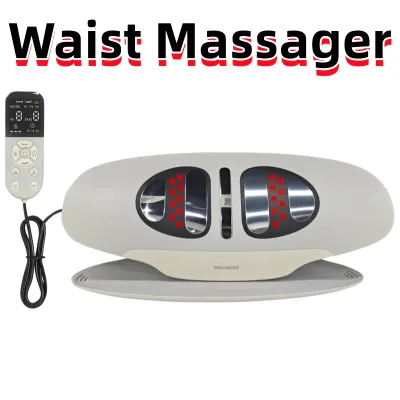
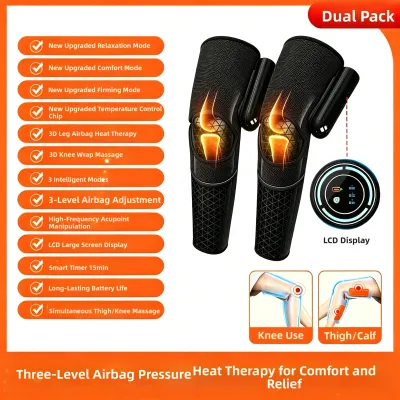
Prices are valid at publication and may change. Please refer to the product page for the latest price.
Additionally, the relief device facilitates rapid deflation. When a massage session ends, or if you need to exit the chair suddenly, the device opens the exhaust valves to dump the pressurized air instantly. This quick-release function ensures you are never left feeling pinned down, allowing you to stand up safely and smoothly without struggling against lingering pressure.
How the Inflation, Compression, and Relief Cycle Works
To understand how this technology functions, it helps to look at the mechanical and electronic workflow that occurs during a standard massage session. The process begins when the internal air pump receives a signal from the chair’s microcomputer to inflate specific zones based on your selected program. Air travels through a network of silicone or rubber tubing directly into the targeted airbags.

As the airbags expand around your body, the internal pressure rises. To prevent this pressure from reaching unsafe levels, the chair relies on a combination of electronic sensors, mechanical limiters, or timed solenoid valves. These components constantly monitor the air pressure within the closed system. When the pressure reaches a predefined threshold calibrated for safety and comfort, the air relief device is triggered.
Once activated, the relief valve vents a precise volume of excess air back into the atmosphere. This continuous adjustment allows the airbags to adapt dynamically to the unique size and shape of your limbs. For instance, if a user has larger calves, the airbag will fill less space before reaching the target pressure, prompting the relief device to vent earlier. This prevents painful pinching and ensures blood flow is never restricted during the compression cycle.
Why This Specification Matters for Your Comfort and Safety
Investing in a massage chair with a reliable air relief device directly impacts your daily comfort and overall safety. Standard, budget-friendly chairs without sophisticated relief valves often utilize single-stage airbags that inflate to a fixed volume regardless of the user’s body shape. This can lead to an uncomfortable “trapped” feeling, particularly in the arm or leg ports, making the experience stressful rather than relaxing.
A well-engineered relief system accommodates different body sizes and shapes automatically. By releasing pressure when a limb fully occupies the airbag space, the chair customizes the massage intensity to your physical build. This makes the chair highly versatile for multi-user households where family members of varying heights and weights share the same equipment.
Beyond personal comfort, this specification protects the mechanical integrity of the chair itself. By preventing the air pump from operating against a completely blocked or over-pressurized system—a condition known as deadheading—the relief device reduces strain on the pump motor and internal tubing. This preventative pressure management minimizes the risk of leaks and extends the operational lifespan of the chair’s pneumatic components.
How to Evaluate Air Pressure Management When Shopping
When browsing options online or visiting a local showroom, evaluating the air pressure management system should be a key part of your decision-making process. Start by reviewing the technical specification sheet. Look for models that offer multiple adjustable air intensity levels—ideally three to five distinct settings—rather than a simple binary on/off function. This indicates a more sophisticated valve system capable of fine-tuning the air relief process.
Next, examine the remote control interface or the chair’s quick-access armrest panel. Ensure there is a dedicated “quick deflation,” “pause,” or “emergency stop” button. Testing this feature is crucial: when pressed, the air relief valves should open immediately, releasing all compression within two to three seconds so you can exit the chair without resistance.
If you are testing chairs in a physical showroom, pay close attention to how the airbags behave at the end of a cycle. Observe whether the deflation is smooth and complete, or if the fabric remains stiff and pressurized. Additionally, keep practical home installation in mind. Since massage chairs are heavy, bulky appliances, verify the finished dimensions against your doorway and lift clearances. Ensure the delivery team can safely navigate the corridors of your apartment or home, as a smooth delivery is just as important as a smooth massage experience.
Frequently Asked Questions (FAQ)
Can I manually adjust the air pressure if the relief device is automatic?
Yes, you can typically customize the baseline compression level. The manual controls on your remote allow you to select the target pressure intensity (such as low, medium, or high), while the automatic air relief device operates in the background as a physical safety ceiling. This ensures that even if you select the highest intensity setting, the system will still vent air to prevent over-inflation or mechanical damage.
Does the air relief process make the massage chair louder?
The air relief process does produce a mild sound, but it is generally very quiet. As the solenoid valves open to release pressure, you will hear a brief, soft hissing or sighing sound of escaping air. This is a completely normal byproduct of the pneumatic system working correctly. If you plan to place the chair in a quiet bedroom or a shared living space, it is highly recommended to test the deflation noise level during an in-store demonstration to ensure it meets your personal noise tolerance.

Community discussion
Share your experience or ask a question. Comments are reviewed before publication.