
When shopping for a home office chair, most people focus on the cushion softness, lumbar support, or the aesthetic appeal of the mesh backrest. However, the most critical component supporting your daily comfort, stability, and safety is hidden right beneath the seat: the gas lift cylinder. This pressurized metal chamber controls the height adjustment of your chair and bears your full weight throughout the workday. Understanding gas lift classes is essential for choosing a chair that will not sink prematurely or fail under pressure.
The gas lift, also known as a gas spring or pneumatic cylinder, relies on pressurized nitrogen gas to provide smooth height adjustments and a slight cushioning effect when you sit down. The quality of this component determines how long your chair will maintain its height without slipping. By understanding how these cylinders are classified, you can make an informed decision that ensures long-term durability and avoids the frustration of a sinking seat.
What Are Gas Lift Classes and How Are They Rated?
The classification system for chair gas lifts ranges from Class 1 to Class 4, with each level indicating a specific standard of construction. These ratings fundamentally represent the structural integrity of the cylinder, specifically the thickness of the outer steel tube and the quality of the internal seals. A Class 1 cylinder has the thinnest steel walls, making it suitable only for light-duty or occasional use, whereas a Class 4 cylinder features the thickest, most robust steel construction designed for heavy daily use.
Products mentioned in this guide
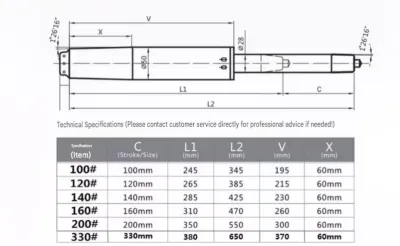
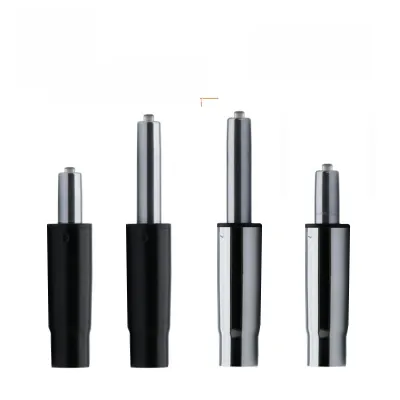
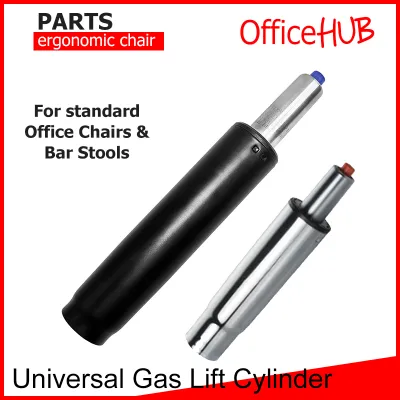
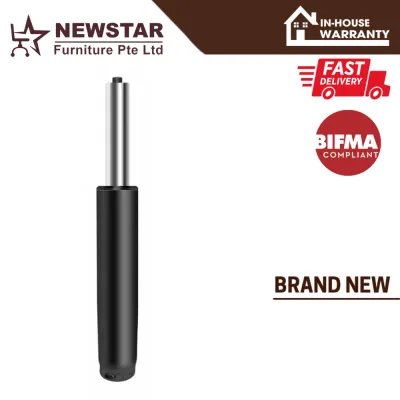
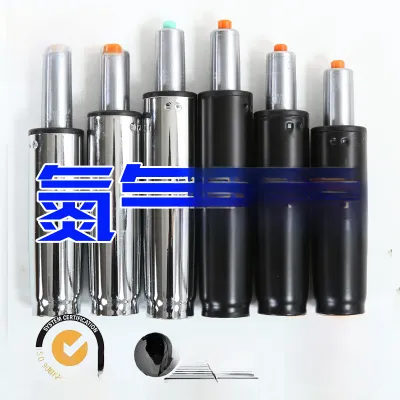
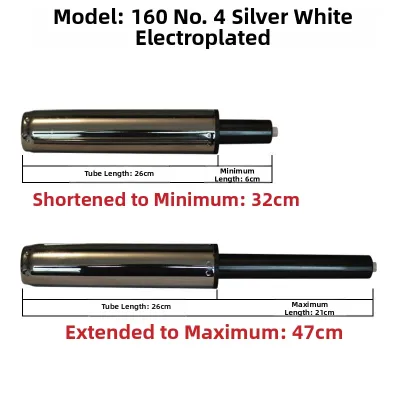
Prices are valid at publication and may change. Please refer to the product page for the latest price.
Because these structural differences are internal, you cannot reliably determine a cylinder’s class simply by looking at the outside of the chair. Instead, you must rely on the manufacturer’s official product specifications, user manuals, or labels printed directly on the cylinder. While a higher class generally correlates with a higher weight capacity, the exact weight limit is not universally standardized across all brands. You must verify the precise load limits on the official product documentation to ensure it matches your requirements.
How Gas Lift Classes Impact Chair Durability and Safety
The durability of your office chair is directly tied to the quality of its gas lift. When you sit down, the cylinder experiences sudden pressure. An appropriately rated gas lift prevents premature sinking, seal failure, and structural fatigue over time. If a cylinder is rated too low for the user’s weight, the internal seals will degrade rapidly, leading to a slow loss of pressure that causes the seat to sink throughout the day.

In warm, humid climates like Singapore, the integrity of these seals is even more critical. High humidity can accelerate the degradation of lower-quality lubricants and seals inside cheaper cylinders, leading to faster pressure loss. To ensure safety and performance, look for recognized testing marks or certification labels on the cylinder body or in the user manual. These marks indicate that the component has undergone rigorous pressure and cycle testing.
However, a high-class gas lift does not guarantee overall chair safety on its own. The entire seating system—including the five-star base, the casters, and the seat control mechanism—must be rated to support the same load. A Class 4 cylinder paired with a weak plastic base still poses a structural risk. When evaluating a chair, ensure that all load-bearing components share a compatible weight rating to maintain structural integrity.
How to Check Your Chair's Gas Lift and When to Replace It
If you want to identify the class of your current chair, you can inspect the cylinder directly. Extend the chair to its maximum height and look at the metal column. Most reputable manufacturers engrave markings, stamp codes, or apply durable stickers directly onto the metal cylinder. These markings typically indicate the class rating, the manufacturer’s name, and the production date.
Recognizing the signs of a failing gas lift can help you address issues before they become safety hazards. The most common symptom is gradual sinking, where the chair slowly loses height while you are sitting. Other signs include an inability to hold any adjusted height, a loose or wobbling seat, or unusual hissing noises when you operate the adjustment lever. These symptoms indicate that the internal nitrogen gas is escaping past worn seals.
If you detect these issues, prioritize safety. Pressurized gas cylinders contain high-pressure nitrogen and should never be disassembled, heated, or forced open. Attempting to repair a sealed cylinder yourself can lead to sudden pressure release and serious injury. Always consult the chair manufacturer or a qualified professional for replacement parts and installation guidance to ensure the swap is handled safely.
Evaluating Office Chair Brands for Reliable Gas Lifts
When shopping for a new home office chair, evaluating how brands present their gas lift specifications can reveal a lot about their overall product quality. Prioritize brands that are completely transparent about their components. Reliable manufacturers clearly disclose the gas lift class, the maximum weight capacity, and relevant testing certifications in their public product listings.
If a brand only lists a generic weight capacity without specifying the gas lift class, it is wise to exercise caution. Additionally, compare the warranty terms offered by different brands. Look for warranties that explicitly cover the gas lift mechanism for an extended period, as this demonstrates the manufacturer’s confidence in the cylinder’s durability. If the online product listing lacks these details, check the downloadable user manual or contact customer support directly to verify the specifications before making a purchase.
Frequently Asked Questions (FAQ)
Can I upgrade my office chair to a higher class gas lift?
Upgrading is possible, but compatibility depends strictly on the physical dimensions of your chair. You must match the exact outer diameter of the cylinder, the stroke length (how far it extends), and the taper of the column where it fits into the seat mechanism and the base. Using an incompatible third-party cylinder can compromise stability and may void your chair’s warranty. Always check with the original manufacturer for approved, compatible replacement parts.
Is a Class 4 gas lift always better than a Class 3?
While a Class 4 gas lift offers thicker steel walls and a higher maximum weight capacity, a Class 3 cylinder is often entirely sufficient for standard home office use. The right choice depends on the user’s weight and how the chair is used. Rather than simply choosing the highest number, match the gas lift class to your actual weight and the manufacturer’s recommended specifications to ensure optimal comfort and value.
Community discussion
Share your experience or ask a question. Comments are reviewed before publication.