
Choosing between undermount and side-mount drawer slides depends primarily on your cabinet’s visual goals, existing drawer box construction, and installation constraints. Undermount slides provide a concealed, premium look and smooth operation but demand precise drawer box dimensions and specific bottom panel placement. Side-mount slides are more forgiving with space, easier to install on standard boxes, and generally more budget-friendly, though the hardware remains visible when the drawer is open. Evaluating your drawer box material, interior cabinet width, and desired aesthetic will help you determine which system aligns with your project.
When planning a cabinetry project, the choice of hardware dictates both the daily user experience and the longevity of the furniture. Drawer slides are the mechanical backbone of any storage unit, bearing the weight of daily use and ensuring that drawers glide open and closed without resistance. Selecting the wrong type of slide can lead to misaligned drawer fronts, sticky operation, or even structural failure over time.
Visibility and Aesthetic Impact
The most immediate difference between undermount and side-mount drawer slides is how they affect the visual presentation of your cabinetry. Undermount slides are installed directly beneath the drawer box, completely hiding the metal tracks, runners, and gear mechanisms from view when the drawer is fully extended. This concealed design creates a clean, uncluttered look that allows the natural beauty of the wood, joinery, and drawer box material to take center stage.
Products mentioned in this guide
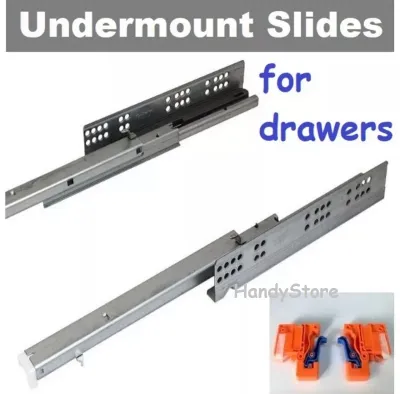
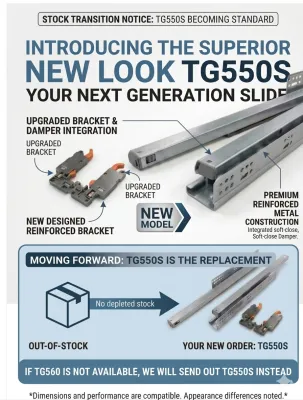
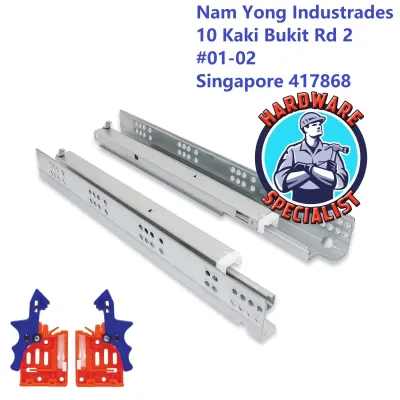
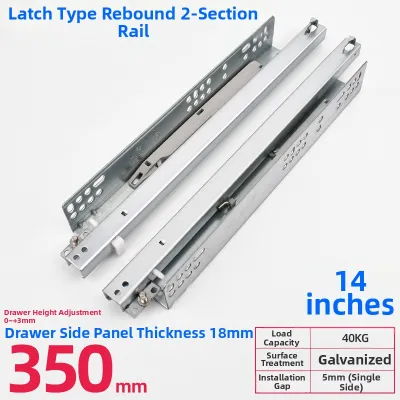
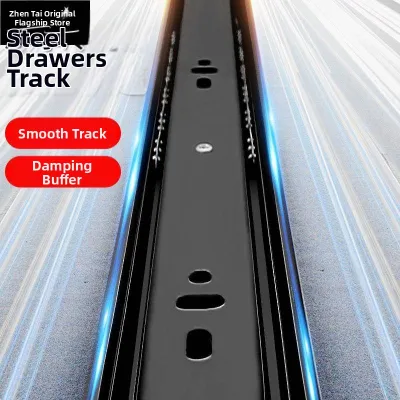
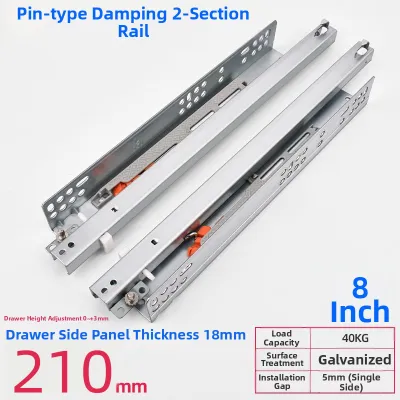
Prices are valid at publication and may change. Please refer to the product page for the latest price.
This hidden profile is highly valued in modern, minimalist, and high-end custom cabinetry. When you open a drawer equipped with undermount hardware, there are no metallic distractions on the sides to disrupt the visual flow of the furniture. This makes undermount slides a popular choice for premium kitchen islands, bathroom vanities, and heirloom-quality bedroom furniture where a seamless aesthetic is paramount.
In contrast, side-mount slides are installed on the exterior left and right sides of the drawer box. When you pull the drawer open, the metallic tracks and ball-bearing carriages are fully exposed to view. While modern side-mount hardware is often finished in neutral zinc, black, or white coatings, the physical presence of the metal rails remains a distinct design element that may clash with delicate wood grains or ultra-modern interior finishes.
Drawer Box Construction and Space Requirements
Beyond visual preferences, the physical dimensions of your drawer boxes and cabinet interiors will dictate which slide system is viable. Side-mount slides require a specific, consistent lateral clearance gap on each side of the drawer box, typically measuring exactly 12.7 millimeters (half an inch). This means the exterior width of your drawer box must be precisely 25.4 millimeters (one inch) narrower than the interior opening of the cabinet carcass to allow the slides to function without binding.

Undermount slides operate on a completely different set of spatial rules. Instead of lateral clearance, they require precise vertical clearance beneath the drawer box and a specific recess depth at the bottom. The drawer sides must extend downward past the drawer bottom panel, creating a recessed cavity or under-drawer clearance where the slide rails and locking clips reside. This recess typically needs to be between 12 millimeters and 15 millimeters deep, depending on the manufacturer’s specifications.
Additionally, undermount slides are highly sensitive to the thickness of the drawer box side walls. Most premium undermount systems are designed specifically for drawer sides made of 15-millimeter or 18-millimeter material. If your drawer sides are thicker or thinner than the hardware’s rated capacity, the locking clips may not align correctly, or the drawer box may not fit between the cabinet walls once the slides are attached. Side-mount slides are far more forgiving in this regard, as they simply attach to the flat exterior face of the drawer side, regardless of how thick the wood is.
Load Capacity and Operational Smoothness
When evaluating how much weight your drawers can safely carry, consult the manufacturer’s official specification sheets rather than relying on general assumptions. There is a common misconception that one mounting style is inherently stronger than the other. In reality, both undermount and side-mount slides are available in a wide range of load classes, from light-duty residential ratings to heavy-duty industrial capacities.
To ensure long-term reliability, look for the dynamic and static load ratings on the product packaging or technical data sheets. Dynamic load capacity refers to the weight the slide can support while in motion, which is the most critical metric for daily kitchen or workshop use. Standard residential slides of both types often carry dynamic ratings of 30 to 45 kilograms, which is more than sufficient for standard cutlery, clothing, or office supplies. For heavy pots, pans, or pantry items, seek out specialized heavy-duty models rated for 60 kilograms or more.
Operational smoothness is heavily influenced by the internal bearing mechanism of the slide. High-quality slides of both mounting styles utilize precision steel ball-bearing carriages that allow the drawer to glide effortlessly. Some entry-level side-mount slides use nylon rollers running in epoxy-coated steel tracks; while budget-friendly, these roller systems tend to produce more noise and offer a less fluid motion than ball-bearing alternatives.
Installation Complexity and Adjustability
The installation process highlights a major divide between these two hardware types, particularly for DIY woodworkers. Side-mount slides are relatively straightforward to install because they offer a high degree of tolerance. You simply mark a level line on the cabinet interior and the drawer side, screw the respective members into place, and slide the drawer in. If your cabinet carcass is slightly out of square, you can often compensate by adding thin shims behind the cabinet-side tracks.
Undermount slides demand a much higher level of precision during both the drawer construction and installation phases. The drawer box must be built with specific notches and holes drilled into the back panel to accommodate the slide hooks. Additionally, you must mount specialized locking clips to the underside of the drawer front. Because the slide rails must align perfectly with these clips and rear hooks, even a minor measurement error of one or two millimeters can cause the drawer to bind, stick, or fail to close completely.
However, undermount slides offer a significant advantage once installed: advanced adjustability. Most undermount locking clips feature integrated adjustment dials that allow you to fine-tune the drawer front’s position in three dimensions (height, depth, and side-to-side) without removing any screws. This makes it incredibly easy to achieve perfect, uniform gaps between your drawer fronts. Side-mount slides rarely offer this level of post-installation adjustment, often requiring you to loosen mounting screws and physically reposition the track to correct minor misalignments.
Decision Framework: Choosing the Right Slide
To finalize your hardware selection, you must weigh your project’s aesthetic goals against your budget, tools, and existing drawer structures. If you are building custom cabinetry from scratch, have a flexible budget, and desire a clean, modern look with soft-close functionality, undermount slides are an excellent investment. They will elevate the overall feel of your home and provide a highly adjustable, hidden mechanism that showcases your craftsmanship.
Conversely, if you are retrofitting existing cabinets, working with pre-built drawer boxes that lack the necessary bottom recess, or operating on a tight budget, side-mount slides are the practical choice. They offer robust weight support, straightforward installation, and a highly forgiving mounting process that can accommodate minor structural imperfections in older cabinetry.
Before making your final purchase, always verify specialized requirements. If your drawers will hold exceptionally heavy items, such as cast-iron cookware or heavy tools, prioritize the manufacturer’s load rating over the mounting style. Additionally, check for non-standard drawer materials, such as metal-sided drawer boxes, which may require proprietary slide systems altogether.
The following comparison table summarizes the key differences to help guide your decision:
| Feature / Condition | Undermount Slides | Side-Mount Slides |
|---|---|---|
| Hardware Visibility | Fully concealed beneath the drawer box | Visible on the left and right sides when open |
| Drawer Box Requirements | Requires specific bottom recess, rear notches, and precise side thickness | Forgiving; requires standard flat sides and 12.7 mm lateral clearance |
| Installation Difficulty | High; requires precise drilling, notches, and locking clips | Moderate; straightforward level alignment and screw mounting |
| Post-Installation Adjustability | Excellent; 3D adjustment dials on locking clips | Limited; requires loosening screws to reposition tracks |
| Typical Use Cases | Premium kitchens, custom furniture, minimalist designs | Retrofits, utility cabinets, workshops, budget-friendly projects |
Frequently Asked Questions (FAQ)
Can I replace side-mount slides with undermount slides on existing drawers?
In most cases, replacing side-mount slides with undermount slides on existing drawers is not practical without rebuilding the drawer boxes. Undermount slides require a specific recessed cavity beneath the drawer bottom and precise side-wall thicknesses that standard side-mount drawer boxes do not possess. Additionally, the lateral clearance required for side-mount slides (typically 12.7 millimeters per side) is usually too wide for undermount systems, which require a tighter fit between the drawer box and cabinet walls.
Do undermount drawer slides require a specific drawer bottom thickness?
Yes, undermount slides have strict requirements for drawer bottom thickness and placement. The bottom panel must be recessed upward to create space for the slide rails, and the thickness of the bottom panel itself must match the specifications of the locking clips. If the bottom panel is too thick, the locking clips may not engage securely; if it is too thin, the mounting screws may penetrate through to the inside of the drawer. Always check the manufacturer’s technical specifications before constructing your drawer bottoms.
Which slide type is better for heavy kitchen pots and pans?
Neither mounting style is universally superior for heavy loads; instead, you must verify the manufacturer’s rated dynamic load capacity. Both undermount and side-mount slides are available in heavy-duty configurations rated for 60 kilograms or more. For heavy kitchen storage, select a high-quality, ball-bearing slide with a certified heavy-duty rating that matches your storage needs, ensuring the cabinet carcass and drawer box joints are also strong enough to support the total weight.
Community discussion
Share your experience or ask a question. Comments are reviewed before publication.