
The ideal umbrella storage solution depends entirely on your entryway dimensions, flooring sensitivity, and household size. In compact living spaces or high-humidity environments, managing wet umbrellas is crucial to prevent floor damage and slip hazards. A compact umbrella storage bag suits tight apartments and daily commuters, a traditional stand accommodates multiple umbrellas in open foyers, and a drip tray provides essential floor protection for moisture-sensitive surfaces. This guide breaks down the practical conditions for each option to help you choose the right fit for your home.
Choosing the wrong storage method can lead to warped flooring, unpleasant mildew odors, or cluttered entryways that disrupt the flow of your home. By evaluating your physical space and daily habits, you can select a solution that keeps your entryway dry, organized, and safe.
Assessing Your Entryway Space and Flooring Needs
Before purchasing any umbrella storage accessory, it is essential to evaluate the physical layout of your entryway. In many modern apartments, such as HDB flats or condominiums, the foyer is a high-traffic bottleneck where space is at a premium. Measure the exact floor area near your main door and consider how the door swings open. Any storage solution you place on the floor must not obstruct this pathway or create a tripping hazard for family members entering or leaving the home.
Products mentioned in this guide
![[SG STOCK] 3 Pcs Umbrella Cover Storage Transparent Waterproof Drawstring Bag Pouch Sleeve](https://img.lazcdn.com/g/p/a3a6d039c784ce1cc51ee37de480ae39.jpg_400x400q80.jpg_.webp)
![[Singapore Ready Stock] Waterproof Umbrella Transparent Matte Outdoor Drawstring Bag Pouch Sleeve for Wet/Dry Umbrellas](https://img.lazcdn.com/g/p/39ca34ca328dfbb0195796fbc5425900.jpg_400x400q80.jpg_.webp)
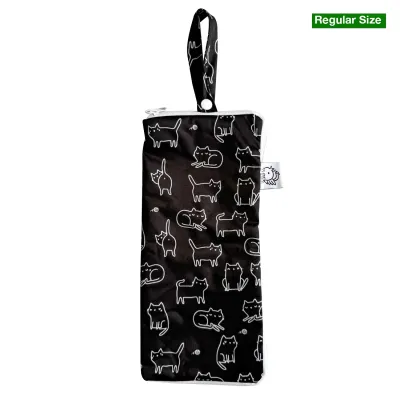
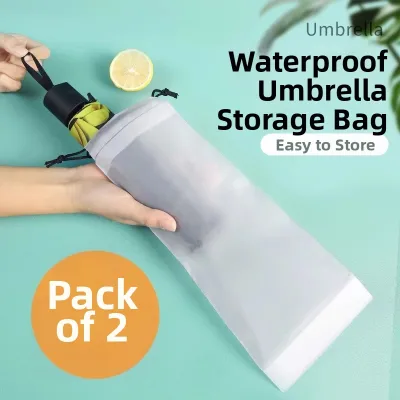
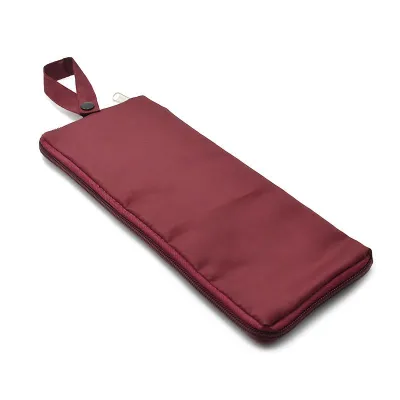

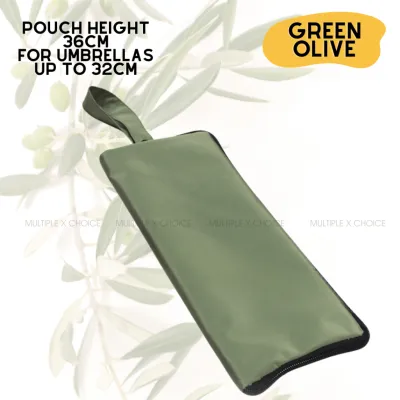
Prices are valid at publication and may change. Please refer to the product page for the latest price.
Flooring materials play a critical role in determining your storage needs. Solid timber, parquet, and laminate floors are highly sensitive to standing water. When moisture seeps into the joints of these materials, it can cause warping, swelling, and irreversible buckling. Even durable surfaces like ceramic tiles, marble, or vinyl can become dangerously slippery when wet, posing a safety risk. Furthermore, rainwater can carry dirt and minerals that leave unsightly stains on polished stone or light-colored grout if left to pool.
Finally, estimate the maximum number of wet umbrellas your household needs to store simultaneously during peak rainy periods, such as the year-end monsoon season. A single professional living in a studio apartment has vastly different storage requirements than a multi-generational family where four or five people might return home with dripping wet umbrellas at the same time. Understanding your peak capacity prevents you from buying an undersized solution that overflows during heavy downpours.
Umbrella Storage Bags: Best for Compact Spaces and Commuters
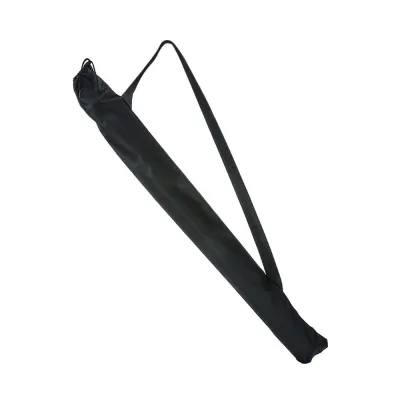
An umbrella storage bag is a highly efficient, space-saving accessory designed primarily for compact living and active lifestyles. Typically constructed from waterproof fabrics like polyester or TPU, or lined with highly absorbent microfiber, these bags are designed to encase a wet umbrella immediately after use. For residents of small apartments or minimalist homes where floor space is virtually non-existent, a storage bag offers a practical way to manage wet items without dedicating valuable floor real estate to a permanent stand.

One of the primary benefits of an umbrella storage bag is its versatility in placement. Many models feature built-in loops, straps, or hooks, allowing you to hang them on entryway door handles, wall-mounted coat racks, or the sides of shoe cabinets. This keeps the wet umbrella completely off the floor, protecting sensitive parquet or laminate from direct water contact. Additionally, reusable fabric bags are an eco-friendly alternative to the single-use plastic sleeves commonly found in commercial buildings and shopping malls.
However, water containment comes with maintenance responsibilities. Because these bags trap moisture inside a confined space, they can quickly become breeding grounds for mold, mildew, and musty odors if neglected. Users must make a habit of emptying any pooled water and hanging the bag open to air-dry completely after every use. For daily commuters, travelers, or those navigating public transit, the portability of a storage bag is unmatched, allowing you to slip a wet folding umbrella into your handbag or backpack without dampening your other belongings.
Umbrella Stands: Ideal for Open Entryways and High Capacity
For households with open foyers, larger entryways, or a high volume of umbrellas, a freestanding umbrella stand remains the most functional and traditional choice. These stands are designed to sit permanently on the floor, providing a dedicated home for both long golf umbrellas and compact folding models. Unlike bags, which are typically geared toward individual use, a stand can easily accommodate the storage needs of an entire family and any guests who visit your home.
When selecting an umbrella stand, stability and base weight are the most critical safety factors to consider. Long, heavy-framed umbrellas can easily make a lightweight or poorly balanced stand top-heavy, leading to tipping hazards. This is especially important in homes with active pets or young children who might accidentally bump into the stand. Look for models constructed from heavy materials like ceramic, cast iron, or weighted resin, or those featuring a wide, stable base that resists tipping even when fully loaded.
Additionally, consider the physical and visual footprint the stand will occupy in your entryway. A tall, solid metal or ceramic cylinder can feel visually heavy in a narrow corridor, whereas an open-wire or slatted design allows light to pass through, creating a sense of spaciousness. Ensure the stand has adequate floor clearance and does not interfere with nearby furniture, such as shoe benches or console tables. If you frequently use short, folding umbrellas, look for a stand that includes internal hooks or a tiered design so smaller umbrellas do not get lost at the bottom.
Drip Trays: Essential for Floor Protection and Stand Pairing
A drip tray is a simple, low-profile tray with raised edges designed specifically to catch water runoff from wet umbrellas. Typically made from durable, water-resistant materials like molded plastic, heavy-duty rubber, or flexible silicone, drip trays serve as an excellent line of defense for your floors. They can be used as standalone floor protectors or paired with umbrella stands that lack built-in water collection compartments.
The primary function of a drip tray is to prevent water from pooling on moisture-sensitive flooring. By containing the runoff in a shallow, impermeable basin, the tray ensures that rainwater does not seep into floor joints or cause unsightly mineral deposits on tiles. To be effective, the tray must have an adequate size and lip height. A lip height of at least 1 to 2 cm is recommended to prevent collected water from overflowing when the tray is moved or when multiple umbrellas are dripping simultaneously.
Maintenance for drip trays is straightforward but essential. Because the water is exposed to the air, it will eventually evaporate, but frequent use during rainy seasons can lead to standing water that attracts dust and insects. Regularly emptying the tray and wiping it down with a mild disinfectant or soapy water will prevent the buildup of mold, mildew, and grime. Because of their flat, unobtrusive design, drip trays can easily be tucked under a shoe rack or placed discreetly behind an entryway door when not in use.
Quick Comparison: Matching the Solution to Your Home
To help you quickly contrast the three options, the table below summarizes how each solution performs across key decision dimensions based on physical design and practical use cases.
| Solution | Space Footprint | Water Management | Capacity | Ideal Scenario |
|---|---|---|---|---|
| Umbrella Storage Bag | Minimal; can be hung on walls or door handles | Traps water internally; requires frequent air-drying | Typically 1 to 2 umbrellas | Small apartments, daily commuters, and minimalist entryways |
| Umbrella Stand | Moderate to high; requires dedicated floor space | Often includes a built-in cup; needs periodic emptying | High; holds multiple long and folding umbrellas | Large families, open foyers, and homes with diverse umbrella types |
| Drip Tray | Low profile; sits flat on the floor or under racks | Catches runoff in a shallow lip; easy to wipe clean | Moderate; depends on tray dimensions | Protecting sensitive wood floors, pairing with basic stands |
How to Decide: A Step-by-Step Selection Framework
Choosing the right umbrella storage solution involves matching your household’s daily habits with your physical entryway conditions. Follow this step-by-step framework to make an informed decision:
- Choose an umbrella storage bag if: You live in a compact apartment with limited floor space, primarily use short folding umbrellas, or need a portable solution to keep your belongings dry while commuting on public transport.
- Choose an umbrella stand if: You have a spacious entryway, need to store a mix of long golf umbrellas and folding models, and want a permanent, decorative organizer that can handle high-capacity storage for family and guests.
- Choose a drip tray if: Your primary concern is protecting sensitive parquet, timber, or laminate flooring from water damage, or you want a low-profile, budget-friendly solution that can be tucked away when the weather clears.
Before making a final purchase, always verify the physical specifications of the product. Measure your designated entryway space to ensure a stand or tray will not block doorways or foot traffic. If opting for an umbrella stand, check the product’s weight and base dimensions to ensure it is stable enough to support your heaviest umbrellas without tipping. By taking these simple measurements and matching them to your household’s specific needs, you can keep your entryway clean, dry, and perfectly organized through every rainy season.
Frequently Asked Questions (FAQ)
How do I prevent mold inside an umbrella storage bag?
To prevent mold and mildew from developing inside your umbrella storage bag, always shake off excess water from your umbrella before placing it inside. After returning home, remove the umbrella immediately and turn the storage bag inside out if the design allows. Hang both the umbrella and the bag in a well-ventilated area to dry completely before storing them away. Regularly washing the bag according to the manufacturer’s care instructions will also help maintain hygiene.
Can I use a drip tray without an umbrella stand?
Yes, a drip tray can easily be used as a standalone solution. You can place the tray directly against an entryway wall and lean wet umbrellas against the wall with their tips resting inside the tray to catch the runoff. This setup works exceptionally well underneath wall-mounted coat hooks or pegboards, allowing you to hang wet umbrellas and let them drip directly into the tray below without taking up the floor space required by a traditional stand.
Community discussion
Share your experience or ask a question. Comments are reviewed before publication.