
Comparing uDream’s smart body scanning and auto-programs to other leading massage chair brands requires looking beyond marketing buzzwords to evaluate how sensors map your unique anatomy and how software translates that data into physical relief. While premium chairs like the uDream series emphasize biometric tracking—such as measuring stress signals to customize a session—other leading brands focus on mechanical precision, high-definition 3D or 4D roller depth, and extensive manual overrides. Choosing the right system depends on whether you prefer an automated, bio-feedback-driven relaxation experience or a highly customizable, user-controlled physical massage.
To make an informed investment, buyers must understand how these competing technologies function in real-world settings. Evaluating the accuracy of body scanning, the adaptability of automated programs, and the integration of smart home features will help you identify which chair delivers the most personalized and effective therapy for your household.
How to Evaluate Body Scanning Accuracy and Coverage
The foundation of any high-quality massage chair experience is its ability to accurately map your spine, shoulders, and neck. Without precise scanning, the rollers cannot align correctly with your muscle groups, which can lead to discomfort or ineffective pressure. When comparing uDream to other leading brands, start by checking the manufacturer’s technical specifications for the scanning dimensions. Standard systems use 2D or 3D scanning, which measures height, width, and depth, while advanced 4D systems vary the speed and rhythm of the rollers to simulate the hands of a professional masseuse.
Products mentioned in this guide
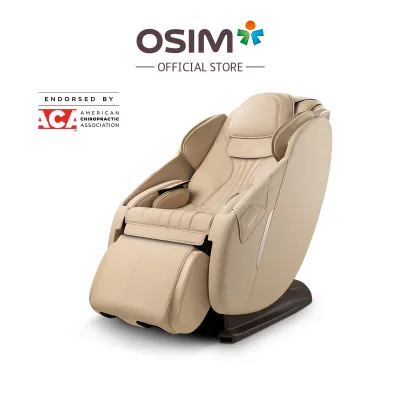
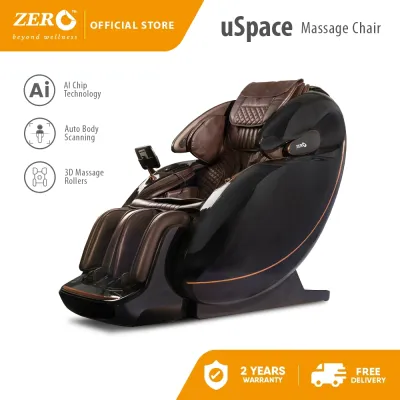
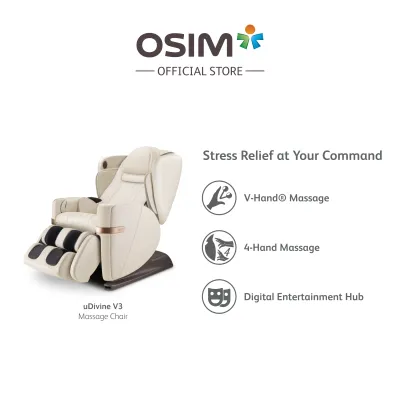

Prices are valid at publication and may change. Please refer to the product page for the latest price.
Beyond the mechanical dimensions, pay close attention to the sensor mechanisms detailed in the product manuals. Some brands rely solely on optical sensors or mechanical pressure sensors that detect resistance as the rollers move along your back. Other premium models, including the uDream series, incorporate biometric sensors designed to measure physiological markers such as heart rate or galvanic skin response. Understanding these differences helps you determine whether a chair is simply mapping your physical shape or actively attempting to assess your tension levels.
Physical compatibility is another critical factor when evaluating scanning coverage. Every household has users of different heights, weights, and body proportions, and a scanner must be able to accommodate everyone. Review the manufacturer’s official documentation for height and weight limits to ensure the chair can accurately map all intended users. If a user is taller or shorter than the recommended range, the scanner may misidentify the shoulder line, resulting in rollers pressing against the base of the skull or missing the lower lumbar region entirely.
Even the most sophisticated automated scanners can occasionally miscalculate the curve of your spine. Therefore, you should always verify if the chair offers manual micro-adjustment options on the remote control or companion mobile app. A reliable system allows you to manually nudge the rollers up or down by a few centimeters immediately after the initial scan completes. This level of manual override ensures that the massage targets your exact tension points, compensating for any minor errors made by the automated sensors.
Comparing Auto-Programs and Customization Options
Once the chair maps your body, the software uses that data to execute automated programs. The variety, focus, and adaptability of these preset routines vary significantly across different brands. When comparing options, review the product brochures for the specific therapeutic focus of their auto-programs. High-end chairs typically offer a diverse library of routines, such as deep tissue recovery for post-workout soreness, gentle stretching to alleviate morning stiffness, or low-intensity programs designed to prepare the body for sleep.

For households with multiple users, profile management is a key differentiator. Having to undergo a full scan and manually adjust settings every time you sit down can become tedious. Check whether the chair’s software allows you to save custom user profiles or remember preferred intensity, speed, and heat levels. Some advanced systems can store unique settings for several family members, allowing you to launch your favorite personalized routine with a single touch of a button.
Another crucial aspect of customization is the ability to isolate and adjust specific zones while an auto-program is actively running. Many standard chairs lock their settings once a preset routine begins, preventing you from making real-time changes. Premium models, however, allow you to adjust the intensity of the rollers on your neck while keeping the lower back pressure firm. Verify whether the chair’s interface lets you pause, modify airbag compression, or turn off specific roller groups without forcing you to cancel the entire program and start over.
Finally, consider how the software updates over time. Some modern smart chairs feature internet connectivity that allows the manufacturer to push new auto-programs or software optimizations directly to the chair. This capability ensures that your investment does not become obsolete as new massage techniques or wellness programs are developed, providing long-term value that static, non-connected models cannot match.
Smart Features and Automation Ecosystem
The overall user experience of a modern massage chair is heavily influenced by its secondary smart features and automation ecosystem. Voice control and mobile app connectivity have become standard offerings in the premium segment, but their execution varies. Verify the setup requirements and connection protocols for these features; some systems require a stable home Wi-Fi network, while others connect directly via Bluetooth. Reading user feedback on app stores can provide valuable insight into the stability, ease of use, and responsiveness of a brand’s companion application.
Automated physical transitions also play a major role in how seamless a massage session feels. Look for chairs that offer automated zero-gravity positioning, which reclines the body to align your knees above your heart, reducing spinal pressure and improving circulation. Additionally, check for automatic leg-rest extensions that use pressure sensors to adjust to your leg length dynamically, as well as heated rollers that warm up gradually to prepare muscles for deeper pressure. These automated adjustments should occur smoothly and quietly, without interrupting the flow of the massage.
Safety and utility features must not be overlooked when bringing a powerful mechanical device into your home. Because these chairs utilize high-torque motors and moving parts, robust safety mechanisms are essential. Review the product documentation for safety auto-shutoff timers, which typically end the session after 15 to 30 minutes to prevent over-stimulation. Furthermore, check for child-lock features that disable the control panel when not in use, and obstacle detection sensors that automatically stop the chair from reclining if a pet, child, or object is detected behind it.
Decision Framework: Which Smart Massage Chair Fits Your Needs?
Choosing between the uDream series and other leading massage chair brands ultimately comes down to your personal wellness priorities and household constraints. The uDream series is highly suitable if you prioritize biometric-led relaxation and stress management. If you want a chair that measures your physiological indicators and automatically selects a program tailored to your current stress levels, this bio-feedback approach offers a highly automated, holistic wellness experience.
On the other hand, a competitor brand may be the better choice if you prefer granular, manual control over your massage sessions. If you enjoy designing custom routines from scratch—adjusting the exact speed, width, and depth of the rollers for every minute of the session—a brand that emphasizes robust manual overrides and physical, tactile remote controls will likely be more satisfying. Additionally, some competitors may offer more established local servicing networks or longer standard warranties, which are important considerations for long-term maintenance.
Before making a final decision, you must evaluate your physical space and budget. In Singapore, where living space in HDB flats and condominiums is often limited, the physical footprint of the chair is a critical factor. Measure your available floor space and check the manufacturer’s specifications for the required recline clearance; some space-saving models require only a few centimeters of wall clearance, while others need significantly more. Finally, ensure the S$ price fits your budget and includes professional delivery, assembly, and a comprehensive local warranty to handle any technical issues.
Frequently Asked Questions (FAQ)
Do smart body scanners work accurately for all body types?
While modern smart body scanners are highly advanced, extreme physical statures can sometimes challenge their accuracy. Very petite individuals or those significantly taller than average may find that the sensors misidentify key anatomical landmarks, such as the shoulders or lower lumbar curve. To mitigate this, always check the manufacturer’s specified height and weight ranges before purchasing. Additionally, ensure the chair features a manual override that allows you to adjust the roller starting position immediately after the scan finishes, ensuring a precise and safe massage session.
Can I manually override the auto-programs during a session?
Yes, most premium massage chairs allow you to make real-time adjustments to speed, roller width, and airbag intensity while an auto-program is running. However, the level of control varies significantly by brand and model. Some entry-level chairs lock certain settings once a preset program begins, requiring you to switch to a fully manual mode to make changes. Before buying, review the user manual or test the controller to confirm that you can easily adjust individual zones—such as softening the neck rollers or increasing the calf compression—without interrupting the flow of your automated session.
Community discussion
Share your experience or ask a question. Comments are reviewed before publication.