
Selecting the right Ucozy massage chair requires a systematic comparison of technical specifications, spatial requirements, and long-term ownership costs. Because massage chairs represent a significant investment in home wellness, understanding how different models align with your physical needs and household space is essential. By evaluating key features such as track design, roller mechanisms, and installation requirements, you can make an informed decision that fits both your lifestyle and your budget.
When comparing models, it is important to look beyond aesthetic designs and focus on the underlying engineering. Different models cater to different recovery goals, ranging from gentle relaxation to deep-tissue muscle relief. This guide outlines the essential specifications, pricing structures, and practical considerations to help you choose the most suitable option for your home.
Key Specifications to Compare Across Ucozy Models
The foundation of any massage chair’s performance lies in its track system, which guides the movement of the massage rollers along your back. When comparing models, you will typically encounter S-track and SL-track designs. An S-track follows the natural curve of your spine from the neck down to the lower back, providing targeted relief to the lumbar and cervical regions. An SL-track extends this path further, wrapping underneath the seat to massage the glutes and upper hamstrings. To ensure the track provides adequate coverage, check the manufacturer’s specifications for the recommended user height range before purchasing.
Products mentioned in this guide
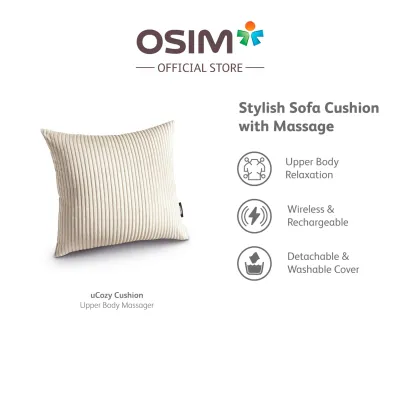

Prices are valid at publication and may change. Please refer to the product page for the latest price.
Roller mechanisms also vary significantly across different models, directly impacting the intensity and customization of the massage. Basic models may feature fixed or 2D rollers that move vertically and horizontally. More advanced models utilize 3D or 4D roller systems, which allow the rollers to protrude forward and backward to adjust the depth of the massage. This adjustability is crucial if multiple people in your household plan to use the chair, as it allows each user to customize the intensity to match their personal comfort level and body type.
Airbag systems complement the rollers by providing compression therapy to areas like the shoulders, arms, calves, and feet. When reviewing specifications, look at the placement and number of airbags rather than assuming more airbags automatically mean a better experience. Strategically placed airbags can hold the body in place, allowing the rollers to perform deeper stretches. Additionally, check the zero-gravity recline angles, which position the knees above the heart to reduce spinal pressure, and verify the minimum wall clearance required to fully recline the chair.
Assessing Price Tiers and Long-Term Value
Massage chairs are generally categorized into entry-level, mid-range, and premium price tiers, each offering a distinct balance of features and build quality. Entry-level models often feature compact frames, simpler roller systems, and localized massage programs, making them suitable for casual relaxation. Mid-range options typically introduce SL-tracks, basic zero-gravity positioning, and integrated heating elements. Premium models represent a larger financial commitment but offer highly customizable 3D or 4D rollers, comprehensive airbag coverage, and advanced space-saving technology.

Evaluating the total cost of ownership in Singapore requires looking beyond the initial retail price. Always verify the warranty terms provided by the seller, noting whether the coverage includes both parts and on-site labor. Because massage chairs contain complex mechanical and electronic components, local servicing availability is critical. Inquire about the availability and cost of replacement parts, such as motors, control boards, and synthetic leather covers, after the warranty period expires to avoid unexpected expenses down the road.
Logistics and installation fees can also impact your overall budget. Confirm whether the purchase price includes delivery, professional assembly, and testing inside your home. In Singapore, delivery to high-rise apartments may incur additional charges if the building lacks lift access or if the chair cannot fit inside the elevator, requiring manual transport up the stairs. Additionally, if you are replacing an old piece of furniture, check if the retailer offers disposal services and whether any associated fees apply.
Decision Framework: Matching Features to Your Needs
To select the right model, you must match the chair’s capabilities with your household’s physical space and the specific needs of its users. If you live in a compact apartment or an HDB flat where floor space is limited, prioritize models with a “wall-hugging” or space-saving design. These models slide forward on their base as they recline, requiring only a few centimeters of clearance from the wall behind them, which helps maximize your usable living area.
For households with elderly family members or individuals with a lower tolerance for intense pressure, look for models that emphasize gentle airbag compression and targeted heat therapy. Mild warmth can help soothe stiff joints and improve circulation without the need for aggressive mechanical kneading. Ensure the chair’s settings allow you to adjust or completely disable the roller intensity, providing a customizable experience that accommodates sensitive users.
Conversely, if the primary goal is muscle recovery after intense physical activity, focus on models equipped with advanced roller mechanisms and dedicated deep-tissue programs. Features such as foot rollers, calf kneading, and active spinal stretching are highly beneficial for relieving muscle tension and fatigue. Verify that the chair offers manual control modes, allowing you to park the rollers on specific trouble spots for targeted relief.
Finally, always verify the physical limits of the chair against the profiles of all intended users. Check the maximum weight capacity and the internal seat width specified by the manufacturer. A chair that is too narrow may feel constricting, while one with a weight limit below a user’s weight can experience premature wear on the motor and internal frame, compromising both safety and durability.
Pre-Purchase Verification and Buying Channels
Before finalizing your purchase, ensure you are buying through authorized local channels, official brand showrooms, or established furniture retailers. Purchasing from authorized sellers guarantees that you receive a genuine product eligible for local warranty support and professional servicing. Avoid parallel imports or unauthorized online listings, as these products often lack local technical support, leaving you without recourse if a mechanical failure occurs.
Accurate physical measurements are essential to prevent delivery day complications. Measure the exact dimensions of your designated space, but do not stop there. You must also measure the width of your front door, hallway turns, and elevator doors to ensure the delivery team can safely transport the chair into your home. Some models allow certain parts, such as side panels, to be temporarily removed during delivery, so check the manufacturer’s installation guide for these details.
Lastly, carefully review the retailer’s return policy and trial period conditions. Some sellers offer a home trial period, but these often come with specific terms, such as restocking fees or original packaging requirements. Understanding these policies beforehand, along with securing clear post-purchase support contact information, ensures a transparent and secure transaction.
Frequently Asked Questions (FAQ)
How do I measure my space for a massage chair?
To measure your space accurately, consult the manufacturer’s specifications for both the upright and fully reclined dimensions of the chair. Use a measuring tape to mark out the footprint on your floor, ensuring there is sufficient clearance around the perimeter for daily movement. You must also account for the required wall clearance behind the chair, which varies depending on whether the model has a space-saving sliding mechanism. Finally, ensure the chosen spot is within reach of a grounded power outlet without requiring long extension cords, which can present a tripping hazard.
What maintenance is required to keep the upholstery in good condition?
Maintaining the upholstery requires regular cleaning and careful placement, especially in Singapore’s warm and humid climate. Always refer to the user manual for approved cleaning agents, as harsh chemicals or alcohol-based wipes can degrade synthetic leather (such as PU or PVC) and cause it to peel. Wipe down the surface weekly with a dry or slightly damp microfiber cloth to remove sweat and dust. To prolong the life of the material, position the chair away from direct sunlight and avoid placing it directly under air conditioning vents, as extreme temperature fluctuations and humidity can accelerate wear.

Community discussion
Share your experience or ask a question. Comments are reviewed before publication.