
The decision between TTRacing gaming chairs and other popular racing-style brands in Singapore depends on verifying structural specifications, material suitability for Singapore’s tropical climate, and ergonomic adjustability. Without a universal testing standard, determining the best overall value requires comparing manufacturer specifications for frame construction, foam density, and warranty coverage against your specific physical dimensions and usage habits. While racing-style chairs are famous for their striking aesthetics, their actual performance in daily use depends heavily on the quality of their internal components and how well they support your posture over long hours of sitting.
Core Dimensions for Evaluating Racing Chair Build Quality
To evaluate the build quality of any racing gaming chair, you must look beyond the external design and inspect the core structural elements. The foundation of any durable chair is its internal frame. High-quality models feature a full steel frame with welded crossbars, which provides robust structural integrity and prevents the seat from sagging over time. In contrast, some budget-friendly alternatives may use internal plywood panels in the seat base. Plywood is more susceptible to moisture absorption and warping, especially in humid environments, which can eventually lead to structural instability and squeaking.
The base and casters are equally critical for safety and mobility. Aluminum bases offer higher tensile strength and stability than nylon bases, especially when the chair is fully reclined. For casters, standard hard nylon wheels are suitable for carpets but can scratch vinyl or parquet flooring; polyurethane-coated casters are preferred for hard surfaces as they glide quietly without causing damage.
Products mentioned in this guide
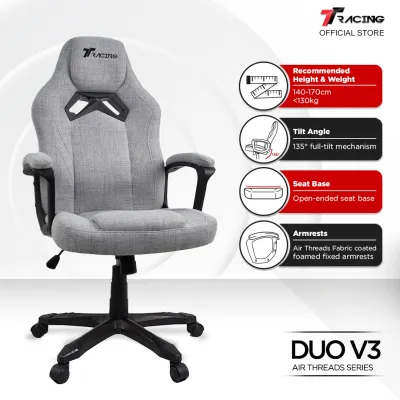
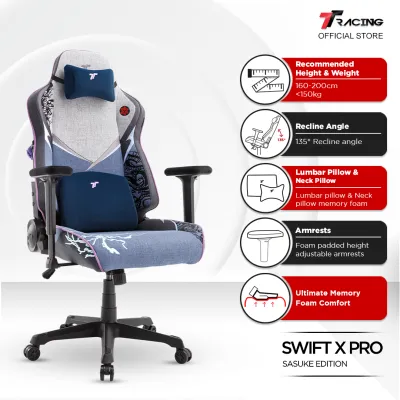
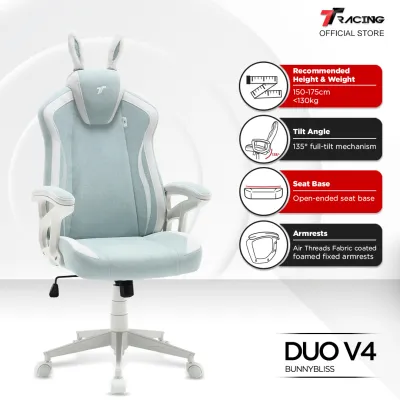
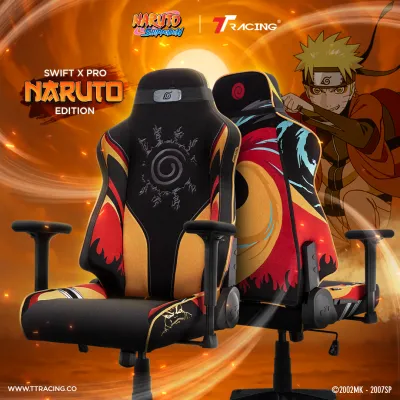
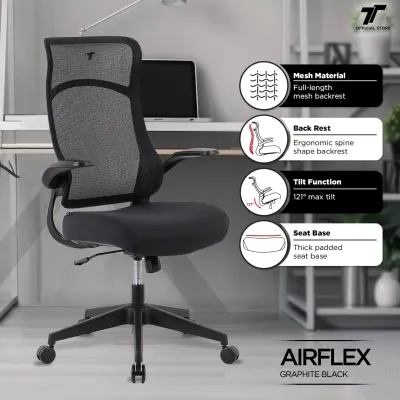
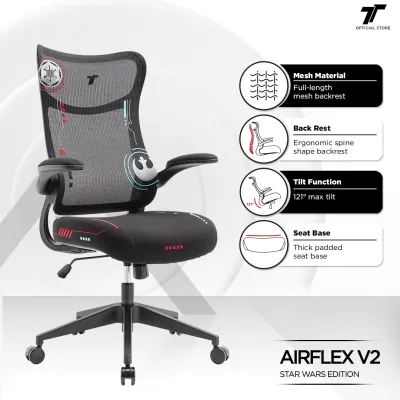
Prices are valid at publication and may change. Please refer to the product page for the latest price.
The pneumatic cylinder, or gas lift, is responsible for height adjustment and weight support. Verify that the chair uses a Class 4 gas lift, which indicates a thicker cylinder wall and higher pressure tolerance certified by independent testing bodies like SGS or TUV. Lower-class cylinders can wear out quickly, leading to gradual height loss during use.
Finally, assess the stability of the armrest mechanisms. Premium racing chairs often feature 4D armrests, which adjust in height, depth, angle, and width. While these adjustments offer excellent customization, they also introduce multiple moving parts. Check the manufacturer’s specifications for metal internal reinforcement within the armrest columns, as purely plastic mechanisms tend to develop excessive wobble and wear out faster under daily pressure.
Comparing Upholstery and Padding for Long-Term Comfort
The choice of upholstery and padding directly impacts both the immediate comfort and the long-term durability of a gaming chair, particularly in Singapore’s warm and humid climate. Synthetic leather, or polyurethane (PU) leather, is the most common material used in racing chairs due to its sleek appearance and ease of cleaning. However, standard PU leather tends to trap heat and moisture, which can lead to discomfort during long sessions in rooms without air conditioning. If you prefer the look of leather, look for breathable, perforated PU leather or high-grade synthetic options that incorporate ventilation channels.

For those prioritizing thermal comfort, fabric and mesh upholstery are excellent alternatives. Fabric chairs offer significantly better breathability and heat dissipation, keeping you cooler throughout the day. The trade-off is that fabric is more susceptible to staining from spills and sweat, requiring more diligent maintenance and occasional deep cleaning. Mesh backrests provide the highest level of airflow, though they are less common in traditional racing-style designs and may offer a firmer, less cushioned feel.
Beneath the upholstery, high-density, cold-cure molded foam is the industry standard for premium comfort. This foam is created by pouring liquid polyurethane into a specific mold, resulting in a dense, resilient cushion that distributes weight evenly and resists flattening over years of use, unlike standard cut foam which is prone to developing permanent depressions. When evaluating durability, pay close attention to the stitching and seam construction. High-stress areas, such as the side bolsters and the front edge of the seat pan, should feature double-stitching or reinforced seams to prevent fraying under tension. Regular maintenance, such as wiping down PU leather with a dry microfiber cloth to remove body oils and vacuuming fabric surfaces, will significantly extend the lifespan of these materials.
Ergonomic Adjustability and Fit Verification
Ergonomic adjustability is essential to ensure that a racing chair supports your body correctly and prevents strain during extended use. Lumbar support is a primary consideration. Many entry-level racing chairs rely on external, strap-on lumbar pillows. While these pillows are adjustable in height, they can shift out of place and may not provide the precise contour your lower back needs. Premium models often feature integrated, adjustable lumbar support systems built directly into the backrest frame. These systems allow you to adjust the depth and height of the support using a dial, offering a more seamless and stable ergonomic fit.
Headrest positioning and recline mechanisms are equally vital for neck and spine alignment. Ensure that the headrest pillow can be adjusted to sit directly in the curve of your neck rather than pushing your head forward. For movement, basic tilt mechanisms only allow you to lock the backrest in an upright position, whereas multi-functional tilt mechanisms allow you to tilt and lock the seat pan independently of the backrest. This “cradle” effect helps distribute your body weight more evenly and reduces pressure on your thighs and lower back.
Before purchasing, carefully verify the seat dimensions. A seat pan that is too deep will press against the back of your knees, restricting blood circulation, while a seat that is too wide may prevent you from resting your elbows comfortably on the armrests. Additionally, pay attention to the angle of the side bolsters on the seat pan; aggressive, steeply angled bolsters can restrict leg movement and pinch your thighs, whereas flatter seat designs offer more freedom of movement.
Space, Weight Capacity, and Assembly Checks
Before finalizing your choice, you must ensure that the gaming chair fits your physical environment and meets safety requirements. Racing-style chairs typically have a larger footprint than standard office chairs due to their wide bases and flared backrests. Measure your available floor space, taking into account the clearance needed behind the chair when it is fully reclined. You should also measure your desk height and the distance between the desk legs to ensure the armrests can slide underneath, allowing you to sit close enough to your keyboard and monitor.
Delivery and access planning are crucial, especially if you live in a high-rise apartment in Singapore. If you purchase a pre-assembled chair, verify that your doorways, hallways, and lift access can accommodate the fully built dimensions. Additionally, always cross-reference your weight with the manufacturer’s recommended weight limit rather than the absolute maximum load capacity. Operating a chair close to its maximum limit can put excessive strain on the gas lift, tilt mechanism, and caster joints, leading to premature wear and potential safety hazards.
Most gaming chairs, including TTRacing models, are delivered flat-packed and require self-assembly. While manufacturers provide the necessary hex keys and instructions, assembling a heavy steel-framed chair can be challenging for a single person. If you prefer to avoid the physical effort, check if the retailer offers an optional professional assembly service during delivery, which ensures the chair is put together correctly and safely.
Decision Framework: Choosing the Right Brand for Your Setup
Choosing between TTRacing and other popular racing chair brands requires a clear understanding of your personal priorities, budget, and environment.
Choose TTRacing if you prioritize accessible local customer support, a wide variety of aesthetic designs, and the convenience of testing different models in local showrooms. TTRacing offers a structured product lineup that caters well to different budget levels, making it a reliable choice for users who want a balance of classic racing aesthetics and functional adjustability without importing from overseas.
Choose a premium mesh or fabric competitor if your setup is located in a room without air conditioning, where maximum breathability is essential to prevent sweating and discomfort. You should also consider premium ergonomic brands if you require advanced, highly customizable lumbar support systems or specialized ergonomic certifications for intensive, full-day working and gaming sessions.
Choose a budget-friendly racing alternative if you have strict budget constraints, only require basic height and recline adjustments, and do not plan on sitting in the chair for more than a few hours at a time. These entry-level options are suitable for casual users who prioritize the racing aesthetic over advanced ergonomic features.
Verify first if you fall between standard size charts, as you may need to step up to an XL model to ensure the seat width and gas lift capacity are appropriate for your frame. Always measure your desk-height clearance and check current local stock levels and active promotional terms before making a final purchase.
Frequently Asked Questions (FAQ)
How long do PU leather gaming chairs typically last in humid climates?
In Singapore’s humid climate, standard PU leather gaming chairs typically last between two to five years before showing signs of wear. The actual lifespan depends heavily on the thickness of the polyurethane coating, the quality of the underlying fabric, and how often the chair is exposed to sweat and direct sunlight. Early signs of degradation include peeling, cracking, or a sticky texture caused by hydrolysis, which is the chemical breakdown of the material due to moisture. To maximize longevity, wipe down the upholstery regularly to remove body oils, or consider fabric or mesh alternatives if your room is not air-conditioned.
Is a racing-style gaming chair better for posture than an ergonomic office chair?
Neither style is universally superior, as they are designed for different sitting habits and preferences. Racing-style gaming chairs feature a bucket seat design inspired by motorsports, which cradles the body and restricts lateral movement. This design can feel highly supportive and immersive for focused gaming sessions, but the flared shoulder bolsters can sometimes restrict natural movement. Ergonomic office chairs focus on active sitting, offering flexible backrests and dynamic lumbar support that adapts to your movements during varied desk tasks. If you prefer a locked-in, highly cushioned feel, a racing chair is excellent; if you shift positions frequently or work long hours, an ergonomic office chair may offer better long-term comfort.

Community discussion
Share your experience or ask a question. Comments are reviewed before publication.