
Trundle beds are a highly practical choice for Singapore families looking to maximize space in compact bedrooms. Whether you are accommodating siblings in a shared HDB room or preparing for occasional sleepovers, these pull-out beds offer a neat, space-saving solution. However, because trundle beds feature moving parts, low-profile frames, and multi-level configurations, they introduce unique safety considerations for young children. To ensure your child’s bedroom remains a secure haven, you must evaluate potential physical hazards, verify mattress compatibility, measure room clearances, and establish clear household rules before making a purchase.
Identifying Common Trundle Bed Hazards
Trundle beds consist of a primary bed frame and a secondary, lower bed frame that slides underneath. While this design is highly efficient, the moving parts can create physical hazards if not carefully evaluated.
Pinch Points and Entrapment Gaps: The sliding mechanism of a pull-out bed naturally creates moving joints. Small fingers and toes can easily get caught in the gaps between the main bed frame and the trundle during extension or retraction. Parents should inspect the clearance between these two frames to ensure there are no tight scissor-like actions or exposed metal brackets that could pinch a child.
Products mentioned in this guide
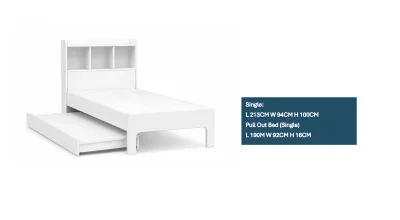
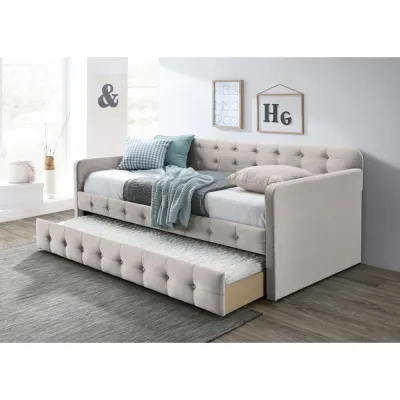
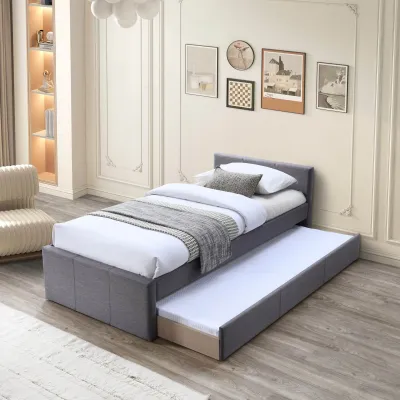
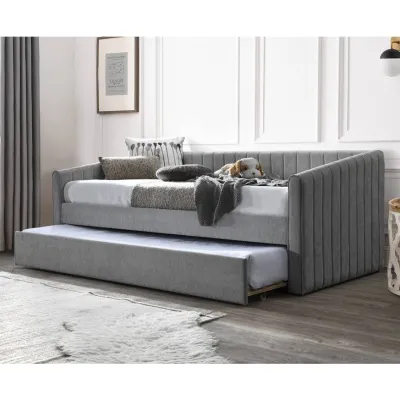




Prices are valid at publication and may change. Please refer to the product page for the latest price.
Tripping Hazards: Once fully extended, a trundle bed sits very close to the floor, often blocking walkways in smaller bedrooms. In the dark, a child waking up to use the bathroom can easily trip over the low-profile frame, protruding casters, or the floor tracks. This risk is heightened if the bed is placed in a high-traffic area of the room.
Structural Stability and Tipping Risks: When the trundle is pulled out and occupied, the center of gravity for the entire bed unit shifts. If a child sits heavily on the edge of the main bed while the trundle is deployed, or if multiple children gather on one side, a poorly constructed frame may tip or slide. This instability is a critical safety concern, particularly for lightweight wooden or metal frames that lack a broad, stable base.
Key Safety Features to Evaluate in Store or Online
When shopping for a trundle bed, either in physical showrooms across Singapore or through online furniture marketplaces, you should look for specific design elements that actively mitigate these hazards.

Smooth Gliding Mechanisms and Locking Casters: The trundle should slide out effortlessly without requiring excessive force, which could cause the frame to jerk or derail. Look for models equipped with high-quality casters suitable for your bedroom flooring, whether it is parquet, vinyl, or floor tiles. Most importantly, ensure that at least two of the casters feature reliable locking mechanisms to keep the trundle firmly in place when extended.
Rounded Edges and Recessed Hardware: Run your hands along the corners and edges of both the main bed and the trundle frame. Sharp corners pose a significant risk of impact injuries during active play. Opt for frames with rounded edges and ensure that all screws, bolts, and brackets are recessed or flush with the surface to prevent clothing or skin from snagging.
Clearance and Structural Reinforcement: Check the gap between the bottom of the main bed’s side rails and the top of the trundle frame. There should be sufficient clearance to prevent hands from being crushed during operation, yet the gap must not be wide enough to trap a child’s limb while they sleep. Look for reinforced joints, sturdy support slats, and robust corner brackets that can withstand daily use.
Mattress Fit and Height Restrictions
Selecting the right mattress is not just about comfort; it is a critical safety factor that directly affects the functionality and safety of both the main bed and the trundle.
Maximum Mattress Thickness: One of the most common mistakes is purchasing a mattress that is too thick for the trundle compartment. If the mattress exceeds the manufacturer’s specified height limit, the trundle will not slide back under the main bed. Furthermore, on the main bed, an overly thick mattress reduces the effective height of any guardrails, significantly increasing the risk of falls.
Mattress Firmness and Edge Support: A mattress that is too soft or lacks proper edge support can compress excessively when a child sleeps near the edge. This compression can create dangerous gaps between the mattress and the bed frame, leading to limb entrapment. Opt for a firm mattress that fits snugly within the frame boundaries with minimal gaps.
Reading Labels and Warnings: Always locate the manufacturer’s safety labels on the bed frame or within the user manual. These labels often specify the exact maximum mattress height (often limited to 15 cm or less for the trundle) and weight limits. Exceeding these specifications voids safety guarantees and compromises structural integrity.
Safe Room Placement and Clearance Requirements
Proper room placement is essential to prevent environmental accidents and ensure the bed functions safely within your child’s bedroom layout.
Measuring Pull-Out Space: Before purchasing, measure your child’s bedroom carefully. You must account for the fully extended width of the trundle bed, leaving at least 60 cm of clearance for walkways. Ensure that when the trundle is open, it does not block the bedroom door, wardrobe doors, or emergency exit routes. Also, verify that the finished dimensions of the bed can easily pass through your home’s doorways and lift access during delivery.
Environmental Hazards: Position the bed away from ceiling fans, windows, and wall-mounted shelves. In Singapore’s warm climate, ceiling fans are common; ensure the top bed is positioned well below and away from the fan blades. Additionally, keep the bed far from window blind cords, which present a severe strangulation hazard.
Unanchored Furniture: Avoid placing the trundle bed directly adjacent to tall, unanchored furniture like wardrobes, bookshelves, or chests of drawers. A child sleeping on the trundle or main bed might use these pieces of furniture to climb, risking a dangerous tip-over accident.
Age Guidelines and Household Usage Rules
Establishing clear guidelines for who uses the bed and how it is operated is just as important as choosing the right model.
Age and Weight Limits: Manufacturers typically recommend that the main (upper) bed be used only by children of a certain age, often six years or older if it is a lofted or bunk-style trundle. The lower trundle is also subject to weight limits that you must verify to prevent structural failure.
Operation Rules: Establish a strict rule that only adults or older, responsible children are allowed to pull out or push in the trundle. Teach younger children to keep their hands and feet clear of the base whenever the bed is being moved.
Restricting Rough Play: Trundle beds are not designed to withstand the impact of jumping or rough housing. Emphasize to your children that the extended trundle is strictly for sleeping, not a trampoline. Hanging from the headboard or footboard can also loosen joints over time, weakening the bed’s structure.
Post-Delivery Inspection and Assembly Checks
Once your trundle bed is delivered, a thorough inspection and careful assembly are the final steps to ensuring a safe sleeping environment.
Hardware Inspection: Before beginning assembly, lay out all components and inspect them for missing, loose, or sharp hardware. Check for splintered wood, cracked plastic, or bent metal parts that could cause lacerations or structural failure. If you opt for professional assembly, inspect the finished product thoroughly before the installers leave.
Stability Testing: Apply firm downward and lateral pressure to the main bed frame to check for wobbling. Test the trundle by rolling it out completely, locking the casters, and ensuring it remains firmly in place. The frame should feel solid and silent, without squeaking or shifting.
When to Stop Assembly: If you encounter misaligned pre-drilled holes, cracked wood, or confusing instructions that conflict with basic safety practices, stop assembly immediately. Do not attempt to “make it work” by using non-standard hardware. Contact the manufacturer or retailer to request replacement parts or professional assistance.
Frequently Asked Questions (FAQ)
Can a toddler safely sleep on the pull-out trundle section?
Toddlers transitioning from a crib require careful consideration. While a trundle is low to the ground, reducing the severity of a fall, most trundles lack built-in guardrails. A toddler can easily roll off onto the hard floor or become wedged in the gap between the trundle and the main bed. It is generally safer to wait until a child has developed better spatial awareness and can consistently understand bed boundaries—typically around two to three years of age—before allowing them to sleep on a trundle, and even then, only with added safety precautions like floor mats or removable bed guards. Always consult the manufacturer’s age guidelines in the product manual.
How do I verify if a trundle bed meets safety standards?
To verify safety without relying on marketing claims, look for compliance with recognized international safety standards, such as ASTM (American Society for Testing and Materials) or EN (European Standards) for children’s furniture. Check the product packaging, the underside of the bed frame, or the user manual for official certification marks. Reliable manufacturers will readily provide documentation of structural and material testing upon request. Avoid purchasing from unbranded online sellers who cannot provide clear assembly instructions, safety labels, or verifiable manufacturer contact information.
Community discussion
Share your experience or ask a question. Comments are reviewed before publication.