
Finding the right replacement trolley wheels for your home or office furniture requires a systematic approach to measuring and matching specifications. A mismatched wheel can lead to uneven rolling, floor damage, or complete installation failure. By taking a few precise measurements of your existing wheels and mounting hardware, you can confidently order the correct parts from an online marketplace or local hardware supplier.
Step 1: Measure the Wheel Diameter and Width
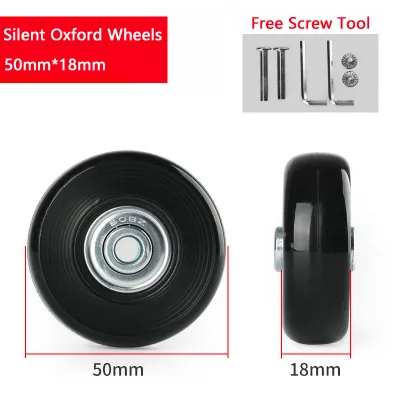
To begin, you need to measure the physical dimensions of the wheel itself. The most critical dimension is the wheel diameter, which determines how high your trolley or furniture sits off the ground. To measure this accurately, use a ruler or caliper to measure only the outer tread from one edge to the opposite edge, making sure to exclude the metal bracket, horn, or mounting stem.
Next, measure the wheel width, which is the thickness of the rolling tread. This measurement is vital because the replacement wheel must fit comfortably inside the existing metal fork or bracket. If the new wheel is too wide, it will rub against the sides of the bracket and refuse to spin; if it is too narrow, it may wobble side-to-side and compromise stability.
Products mentioned in this guide
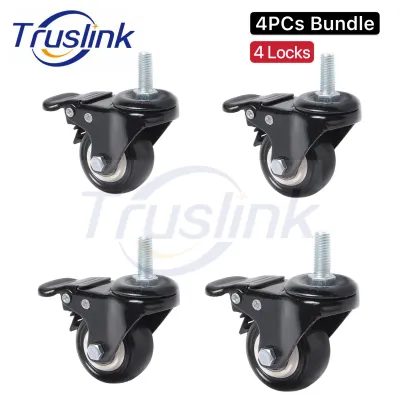
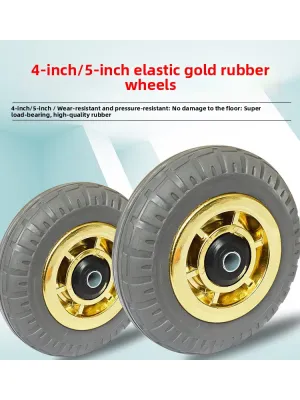
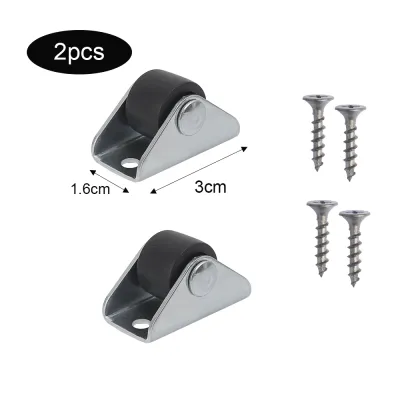
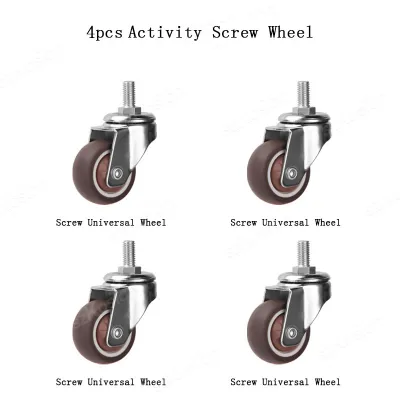
![[SG Seller]Ready Stock 4 Pcs Luggage Wheels Luggage Suitcase Replacement Wheels Repair OD 50mm Axles Deluxe Luggage Wheel Replacement](https://img.lazcdn.com/g/p/ed2fd6a3d1e69405eb7b27f034ed7006.jpg_400x400q80.jpg_.webp)
Prices are valid at publication and may change. Please refer to the product page for the latest price.
Finally, check the overall height of the caster assembly. This is measured from the very bottom of the wheel tread to the top of the mounting plate or the base of the stem. Knowing the overall height helps you maintain the original level of your furniture, ensuring that cabinet doors still clear the floor and the unit does not tilt.
Step 2: Identify the Mounting and Stem Type
Identifying how the wheel attaches to your furniture is the most critical step for compatibility. The first common type is the plate mount, which features a flat metal plate with four screw holes. To match a plate mount, measure the length and width of the plate itself, and then measure the exact distance between the centers of the bolt holes (known as the hole spacing) to ensure the new plate aligns with your existing screw holes.

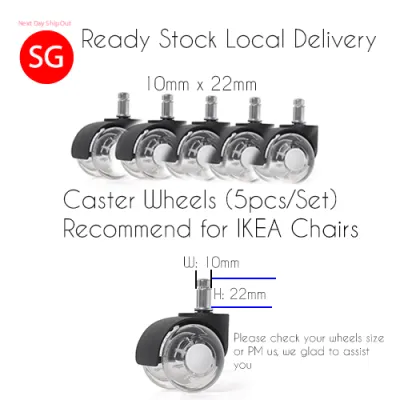
The second type is the grip ring stem, which is commonly found on office chairs and light-duty utility carts. This stem features a small metal ring that compresses when pushed into a socket, holding the wheel in place through friction. To measure a grip ring stem, use a caliper to find the exact diameter of the metal stem (excluding the ring itself) and the length of the stem from the base to the tip.
The third type is the threaded stem, which screws directly into a threaded socket on the furniture leg. You must measure both the nominal thread diameter and the length of the threaded portion. Because thread pitches can vary between metric and imperial standards, it is highly recommended to take your old wheel to a local hardware store to test it against a thread gauge before ordering.
Lastly, some tubular metal furniture uses expanding adapters. These adapters consist of a rubber or plastic sleeve over a threaded stem that expands inside a hollow leg as you tighten it. For these setups, you must measure the precise inner diameter of the hollow tube rather than the stem itself, as the adapter must fit snugly inside the tube before expanding.
Step 3: Decode Load Capacity and Material Specs
Selecting the right wheel also depends on weight limits and the environment where the trolley will be used. To calculate your load capacity requirement, add the total weight of the trolley or furniture to the maximum weight of the items you plan to place on it. Divide this total weight by three, rather than four; this safety margin accounts for uneven floors where one wheel may temporarily lift off the ground, placing the entire load on the remaining three wheels.
The tread material should match your flooring to prevent damage and ensure smooth rolling. Soft treads, such as polyurethane or soft rubber, are ideal for hard floors like parquet, vinyl, or homogeneous tiles commonly found in Singapore homes, as they absorb shock and prevent scratches. Hard treads, like nylon or hard plastic, are better suited for carpeted areas or rough outdoor surfaces because they do not sink or deform under load.
You should also consider the bearing type inside the wheel hub. Ball bearings provide the smoothest rotation and are highly recommended for heavy-duty trolleys that are moved frequently. For light-duty furniture that remains stationary most of the time, plain bearings or simple nylon sleeves are a cost-effective choice that still offers reliable performance.
Step 4: Verify Clearance and Brake Requirements
Before finalizing your purchase, verify that the new wheels will not interfere with the operation of your furniture. Ground clearance is a key factor; ensure the new overall height provides enough space so the bottom frame of your trolley does not drag on rugs or door thresholds, while avoiding an excessively high center of gravity that could make the unit tip over.
If your trolley requires brakes, understand the difference between single and dual brake configurations. A single brake locks only the wheel from spinning, while a dual brake locks both the wheel rotation and the swivel mechanism, keeping the trolley completely stationary. Ensure there is enough physical clearance around the furniture leg for your foot to easily press and release the brake pedal.
Finally, check the swivel radius of the caster. For wheels that rotate 360 degrees, the swivel radius is the distance from the center of the mounting stem to the outermost edge of the wheel or brake pedal. Make sure this turning path is clear of any adjacent legs, cabinet doors, or nearby walls so the wheels can rotate freely without getting stuck.
Frequently Asked Questions (FAQ)
Can I replace a plate mount wheel with a stem mount wheel?
Generally, you cannot directly swap a plate mount wheel for a stem mount wheel because their mounting interfaces are structurally different. A plate mount requires a flat, wide surface for screws, whereas a stem mount requires a deep, vertical hole or socket. While adapter plates exist to convert stems to plates, they add height and can compromise the structural stability of the trolley if not installed professionally.
What if I cannot find the exact wheel width?
If you cannot find an exact match for your wheel width, you can sometimes use a slightly narrower wheel, provided you insert matching metal washers or spacers inside the fork to prevent the wheel from sliding side-to-side. However, you should never install a wheel that is wider than the original, as it will rub against the bracket, prevent the wheel from turning, and potentially damage the caster assembly.
Community discussion
Share your experience or ask a question. Comments are reviewed before publication.