
Finding the right entryway furniture in Singapore requires balancing storage capacity with seating comfort. A sturdy shoe rack seat serves as a practical, dual-purpose solution for putting on footwear comfortably while keeping the foyer organized. To choose the best option for your home, you must match the physical dimensions and storage capacity of the bench to your household size and entryway layout. This guide evaluates leading brands available in Singapore, categorized by household size, to help you make an informed decision.
Key Selection Criteria for a Shoe Rack Seat
Space and Dimensions
Entryways in Singapore apartments, particularly modern HDB flats and condominiums, are often compact. Before purchasing, measure the available floor area carefully. You must account for door swing clearances—both for your main entrance door and any nearby bedroom or DB box doors. Ensure the unit’s depth does not obstruct the main walkway. A standard walkway should maintain at least 90 to 120 centimeters of clear space for comfortable passage. If you live in a high-rise, verify that the packaged dimensions of the unit can fit through your doorway and lift access points during delivery.
Capacity Needs
Estimate your storage requirements based on the number of active footwear pairs your household uses daily. A single tier typically holds three to four pairs of adult shoes. If your household has diverse footwear types, such as high heels, boots, or bulky running shoes, standard fixed shelves may not suffice. Look for units with adjustable shelves or varying tier heights to accommodate different shoe profiles without wasting vertical space.
Products mentioned in this guide
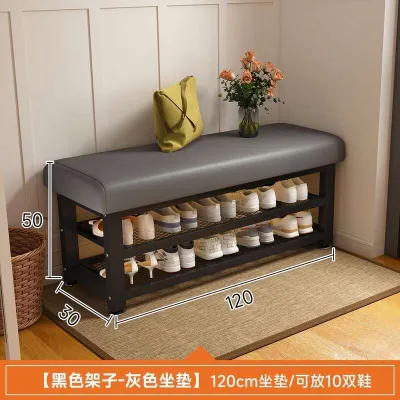
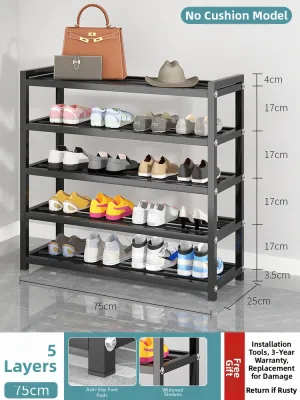
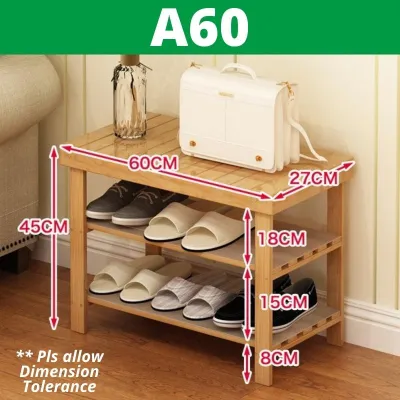
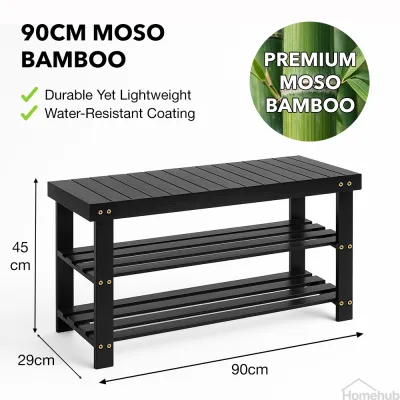
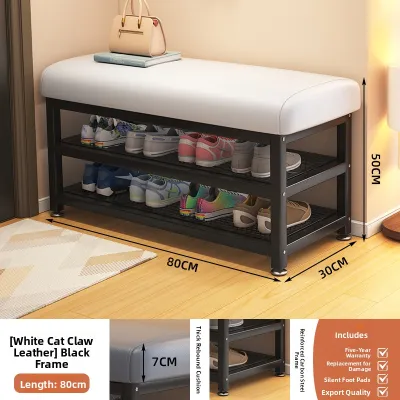
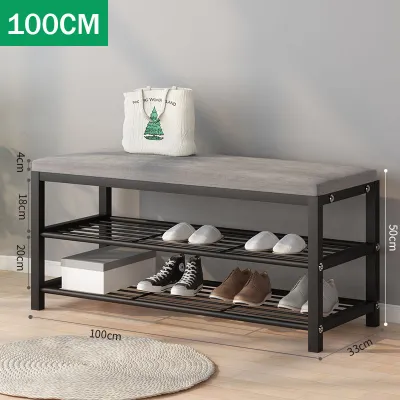
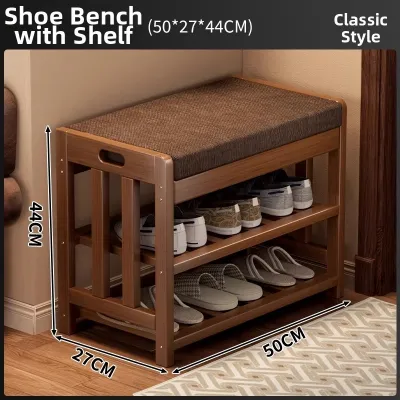
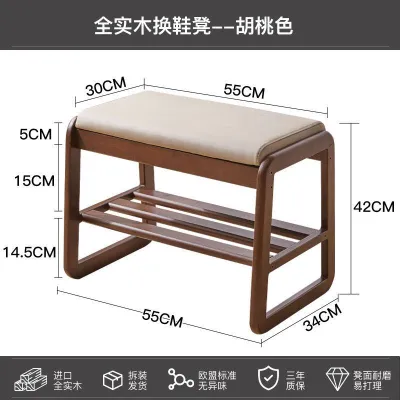
Prices are valid at publication and may change. Please refer to the product page for the latest price.
Structural Integrity
Because this furniture piece functions as a seat, load capacity is a critical safety factor. Always verify the manufacturer’s stated weight limit for the seating surface. A reliable bench should support the weight of an average adult without bowing or shifting. Look for structural stability features such as a wide, low-slung base, reinforced joints, and solid wood or heavy-gauge metal frames. If you have uneven flooring, look for adjustable leveling feet to prevent wobbling.
Material and Ventilation
Singapore’s tropical climate brings high humidity levels year-round, which can lead to mold growth and unpleasant odors in enclosed shoe storage. Opt for slatted, mesh, or open-shelf designs that promote continuous airflow around your footwear. When evaluating materials, remember that a material name alone does not guarantee durability. Check the manufacturer’s care instructions to confirm if the wood has been treated with a moisture-resistant sealant, or if metal components are powder-coated to prevent rust.
Top Brand Picks for Small Households (1-2 People)
For singles or couples living in studio apartments, 2-room flexi flats, or cozy condominiums, space optimization is the primary goal. You need a compact shoe rack seat that offers a slim footprint without compromising on basic structural stability.

IKEA
As a household staple in Singapore, IKEA offers several highly functional, budget-friendly options suitable for tight entryways. Models like the TJUSIG or PINNIG series are popular for their minimalist designs and narrow profiles. These units typically feature open, slatted metal or wood shelves that facilitate excellent ventilation. The main trade-off with these compact models is the seating comfort; they often feature hard wood or metal surfaces without built-in cushioning. To address this, you can add a separate, non-slip seat pad, provided it does not interfere with the unit’s balance.
HipVan
This local online furniture brand is well-regarded for designing pieces tailored to modern Singaporean homes. HipVan offers compact entryway benches that double as stylish accent pieces. Many of their small-scale designs incorporate hidden storage compartments beneath a cushioned seat, allowing you to store small items like keys, shoe horns, or umbrellas. This multi-functional approach helps keep small entryways completely clutter-free.
Trade-offs
When selecting a small-capacity bench, you must balance seating area with storage volume. A bench under 80 centimeters in width will typically accommodate only four to six pairs of shoes. If you require more storage, you may need to sacrifice cushion width or choose a design that utilizes vertical space, such as a taller unit with a built-in coat rack.
Buying Checks
Before ordering, verify the exact footprint of the bench against your entryway measurements. Check the cushion thickness and density specifications if you prefer a softer seat. Confirm that the material finishes are easy to wipe clean, especially if you plan to place damp shoes on the lower shelves during the monsoon season.
Top Brand Picks for Medium Households (3-4 People)
A typical family of three or four requires a more robust storage solution. The ideal shoe rack seat for this household size should measure between 80 and 120 centimeters in width, providing enough space for two to three tiers of storage while offering a wider, more comfortable seating area.
Scanteak
Renowned in Singapore for its high-quality solid teak furniture, Scanteak offers exceptionally durable entryway benches. Teak wood is naturally rich in protective oils, making it highly resistant to moisture and warping—a crucial advantage in Singapore’s humid climate. Scanteak’s designs often feature clean, classic lines with sturdy, multi-tiered slatted shelves. While these premium solid wood benches represent a higher upfront investment, their structural longevity and natural resistance to wear make them a highly cost-effective choice over time.
Born in Colour
This local brand specializes in unique, retro, and Scandinavian-inspired furniture that fits well into contemporary HDB flats. Their mid-sized entryway benches often combine solid wood frames with comfortable, high-density foam cushions upholstered in durable fabrics or synthetic leather. Many of their designs feature a mix of open shelving and closed drawers, allowing you to keep daily-wear shoes accessible while tucking away less frequently used items.
Comfort and Durability
For daily family use, prioritize high-density foam cushions that retain their shape over time. Upholstery materials should be easy to clean; synthetic leather (PU) or performance fabrics can be wiped down quickly to remove dirt and water stains.
Buying Checks
Ensure the seat’s weight capacity is rated for at least 100 to 120 kilograms to safely support family members. Inspect the joints—mortise and tenon joints or reinforced steel brackets offer superior lateral stability compared to basic cam-lock fasteners. Review the manufacturer’s care instructions to maintain the wood finish and cushion fabric properly.
Top Brand Picks for Large Households (5+ People)
Large families or multi-generational households face the challenge of managing a substantial volume of footwear. For these homes, a standard shoe bench is rarely sufficient. You require heavy-duty, high-capacity, or modular shoe rack seat systems that can support heavier loads and accommodate multiple users simultaneously.
Castlery
Known for modern, premium furniture designs, Castlery offers wider entryway benches and modular storage systems that cater to larger households. Their larger units feature robust construction with thick engineered wood or solid wood frames supported by heavy-duty metal legs. Castlery’s designs prioritize aesthetic elegance alongside functionality, offering wide seating surfaces that can comfortably accommodate two adults at the same time.
Comfort Design
This brand is highly regarded in Singapore for both commercial and residential furniture. They offer heavy-duty, highly customizable seating benches with integrated storage. Because they cater to high-traffic environments, their furniture is engineered for maximum durability. You can find options with reinforced metal frames, thick wooden tops, and high-performance upholstery that stands up to heavy, repetitive use.
Structural Requirements
High-capacity benches must feature exceptional structural integrity. Look for units constructed from solid hardwoods or thick, high-grade engineered wood with reinforced corner blocks. If the bench is exceptionally wide (over 120 centimeters), it should have a central support leg or a reinforced steel understructure to prevent sagging under heavy loads.
Buying Checks
Verify the total load-bearing limit, which should ideally exceed 150 to 200 kilograms for multi-person seating. Check the assembly requirements; larger units are often heavy and may require professional installation to ensure they are level and secure. Confirm if the unit comes with floor-protection pads and review the warranty terms, looking for coverage on structural frames and joints.
Quick Comparison of Shoe Rack Seat Features
| Household Size | Recommended Width/Depth Range | Key Design Features | Crucial Specs to Verify |
|---|---|---|---|
| Small (1-2 People) | Width: 60–80 cm<br>Depth: 30–35 cm | Slim profiles, open slatted shelves, multi-functional or vertical designs | Exact footprint, clearance for door swing, cushion thickness |
| Medium (3-4 People) | Width: 80–120 cm<br>Depth: 35–40 cm | 2–3 tiers, adjustable shelving, mixed open/closed storage, high-density cushions | Weight capacity (100–120 kg), joint construction type, cushion care instructions |
| Large (5+ People) | Width: 120+ cm<br>Depth: 40–45 cm | Heavy-duty frames, central support legs, wide multi-person seating, modular options | Total load-bearing limit (150–200 kg+), floor protection pads, warranty coverage |
Installation, Safety, and Maintenance Checks
Assembly and Placement
When assembling your shoe rack seat, ensure all screws, bolts, and dowels are tightened securely according to the manufacturer’s instructions. Place the bench on a completely level floor surface. If your entryway floor has a slight slope—common near HDB main doors or drainage areas—use adjustable leveling feet to stabilize the unit. Ensure the bench is positioned clear of main walkways, fire escape routes, and the swing paths of your doors.
Safety Boundaries
Always adhere strictly to the manufacturer’s specified weight limits for the seating surface. Never use the shoe bench as a step stool or ladder, as it is not designed to support concentrated vertical loads at height, which can cause tipping. If you have young children, warn them against climbing or playing on the unit. For taller or top-heavy modular units, anchor them securely to the wall using the provided anti-tip hardware.
Floor Protection
Heavy wooden or metal furniture can scratch or dent your flooring over time, especially under the shifting weight of someone sitting down. Apply high-quality felt pads or non-slip rubber caps to the bottom of the bench legs. This is particularly important for protecting delicate parquet, vinyl, or polished tile floors common in Singaporean homes.
Maintenance
Conduct routine maintenance checks every six months. Inspect the unit for any loose joints or wobbly legs, and tighten the structural screws as needed. For cleaning, always consult the manufacturer’s care label first. Generally, wipe down wooden and metal frames with a soft, slightly damp microfiber cloth, avoiding harsh chemical cleaners that can strip protective finishes. For fabric or leather cushions, vacuum regularly using an upholstery attachment and address spills immediately with a specialized cleaner recommended by the manufacturer.
Frequently Asked Questions (FAQ)
How much weight can a typical shoe rack seat support?
The weight capacity of a shoe rack seat varies widely based on its design, materials, and joint construction. Compact, light-duty benches typically support between 80 to 100 kilograms, while mid-sized family benches are often rated for 120 to 150 kilograms. Heavy-duty or solid wood benches can support 200 kilograms or more. Because there is no universal standard, you must always verify the exact load rating on the product manual or the manufacturer’s specification label before use.
Can I place a shoe rack seat in my HDB corridor?
If you plan to place your shoe rack seat outside your main door in an HDB corridor, you must comply with the Singapore Civil Defence Force (SCDF) fire safety guidelines and HDB regulations. Generally, a minimum clear escape passage of 1.2 meters must be maintained along the corridor at all times. Furniture must not obstruct fire lobbies, dry risers, or escape routes. It is crucial to check the latest HDB and SCDF guidelines, as well as consult your Town Council, to ensure your placement is fully compliant and does not compromise community safety.
Community discussion
Share your experience or ask a question. Comments are reviewed before publication.