
Quick Answer: Which Office Chair Brand Fits Your Home Workspace?
Selecting the ideal chair office setup for a home workspace is a highly personal decision that depends on your physical space, daily sitting hours, and budget. There is no single universal winner because home environments introduce unique constraints that corporate offices rarely face, such as limited floor space, aesthetic integration with living areas, and varying thermal conditions. To find the right fit, you must evaluate how a brand’s design philosophy aligns with your specific remote work lifestyle.
The market is primarily dominated by three distinct brand categories: premium ergonomic specialists, hybrid or gaming crossover brands, and accessible, space-conscious options. Premium ergonomic brands focus on clinical support, dynamic adjustments, and long-term physical health, making them ideal for professionals spending eight or more hours at their desks. Hybrid and gaming crossover brands offer a blend of deep recline features, plush cushioning, and high-back support, catering to users who use their desks for both professional work and evening leisure. Accessible, space-conscious brands prioritize streamlined profiles, smaller footprints, and affordability, which works perfectly for compact rooms or shared living spaces where a bulky chair would overwhelm the decor.
Core Dimensions for Comparing Home Office Chairs
Adjustability and Ergonomics
When evaluating a chair office brand, adjustability is the most critical factor for preventing musculoskeletal strain. The lumbar support mechanism should ideally offer both height and depth adjustments, or feature a dynamic tension system that automatically adapts to the natural curve of your lower spine. A seat depth slider is equally vital; it allows you to adjust the distance between the backrest and the front of the seat pan, ensuring your thighs are fully supported without placing pressure on the back of your knees.
Products mentioned in this guide
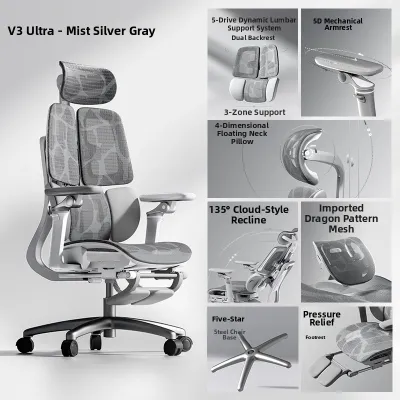
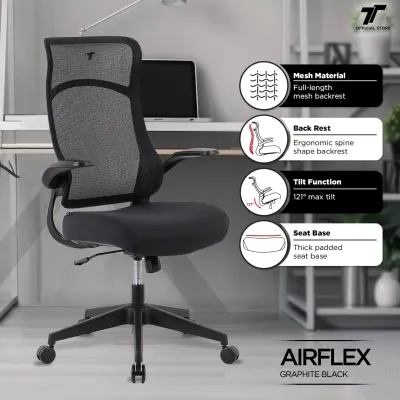
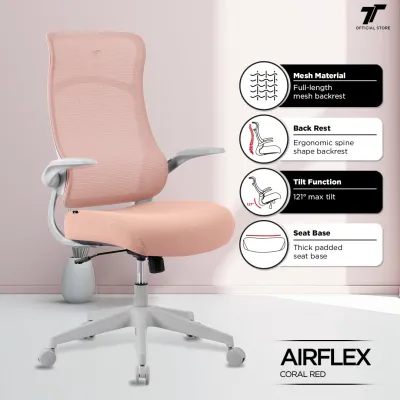
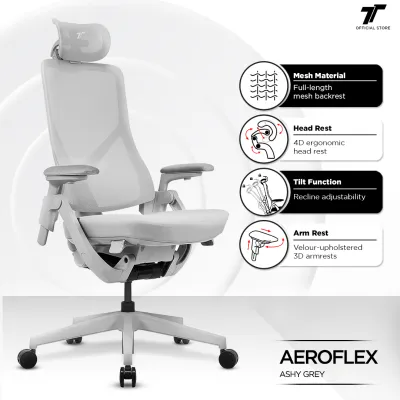
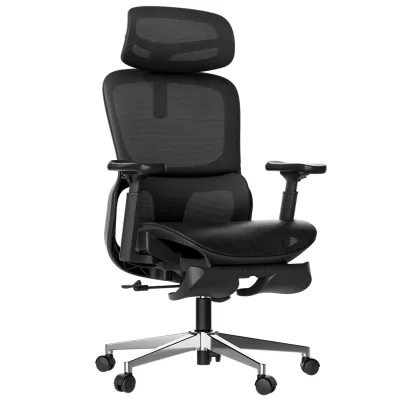
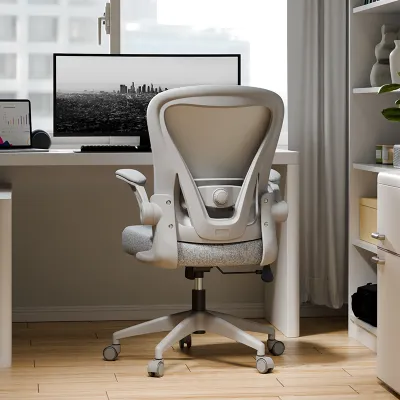
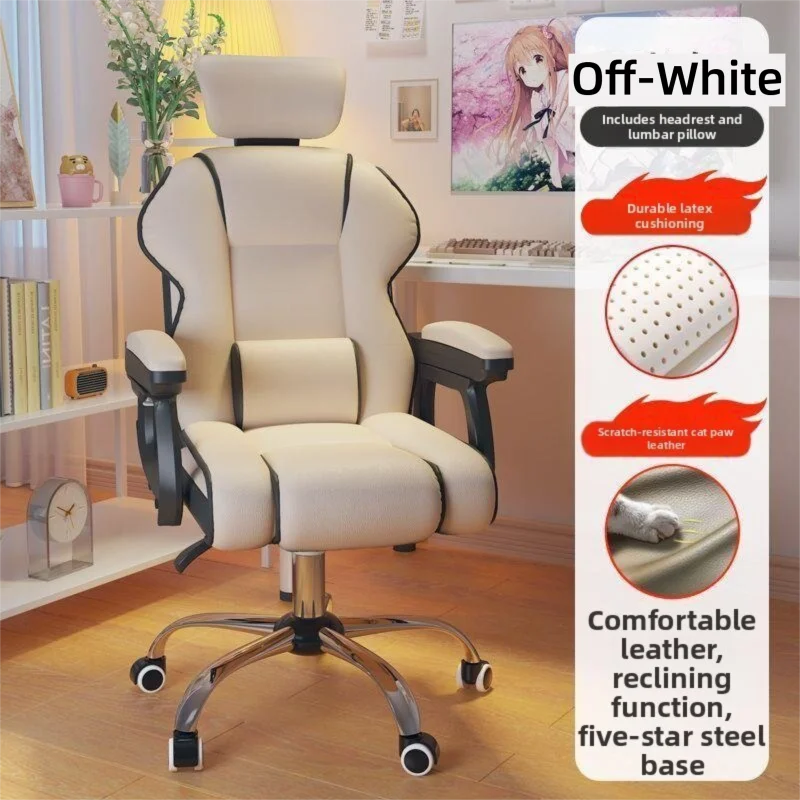
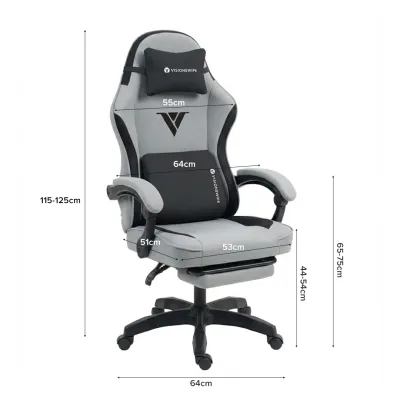
Prices are valid at publication and may change. Please refer to the product page for the latest price.

Armrest adjustability also plays a major role in upper body comfort. Look for brands that offer three-dimensional (3D) or four-dimensional (4D) armrests, which adjust for height, width, depth, and angle. These adjustments allow you to keep your elbows bent at a ninety-degree angle and your shoulders relaxed, regardless of your desk height. If your home setup features a fixed-height desk, highly adjustable armrests can bridge the gap and prevent strain in your neck and upper back.
Space and Aesthetic Fit
Unlike commercial offices, home workspaces require furniture that harmonizes with domestic decor. The physical footprint of a chair is a primary consideration, especially in compact apartments or HDB flats in Singapore where floor space is at a premium. Before purchasing, measure the base diameter of the chair—which typically ranges from sixty-five to seventy-five centimeters—to ensure it can rotate freely without striking walls, wardrobes, or adjacent furniture.
The visual profile of the chair also dictates how well it blends into your home. Minimalist mesh designs with clean, slim frames tend to look lighter and less intrusive in shared living areas or bedrooms. Conversely, bulky executive styles or high-back gaming chairs can dominate a room visually and make a small space feel cluttered. Additionally, verify the packaged dimensions of the chair to ensure the delivery box can easily clear your doorways and lift access points during delivery.
Thermal Comfort
In Singapore’s tropical, highly humid climate, thermal comfort is a major factor in long-term satisfaction. If you work in a non-air-conditioned room, a chair upholstered in dense fabric or synthetic leather can trap body heat and sweat, leading to discomfort and skin irritation within a few hours. For these environments, high-tensile mesh suspension is highly recommended because it allows continuous airflow across your back and thighs.
If you primarily work in an air-conditioned room, fabric and high-density foam options become more viable. However, even in air-conditioned spaces, the breathability of the material matters during long, uninterrupted working sessions. Always check the manufacturer’s material specifications to see if the upholstery is engineered for heat dissipation or if it features moisture-wicking properties.
Assembly and Maintenance
Home office chairs generally arrive either fully assembled or as flat-pack items requiring self-assembly. Premium brands often deliver their products fully assembled or provide professional on-site installation, which eliminates the risk of assembly errors. If you choose a flat-pack model, review the manufacturer’s assembly instructions beforehand to ensure you have the necessary tools, space, and physical capability to complete the setup safely.
Maintenance requirements vary significantly based on the materials used. Mesh chairs require periodic vacuuming with a brush attachment to remove dust, lint, and skin flakes that accumulate in the weave. Synthetic leathers and plastics can be wiped down with a damp, non-abrasive microfiber cloth, but you must avoid harsh chemical cleaners that can degrade the protective surface coatings. Additionally, check and tighten all structural bolts every six to twelve months to maintain stability and prevent squeaking.
Design Philosophies of Leading Office Chair Categories
Premium Ergonomic Specialists
Premium ergonomic brands approach seating from a clinical, health-first perspective. Their design philosophy centers on active posture correction, pressure distribution, and encouraging micro-movements throughout the workday. Instead of using thick, plush foam that allows the body to slump, these manufacturers utilize proprietary elastomeric mesh suspensions and advanced synchro-tilt mechanisms. A synchronous tilt ensures that as you recline, the seat pan rises at a shallower angle than the backrest, keeping your feet flat on the floor and maintaining a constant, supportive angle at your hips.
These brands invest heavily in biomechanical research to design chairs that support the spine’s natural lumbar lordosis. The resulting products are highly technical tools featuring multi-link backrests that mimic the human spine and dynamic surface tension that adapts to micro-shifts in your posture. This level of support is highly beneficial for remote workers who spend eight or more hours a day at their desks, as well as individuals with pre-existing back, neck, or hip issues.
However, these clinical designs prioritize structural support over immediate, pillow-like softness. When you first sit in a premium ergonomic chair, it may feel surprisingly firm because it is designed to distribute your weight evenly across the bones of your pelvis rather than letting you sink into a soft cushion. Because these chairs rely on precise structural engineering, it is crucial to verify the manufacturer’s sizing charts and adjustment ranges against your height and weight to ensure the frame fits your body shape.
Hybrid and Gaming Crossover Brands
Hybrid and gaming crossover brands cater to a lifestyle where the home desk serves as both a high-productivity workstation and an entertainment hub. Their design philosophy focuses on deep relaxation, high-back support, and high levels of personalization. These chairs often feature a racing-style bucket seat design with high-density cold-cure foam, which is molded under high pressure to provide consistent support that resists sagging over years of heavy use.
One of the main appeals of this category is the inclusion of extreme recline angles, often allowing the backrest to tilt back up to one hundred and thirty-five degrees or more. This makes them highly suitable for reading, watching media, or relaxing between work tasks. Many of these brands also offer modular ecosystem accessories, such as magnetic memory foam neck pillows, adjustable lumbar cushions, and swappable armrest tops, allowing you to customize the chair’s physical feel and appearance.
While these chairs provide an enveloping, highly comfortable sit, they tend to encourage a more static, reclined posture rather than the active, upright alignment promoted by premium ergonomic models. The high-back design and lateral bolsters can also restrict lateral shoulder and torso movement. For users who enjoy a soft, secure, and deeply reclined seating experience for both work and play, these crossover brands offer an excellent balance of comfort and utility.
Accessible and Space-Conscious Options
Accessible and space-conscious brands target hybrid workers, students, and those with limited floor space or smaller budgets. The design philosophy here focuses on simplicity, compact dimensions, and visual integration into residential environments. These manufacturers strip away complex, multi-link mechanical linkages in favor of streamlined frames, lightweight materials, and essential adjustment features.
Common design elements in this category include flip-up armrests, which allow the chair to be rolled completely under a desk when not in use, significantly freeing up floor space in shared rooms or narrow hallways. The bases of these chairs are often smaller in diameter, and the backrests are typically mid-back rather than high-back, reducing the visual weight of the furniture. They rely on simpler tilt-lock or basic tension-adjustable tilt mechanisms that are easy to operate.
While these options offer excellent value and spatial efficiency, they do involve trade-offs in adjustability and long-term durability. The range of ergonomic adjustments is usually limited to seat height and basic tilt tension, which may not accommodate users who require highly specific lumbar or seat depth customization. Additionally, because these models use lighter structural components, it is important to carefully check the manufacturer’s specified weight capacity and recommended daily usage hours to ensure the chair fits your physical needs.
Evaluating Long-Term Value, Materials, and Warranties
Warranty as a Quality Indicator
When comparing office chair brands, the warranty period is one of the most reliable indicators of build quality and long-term durability. Premium ergonomic brands frequently offer comprehensive ten-to-twelve-year warranties that cover structural frames, moving mechanisms, gas cylinders, and even the mesh upholstery. This extensive coverage reflects the manufacturer’s confidence in the components and means you are unlikely to face additional expenses for over a decade.
In contrast, accessible and mid-range brands typically offer warranties ranging from one to five years, often with specific exclusions for wear-and-tear components like fabric, foam, and armrest pads. When evaluating a brand, read the warranty terms carefully to understand what is covered and who handles the service. A lower upfront cost can be deceptive if the chair’s gas lift or adjustment mechanism fails after two years and cannot be repaired under warranty, forcing you to purchase an entirely new chair.
Material Degradation and Care
Singapore’s high humidity and warm temperatures place unique physical stress on furniture materials. Low-grade synthetic leathers, such as cheap polyurethane (PU), are highly susceptible to hydrolysis—a chemical process where moisture in the air breaks down the polyurethane polymers, causing the surface to crack, peel, and flake off within eighteen to twenty-four months. If you prefer synthetic leather, look for brands that specify the use of high-grade, hydrolysis-resistant PU or premium silicone-based leathers.
For mesh chairs, the quality of the weave determines whether the seat pan will sag over time. Premium elastomeric meshes blend polyester and elastomer fibers to ensure the seat retains its tension and bounces back to its original shape after every use. Lower-cost nylon meshes can stretch out permanently over time, leading to bottoming out against the underlying frame. Always refer to the manufacturer’s care labels and material specifications to understand how to clean the materials and preserve their structural integrity.
Parts Availability and Repairability
A key aspect of long-term value is whether a brand designs its chairs with modular, replaceable parts. High-quality brands construct their chairs so that individual components—such as casters, gas cylinders, armrest pads, and seat cushions—can be unbolted and replaced without discarding the entire chair. This modularity extends the lifespan of your investment significantly.
Budget-focused brands often use integrated, fully welded frames or proprietary parts that are not sold separately. If a single component, such as a caster socket or a tilt tension spring, breaks on an integrated model, the entire chair often becomes unusable. When choosing a brand, look for manufacturers that maintain a local inventory of replacement parts and offer clear repair guides or local servicing options.
Decision Framework: How to Choose the Right Brand
To finalize your decision, align your specific remote work habits, physical space, and health requirements with the strengths of each brand category.
Choose Premium Ergonomic Brands if:
- You work full-time remotely: You spend eight or more hours a day sitting at your desk and require continuous, active postural support to prevent fatigue.
- You have specific physical requirements: You experience chronic lower back pain, neck strain, or hip discomfort, and need highly adjustable lumbar support, seat depth sliders, and synchronous tilt mechanisms.
- You view the purchase as a long-term investment: You prefer to pay a higher upfront cost in exchange for a ten-to-twelve-year warranty, high-tensile materials, and long-term durability.
Choose Hybrid/Gaming Brands if:
- Your desk is a multi-purpose station: You use the same setup for professional remote work during the day and immersive gaming or media consumption in the evening.
- You prefer a plush, supportive feel: You enjoy high-back support with thick, high-density cold-cure foam and value deep recline angles for relaxation.
- You want modular customization: You like the ability to add magnetic neck pillows, swap armrest tops, or choose distinct aesthetic designs that match your personal style.
- You do not require active posture correction: You prefer an enveloping, cozy sit over a firm, posture-enforcing mesh frame.
Choose Accessible/Compact Brands if:
- Your floor space is highly limited: You need a chair with a small base diameter and flip-up armrests that can slide completely under your desk to save space in a small room.
- The chair is for occasional use: You work in a hybrid model and only spend two to four hours a day, or a few days a week, sitting at your home desk.
- You want the chair to blend into home decor: You prefer a lightweight, visually low-profile design that does not dominate the aesthetic of a shared living room or bedroom.
- You are working with a strict budget: You need a reliable, comfortable seat with essential adjustments without making a major financial commitment.
Verify First if:
- You are buying second-hand: If you are considering purchasing a premium brand second-hand or through unauthorized third-party sellers to save money, verify with the manufacturer whether the warranty is transferable. Many premium brands restrict their extensive warranties strictly to the original purchaser, meaning you will have to pay out-of-pocket for any replacement parts or repairs.
Frequently Asked Questions (FAQ)
Are expensive ergonomic brands worth the investment for home use?
Yes, expensive ergonomic brands are generally worth the investment if you work from home full-time or spend more than five hours a day at your desk. The value of these chairs lies in their advanced biomechanical support, which reduces physical fatigue and prevents long-term repetitive strain injuries. Additionally, when you amortize the higher upfront cost over a ten-to-twelve-year warranty period, the annual cost of ownership is often lower than repeatedly purchasing and replacing budget chairs that wear out every two to three years.
How do I verify an office chair's fit before buying online?
To verify the fit of a chair online, start by measuring your current comfortable seating height, thigh length, and hip width. Cross-reference these figures with the manufacturer’s detailed technical specification sheet, paying close attention to the seat width, seat depth range, and gas lift height range. Ensure there will be a two-to-three-finger gap between the front edge of the seat pan and the back of your knees to maintain proper circulation. Finally, look for brands that offer risk-free home trial periods, clear return policies, or have physical showrooms in Singapore where you can test the seat contour and lumbar support in person before committing.
Community discussion
Share your experience or ask a question. Comments are reviewed before publication.