
To maximize utility in a space-limited Singapore home, the ideal shoe changing bench should combine stable seating with high-density storage features like vertical tilt-out compartments, open tiered shelving, or soft-close hidden storage. In compact entryways, every square centimetre must serve a purpose. Choosing a multi-functional shoe changing bench resolves the daily friction of balancing on one foot while putting on shoes, while simultaneously keeping footwear clutter out of sight. The right choice depends on your specific entryway layout, your storage volume requirements, and the structural constraints of your walls and floors.
Maximizing Space in Compact Singapore Entryways
Singapore’s high-density housing options, such as Housing & Development Board (HDB) flats and modern condominiums, are designed with highly optimized floor plans. In many Build-To-Order (BTO) flats and executive condominiums, the traditional foyer is either very narrow or non-existent, often transitioning directly into the living room or dining area. This layout leaves homeowners with limited space right at the entrance. A standard, single-purpose bench that only provides a seat takes up valuable floor space without solving the inevitable problem of shoe storage, leading to an entryway cluttered with sneakers, sandals, and school shoes.
When footwear is left scattered across the floor, it creates both a visual mess and a physical hazard. It is easy to trip over loose shoes when rushing out the door in the morning or returning home with heavy bags. Furthermore, a cluttered entryway can block the smooth opening and closing of your main door. To maintain a welcoming, organized home, you need an integrated solution that addresses two needs at once: a stable, safe platform where family members of all ages can sit comfortably to tie their laces, and a structured storage system that organizes shoes efficiently.
Products mentioned in this guide
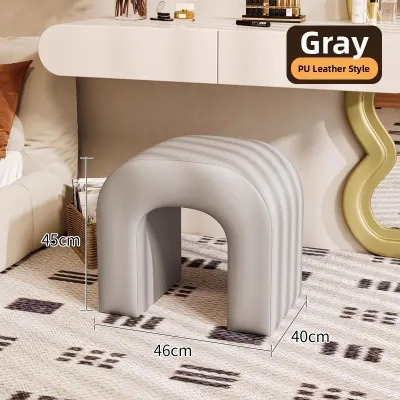
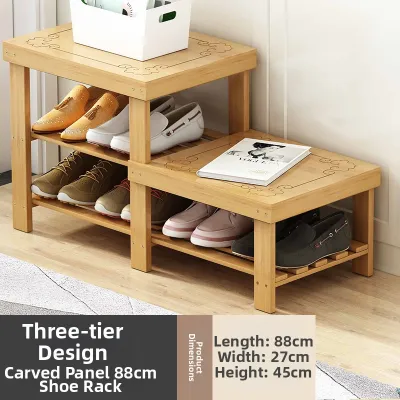
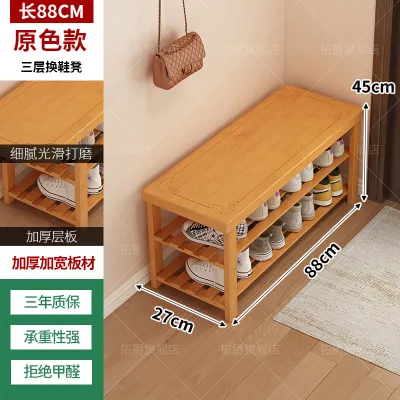
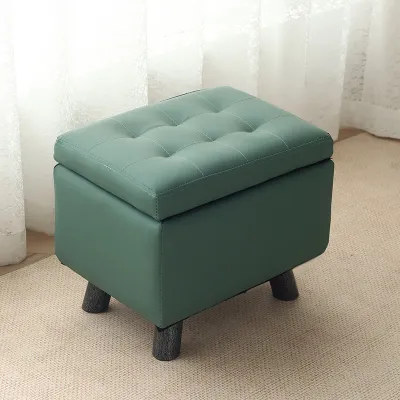
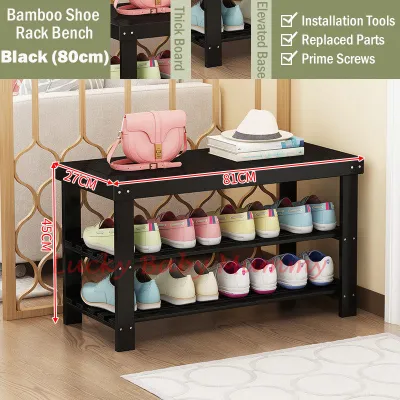
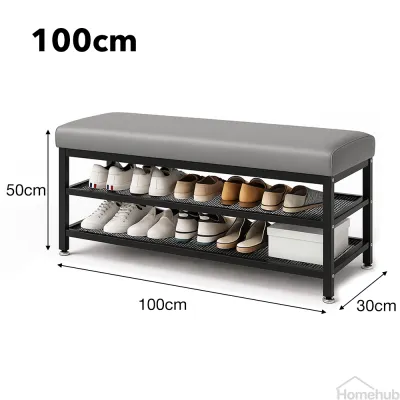
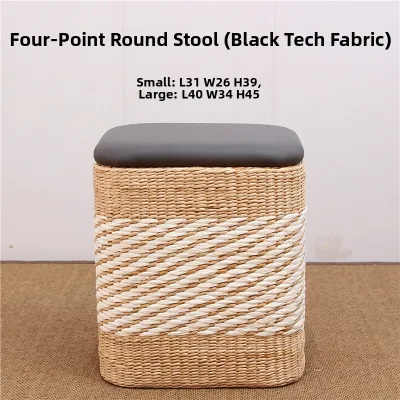
Prices are valid at publication and may change. Please refer to the product page for the latest price.
Multi-functional furniture is the most practical way to optimize these tight square-footage areas. By combining seating with clever storage compartments, vertical racks, or folding mechanisms, a multi-functional shoe changing bench transforms a single-purpose zone into a high-utility station. This approach allows you to keep your entryway clear and visually spacious, establishing an organized transition zone between the busy outside world and the comfort of your home.
Key Multi-Functional Features to Look For
Selecting the right multi-functional shoe changing bench requires a close evaluation of how different storage features align with your household’s daily routines. Different designs serve different purposes, ranging from concealing clutter to providing quick, easy access for daily footwear. Understanding the mechanics and structural requirements of these features will help you choose a bench that remains safe, durable, and highly functional over years of daily use.

Hidden Storage and Flip-Top Compartments
Enclosed storage options, such as benches with flip-top seats, drop-down doors, or pull-out drawers, are excellent for keeping your entryway looking immaculate. By placing seasonal footwear, formal dress shoes, or less frequently used items inside a hidden compartment, you eliminate the visual noise of multiple shoe pairs. These compartments are also ideal for storing small entryway essentials that often get misplaced, such as shoe horns, extra laces, umbrella covers, or sanitizing wipes.
When evaluating a bench with a flip-top seat or a heavy lid, safety and hardware durability must be your top priorities. Look for high-quality soft-close hinges or hydraulic gas struts. These mechanisms prevent the heavy seat lid from slamming shut unexpectedly, protecting fingers from getting trapped—a crucial consideration if you have young children or elderly family members at home. The hinges should operate smoothly without squeaking or catching, and they should be securely anchored to the bench frame.
Before purchasing, verify the internal depth of the storage compartment against the size of your household’s footwear. Taller shoes, high heels, or large-sized men’s sneakers may not fit if the internal clearance is too shallow. Additionally, check the manufacturer’s specified weight limit for both the seat and the internal compartment. When a hidden compartment is fully loaded with heavy items, the overall structural integrity of the bench must remain stable when someone sits down to change their shoes.
Integrated Shelving and Tiered Racks
For shoes that you wear every single day, such as school shoes, work flats, or casual sandals, open shelving or tiered racks are highly practical. These designs allow you to slip your shoes on and off quickly without needing to open doors, pull out drawers, or lift heavy lids. This ease of access encourages family members and guests to place their shoes on the rack immediately upon entering, keeping the floor clear.
In Singapore’s tropical, high-humidity climate, open shelving offers a major environmental advantage: natural ventilation. Enclosing damp or sweaty shoes in a sealed compartment can trap moisture, leading to mold growth, material degradation, and unpleasant odors. Tiered wire, wooden, or metal slat shelves allow air to circulate freely around your footwear, helping them dry naturally and reducing the buildup of musty smells in your entryway.
When comparing tiered racks, check the specific dimensions of the shelves. Verify the shelf depth to ensure your shoes will not overhang and block the walkway. Look for benches that offer adjustable or removable shelves. Having the flexibility to change the height between tiers allows you to accommodate different types of footwear, such as flat sandals on lower shelves and ankle boots or high heels on a taller middle tier, maximizing the vertical space within the bench.
Foldable and Wall-Mounted Space Savers
In exceptionally tight entryways, such as narrow corridors where even a shallow bench would block the path, foldable or wall-mounted space savers provide an excellent alternative. Wall-mounted drop-down seats can be folded flat against the wall when not in use, completely freeing up the floor area. Similarly, expandable or sliding benches can be compressed to a compact size and only extended when extra seating or storage is required for guests.
However, wall-mounted units require careful structural assessment before installation. You must verify the wall material of your entryway. Concrete walls, which are common in HDB flats, provide a highly secure, solid foundation for heavy-duty wall anchors. Drywalls or partition walls, on the other hand, may not support the weight of a sitting adult unless the mounting bracket is secured directly into the internal wall studs. Never attempt to mount a folding seat onto standard drywall with simple plaster anchors, as this can cause severe structural failure and injury.
Always review the manufacturer’s installation guidelines, required hardware, and maximum load capacities. If you are unsure about your wall type or do not have the appropriate tools, consult a qualified professional installer. High-quality heavy-duty steel brackets, robust wall plugs, and precise leveling are essential to ensure the folding seat remains perfectly horizontal and safe to sit on under load.
Recommended Bench Designs for Common Home Layouts
The layout of your home determines how much space you can allocate to an entryway bench without disrupting the flow of traffic. Matching the design of your shoe changing bench to your specific floor plan ensures that the furniture enhances your daily routine rather than creating a physical bottleneck.
Narrow HDB Corridors and Household Shelters
Many HDB layouts feature a narrow corridor leading from the front door, often situated close to the household shelter (commonly referred to as the bomb shelter). In these tight configurations, a standard deep bench is impractical because it can block the doorway or narrow the walking path. For these layouts, prioritize shallow-depth designs. Benches with a depth of 25 to 30 centimetres, featuring vertical tilt-out shoe compartments, are ideal. The tilt-out mechanism allows shoes to be stored vertically, keeping the unit’s footprint incredibly slim while still providing a stable top surface to sit on.
When positioning your bench, you must maintain clear clearance for all doors and escape routes. Ensure that the bench does not obstruct the full swing of your main entrance door or the heavy steel door of your household shelter. In Singapore, emergency escape routes must be kept clear at all times; a poorly placed bench that blocks a corridor or exit path is a serious safety hazard.
Additionally, look for benches with rounded corners and recessed or integrated handles. In a narrow walkway, sharp corners or protruding metal handles are easy to bump into, which can cause painful bruises or catch on clothing as you walk past. A smooth, streamlined profile ensures safe and comfortable movement through the corridor.
Open-Plan Condo Foyers and Wider Vestibules
If your home features an open-plan condominium layout or a wider vestibule, you have more flexibility to choose a larger, multi-tiered shoe changing bench. A wider bench can serve as a functional anchor for the entryway, defining the transition zone from the rest of the living space. For these layouts, a bench that combines a comfortable, padded seating surface with multiple open shelves, a side drawer, and perhaps an integrated tall coat rack or side hooks is highly effective.
The side hooks or small side shelves can hold bags, keys, umbrellas, and hats, keeping these everyday essentials organized in one central landing zone. To create a cohesive look, you can integrate the bench with adjacent furniture, such as a matching console table, a wall-mounted mirror, or a small key tray. This setup creates a dedicated, organized station that streamlines your morning departure routine.
When selecting a larger bench, scale the piece proportionally to the foyer size. A bench that is too small will look lost in a spacious entryway, while one that is excessively large will make even an open foyer feel cramped. Measure the surrounding space carefully to ensure there is plenty of room to walk around the bench comfortably, allowing it to function as an inviting landing zone rather than a bulky obstacle.
How to Measure and Verify Fit Before Buying
To avoid the frustration of purchasing a shoe changing bench that does not fit your space or cannot be delivered, you must take precise measurements and perform key safety checks beforehand. Relying on visual estimation often leads to layout conflicts or safety issues.
- Step 1: Measure the Entryway Dimensions
Begin by measuring the total width and depth of the floor space where you plan to place the bench. Next, measure the swing arc of your main door and any nearby closet or shelter doors. Use a tape measure to ensure that when these doors are fully opened, they do not strike the bench. You should also measure the height of any low-hanging light switches, intercom panels, or wall moldings to ensure the bench does not block access to them. - Step 2: Determine the Ideal Seating Height
The standard comfortable seating height for an adult is between 40 and 48 centimetres from the floor. If you have young children or older family members who will use the bench regularly, a slightly lower seat height (around 38 to 42 centimetres) may be easier and safer for them to use. Ensure that the height allows your feet to rest flat on the floor while sitting, providing optimal stability. - Step 3: Check Delivery Access Routes
Before placing your order, verify that the bench can actually reach your entryway. Measure the height and width of your apartment's front door frame, the dimensions of your building's lift car, and the clearance of any tight staircase landings or corridor turns. If the bench comes fully assembled, these dimensions are critical to prevent delivery failures where the item cannot fit through the lift or entryway. For flat-packed furniture, ensure you have a clear, flat space inside your home to safely assemble the pieces. - Step 4: Perform Stability and Floor Safety Checks
A shoe changing bench must remain perfectly stable when a person sits down, shifts their weight, or leans forward to tie their shoes. Look for benches with a wide, low center of gravity. If the bench is tall or includes an integrated coat rack, check if the manufacturer includes an anti-tip wall-anchoring kit, and install it according to the instructions to prevent the unit from tipping forward. Finally, ensure the feet of the bench are equipped with non-slip rubber or felt pads. These pads protect smooth tiled or vinyl floors from scratches and prevent the bench from sliding when you sit down.
Material Checks and Maintenance for Humid Climates
Singapore’s tropical climate, characterized by high temperatures and high relative humidity throughout the year, presents unique challenges for furniture preservation. To ensure your shoe changing bench lasts for years without warping, molding, or deteriorating, you must carefully evaluate its materials and follow proper care guidelines.
Rather than relying solely on generic material names like “solid wood” or “metal,” always check the manufacturer’s labels, care instructions, and product specifications for specific moisture-resistance treatments. If you choose a wooden bench, verify that it has been treated with a moisture-resistant sealant, polyurethane coating, or laminate finish that protects the core material from absorbing ambient humidity. For metal components, check that they feature a rust-resistant powder coating or are made of non-corrosive materials like aluminum or stainless steel to prevent rust spots from forming in humid air. Additionally, if the bench is constructed from engineered wood (such as MDF or particle board), check that all edges are completely sealed with high-quality PVC or ABS edge banding to prevent moisture from penetrating and causing the wood to swell.
When selecting the seating upholstery, compare the maintenance requirements of different materials:
- Synthetic Leather (PU/PVC): High-quality synthetic leathers are highly practical for entryways because they are moisture-resistant and can be quickly wiped clean with a damp cloth. They do not absorb sweat or odors, making them excellent for a high-use seating surface.
- Removable Fabric Covers: If you prefer the look and feel of woven fabric, look for benches with removable, machine-washable cushion covers. This allows you to wash the fabric regularly to remove sweat, dirt, and dust. Avoid non-removable fabric cushions, as they can easily trap humidity and develop musty odors or mold over time.
To maintain your bench, establish a simple routine. Regularly open any enclosed shoe compartments to let them air out, especially after rainy days when damp shoes might have been stored. Wipe down the interior and exterior surfaces with a dry or slightly damp microfiber cloth to prevent dust buildup, which can attract moisture and lead to mold. Avoid using harsh chemical cleaners unless they are explicitly recommended by the manufacturer’s care instructions.
Frequently Asked Questions (FAQ)
How much weight should a multi-functional shoe bench support?
For safe daily use, a standard single-seat shoe changing bench should support a static weight limit of at least 100 to 120 kilograms. If the bench is designed to seat two people simultaneously, look for a weight capacity of 150 to 200 kilograms. Always check the manufacturer’s official specifications to verify both the static load limit (sitting still) and the dynamic load limit (the impact of sitting down). If you choose a model with a flip-top storage compartment, remember to subtract the weight of the stored shoes and items from the total weight capacity to ensure the bench remains structurally safe when you sit on it.
Is it allowed to place a shoe bench outside my HDB main door?
Generally, Singapore’s fire safety regulations require common corridors to maintain a minimum clear escape path of 1.2 metres at all times to ensure safe evacuation during an emergency. Placing large furniture, including shoe benches, in shared corridors is highly restricted and often prohibited if it reduces this clearance. Additionally, individual town councils and estate managements have specific rules regarding corridor usage. To avoid fines or being asked to remove your furniture, always consult your local housing authority rules, town council guidelines, or estate management before placing any shoe bench or storage unit in a shared common corridor. Keeping your shoe changing bench inside your home’s entryway is always the safest and most compliant choice.
Community discussion
Share your experience or ask a question. Comments are reviewed before publication.