
Finding the right kitchen storage cabinet solutions in Singapore requires balancing aesthetics with functional resilience. The local climate, characterized by high humidity and temperature fluctuations, places unique demands on cabinetry materials and construction methods. Furthermore, Singapore’s diverse residential landscape—ranging from compact Housing & Development Board (HDB) flats to sprawling condominiums and landed properties—demands highly tailored spatial planning. A well-designed kitchen not only maximizes every square inch of available space but also streamlines daily cooking workflows and enhances the overall value of your home.
Selecting a custom cabinet brand involves evaluating how well a provider can translate your specific storage needs into a durable, ergonomic reality. This guide explores the essential criteria for assessing custom cabinetry, highlights reputable brands operating in Singapore, compares critical carcass materials, and outlines the vital steps to take before signing a renovation contract.
Key Criteria for Choosing a Custom Kitchen Storage Cabinet Brand
When evaluating custom kitchen cabinetry brands, look beyond surface-level designs and focus on how a brand addresses the structural, environmental, and functional realities of your home. A successful custom kitchen relies on a brand’s ability to execute precise spatial planning, select climate-appropriate materials, integrate high-quality hardware, and manage the project seamlessly from design to installation.
Products mentioned in this guide
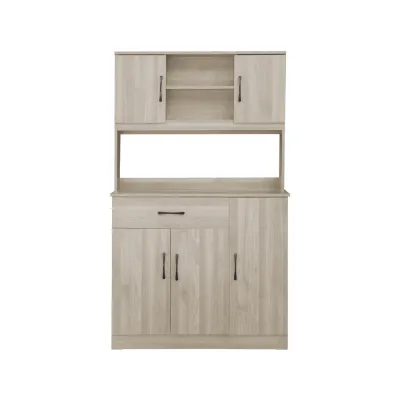
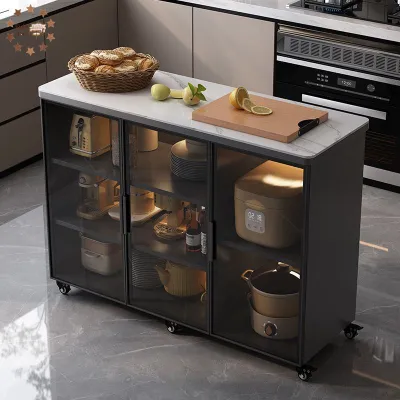
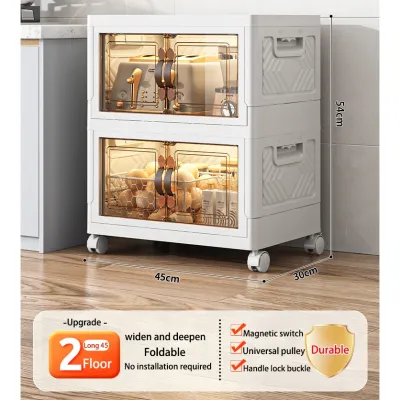
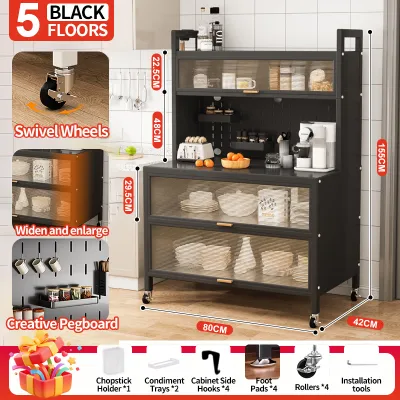
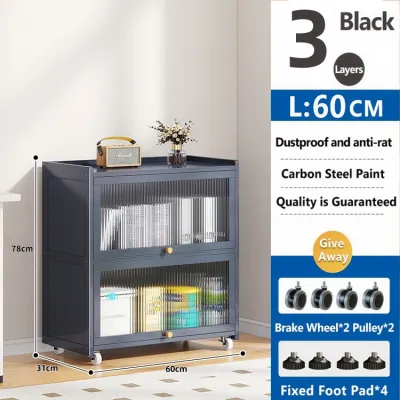
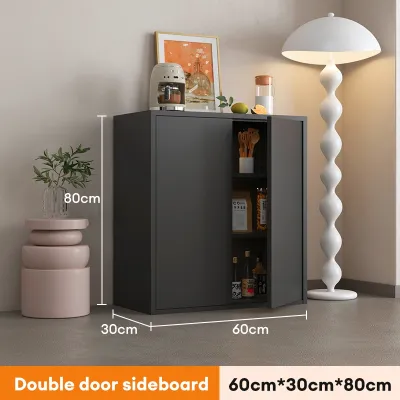
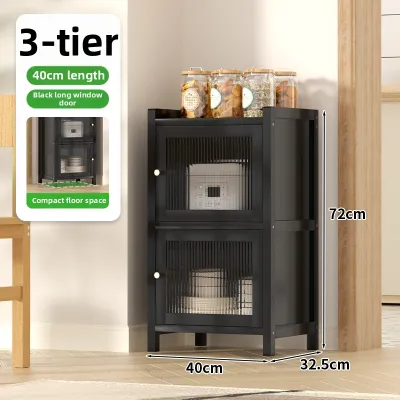
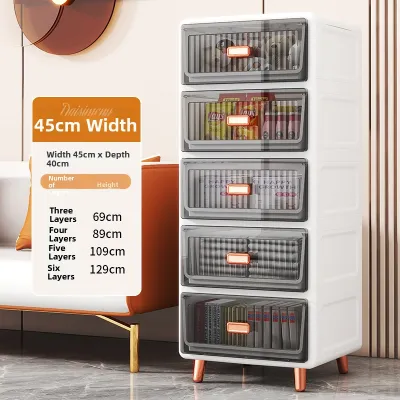
Prices are valid at publication and may change. Please refer to the product page for the latest price.
Space Optimization and Layout Adaptability
Singaporean residential layouts often feature structural challenges such as prominent structural pillars, awkwardly placed utility pipes, or rigid bomb shelter walls. A premium custom brand does not simply offer standard cabinet boxes with filler panels to cover gaps; instead, they design bespoke carcasses that wrap around columns or utilize hard-to-reach corners.
Vertical space is another critical asset. With standard ceiling heights in HDB flats and condominiums hovering between 2.6 and 2.8 meters, running your kitchen storage cabinet units all the way to the ceiling maximizes storage capacity and eliminates dust-collecting gaps. When planning high-level storage, ensure the brand assesses your wall structure—whether it is concrete or drywall—to determine the appropriate anchoring methods and load-bearing capacities.
Additionally, consider the physical constraints of your building. Before finalizing large, pre-assembled cabinet carcasses, verify that the dimensions allow for safe transport through your estate’s passenger lifts, narrow corridors, and doorways. A professional brand will conduct a thorough site access assessment to avoid delivery-day complications.
Material Suitability for Singapore's Climate
Singapore’s tropical climate, with relative humidity levels frequently exceeding 80%, poses a constant threat to wood-based furniture. When combined with the high heat and steam generated during heavy Asian cooking, inferior cabinet materials can quickly swell, warp, or delaminate.
To ensure longevity, focus on the quality of the carcass materials, edge-banding, and surface finishes. Look for brands that utilize moisture-resistant substrates and employ advanced edge-banding technologies, such as laser or polyurethane (PUR) bonding. These methods seal the edges of the cabinet panels completely, preventing moisture from penetrating the core and causing structural failure. The choice of finish—whether high-pressure laminate, acrylic, or lacquer—should align with your cooking frequency and maintenance preferences.
Integration of Internal Accessories
An organized kitchen relies heavily on its internal storage systems. The efficiency of a kitchen storage cabinet is defined by how easily you can access its contents. When discussing customization options, inquire about the brand’s range of internal accessories, such as:
- Pull-out pantries and larder units: These systems bring items from the back of the cabinet to the front, preventing expired goods from being forgotten.
- Corner carousels and blind-corner pull-outs: Often referred to as Magic Corners or LeMans units, these accessories transform awkward, deep corner spaces into easily accessible storage.
- Deep drawer dividers and peg systems: These allow you to customize drawer interiors to secure heavy pots, pans, and dinnerware.
Ensure that any internal hardware specified has a verified load capacity. Heavy-duty drawer runners should be rated to support at least 30kg to 50kg to handle heavy cast-iron cookware or stone mortar and pestles safely.
Design and Project Management Capabilities
Custom kitchen renovations involve multiple moving parts, including carpentry fabrication, electrical wiring, plumbing, and countertop installation. Assess whether the brand provides comprehensive, end-to-end project management or if they operate strictly as a carpentry workshop.
An end-to-end provider coordinates the entire sequence of works, ensuring that electrical points for built-in appliances are correctly positioned before the cabinets are installed, and that plumbing lines align perfectly with the sink carcass. If you choose a direct carpenter, you or your interior designer must take on the role of project coordinator, managing the timelines and technical handovers between different trades.
Reputable Kitchen Cabinet Brands in Singapore for Custom Storage
Singapore is home to a wide array of kitchen cabinet providers, ranging from luxury European design houses to highly skilled local carpentry specialists. The following brands represent reputable options, each offering a distinct approach to material selection, spatial design, and customization capabilities.

W. Atelier
W. Atelier is recognized in Singapore for its curation of premium, luxury home solutions, particularly its integration of high-end European kitchen systems. Their design philosophy centers on creating seamless, minimalist spaces where custom cabinetry and top-tier kitchen appliances coexist in perfect harmony.
For homeowners seeking a sophisticated, open-concept dry kitchen, W. Atelier excels at designing concealed storage solutions. They specialize in pocket-door systems that slide effortlessly into cabinet recesses, hiding entire coffee stations, prep areas, or wet zones when not in use. This approach is highly suited for modern condominiums and landed properties where the kitchen is an extension of the living and dining areas.
Because their systems are highly engineered, customization is executed with extreme precision. However, these premium configurations often require specific spatial and ventilation clearances. Homeowners should engage W. Atelier early in the architectural or renovation planning phase to ensure that structural provisions, electrical loads, and plumbing routes are designed to accommodate these sophisticated systems.
Space Factor
Space Factor is a local boutique interior design and renovation firm that has built a strong reputation for practical, space-optimizing solutions tailored to Singaporean residential layouts. They possess deep expertise in navigating the unique structural constraints of HDB flats and executive condominiums.
Their approach to custom carpentry is highly pragmatic. Space Factor excels at identifying underutilized areas in small kitchens and transforming them into functional storage zones. Whether it is building a custom pull-out spice rack into a narrow 150mm gap, designing a multi-functional kitchen island with integrated drawer storage and power points, or concealing unsightly copper gas pipes behind matching laminate panels, their designs prioritize daily usability.
When working with Space Factor, you can expect a highly collaborative design process. They provide detailed 3D visualizations that demonstrate how different cabinet configurations will affect the flow of movement within your specific kitchen layout, helping you make informed decisions before fabrication begins.
Kuhl
Kuhl focuses on delivering highly customizable, ergonomically optimized kitchen designs that blend modern European design sensibilities with robust functionality. They place a strong emphasis on smart storage integration, ensuring that every drawer, shelf, and cabinet door operates with effortless precision.
One of Kuhl’s key strengths is their use of advanced internal fittings and integrated lighting systems. They design custom cabinet carcasses featuring built-in LED task lighting that illuminates countertops without creating harsh shadows, as well as internal drawer lighting that activates automatically when opened. Their cabinetry layouts are meticulously planned around the “work triangle”—the optimal distance between the sink, stove, and refrigerator—to minimize physical strain during meal preparation.
Kuhl’s services are generally geared toward comprehensive, full-scale kitchen transformations rather than minor cabinet replacements. Their design consultants work closely with clients to select materials and configurations that suit active, high-use kitchens, making them an excellent choice for homeowners who cook frequently and demand high physical durability.
Hafary
While Hafary is widely celebrated as Singapore’s leading supplier of tiles, stone, and surface materials, they also offer extensive support for custom cabinetry through their vast material ecosystem. They provide homeowners and carpenters with access to an unparalleled library of premium laminates, engineered quartz, sintered stone, and specialized hardware.
By choosing Hafary for your kitchen surfaces, you can coordinate your cabinet finishes directly with your countertops and backsplashes in a single location. This unified selection process ensures that the visual weight and physical compatibility of different materials are perfectly aligned. For instance, if you select a heavy sintered stone countertop, Hafary’s technical consultants can advise on the structural reinforcement required for the underlying custom cabinet carcasses.
Their extensive material range allows for highly personalized aesthetics, from rustic wood-grain textures to ultra-matte, anti-fingerprint laminates. Because of the sheer variety of materials available, it is essential to review the specific care and maintenance instructions for each selected surface to ensure they align with your household’s lifestyle.
Comparing Customization Capabilities and Carcass Materials
The longevity of your custom kitchen storage cabinet depends heavily on the materials used to construct the internal boxes, or carcasses. While cabinet doors and visible panels receive the most design attention, the carcass bears the physical weight of countertops, appliances, and stored items, while constantly battling ambient moisture.
| Material Type | General Moisture Resistance | Structural Stability | Typical Use Case |
|---|---|---|---|
| Marine Plywood | High; excellent resistance to water exposure and delamination. | High; multi-layered construction resists warping under heavy loads. | Wet kitchen sink bases, areas surrounding dishwashers, and high-humidity zones. |
| Moisture-Resistant MDF (Blockboard) | Moderate to High; treated with water-resistant resins to limit swelling. | High; smooth, flat surface ideal for precise laminate and veneer application. | Cabinet doors, dry kitchen wall cabinets, and decorative shelving units. |
| Laminated Particleboard | Moderate; vulnerable to swelling if water penetrates unsealed edges. | Moderate; suitable for standard vertical loads but can sag over long, unsupported spans. | Dry kitchen carcasses, pantry shelving, and general storage compartments. |
Regardless of the carcass material you choose, the quality of the hardware holds the entire system together. Soft-close hinges, drawer runners, and lift-up mechanisms are subjected to constant physical stress.
When reviewing your contract specifications, look for reputable hardware brands that offer certified load ratings and rust-resistant coatings. Ensure that all hinges feature built-in soft-close dampening to prevent cabinet doors from slamming, which can loosen joints over time. For heavy drawers, verify that the runners are rated for full extension, allowing you to access items stored at the very back of the drawer without straining the mechanism.
What to Verify Before Signing a Custom Kitchen Contract
A custom kitchen is a significant financial investment, and resolving mistakes after fabrication has begun can be costly and frustrating. To protect your investment, review your contract and design drawings carefully to ensure all technical and financial details are explicitly documented.
Comprehensive On-Site Measurement
Never allow a carpentry contract to be finalized based solely on developer floor plans or HDB BTO brochures. Actual site dimensions often vary by several centimeters due to plastering, tiling, and wall alignment deviations.
Ensure your contract specifies that a final, physical site measurement will be conducted by the brand’s technical team after all hacking, demolition, and wall plastering works are complete. This step is crucial for ensuring that pre-fabricated cabinet carcasses fit perfectly into the designated spaces without requiring excessive filler panels or unsightly gaps sealed with thick silicone.
Detailed Scope of Work and Exclusions
Review the itemized quotation to confirm exactly what is included in the price. A vague contract can lead to unexpected variations and disputes mid-project. Ensure the contract clearly addresses the following areas:
- Dismantling and Disposal: Is the removal and legal disposal of your old kitchen cabinetry included in the fee?
- Plumbing and Electrical Hookups: Does the contract cover the reconnection of your sink, tap, water filtration systems, hood, hob, and built-in oven? Many carpentry firms fabricate the cabinets but require you to hire a licensed plumber or electrician to complete the actual hookups.
- Countertop and Backsplash Installation: Clarify if the supply, templating, and installation of your chosen countertop material are included, and identify who is responsible for sealing the joints.
- Tile Patching and Wall Prep: If hacking old cabinets damages the surrounding plaster or tiles, confirm who is responsible for patching and painting the affected areas.
Milestone-Based Project Timeline
Request a detailed project schedule that outlines key milestones rather than a generic completion date. A typical custom kitchen renovation should have clearly defined phases, including:
- Finalization of 3D drawings and material selections.
- On-site technical measurement.
- Off-site factory fabrication period.
- Delivery of cabinet carcasses and on-site carpentry installation.
- Countertop templating (which can only occur once base cabinets are securely installed).
- Countertop installation and plumbing/electrical hookups.
- Handover, inspection, and defect rectification.
Having these milestones documented in your contract helps you monitor progress and coordinate other renovation activities, such as painting or flooring installation, more effectively.
Warranty Terms and After-Sales Service
Understand the distinction between the warranty provided on the carpentry workmanship and the warranty on the hardware. A reputable brand should offer a clear warranty period—typically ranging from 1 to 5 years—covering structural defects in the woodwork, such as warping doors or delaminating edge bands.
For functional hardware like hinges and drawer runners, many premium manufacturers offer lifetime warranties. Ensure your contract specifies the brand of hardware being installed and outlines the process for claiming repairs or replacements. Keep all signed contracts, material specification sheets, and warranty certificates in a safe place for future reference.
Frequently Asked Questions (FAQ)
How long does custom kitchen cabinet installation take in Singapore?
The entire custom kitchen cabinet process generally takes between 6 to 10 weeks from the initial design consultation to final handover. The design, material selection, and 3D visualization phase typically requires 2 to 3 weeks of collaboration. Once drawings are approved, off-site factory fabrication takes approximately 3 to 5 weeks.
The actual on-site installation of the cabinet carcasses is relatively fast, usually completed within 3 to 5 working days. However, you must factor in an additional 5 to 7 working days after carcass installation for the countertop team to take precise templates, fabricate the stone or solid surface off-site, and return to install it.
Are custom kitchen storage cabinets more expensive than pre-made ones?
Yes, custom kitchen storage cabinets carry a higher upfront cost compared to mass-produced, pre-made units. This price premium reflects the personalized design process, professional on-site measurements, the use of high-quality moisture-resistant materials tailored to Singapore’s climate, and skilled local carpentry labor.
However, custom cabinetry offers superior long-term value. Pre-made units rarely fit the exact dimensions of Singaporean HDB or condominium kitchens, leading to wasted space and awkward gaps where dust and pests can accumulate. Custom solutions maximize every available millimeter of storage, utilize robust carcass materials that resist humidity-induced damage, and allow you to select heavy-duty hardware designed to withstand decades of daily use.
Community discussion
Share your experience or ask a question. Comments are reviewed before publication.