
Finding the perfect coffee table involves balancing aesthetic preferences with the practical realities of your living space. For homeowners in Singapore, the clean lines, warm wood tones, and functional simplicity of a Japanese coffee table make it a highly sought-after centerpiece. However, selecting the right piece requires navigating unique local challenges, such as high humidity, compact apartment layouts, and varying material qualities. Understanding what defines authentic Japanese design and knowing where to source reputable brands locally will help you make an investment that elevates your home for years to come.
To find a piece that truly fits your lifestyle, you must evaluate brands across different price tiers, understand the structural differences between mass-market and heritage items, and plan for the logistics of delivering solid wood furniture to high-rise homes. This guide breaks down the essential selection criteria, profiles the top Japanese furniture brands available in Singapore, and provides practical advice on materials, styles, and maintenance.
Key Criteria for Selecting a Japanese Coffee Table
Authentic Japanese coffee tables are grounded in the principles of teishiki (low-style living) and wabi-sabi (finding beauty in imperfection and simplicity). Historically, the center of the Japanese living room was occupied by the chabudai, a low, often round table where families gathered on tatami mats for meals, tea, and conversation. Modern iterations preserve this low-profile height, typically ranging from 30 to 45 centimeters. When pairing a table with your seating, keep in mind that a lower table encourages a relaxed, grounded posture, making it ideal for homes that utilize floor cushions (zabuton), legless floor chairs (zaisu), or low-slung, minimalist sofas.
Products mentioned in this guide
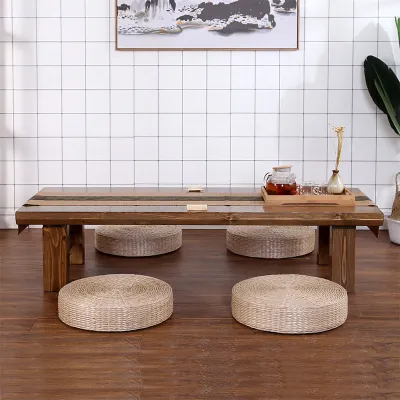
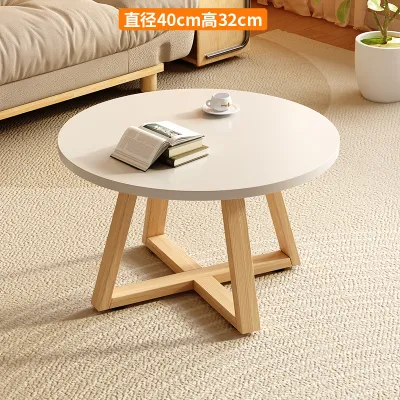

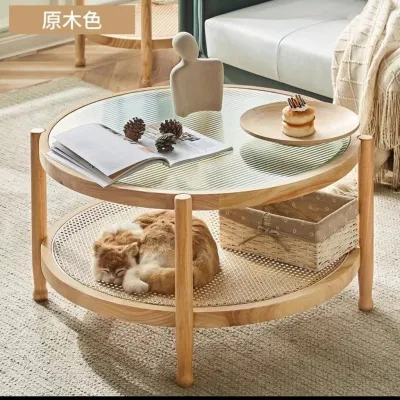

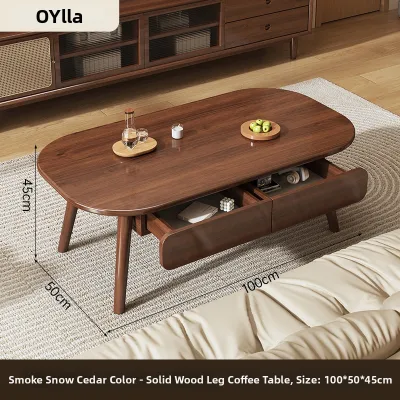
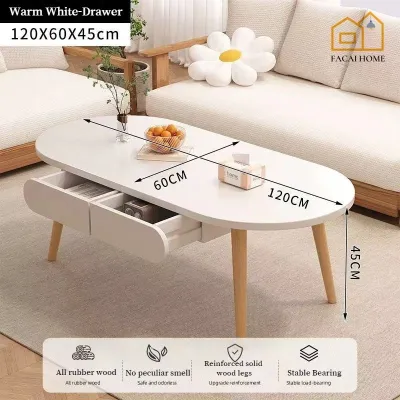
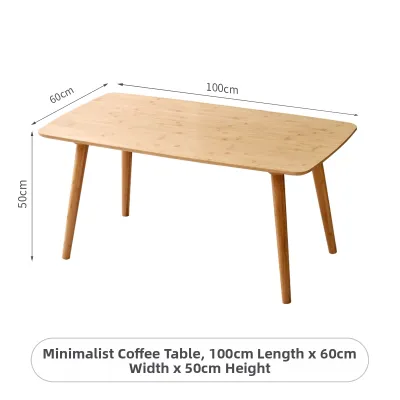
Prices are valid at publication and may change. Please refer to the product page for the latest price.
The choice of wood species heavily influences both the durability and visual warmth of the table. Premium Japanese furniture frequently utilizes native timbers such as Japanese oak (nara), prized for its prominent grain patterns and exceptional hardness, or tamo ash, known for its beautiful, wavy grain. Other popular options include American black walnut, cherry, and red oak. When browsing retail options in Singapore, always verify the exact material composition. Solid wood offers longevity and can be sanded down and refinished if damaged, whereas wood veneer over engineered wood (such as MDF or particleboard) offers a highly stable surface that resists warping but cannot be easily repaired once the thin outer layer is deeply scratched or chipped.
Structural integrity is another hallmark of traditional Japanese furniture, which often relies on sophisticated woodworking joinery rather than metal screws or brackets. Traditional joinery techniques, such as mortise-and-tenon joints, allow the wood components to lock together naturally. This mechanical connection accommodates the natural expansion and contraction of timber as environmental moisture levels shift. In contrast, mass-produced tables assembled with standard metal hardware may loosen over time as the wood fibers compress around the screws, leading to structural wobbling. Prioritizing tables with robust wood-to-wood joinery ensures a stable, lifetime piece.
Finally, consider the visual weight and physical footprint of the table in relation to your room’s traffic flow. In compact Singaporean apartments, a coffee table with a heavy, solid-block base can make a small living room feel cramped and restrict leg movement. Conversely, a table featuring slender, tapered legs or an open, cantilevered frame creates an illusion of spaciousness by allowing light to pass underneath. Ensure there is at least 30 to 45 centimeters of clearance between the edge of the coffee table and your sofa to allow for comfortable passage and comfortable legroom when seated.
Recommended Japanese Furniture Brands in Singapore
Accessible Minimalist Brands
For homeowners seeking functional, clean-lined Japanese aesthetics without a premium price tag, mass-market minimalist brands offer highly practical solutions. These brands focus on modularity, space-saving features, and light-toned woods designed to brighten up smaller living spaces.

MUJI Perhaps the most recognizable purveyor of Japanese minimalism, MUJI offers a consistent selection of low-profile coffee tables crafted primarily from oak and ash. Their designs emphasize utility and understated elegance, often incorporating built-in storage shelves or drawers beneath the tabletop to help keep living rooms clutter-free. While MUJI utilizes solid wood for structural components like legs and frames, many of their tabletops feature high-quality wood veneers over engineered cores to prevent warping in humid climates. Their widespread retail presence across Singapore makes it easy to inspect the furniture in person, and their established logistics network ensures reliable home delivery and straightforward return policies.
Nitori Often described as Japan’s equivalent to IKEA, Nitori provides highly affordable, space-efficient furniture designed specifically for urban apartments. Their coffee table lineup includes classic folding chabudai styles, nesting tables, and lift-top models that transition from a low coffee table to a work desk. To maintain lower price points, Nitori frequently utilizes rubberwood, engineered boards, and durable melamine laminates. While these materials lack the prestige of premium solid hardwoods, they are exceptionally resistant to scratches, heat, and moisture, making them highly practical for busy households with young children or pets. Nitori’s local physical showrooms allow budget-conscious buyers to test the stability and mechanism of each table before purchasing.
Premium Heritage and Craftsmanship Brands
If you view furniture as a long-term investment or a functional work of art, premium Japanese heritage brands offer unparalleled craftsmanship. These manufacturers combine centuries-old woodworking traditions with modern ergonomic design, producing heirloom-quality pieces that are distributed through specialized design showrooms in Singapore.
Karimoku As one of Japan’s premier wood furniture manufacturers, Karimoku is celebrated for its deep commitment to quality and material sustainability. The brand operates several distinct lines, including Karimoku 60, which celebrates mid-century retro-modern designs, and Karimoku Case, which focuses on high-end, architect-designed minimalist furniture. Karimoku tables are crafted using meticulously seasoned hardwoods and finished with advanced coatings that preserve the natural feel of the wood while providing robust protection. In Singapore, these premium collections are available through authorized design retailers such as Grafunkt, where customers can customize wood finishes and dimensions to suit their interiors.
Conde House Originating from Asahikawa, a famous woodworking region in Hokkaido, Conde House is renowned for utilizing sustainably harvested local timber to create highly sophisticated, organic shapes. Their coffee tables often feature seamless, flowing joints and gently curved edges that highlight the natural beauty of the wood grain. These pieces are designed to age gracefully, developing a rich patina over decades of use. Because Conde House furniture is imported directly from Japan, buyers should visit authorized luxury showrooms, such as Atomi at Mandarin Gallery, to ensure authenticity, secure valid manufacturer warranties, and receive professional advice on custom wood finishes. Be prepared for longer lead times of several months for made-to-order or imported pieces.
Custom and Local Japanese-Style Artisans
For homeowners with highly specific spatial constraints or those who desire a completely unique piece, commissioning a custom table from a local Singaporean artisan workshop is an excellent alternative. Several local design studios and independent carpenters specialize in traditional Japanese woodworking techniques, bridging the gap between Japanese design philosophy and local living conditions.
Working with a local artisan allows you to specify the exact dimensions, wood species, and finish of your coffee table. This level of customization is particularly beneficial for matching the table to the precise layout of a custom-built HDB television console or an oddly shaped condominium living room. Local makers can source authentic Japanese timbers like hinoki (Japanese cypress) or recommend highly stable, climate-appropriate hardwoods like teak or white oak that have been properly kiln-dried to withstand Singapore’s high relative humidity.
When selecting a local workshop, carefully evaluate their portfolio for experience with traditional wood joinery, such as mortise-and-tenon or half-lap joints, rather than reliance on pocket screws and wood glue. Discuss project timelines thoroughly, as custom commissions typically require four to twelve weeks to complete. Ensure you clarify the deposit structure, delivery logistics, and whether the workshop provides after-sales maintenance services, such as re-oiling or refinishing, should the table sustain wear over time.
Style and Material Comparison for Japanese Coffee Tables
To help you determine which style and material finish best align with your home’s layout and daily habits, the table below compares the three primary design categories of Japanese coffee tables available in the market.
| Table Style | Typical Height Range | Ideal Seating Pairing | Visual Impact | Best Suited For |
|---|---|---|---|---|
| Low-Profile / Chabudai | 30 cm – 35 cm | Floor cushions (zabuton), low floor chairs, or very low-slung modular sofas | Minimalist, grounded, and highly open; often features folding legs for easy storage | Small apartments, dedicated tea corners, and homes that embrace floor-level living |
| Standard Modern Minimalist | 38 cm – 42 cm | Standard Scandinavian or contemporary sofas; low-profile armchairs | Balanced and airy; typically features open shelving or slender tapered legs | Versatile everyday use in HDB flats and condominiums; blends easily with various decor styles |
| Traditional Heavy Wood | 40 cm – 45 cm | Deep, substantial fabric or leather sofas; structured armchairs | Bold, rustic, and commanding; showcases raw wood slabs, natural live edges, or thick block legs | Large living rooms, open-concept spaces, and interiors emphasizing natural textures |
Beyond the silhouette, the surface treatment applied to the wood dictates its daily maintenance requirements and resilience against Singapore’s tropical climate. Understanding the trade-offs between different finishes is key to preserving your table’s appearance.
- Oil-Finished Wood: This treatment involves applying natural oils (such as linseed or tung oil) that penetrate deep into the wood fibers rather than forming a plastic-like barrier on top. It highlights the raw, tactile texture of the timber and allows the wood to "breathe." However, oil finishes offer minimal protection against moisture and heat. Cold drinks will easily leave permanent water rings, and hot mugs can discolor the surface. This finish requires careful use of coasters and periodic re-application of furniture oil every six to twelve months.
- Polyurethane or Urethane Coated Wood: This modern finish applies a clear, protective liquid plastic layer over the wood, sealing it completely. It is highly resistant to water spills, heat, and minor scratches, making it incredibly easy to clean with a damp cloth. The trade-off is a loss of the natural, textured feel of raw wood, as you are touching the synthetic protective layer rather than the timber itself. Additionally, if a polyurethane coating is deeply gouged, it cannot be easily spot-repaired; the entire surface must be chemically stripped and re-sprayed.
Regardless of the finish, always remember that a material name alone does not guarantee performance. Before making a purchase, consult the manufacturer’s care instructions to verify the table’s specific heat and moisture resistance limits.
Purchasing Guide: Showrooms, Delivery, and Space Planning
Investing in a high-quality Japanese coffee table requires careful logistical planning, particularly when dealing with solid wood pieces that arrive fully assembled. Unlike flat-pack furniture, premium tables constructed with traditional joinery cannot be disassembled to fit through tight spaces. Before placing an order, measure the exact dimensions of your building’s service lift, the width of all stairwells, corridor corners, and your apartment’s main entrance door frame. Compare these measurements against the table’s packaged dimensions to ensure the delivery team can safely transport the piece into your home without damaging the wood or your walls.
When purchasing from local showrooms or online platforms, clarify the delivery terms and associated fees. Some retailers include delivery and basic assembly in the purchase price, while others charge flat rates or variable fees based on your location. Be sure to ask about additional charges for heavy items, specialized handling, or “staircase charges” if the delivery team must carry the table up flights of stairs due to lift limitations or restricted access in older walk-up apartments.
Upon delivery, conduct a thorough physical inspection of the table before signing the acceptance paperwork. Examine the tabletop and legs under bright, direct light to check for transit damage, such as dents, deep scratches, or hairline fractures along the joints. Inspect the wood grain for consistency, keeping in mind that natural solid wood will feature unique variations, knots, and color shifts that are characteristic of real timber rather than defects. Place the table on your living room floor and gently press down on different corners to verify its structural stability and ensure it does not wobble.
Finally, establish a dedicated folder to store all physical purchase receipts, delivery orders, warranty certificates, and manufacturer-provided care manuals. High-end Japanese brands often offer multi-year warranties on structural integrity, but claiming these services through local distributors requires proof of purchase. Keeping these documents handy also ensures you have immediate access to the manufacturer’s specific cleaning and maintenance guidelines as your furniture ages.
Frequently Asked Questions (FAQ)
How do I maintain solid wood Japanese coffee tables in Singapore's humid climate?
To prevent solid wood from warping, cracking, or developing mold in Singapore’s humid environment, maintain a stable indoor climate by keeping the room well-ventilated and avoiding placing the table directly in the path of air-conditioning drafts or intense, direct sunlight. For daily cleaning, simply dust the surface with a dry, lint-free microfiber cloth. If a spill occurs, wipe it up immediately with a slightly damp cloth and dry the area thoroughly with a clean towel; avoid using harsh chemical sprays, multi-purpose cleaners, or abrasive scrubbing pads. Always consult the specific manufacturer’s care guide to determine if your table requires periodic re-oiling or waxing, and use coasters and heat-resistant mats under all drinks and hot dishes.
What is the ideal height for a Japanese-style low coffee table?
The ideal height for a traditional Japanese low coffee table (chabudai style) ranges between 30 and 35 centimeters, which pairs perfectly with floor-level seating arrangements such as floor cushions, tatami mats, or low-slung modular sofas. If you plan to use the table alongside a standard contemporary sofa, select a modern Japanese-style table with a height of 38 to 45 centimeters to ensure a comfortable reach from a seated position. To guarantee ergonomic comfort, measure the seat height of your existing sofa or floor cushions and test the table height in person at a local showroom to ensure you can comfortably reach for items, dine, or work.
Community discussion
Share your experience or ask a question. Comments are reviewed before publication.