
When space is at a premium, choosing a double decker bed for kids is a highly practical solution for shared bedrooms. However, before transitioning a child to the elevated sleeping space, safety must be the primary consideration. The widely accepted safety baseline is that children should be at least six years old before sleeping on the top bunk. While age is a helpful starting point, physical coordination, behavioral maturity, and the specific design of the bed play equally critical roles in ensuring a safe sleep environment.
General Age Guidelines for Top Bunk Safety
Major child safety organizations and pediatric associations globally recommend that the top bunk of a double decker bed be reserved strictly for children aged six and older. This age threshold is not an arbitrary number; it is based on the developmental milestones that children typically reach around this stage of growth. Under the age of six, most children have not yet fully developed the spatial awareness, depth perception, and motor coordination required to safely navigate a ladder, especially when waking up disoriented in the middle of the night.
Furthermore, younger children are more susceptible to serious injuries from falls. Their bodies are still developing, and their heads are relatively heavy in proportion to their bodies, which increases the risk of head injuries during a fall from an elevated surface. While the six-year baseline is a widely recognized standard, parents must remember that it is a minimum threshold rather than a universal green light. Every child develops at their own pace, and chronological age should never be the sole factor in your decision.
Products mentioned in this guide
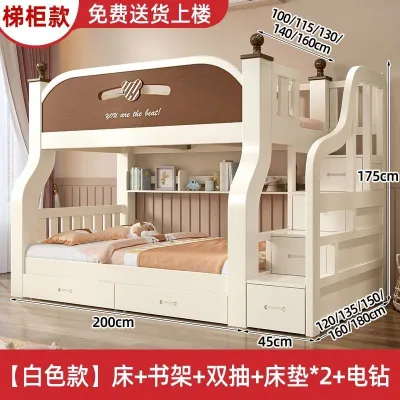
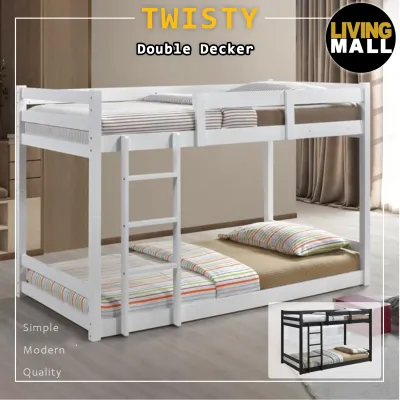
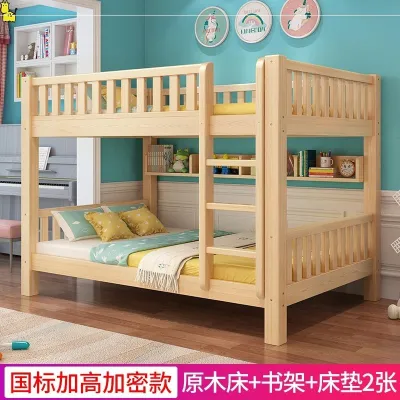
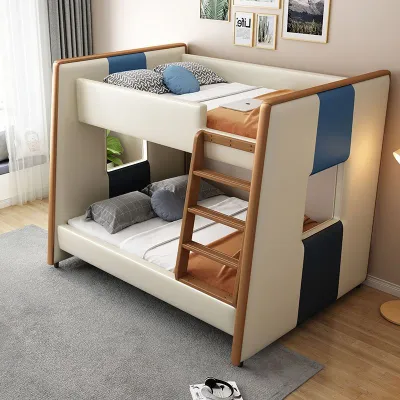
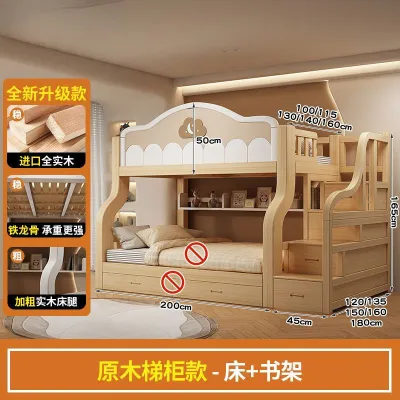
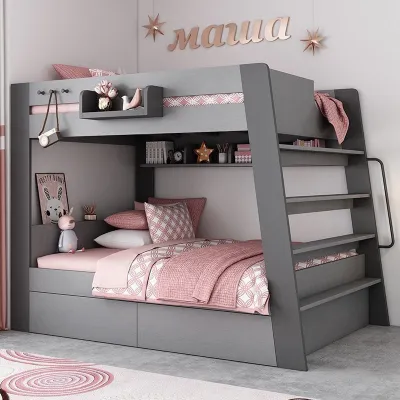


Prices are valid at publication and may change. Please refer to the product page for the latest price.
Before allowing your child to sleep on the top bunk, always check the specific manufacturer’s age and weight recommendations on the product label. Some models may have higher age limits due to their specific design, height, or structural characteristics. If the manufacturer specifies a higher age limit, that instruction must always take precedence over general guidelines.
Signs Your Child Is Developmentally Ready
Determining whether your child is ready for the top bunk requires a careful assessment of their daily habits, physical abilities, and behavioral patterns. A child who is technically six years old may still not be ready if they struggle with balance or have a habit of tossing and turning restlessly during sleep. Observing how your child interacts with their environment during the day can provide valuable clues about their readiness for an elevated bed.

It is also essential to evaluate how consistently your child follows household rules. The top bunk comes with a set of safety responsibilities that the child must respect even when parents are not in the room. If your child tends to test boundaries or ignore safety warnings, delaying the transition to the top bunk is the safest course of action.
Physical Coordination and Mobility
To safely use a top bunk, a child must possess confident climbing and descending skills. They need to be able to grip the ladder rungs securely and place their feet accurately without slipping. This physical coordination must be reliable not just during the day, but also in low-light conditions when they might need to use the bathroom at night.
Spatial awareness is another critical physical skill. A child sleeping on the top bunk needs to understand where the edge of the bed is, even while asleep, to avoid rolling against the guardrails with force. You can practically assess these physical skills by observing how your child navigates other elevated structures, such as playground climbing frames, jungle gyms, or the stairs in your home. If they climb confidently, maintain their balance easily, and show a healthy respect for heights, they are likely physically ready.
Behavioral Maturity and Rule-Following
Behavioral readiness is just as important as physical coordination. Before allowing a child to sleep on the top bunk, you must establish clear, non-negotiable safety rules. These rules include no roughhousing on either bunk, no jumping on the mattress, and ensuring only one person is on the ladder at any given time.
The child must also understand that the guardrails are safety barriers, not play equipment. They should never attempt to climb over the guardrails or hang items like bags, belts, or jump ropes from them, as these can pose serious strangulation hazards. If your child is an exceptionally active sleeper, frequently thrashes around, or has a history of sleepwalking, they should remain on the bottom bunk regardless of their age or daytime coordination.
Essential Safety Features to Check Before Buying
When shopping for a double decker bed for kids, it is vital to look beyond aesthetics and color schemes. A sturdy, safe design is paramount to preventing structural failures and fall-related accidents. Parents should physically inspect the bed or carefully verify the product specifications before making a purchase.
It is important to remember that material names alone do not guarantee safety. Whether a bed is constructed from solid wood or engineered metal, its safety depends on the quality of the joints, the stability of the frame, and compliance with safety standards. Always prioritize models that come with clear manufacturer safety certifications and detailed assembly instructions.
Guardrails and Mattress Fit
Guardrails are the primary defense against falls, and they must be installed on all sides of the top bunk. This includes the side facing the wall, as gaps between the bed and the wall can lead to dangerous entrapment. The guardrails must extend continuously from the headboard to the footboard, with only a small opening allowed for the ladder access point.
To ensure the guardrails can do their job, you must check the manufacturer’s specified maximum mattress thickness. If you install a mattress that is too thick, the effective height of the guardrail is compromised, leaving very little barrier to prevent a child from rolling over the top. Additionally, verify that the gaps between the individual slats of the guardrails, and between the bottom rail and the bed frame, are small enough to prevent a child’s head or limbs from becoming trapped.
Ladder Design and Stability
The ladder is the only safe gateway to the top bunk, making its design a crucial safety factor. When comparing options, angled ladders are generally safer and easier for younger children to navigate than straight, vertical ladders. An angled design provides a more natural climbing posture and better stability.
Inspect how the ladder attaches to the bed frame. It should be securely bolted or hooked with locking mechanisms so that it cannot wobble, slide, or detach when weight is applied. Look for ladders with wide, flat steps rather than narrow, round rungs, as wider steps provide a more comfortable and secure footing. Adding anti-slip grip tape or choosing a ladder with textured steps can further reduce the risk of slips.
Structural Integrity and Weight Limits
A high-quality double decker bed must be robust enough to handle the dynamic weight of growing children. Always locate and strictly adhere to the manufacturer’s stated maximum weight limits for both the top and bottom bunks. When calculating this weight, remember to include the weight of the mattress, pillows, and heavy bedding, not just the child’s body weight.
Examine the joint connections and hardware quality of the bed frame. High-quality models typically use heavy-duty metal bolts and barrel nuts that secure the posts tightly, rather than simple wood screws that can strip and loosen over time. Give the assembled bed a firm shake test in the showroom or upon home installation; any noticeable swaying, creaking, or wobbling indicates a lack of structural stability.
Setting Up and Maintaining a Safe Sleep Environment
Once you have selected a safe double decker bed, the way you position and maintain it in the bedroom is critical to long-term safety. Proper room placement minimizes environmental hazards that could cause injuries. Position the bed well away from ceiling fans, light fixtures, and window cords to prevent accidental contact or entanglement.
In Singapore, where many families live in HDB flats with standard ceiling heights, vertical clearance is a major consideration. Before purchasing, measure the height of your ceiling and compare it to the height of the top bunk. There should be at least 75 to 90 centimeters of clearance between the top of the mattress and the ceiling so that your child can sit up comfortably without bumping their head.
Ongoing maintenance is essential for keeping the bed safe over years of use. Wooden and metal frames naturally expand, contract, and shift with changes in temperature and daily use, which can cause hardware to loosen. Establish a routine schedule—such as every six months—to inspect the frame and tighten all bolts, screws, and joints. Finally, place a small nightlight near the ladder to ensure your child has a clear, illuminated path if they need to climb down for nighttime bathroom trips.
Frequently Asked Questions (FAQ)
Can a 5-year-old sleep on the top bunk if they are tall for their age?
No, a child’s height does not replace the cognitive and motor skill maturity required for top bunk safety. Even if a five-year-old is physically tall, they may still lack the coordination, spatial awareness, and judgment needed to climb down safely in the dark or react appropriately if they wake up disoriented. It is best to wait until they reach the recommended baseline age of six.
What is the maximum weight limit for a standard kids' top bunk?
There is no single universal weight limit for top bunks, as capacity varies significantly depending on the bed’s design, materials, and construction quality. Some standard models support around 70 to 90 kilograms, while heavy-duty frames may support more. You must always check the specific manufacturer’s product label and user manual to verify the exact weight limit for your chosen model.
Are double decker beds suitable for HDB flats in Singapore?
Yes, double decker beds are highly suitable for space-saving in Singapore HDB flats, provided you measure the room carefully. Because HDB ceiling heights typically range between 2.6 and 2.8 metres, you must ensure that the top bunk mattress height leaves sufficient headroom (ideally 75 to 90 centimeters) for the child to sit upright safely. Always verify the finished dimensions of the bed against your room’s layout, ensuring clear access to doorways, wardrobes, and windows.
Community discussion
Share your experience or ask a question. Comments are reviewed before publication.