
Selecting the right material for a thick bed dust cover is essential for preserving your mattress, managing allergens, and ensuring a comfortable sleeping environment. The most common materials used in these covers include tightly woven fabrics like polyester, cotton, and synthetic-natural blends, as well as non-woven fabrics and laminated options featuring thermoplastic polyurethane (TPU) or polyvinyl chloride (PVC) backings. To choose the best option, you must balance the cover’s dust-blocking capabilities with its breathability, verify that the dimensions match your specific mattress depth, and evaluate how easily the material can be washed and maintained over time.
Understanding Common Fabrics for Thick Bed Dust Covers
When shopping for a thick bed dust cover, understanding the underlying fabric construction is the first step toward making an informed purchase. Manufacturers utilize different manufacturing methods to create barriers against dust, pet dander, and other microscopic particles. These methods generally fall into two categories: woven textiles and non-woven or laminated structures. Each category offers distinct physical properties that affect how the cover feels, how much air it lets through, and how effectively it shields your mattress. Rather than relying on vague marketing terms like “allergen-proof” or “heavy-duty,” you should always locate and read the manufacturer’s material composition label on the packaging or interior seam to verify the exact fiber percentages and backing materials.
Woven Fabrics: Polyester, Cotton, and Blends
Woven fabrics are constructed by interlacing yarns at right angles, creating a traditional textile feel that mimics standard bed sheets. To block fine dust particles, manufacturers must use a very tight weave with a high thread count or high-density weave structure. Polyester is a highly common choice for woven covers due to its inherent durability, resistance to stretching, and cost-effectiveness. Cotton, on the other hand, is favored for its natural softness and superior moisture-wicking properties, though it may require more careful laundering to prevent shrinkage.
Products mentioned in this guide
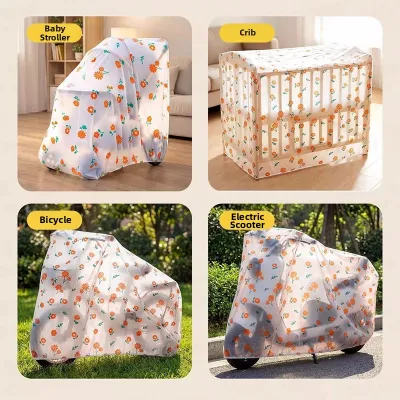
Prices are valid at publication and may change. Please refer to the product page for the latest price.
When evaluating woven options, look closely at the manufacturer’s specifications for weave density or thread count. A higher thread count generally indicates a tighter weave, which reduces the pore size between individual threads and prevents dust from settling into the mattress fibers. Blends of natural and synthetic fibers, such as cotton-polyester mixes, attempt to offer the best of both worlds by combining the breathability of cotton with the strength and wrinkle resistance of polyester. Because different fiber ratios require distinct care routines, always check the label to ensure the blend matches your preferred washing temperature and drying methods.
Non-Woven and Laminated Fabrics with Backings
Non-woven fabrics are engineered by bonding fibers together using chemical, mechanical, or thermal processes rather than weaving them. This creates a web-like structure that is highly effective at blocking particles but often lacks the soft, pliable feel of traditional woven sheets. To enhance protection, many dust covers feature a laminated design, where a woven or non-woven face fabric is bonded to an impermeable backing material such as thermoplastic polyurethane (TPU) or polyvinyl chloride (PVC).
These laminated backings act as a complete physical barrier, preventing dust, liquids, and allergens from passing through to the mattress. When choosing a laminated cover, it is important to check the thickness and flexibility of the backing material. A backing that is too thick or rigid can create a stiff, crinkly texture that rustles when you move and alters the overall feel of your mattress. Additionally, you should verify that the backing is securely bonded to the outer fabric layer, as low-quality laminates can begin to peel, crack, or delaminate from the face fabric over time and through multiple wash cycles.
Balancing Dust Protection and Breathability
Achieving the perfect balance between dust protection and breathability is one of the most critical decisions when selecting a thick bed dust cover. A cover that blocks every microscopic particle but traps heat will lead to uncomfortable, sweaty nights, particularly in warm or humid climates. Conversely, a highly breathable cover with a loose weave may allow dust and allergens to pass through freely, defeating the purpose of the encasement.

To verify dust-blocking claims, check the product packaging or manufacturer specifications for pore size measurements, often rated in microns. For effective protection against dust mites and fine particles, a pore size of under 10 microns is generally recommended, with some high-performance woven covers achieving pore sizes below 5 microns. Assess the breathability of the cover by examining the fabric weight and the presence of breathable membranes. Lightweight woven fabrics allow air to circulate more freely, helping to dissipate body heat during the night. If you opt for a laminated cover, look for “breathable TPU” specifications, which feature microscopic pores large enough to let water vapor escape but small enough to block liquid droplets and dust particles.
Ultimately, you must navigate the practical trade-off between fully impermeable backings and highly breathable woven fabrics. Fully impermeable backings offer maximum protection against spills and heavy dust accumulation but are more prone to trapping heat. Highly breathable woven fabrics offer superior comfort and temperature regulation but may require a tighter, more expensive weave to match the dust-blocking performance of a laminated barrier. Cross-reference these material specifications with your personal sleep temperature preferences and local climate conditions to find the right compromise.
Ensuring a Secure Fit for Thick and Deep Mattresses
A dust cover can only perform its job effectively if it fits your mattress properly. Thick mattresses, including those with integrated pillow tops, hybrid coil systems, or thick memory foam toppers, require covers with generous dimensions and robust construction to prevent tearing during installation. A cover that is too tight will compress your mattress corners, strain the seams, and potentially rip at the zipper line, while a loose cover will bunch up and create uncomfortable folds under your sheets.
Before purchasing, use a firm tape measure to determine the exact depth of your mattress, measuring from the bottom seam to the highest point of the top surface, including any toppers you plan to keep inside the cover. Match this measurement directly to the cover’s stated pocket depth. It is wise to choose a cover with a pocket depth that is at least 2 to 3 centimeters deeper than your mattress to allow for easy installation and to prevent the fabric from being stretched to its absolute limit.
Next, examine the stretchability of the skirt or the elastic edges and the durability of the zipper. For full encasements, the side panels should have sufficient give to slide over the mattress corners without requiring excessive force. Look for heavy-duty zippers that run along at least three sides of the cover, which makes installation on a heavy, thick mattress much easier. Ensure the zipper features a secure closure mechanism, such as a zip-and-click lock or a Velcro flap that seals the end of the zipper track, preventing small gaps from forming at the corners.
Evaluating Durability and Washing Requirements
Because thick bed dust covers are designed for long-term use, evaluating their durability and maintenance requirements before buying will save you significant time and effort. A cover that is difficult to clean or degrades rapidly in the wash will quickly lose its protective qualities, forcing you to purchase a replacement sooner than expected.
Always read the care labels carefully to understand the washing and drying restrictions of the material. Many laminated covers with TPU backings cannot tolerate high-temperature washing or high-heat tumble drying, as excessive heat can melt, crack, or warp the protective membrane. If you prefer to sanitize your bedding using hot water, you will need to select a woven polyester or cotton cover specifically rated for high-temperature laundering. Avoid using chlorine bleach unless the manufacturer explicitly states it is safe, as bleach can rapidly break down both synthetic fibers and laminated backings.
Finally, establish a routine to check for observable signs of material wear during your regular bedding changes. Inspect the interior backing for any signs of peeling, cracking, or thinning, and check the zipper track for fraying threads or misaligned teeth. Because installing a cover on a thick, heavy mattress requires lifting and sliding, the fabric and seams must be strong enough to withstand this physical stress without fraying or tearing. If you notice a loss of elasticity in the skirt or visible damage to the protective backing, it is time to replace the cover to ensure your mattress remains fully protected.
Frequently Asked Questions (FAQ)
Do I need a specific dust cover if I already use a mattress protector?
While both products serve to protect your bed, they function differently and can be used together depending on your needs. A standard mattress protector typically covers only the top surface and sides of the mattress, securing with an elastic skirt like a fitted sheet. A full-encasement dust cover, however, completely encloses all six sides of the mattress and seals with a zipper, providing comprehensive protection against dust accumulation on the bottom and sides of the bed. If you choose to layer both, place the zippered dust cover directly on the mattress first, and then layer the top-only protector over it for easier removal and washing when spills occur.
How can I tell if a dust cover is effectively blocking dust after installation?
You can verify the effectiveness of your dust cover through regular visual inspections during bedding changes. Check that the zipper is fully closed and that the protective flap or Velcro seal at the end of the zipper track is securely fastened without any gaps. Examine the corner seams for any signs of stretching or separation that could allow dust to penetrate. Additionally, monitor the surface of the mattress itself when you remove the cover for laundering; the mattress fabric should remain clean and free of the fine, grey dust accumulation that typically gathers on unprotected beds over time.
Community discussion
Share your experience or ask a question. Comments are reviewed before publication.