
A glass dining table brings an airy, modern elegance to a dining room, but choosing between tempered glass and regular (annealed) glass is a critical decision that impacts both household safety and long-term durability. Tempered glass is generally the safer and more robust choice for a dining table because of its thermal manufacturing process, which makes it highly resistant to impacts and causes it to crumble into small, relatively harmless cubes if it does break. Regular glass, while offering classic clarity and customizability, breaks into large, sharp shards that pose a significant injury risk in active households. Deciding between the two requires evaluating your daily household activities, the structural support of the table frame, and specific maintenance habits.
Whether you are investing S$500 or S$2,000 in a new dining centerpiece, understanding how these materials behave under pressure is essential. A dining table is a high-touch surface subjected to heavy plates, hot serving dishes, and accidental knocks. By examining the structural differences, safety profiles, and maintenance needs of each glass type, you can make an informed choice that balances aesthetic appeal with practical longevity.
Understanding the Structural Differences in Glass Treatment
To understand why these two types of glass perform so differently in a home environment, it is necessary to look at how they are manufactured. Regular glass, scientifically known as annealed glass, is created by heating raw materials until molten and then cooling the mixture slowly. This controlled, gradual cooling process relieves internal stresses within the material, leaving the glass uniform and easy to cut, drill, or shape. However, this slow cooling also leaves the molecular structure relatively relaxed, meaning it has low resistance to sudden impacts or rapid temperature changes.
Products mentioned in this guide
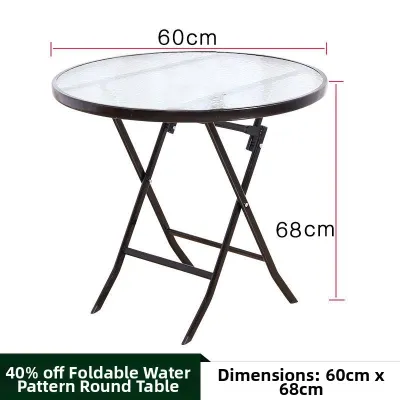
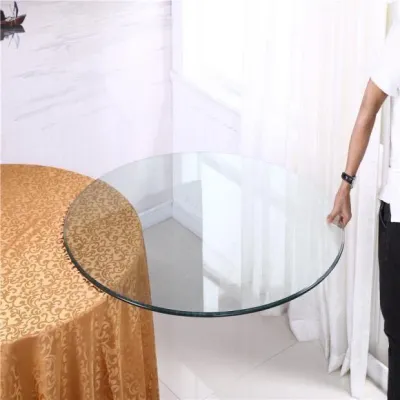
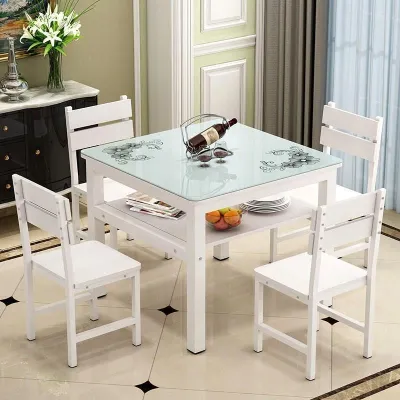
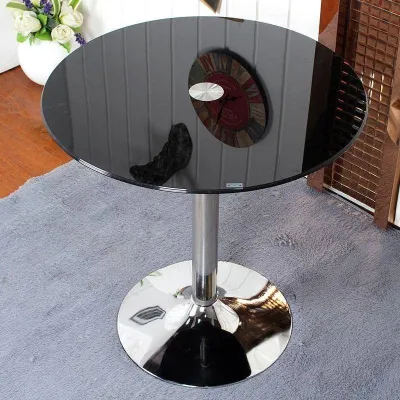
5 Lazada user ratings
The red balcony round table is beautiful, simple and elegant. Installation is also very convenient, it can be done in a few minutes and is s…Read full reviewShow less
The red balcony round table is beautiful, simple and elegant. Installation is also very convenient, it can be done in a few minutes and is stable. Drinking tea, reading books, and watching videos on the balcony pavilion is a good choice. Before that, I bought a square table and didn't use it (it became a small dining table); Just use this round table. That's great
The Western style small table is perfectly matched with balcony chairs. The desktop paint that was sent for the first time was scratched dur…Read full reviewShow less
The Western style small table is perfectly matched with balcony chairs. The desktop paint that was sent for the first time was scratched during transportation. Without hesitation, the customer service sent a new one, and the service attitude was excellent. Everyone can purchase with confidence.
The goods have arrived, and the seller's service is really thoughtful. Bring colleagues along in the future. The quality of the baby is good…Read full reviewShow less
The goods have arrived, and the seller's service is really thoughtful. Bring colleagues along in the future. The quality of the baby is good, I really like it. It's much better than what I saw, 3Q! Praise for the fast delivery, the item is similar to the picture..
Received the package, the desktop quality is very good and high-end. There are two chairs at home that match perfectly. You can see from the…Read full reviewShow less
Received the package, the desktop quality is very good and high-end. There are two chairs at home that match perfectly. You can see from the pictures I took if they are good or not. I suggest you buy them! Good review! Good review!
The quality of the table is very good, and it is also very easy to install. It can be completed in two steps and has a high appearance. I re…Read full reviewShow less
The quality of the table is very good, and it is also very easy to install. It can be completed in two steps and has a high appearance. I really like it
Prices are valid at publication and may change. Please refer to the product page for the latest price.
Tempered glass, on the other hand, undergoes a secondary thermal or chemical strengthening process. The annealed glass is cut to its final size first, as it cannot be altered after tempering. It is then heated to approximately 600 degrees Celsius in a tempering oven and rapidly cooled using high-pressure blasts of cool air, a process known as quenching. This rapid cooling causes the outer surfaces of the glass to shrink and solidify much faster than the inner core. As the inner core cools and contracts, it pulls on the outer surfaces, creating high compressive stress on the exterior while leaving the interior in a state of tensile stress.
This precise balance of internal forces completely alters how the glass behaves when it is subjected to physical force. When regular glass breaks, the cracks propagate freely along the lines of least resistance, resulting in large, jagged, razor-sharp shards that can easily cause severe injuries. When tempered glass is compromised, the sudden release of the stored tensile energy causes the entire pane to shatter instantly into thousands of small, blunt, relatively harmless cubes.
Identifying which type of glass you are looking at in a showroom or online marketplace is crucial for verification. Tempered glass dining tables almost always feature a small, permanent safety stamp or logo etched into a corner, indicating compliance with international safety standards. Additionally, because tempered glass cannot be cut after the heating process, you will notice highly finished, rounded, or beveled edges that feel smooth to the touch. If you view the glass under natural light while wearing polarized sunglasses, you may also observe faint, dark strain patterns or spots, which are a natural optical byproduct of the tempering process.
Evaluating Safety and Breakage Behavior for Your Household
When assessing safety, impact resistance is the most obvious point of comparison, but it must be evaluated alongside the table’s overall structural design. Tempered glass is significantly more resistant to direct impacts on its flat surface than regular glass of the same thickness. However, this strength is highly dependent on how the glass is supported. A glass top that rests fully on a solid sub-frame or a wide, stable wooden base distributes weight and localized impacts much better than a frameless design that relies solely on a few metal bosses bonded to the underside.

The scenarios that lead to breakage also differ dramatically between the two materials. Regular glass is highly susceptible to thermal shock; placing a boiling hot claypot or a sizzling cast-iron skillet directly onto a cold regular glass surface can cause it to crack instantly due to uneven thermal expansion. Tempered glass handles temperature differentials much better, but it is uniquely vulnerable to spontaneous breakage. This rare event occurs when microscopic imperfections, such as nickel sulfide inclusions introduced during manufacturing, expand over time under changing temperatures, eventually causing the glass to shatter without any apparent external impact.
For households in Singapore, where residential spaces like HDB flats and condominiums often feature compact, high-traffic dining areas, daily physical dynamics are a major safety factor. Homes with young children, active pets, or elderly family members face a higher risk of accidental collisions. A child running past the table or a heavy toy dropped on the surface could easily shatter a regular glass table, creating an immediate and severe hazard. In these environments, a tempered glass dining table provides an essential layer of safety, ensuring that any accidental breakage results in small, dull fragments rather than dangerous shards.
If you currently own a regular glass table and want to mitigate safety risks without replacing the entire piece, applying a high-quality, heavy-duty clear safety film to the underside is a practical option. While this film does not increase the glass’s resistance to cracking, it acts as an adhesive layer that holds the sharp shards together in the event of a break, preventing them from falling and causing injury. However, for new purchases, relying on a certified tempered glass top is always the more reliable and robust safety strategy.
Comparing Durability, Maintenance, and Daily Wear
While safety is paramount, daily durability and ease of maintenance dictate how much you will enjoy your dining table over the years. A common misconception is that tempered glass is highly scratch-resistant. In reality, both tempered and regular glass have similar surface hardness, meaning both can be scratched by everyday items. Ceramic plates with unglazed, rough undersides, heavy stoneware, metal cutlery, and even dust particles trapped under a sliding object can leave permanent hairline scratches on the surface.
To preserve the pristine look of your glass table, you must establish protective habits. Using soft placemats, felt coasters, and decorative runners is highly recommended to prevent direct contact between hard tableware and the glass. Additionally, you must pay special attention to the edges of a tempered glass table. While the face of tempered glass is incredibly tough, its edges are highly vulnerable to impact. A sharp knock to the edge from a heavy chair or a vacuum cleaner can compromise the outer compressive layer, causing the entire table top to shatter instantly. Choosing a table with a protective wooden or metal frame that wraps around the glass edges is an excellent way to mitigate this risk.
Cleaning a glass dining table requires gentle techniques to avoid creating micro-scratches over time. Avoid using abrasive scrubbing pads, steel wool, or harsh chemical agents like bleach or highly alkaline cleaners, which can degrade the glass surface or strip away protective coatings. Instead, use a clean, lint-free microfiber cloth paired with a mild solution of dish soap and warm water, or a dedicated pH-neutral glass cleaner. Wipe in a circular motion to lift dust, and finish with a dry microfiber cloth to prevent water spots and streaks.
Weight capacity is another critical factor that should never be estimated based on glass thickness alone. While a thicker pane of glass is inherently stiffer, the actual load limit of the table is determined by the span of the unsupported glass and the engineering of the base. A table with a central pedestal base support has different weight distribution limits compared to one with four corner legs. Always consult the manufacturer’s official specifications to verify the maximum weight capacity, and avoid sitting, standing, or placing exceptionally heavy objects on the table.
Weighing Design, Aesthetics, and Space Considerations
Beyond safety and durability, the visual impact of a glass dining table plays a major role in your interior design. Glass tables are highly favored in modern and minimalist design because of their low visual weight. By allowing light to pass through, they make small dining areas feel more spacious, open, and bright. The thickness of the glass you choose will significantly affect this aesthetic; a thin 8mm glass top offers a sleek, ultra-modern look, while a thicker 12mm or 15mm top conveys a sense of luxury, substance, and traditional stability.
The clarity of the glass is another design dimension to consider. Standard glass naturally contains iron impurities, which give the material a distinct greenish tint. This tint is particularly noticeable along the polished edges of the table and can alter the appearance of your dining chairs, flooring, or rug when viewed from above. If you prefer a perfectly neutral, crystal-clear look, look for tables made with low-iron glass, often marketed as extra-clear or optic glass. This premium option minimizes the green hue, allowing the true colors of your interior decor to shine through.
Glass tops also offer incredible versatility when paired with different base materials. A glass top paired with a warm timber frame creates a beautiful balance between modern transparency and organic warmth, making it ideal for Scandinavian or mid-century modern homes. For an industrial or contemporary look, pairing glass with powder-coated steel, brushed brass, or a sculptural stone base creates a striking focal point. When selecting a table, ensure that the connection points between the glass and the base—such as UV-bonded metal disks or non-slip rubber spacers—are high-quality, secure, and visually clean.
Decision Framework: Choosing the Right Glass Dining Table
To finalize your choice, use this conditional framework to match the glass type to your specific household needs, space constraints, and lifestyle habits.
Choose Tempered Glass If:
- Active Household: You have young children, pets, or host frequent social gatherings where accidental impacts are likely.
- Frameless Designs: You prefer a modern, minimalist look with exposed glass edges and minimal structural framing.
- Daily Hot Meals: You want a table that can handle the thermal stress of hot serving dishes without cracking easily.
- Peace of Mind: You prioritize safety and want to ensure that if an accident does happen, the glass will crumble safely rather than shattering into dangerous shards.
Choose Regular Glass If:
- Low-Traffic Areas: The table is located in a formal dining room or a low-use area with minimal risk of impact.
- Fully Framed Furniture: The glass pane is completely encased and protected within a robust wooden or metal frame, protecting the edges and surfaces from direct knocks.
- Custom Shapes and Cuts: You require highly customized, non-standard shapes, intricate cutouts, or specific edge profiles that cannot be easily produced through the tempering process.
Critical Verification Steps Before Buying:
- Check for Safety Stamps: Look for permanent safety certification markings etched into the corner of the glass to confirm it is genuinely tempered.
- Verify Delivery and Access: Measure your doorways, lift dimensions, and hallway clearances carefully. A large, heavy, single-piece glass top cannot be bent or disassembled, so you must ensure the delivery team can safely transport it into your home.
- Inspect the Base Stability: Test the table in the showroom if possible. Ensure the base is heavy and stable enough to prevent tipping or wobbling when pressure is applied to the edges.
- Review Warranty Terms: Check the manufacturer's warranty to see what is covered. Most warranties cover structural defects in the frame or base but exclude glass breakage, making proper care and placement even more critical.
Frequently Asked Questions (FAQ)
Can tempered glass dining tables break spontaneously?
Yes, tempered glass dining tables can break spontaneously, although it is a rare occurrence. This phenomenon is typically caused by microscopic nickel sulfide inclusions that can accidentally enter the glass during manufacturing. Over time, as the glass experiences temperature fluctuations, these inclusions can expand, creating internal stress that eventually overcomes the glass’s structural integrity, causing it to shatter without warning. Spontaneous breakage can also be triggered by minor, unnoticed damage to the vulnerable edges of the glass during transit or assembly, which slowly worsens over time until the pane fails. To minimize this risk, always purchase from reputable manufacturers who use rigorous quality control and heat-soak testing, and handle the table edges with extreme care during installation.
How do I clean a glass dining table without causing scratches?
To clean a glass dining table without causing scratches, you must avoid abrasive materials and harsh chemicals. Start by gently dusting the surface with a dry, clean microfiber cloth to remove loose dust and grit, which could otherwise act as an abrasive when wiped. Next, spray a small amount of a dedicated pH-neutral glass cleaner or a mild solution of warm water and a few drops of dish soap onto the cloth rather than directly onto the glass. Wipe the surface in a gentle, circular motion to lift grease and fingerprints. Finally, use a second, dry microfiber cloth to buff the glass to a streak-free shine. Always avoid using paper towels, which can leave lint behind, and never use abrasive sponges, steel wool, or acidic cleaners like vinegar on coated glass surfaces.
Community discussion
Share your experience or ask a question. Comments are reviewed before publication.