
When selecting an outdoor rattan sofa set for a tropical climate, synthetic rattan—specifically High-Density Polyethylene (HDPE or PE)—generally offers better durability than natural rattan. Singapore’s high humidity, frequent heavy rain, and intense UV exposure cause natural rattan to absorb moisture, swell, and develop mold unless it is kept in a strictly sheltered environment. Synthetic rattan offers inherent water and UV resistance, making it the practical choice for exposed balconies and patios, provided the underlying frame and cushions are also specified for outdoor use.
Choosing the right outdoor rattan sofa set for your home in Singapore requires a careful look at how different materials interact with a tropical climate. While the classic, organic texture of natural rattan brings an warmth to any balcony or patio, the local weather presents severe challenges. High humidity, sudden downpours, and intense sunlight can quickly degrade materials that are not engineered to withstand these specific environmental stressors.
For most exposed outdoor spaces in Singapore, synthetic rattan—particularly High-Density Polyethylene (HDPE)—is the more durable and practical choice. Unlike natural fibers, synthetic rattan does not absorb moisture, making it highly resistant to mold, rot, and swelling. However, natural rattan can still find a place in your home if it is kept in fully sheltered, well-ventilated semi-outdoor areas. Understanding the differences between these materials, as well as the specifications of their frames and cushions, will help you make an investment that lasts for years.
Products mentioned in this guide
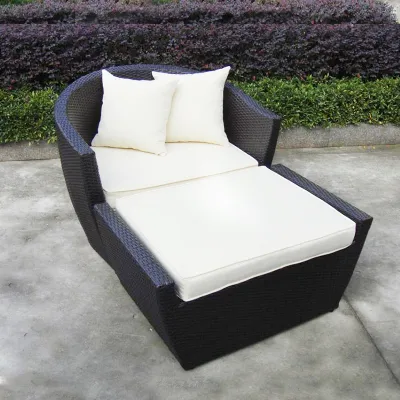
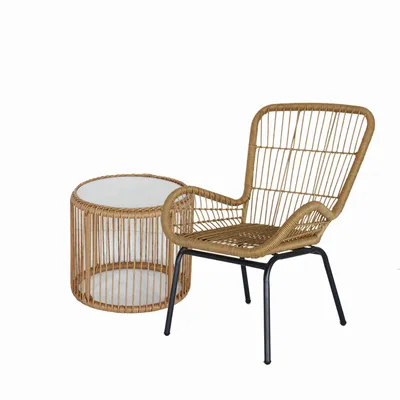
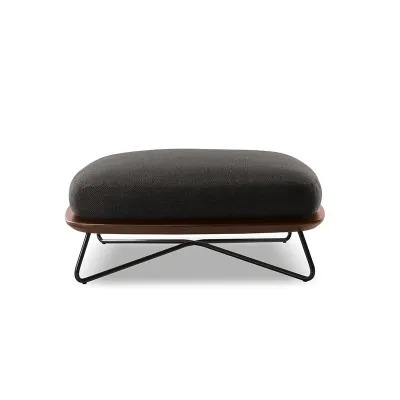
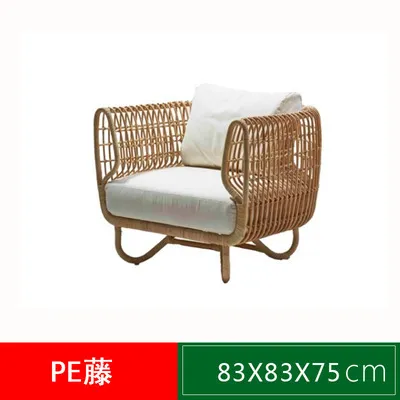
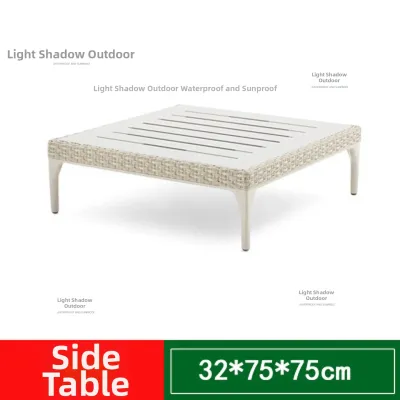
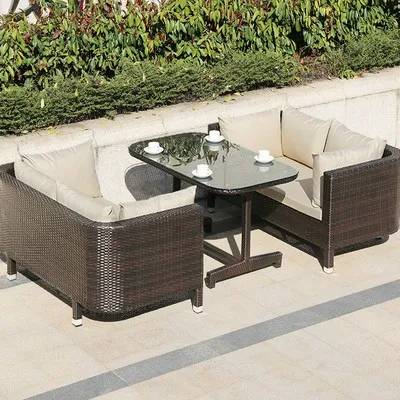
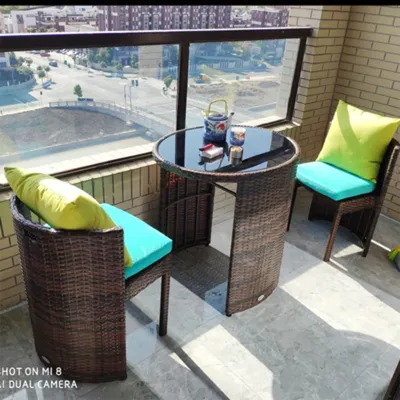
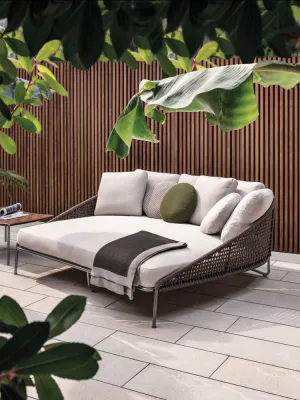
Prices are valid at publication and may change. Please refer to the product page for the latest price.
The Climate Challenge for Outdoor Furniture in Singapore
Singapore’s tropical climate is notoriously harsh on outdoor furniture. With relative humidity levels frequently hovering above 80 percent and regular rainfall throughout the year, outdoor materials are constantly exposed to moisture. This persistent dampness creates a favorable environment for mold, mildew, and fungal growth, which can rapidly compromise organic fibers and cause untreated metal components to rust.
In addition to moisture, the intense, year-round solar radiation in Singapore poses a significant threat to outdoor setups. Ultraviolet (UV) rays break down chemical bonds in unprotected materials, leading to severe fading, drying, and brittleness. Over time, constant exposure to the sun can cause low-quality plastics to crack and natural fibers to splinter, ruining both the appearance and structural integrity of your sofa.
Daily temperature fluctuations also play a role in material wear. As outdoor spaces heat up under the midday sun and cool down during evening rainstorms, materials expand and contract. This continuous thermal movement puts physical stress on furniture joints, woven patterns, and structural frames, making high-quality construction and material flexibility essential for long-term durability.
Natural Rattan: Aesthetics vs. Weather Vulnerability
Natural rattan is harvested from climbing palms native to tropical regions, offering a unique, organic aesthetic characterized by slight color variations and a warm, textured feel. Because it is a natural, fibrous material, it possesses a high level of flexibility and strength when kept dry. This makes it a traditional favorite for indoor living rooms and covered colonial-style verandas.

However, this organic structure is precisely what makes natural rattan highly vulnerable to Singapore’s outdoor elements. The porous nature of natural rattan means it readily absorbs moisture from the humid air and direct rainfall. Once wet, the fibers swell, soften, and lose their structural tension, which can cause the weave to sag and eventually unravel under weight.
Furthermore, trapped moisture within the fibers combined with warm tropical temperatures leads to rapid mold and mildew colonization. Within just a few weeks of exposure to damp conditions, a natural rattan sofa can develop dark spots and a persistent musty odor that is difficult to remove without damaging the material.
Because of these vulnerabilities, natural rattan requires strict placement conditions to survive. It should only be used in fully covered, dry, and well-ventilated spaces, such as enclosed sunrooms or deeply recessed balconies that are completely shielded from driving rain and direct sunlight. Even in these protected areas, natural rattan demands regular maintenance, including periodic applications of specialized sealants, varnishes, or oils to help repel ambient moisture and preserve the fibers.
Synthetic Rattan: Durability and Material Differences
Synthetic rattan, often referred to as resin wicker, is engineered to mimic the appearance of natural woven fibers while providing enhanced resistance to environmental degradation. However, not all synthetic rattan is created equal, and the specific polymer used in its construction determines how well the furniture will withstand Singapore’s climate.
High-Density Polyethylene (HDPE) is a highly durable option for synthetic rattan. This material is highly stable, flexible, and inherently waterproof, meaning it will not absorb moisture or swell during heavy downpours. When shopping, look for product labels that explicitly state the HDPE is UV-stabilized, which ensures the material has been treated to resist fading and brittleness caused by intense sunlight. Additionally, HDPE is non-toxic and fully recyclable, making it a more environmentally conscious choice.
In contrast, Polyvinyl Chloride (PVC) is a cheaper synthetic alternative that is less suited for long-term outdoor use. PVC rattan tends to be stiff and brittle, and it degrades rapidly under intense heat and UV exposure. Over time, a PVC rattan sofa set left on an open balcony is highly susceptible to cracking, peeling, and fading, often requiring replacement much sooner than an HDPE equivalent.
When evaluating synthetic rattan, it is also important to inspect the weave quality and coloring process. High-quality synthetic rattan is dyed completely through the core of the strand rather than just painted on the surface. This through-dyeing process ensures that if the material suffers minor scratches or scuffs during daily use, the color remains uniform and scratches do not reveal a different underlying shade.
Critical Frame and Cushion Specifications to Verify
While the outer rattan weave is the most visible part of an outdoor sofa, the underlying frame and the accompanying cushions are just as critical to the set’s overall lifespan. A durable weave is of little use if the internal structure rusts away or the cushions become waterlogged and moldy after the first monsoon.
For the frame, prioritize powder-coated aluminum or high-grade treated stainless steel. Aluminum is naturally rust-resistant and lightweight, making it easy to rearrange your patio layout while offering excellent durability in humid conditions. Avoid untreated steel or iron frames, as even a tiny scratch in the paint can allow moisture to penetrate, leading to rapid rust formation that can stain your patio tiles and compromise the sofa’s structural safety.
Examine the joint construction of the frame carefully. Fully welded joints are highly recommended over those held together by mechanical fasteners, screws, or bolts. In Singapore’s humid air, small metal fasteners can easily corrode, loosen, or seize over time, leading to a wobbly frame that is difficult to repair. Welded aluminum frames offer a seamless, rigid structure that eliminates these weak points.
Cushions require equal attention, as they are directly exposed to both rain and body oils. Look for cushion covers made from solution-dyed acrylics or high-performance treated polyesters that carry verified water-repellent and UV-resistant ratings. These fabrics allow water to bead up and roll off the surface rather than soaking into the padding.
The internal cushion fill should consist of quick-dry, open-cell foam or specialized polyester fiber fills. Open-cell foam allows water to drain straight through the cushion rather than trapping it like a sponge. This rapid drainage prevents the inner core from remaining damp, which is essential for avoiding mold growth and unpleasant odors in Singapore’s humid climate.
Routine Maintenance and Tropical Weather Care
Even a durable synthetic rattan sofa set requires routine care to maintain its appearance and extend its lifespan in a tropical environment. Dust, pollen, and organic debris can accumulate in the crevices of the woven pattern, providing a food source for mold spores if left uncleaned.
To clean synthetic rattan, start by dusting the surface or using a vacuum cleaner with a soft brush attachment to remove loose dirt. Next, wash the weave gently using a mixture of mild soap and lukewarm water, applying it with a soft-bristled brush or cloth. Avoid using harsh chemical cleaners, bleach, or abrasive scrubbing pads, as these can strip away protective UV coatings and scratch the synthetic surface. Rinse the sofa thoroughly with clean water and allow it to air dry completely in a shaded area.
During the heavy monsoon seasons in Singapore, when rain can persist for days, using breathable, waterproof furniture covers is highly recommended. Before covering your sofa, ensure that the entire set—including the frame and the weave—is completely dry. Covering damp furniture can trap moisture underneath, creating a humid greenhouse effect that promotes mold growth despite the protective cover.
Cushions should ideally be stored indoors or in a dry, watertight deck box during prolonged periods of rain or when the sofa set is not in use for extended periods. Always check the manufacturer’s care labels on the cushions for specific washing and drying instructions, as some covers can be machine-washed on a gentle cycle, while others require spot cleaning only.
Choosing the Right Set for Your Specific Space
Selecting between synthetic and natural rattan ultimately depends on the specific characteristics of your outdoor space and your willingness to perform regular maintenance. Matching the material to the exposure level of your balcony, patio, or garden is the most effective way to ensure your furniture remains beautiful and functional.
If your outdoor area is an open balcony, a poolside deck, a rooftop terrace, or any space that receives direct rain and unfiltered sunlight, synthetic HDPE rattan is the practical choice. It will withstand the daily onslaught of UV rays and heavy downpours without warping, cracking, or requiring intensive upkeep, allowing you to enjoy your outdoor living space with minimal worry.
On the other hand, if you have a fully enclosed sunroom, a deeply shaded veranda, or a dry, sheltered balcony with excellent cross-ventilation, natural rattan can be a viable and elegant option. In these protected environments, the natural fibers are shielded from the worst of the weather, allowing you to enjoy their classic warmth and character without the constant threat of moisture damage.
Before making your final purchase, review the manufacturer’s warranty terms carefully. Ensure that the warranty explicitly covers outdoor use and does not contain clauses that void coverage due to exposure to high humidity or tropical weather conditions. A comprehensive warranty from a reputable retailer provides valuable peace of mind for your investment.
Frequently Asked Questions (FAQ)
Can I leave my outdoor rattan sofa outside during the monsoon season?
While a high-quality synthetic HDPE rattan weave can easily withstand the heavy rain of the monsoon season, leaving the entire sofa set completely exposed is not recommended. Continuous rain can saturate the cushions and test the limits of the frame’s water resistance. To protect your investment, use breathable, waterproof covers during periods of prolonged wet weather, and ensure the cushions are stored in a dry, indoor space when not in use.
How do I clean mold off my rattan outdoor furniture?
For synthetic rattan, you can safely clean mold by scrubbing the affected areas with a soft brush and a mild solution of white vinegar and warm water, or a gentle dish soap. Vinegar is highly effective at killing mold spores without damaging the plastic. For natural rattan, check the manufacturer’s care instructions first, as harsh scrubbing or wet solutions can strip away protective varnishes and saturate the porous fibers, potentially worsening the mold issue over time.
Community discussion
Share your experience or ask a question. Comments are reviewed before publication.