
A swivel chair is the foundational element of any productive home office setup in Singapore. With hybrid work remaining a permanent fixture for many professionals, selecting a chair that supports your posture through long hours of sitting is a critical decision. However, the Singapore market is flooded with options ranging from budget-friendly imports to high-end ergonomic masterpieces. Navigating these choices requires looking beyond aesthetic appeal to evaluate structural integrity, warranty terms, and the actual cost of ownership over several years.
The ideal purchasing decision is rarely about finding a single “best” brand, but rather about matching your specific physical needs and daily usage patterns to the right brand category. Premium global brands offer peerless durability and extensive warranties but require a substantial upfront investment. Regional direct-to-consumer (DTC) brands offer a compelling middle ground with modern ergonomic adjustments tailored to local climates. Mass-market retailers provide highly affordable and stylish options, though they are generally best suited for light, occasional use.
Evaluating these tiers systematically allows you to identify where your money is going—whether into research-backed ergonomic engineering, robust local after-sales service, or simply convenient flat-pack aesthetics. By understanding the structural and operational differences between these brand categories, you can make an informed investment that protects both your physical health and your household budget.
Products mentioned in this guide
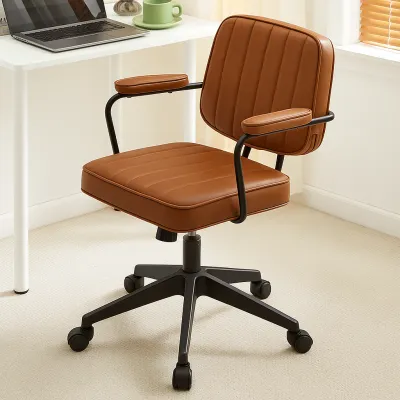
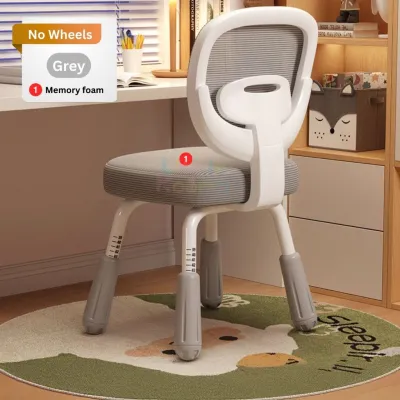
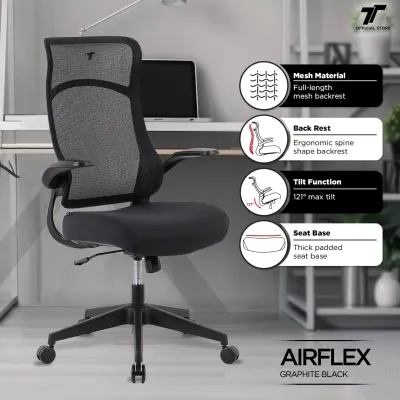
![[SG Ready Stocks] Ergonomic Office Chair - 8.5cm Thick Cushion + Antislip Surface Adjustable Backrest & Detachable Headrest Flip-Up Arms Rocking & Lock Function 15-Min Easy Assemble for Home/Office](https://img.lazcdn.com/g/p/056ecb65b2a442dd9a476ff654362085.jpg_400x400q80.jpg_.webp)
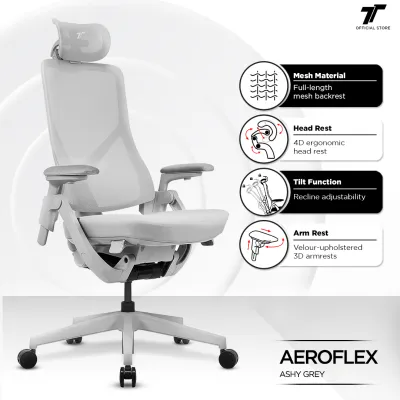

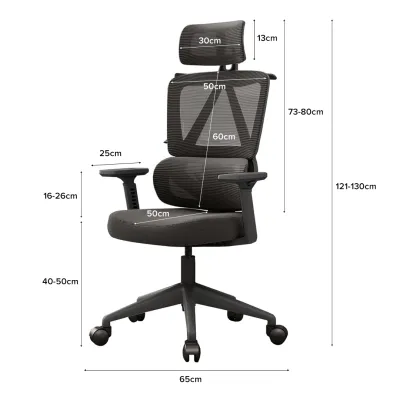
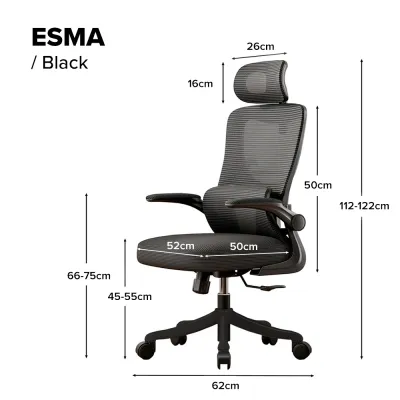
Prices are valid at publication and may change. Please refer to the product page for the latest price.
Quick Answer: Matching Brand Tiers to Your Home Office Needs
Selecting the right swivel chair brand in Singapore is a matter of balancing your daily sitting hours, your budget, and your expectations for product longevity. There is no single brand that fits every household perfectly, as the ideal choice depends entirely on the trade-off between upfront cost and long-term durability. Identifying your usage patterns first will prevent you from overspending on features you do not need or underspending on a chair that fails prematurely.
To simplify your decision, the market can be divided into three distinct tiers based on performance and support:
- Premium Global Brands: Choose these brands if you sit for eight or more hours daily, require precise, dynamic ergonomic adjustments to manage or prevent chronic back pain, and want a comprehensive multi-year warranty backed by local, on-site service teams.
- Regional Direct-to-Consumer (DTC) Specialists: Choose these brands if you seek a strong balance of modern ergonomic features and competitive pricing, are comfortable with self-assembly, and prefer breathable materials optimized for Singapore's humid climate.
- Mass-Market Furniture Retailers: Choose these brands if the chair is intended for light, occasional use of under four hours per day, matching your existing home decor is your primary concern, and you prefer a low upfront cost.
Rather than declaring a single definitive winner, this framework serves as a starting point. The following sections will analyze the specific build materials, warranty structures, and long-term ownership costs of each tier to help you make a precise choice.
The Swivel Chair Market in Singapore: Three Main Brand Categories
To make a fair comparison, you must first understand the structural landscape of the swivel chair market in Singapore. Pitting a budget chair directly against an elite ergonomic model is a flawed comparison because they are engineered for entirely different lifecycles and physical demands. Categorizing the market into three primary brand tiers allows you to evaluate each option based on its intended purpose and engineering standards.

Premium global ergonomic brands represent the pinnacle of office seating. These international manufacturers invest millions of dollars in biomechanical research and orthopedic testing. Their chairs are engineered as occupational health equipment rather than simple furniture. Sold primarily through authorized local distributors in Singapore, these brands target corporate offices and home users who view their chair as a long-term investment in spinal health.
Regional direct-to-consumer (DTC) specialists have grown rapidly by streamlining the traditional supply chain. By sourcing directly from contract manufacturers in Asia and selling through their own websites or local showrooms, they bypass distributor markups. These brands focus on delivering high-demand ergonomic features—such as adjustable lumbar support, 3D armrests, and mesh backrests—at a mid-tier price point that appeals directly to remote professionals.
Mass-Market furniture retailers prioritize volume, convenience, and visual trendiness. In these catalog-driven stores, a swivel chair is just one of thousands of home goods items. These brands prioritize low production costs and flat-pack shipping efficiency. While their designs often look modern and minimalist, the internal components are typically standardized and simplified to keep retail prices highly accessible.
Understanding these categories prevents unrealistic expectations. A mass-market chair cannot be expected to provide the active pelvic support of a premium ergonomic model, nor will a DTC brand offer the same decades-long structural integrity as a global industry leader. Evaluating each category on its own merits ensures you pay for actual material value rather than marketing promises.
Evaluating Build Quality: Frames, Fabrics, and Moving Parts
Evaluating the build quality of a swivel chair requires looking closely at the load-bearing elements, the contact materials, and the mechanical linkages. These components determine not only how comfortable the chair is on day one, but how well it will support your body after years of daily use.
Frames and Bases
The structural integrity of a chair begins with its base and frame. Premium global brands typically construct their frames from die-cast aluminum or heavy-duty, glass-fiber reinforced polyamide. These materials resist flexing under load, ensuring the backrest remains perfectly aligned with your spine. Mass-market chairs, by contrast, often rely on lightweight steel tubing or unreinforced nylon plastics. Over time, these cheaper frames can warp or develop a permanent tilt, compromising your posture. When comparing bases, look for a wide five-star footprint (ideally 650mm to 700mm in diameter) to ensure stability when reclining. Always check the manufacturer’s maximum weight capacity label; professional-grade chairs are typically rated for 110kg to 150kg or more.
Upholstery and Backrests
Singapore’s tropical climate makes material selection critical for long-term comfort. High-density molded foam is the standard for premium and high-end DTC seat cushions. Molded foam is polyurethane foam cured inside a dedicated mold, creating a supportive skin that prevents the cushion from bottoming out over time. Cheap mass-market chairs often use standard cut foam, which is sliced from large blocks and loses its resiliency within a year, leaving you sitting directly on the hard wooden or plastic seat pan.
For backrests, elastomeric mesh is highly popular in Singapore because it allows passive airflow. However, the quality of mesh varies wildly. Premium brands use elastomeric mesh woven with high-tensile polyester fibers that retain their tension for over a decade. Low-cost mesh backrests often sag within months, causing your lower back to lose contact with the lumbar support. If you prefer leather, avoid low-grade polyurethane (PU) leather, as Singapore’s high humidity accelerates hydrolysis, causing the material to peel and flake. Opt instead for breathable fabrics, high-grade composite textiles, or genuine leather if your budget permits.
Mechanical Components
The moving parts of a swivel chair are its most common failure points. The tilt mechanism determines how the chair moves with your body. Premium chairs feature advanced synchro-tilt mechanisms that tilt the backrest at a 2:1 ratio to the seat pan, keeping your feet flat on the floor and your eyes level while reclining. Mass-market models often use a simple center-tilt mechanism, which lifts your thighs and increases pressure on the underside of your knees.
Furthermore, the gas lift cylinder must be verified for safety. Always look for recognized testing marks such as BIFMA X5.1, SGS, or TÜV stamped directly onto the metal cylinder. A Class 4 gas cylinder features thicker steel walls and superior sealing compared to a Class 3 cylinder, providing smoother height adjustments and preventing gradual sinking over years of operation.
| Brand Category | Primary Frame Material | Seat & Backrest Materials | Mechanical Components | Expected Lifespan Indicators |
|---|---|---|---|---|
| Premium Global | Die-cast aluminum; glass-fiber reinforced polymers | High-performance elastomeric mesh; high-density molded foam | Advanced synchro-tilt; multi-functional adjustments; Class 4 gas lift | 10 to 12+ years of daily intensive use; BIFMA certified |
| Regional DTC | Reinforced nylon; steel-reinforced polymers | Medium-to-high tension mesh; molded foam; breathable PU leather | Standard synchro-tilt; adjustable armrests/lumbar; Class 3 or 4 gas lift | 3 to 7 years of daily use; certified components |
| Mass-Market | Standard nylon; lightweight steel | Standard cut foam; basic polyester fabric; standard PU leather | Simple tilt-lock or tension control; fixed or basic height adjustment | 1 to 3 years of light or occasional use |
Decoding Warranties: What Is Actually Covered?
A warranty is a direct reflection of a manufacturer’s confidence in their product’s build quality. In Singapore’s competitive home office market, brands frequently advertise long warranty periods to attract buyers. However, a warranty is only as valuable as its fine print. You must look beyond the headline number of years to understand what components are actually protected and how easy it is to file a claim.
Coverage Scope
Many consumers are surprised to learn that a “10-year warranty” is rarely fully comprehensive. Premium global brands often provide true comprehensive coverage, meaning the frame, tilt mechanism, gas cylinder, mesh, and armrests are all covered for the entire duration. In contrast, mid-tier regional DTC brands and mass-market retailers frequently employ tiered warranty structures. They may offer a ten-year warranty on the static metal frame, but limit coverage on the gas lift to two years, and the mesh, fabric, or armrest pads to just one year. Always ask for the detailed warranty breakdown before purchasing, as the components that experience the most friction and wear are the ones most likely to fail first.
Wear and Tear Exclusions
No manufacturer covers cosmetic changes resulting from normal daily use. Fabric pilling, minor foam compression, surface scratches on plastic components, and the natural softening of mesh are universally classified as normal wear and tear rather than manufacturing defects. If your mesh loses some of its tension or your PU leather begins to peel after three years in Singapore’s humid climate, these issues are rarely covered under warranty. Understanding this distinction prevents frustration when seeking after-sales support.
After-Sales Logistics in Singapore
The logistics of filing a warranty claim can vary dramatically depending on the brand tier. Premium global brands, operating through established local distributors, typically offer on-site warranty service. If your chair develops a squeak or a faulty gas lift, a technician will visit your home in Singapore to repair or replace the part on-site.
Regional DTC brands generally operate on a self-service or mail-in model. They may ship replacement parts directly to your home along with instructional videos, requiring you to perform the repair yourself. In some cases, you may be required to transport the bulky chair back to their local warehouse or service center at your own expense.
Mass-market retailers often have the most restrictive policies, offering only a basic return or exchange window of 7 to 14 days, with subsequent structural claims requiring you to bring the item back to a physical store. Always verify whether the warranty is honored locally by an authorized distributor or if it requires international shipping, as shipping a 20kg chair overseas for repairs is cost-prohibitive.
Assessing Long-Term Value and Cost of Ownership
When shopping for a swivel chair, focusing solely on the upfront retail price can lead to poor long-term financial decisions. The true cost of a chair is its total cost of ownership over its usable lifespan. A cheap chair that requires frequent replacement can quickly become more expensive than a high-quality model that lasts for a decade.
Replaceable Components
The modularity of a chair’s design is a major factor in its long-term value. Premium global brands and established regional DTC specialists design their chairs with replaceable parts. If a caster wheel breaks or an armrest pad cracks after five years, you can easily purchase individual replacement parts directly from the local distributor. This modularity extends the life of the chair indefinitely. Conversely, mass-market chairs are often constructed as single, integrated units. If a proprietary plastic bracket snaps or the tilt mechanism fails, the entire chair must often be discarded because replacement parts are not stocked or sold separately.
Ergonomic Degradation
Beyond mechanical failures, you must consider the physical cost of ergonomic degradation. When a cheap chair’s seat cushion flattens or its lumbar support loses its shape, the chair ceases to provide proper spinal alignment. Sitting on a degraded chair forces your muscles and ligaments to work harder to keep you upright, leading to poor posture, fatigue, and lower back pain. The cost of managing chronic physical discomfort—whether through medical consultations, physiotherapy sessions, or lost productivity—can easily dwarf the price of a high-quality, supportive chair. Investing in a chair that maintains its ergonomic properties over time is an investment in your long-term health.
Resale and Transferability
Another aspect of value is residual worth. High-end swivel chairs from reputable global brands retain significant value on the secondhand market in Singapore. If you relocate, upgrade, or no longer require the chair, you can easily sell a well-maintained premium chair on local peer-to-peer marketplaces for a substantial portion of its original price. Budget and mass-market chairs, however, have virtually zero resale value once they show signs of wear. While most warranties are non-transferable to a second owner, the brand reputation alone ensures that premium models remain highly sought after even in used condition.
Calculating Cost Per Year
To evaluate long-term value, use a simple mental framework: divide the upfront purchase price by the expected lifespan of the chair in years.
- A Premium Chair: Priced at S$1,200 with a comprehensive 12-year warranty and a realistic 12-year lifespan, this chair costs approximately S$100 per year.
- A Regional DTC Chair: Priced at S$500 with a 5-year expected lifespan costs approximately S$100 per year.
- A Mass-Market Chair: Priced at S$180 that sags and requires replacement after 18 months costs approximately S$120 per year.
When viewed through this lens, investing in a higher-tier chair is often the more economical choice over a ten-year horizon, while providing vastly superior comfort and physical support.
Decision Framework: Which Brand Category Should You Choose?
To finalize your decision, align your specific home office scenario, physical requirements, and budget with the strengths of each brand category. Using a structured decision framework ensures you select a chair that fits your daily life without overextending your finances.
Choose Premium Global Brands if:
- You work from home full-time or spend eight or more hours a day sitting at your desk.
- You suffer from existing lower back pain, neck strain, or sciatica, and require precise, dynamic ergonomic micro-adjustments to remain comfortable.
- You have a flexible budget and view your home office furniture as a long-term investment in your health.
- You want the peace of mind of a comprehensive, decade-long warranty backed by professional, on-site local maintenance teams who will handle all repairs in your home.
Choose Regional DTC Specialists if:
- You work in a hybrid arrangement, sitting at your desk for four to eight hours a day.
- You want modern ergonomic features—such as adjustable lumbar support and 3D armrests—but want to keep your spending within a moderate mid-tier budget.
- You are comfortable with basic self-assembly and troubleshooting minor mechanical issues using manufacturer-supplied parts and video guides.
- You prioritize breathable materials, such as specialized mesh, designed specifically to handle Singapore's warm and humid environment.
Choose Mass-Market Retailers if:
- Your home office usage is light and occasional, typically under four hours per day.
- Visual design, color coordination, and matching your existing home decor are your primary purchasing criteria.
- You want a low upfront cost and immediate availability, with the convenience of picking up the chair yourself or arranging fast, low-cost delivery.
- You do not require specialized orthopedic support or complex mechanical adjustments for long-term sitting.
Before making your final purchase, always try to test the chair in person. Singapore has numerous showrooms located in central business districts and light industrial areas like Ubi, Tai Seng, and Henderson. Sit in the chair for at least fifteen to twenty minutes, adjusting the lumbar support, seat depth, and armrests to your body. Subjective comfort and fit cannot be fully evaluated through online specifications alone, and a physical test is the best way to ensure your chosen swivel chair will support you comfortably for years to come.
Frequently Asked Questions (FAQ)
How can I verify the safety certifications of a chair's gas lift?
To verify the safety of a swivel chair’s pneumatic cylinder, look directly at the metal casing of the gas lift located under the seat pan. Reputable manufacturers stamp or engrave their safety certifications directly into the metal. Look for recognized testing marks such as BIFMA X5.1, SGS, TÜV, or LGA, alongside the name of established cylinder manufacturers (such as KGS or Suspa). Avoid relying solely on unverified text claims in online product listings; a physical stamp on the cylinder is the only reliable proof of safety and load-capacity testing.
What spatial measurements should I check before scheduling delivery?
Before scheduling your delivery, measure the clear width and height of your HDB or condominium main door, bedroom doors, and any tight corridor turns. While most budget and mid-tier chairs are delivered in flat-pack boxes that easily fit through standard doorways, premium chairs often arrive fully assembled. A fully assembled ergonomic chair can have a wide five-star base measuring up to 700mm in diameter. Ensure your building’s passenger lift has sufficient clearance, and verify that the delivery path from the lift lobby to your designated workspace is free of narrow obstructions.

Community discussion
Share your experience or ask a question. Comments are reviewed before publication.