
Choosing a super single mattress in Singapore requires a careful balance between space optimization and personalized physical support. The super single size, measuring 107cm wide by 190cm long, is a highly popular standard in local households. It offers a practical middle ground, providing 16cm of extra sleeping width compared to a standard single mattress without occupying the larger footprint of a queen bed. This makes it an ideal choice for compact HDB bedrooms, guest rooms, and growing teenagers. However, because a super single offers less surface area than a double bed, selecting the correct firmness level is essential to ensure you can utilize the entire mattress surface comfortably without experiencing muscle strain or joint stiffness.
To find the right firmness, you must look beyond generic marketing labels and evaluate how your sleep position, body weight, and the mattress’s internal construction interact. Different brands use varying materials and structural designs that alter how firm or soft a bed feels in practice. By understanding these mechanics and knowing how to verify manufacturer specifications, you can confidently select a super single mattress that supports your body and fits your lifestyle.
Understanding Firmness Needs for Super Single Sleepers
Your ideal mattress firmness is primarily dictated by your preferred sleeping position, which determines where your body requires pressure relief and where it needs structural support. Side sleepers generally require a medium-soft to medium mattress. This level of firmness allows the shoulders and hips to sink sufficiently into the comfort layers, preventing pressure points while keeping the spine in a neutral, horizontal alignment. Back and stomach sleepers, conversely, need a medium-firm to firm surface. Without adequate resistance under the pelvis and hips, the lower spine can bow downward, leading to chronic lower back discomfort.
Products mentioned in this guide
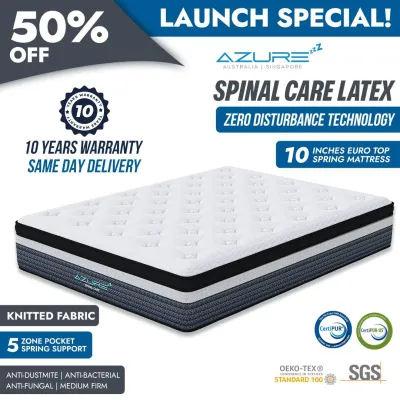
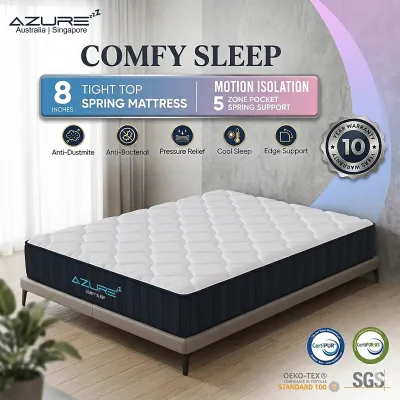
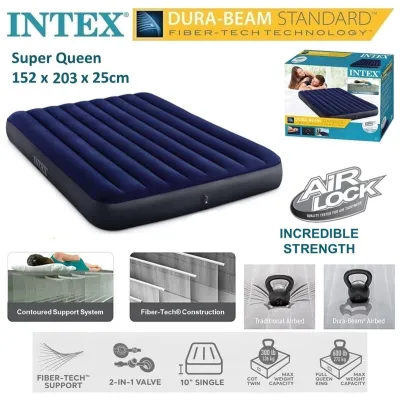
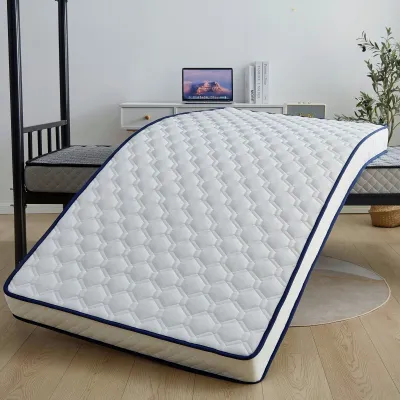
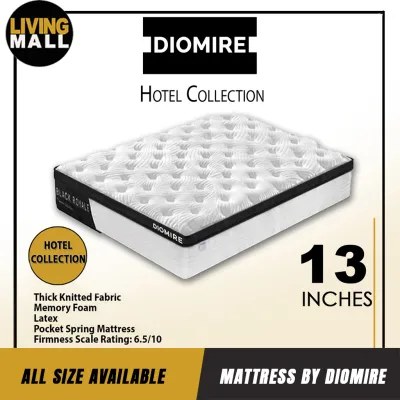
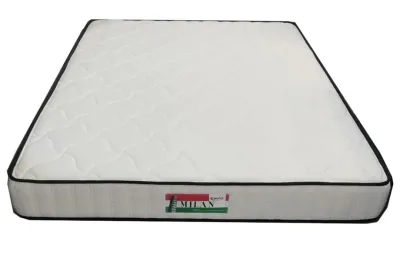
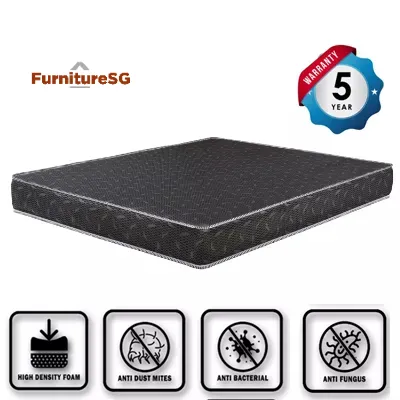
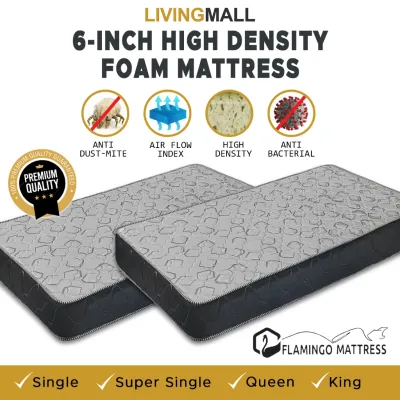
Prices are valid at publication and may change. Please refer to the product page for the latest price.
Body weight plays an equally critical role in how you perceive mattress firmness. A mattress labeled as “medium-firm” may feel quite soft to a heavier individual, as their body exerts more downward force and sinks deeper into the comfort layers. Conversely, a lighter sleeper may find the same mattress feels exceptionally hard because they do not exert enough pressure to compress the upper comfort materials. When shopping for a super single mattress, consider your weight category alongside your sleep position to calibrate your firmness baseline.
Space constraints and edge support are particularly vital when dealing with the 107cm width of a super single mattress. Because the sleeping surface is relatively narrow, you are highly likely to sleep close to the edge of the bed. If a mattress lacks robust edge support, the perimeter will compress easily under your weight, giving you the sensation of rolling off the bed. High-quality edge support effectively expands the usable sleeping area, allowing you to sleep comfortably right up to the very edge of the mattress without structural instability.
How Mattress Materials Affect Perceived Firmness
The internal materials of a mattress determine its overall support characteristics, responsiveness, and temperature regulation. Traditional innerspring mattresses utilize interconnected coils that offer a highly responsive, bouncy feel and excellent edge support, though they can sometimes feel excessively firm and transfer motion across the bed. Pocketed coil systems, which feature individually wrapped springs, provide more targeted support by contouring to your body shape while isolating motion, making them a popular choice for modern hybrid designs.

Memory foam mattresses contour closely to the body, distributing weight evenly and providing exceptional pressure relief for sensitive joints. However, standard memory foam tends to retain heat, which can be a significant drawback in Singapore’s warm, humid climate. Natural latex mattresses offer a cooler, more buoyant alternative; they provide a responsive, “on-top-of-the-bed” sensation rather than a sinking feeling, making it easier to change positions during the night while maintaining excellent airflow.
When evaluating these materials, remember that material names alone do not guarantee durability or a specific firmness level. To assess the true quality of a mattress, you must check the technical specifications. For foam layers, look for high-density ratings (typically measured in kilograms per cubic meter), as higher density generally correlates with better structural longevity and resistance to sagging. For spring systems, inquire about the coil gauge; a lower gauge number indicates thicker, stiffer wire, which translates to a firmer and more durable support core.
Verifying Brand Claims and Firmness Specifications
Most mattress manufacturers rate their products on a universal firmness scale from 1 to 10, where 1 represents cloud-like softness and 10 represents a rock-hard surface. While this scale is a helpful starting point, it is highly subjective and varies significantly between brands. A level 6 mattress from one manufacturer might feel like a level 8 from another. To avoid purchasing errors, treat these numerical ratings as general guidelines rather than absolute measurements, and always cross-reference them with customer feedback regarding actual sleep experiences.
Because a brief trial in a retail showroom cannot replicate the experience of sleeping on a mattress night after night, prioritizing brands that offer home sleep trials is highly recommended. When evaluating a sleep trial, read the terms and conditions carefully. Verify the minimum duration you must keep the mattress before initiating a return, as your body typically requires three to four weeks to adjust to a new support system. Additionally, check if the brand charges return transportation fees or restocking fees in S$, and confirm whether the returned mattress must be in pristine condition.
Warranty coverage is another crucial factor to verify before making a purchase. A standard mattress warranty often spans 10 to 15 years, but the protection it offers depends heavily on the fine print. Specifically, check the manufacturer’s threshold for permanent sagging or body indentations. High-quality brands will cover sagging that exceeds 2.5cm, whereas lower-quality warranties may only trigger coverage if the indentation exceeds 4cm. Ensure your bed frame complies with the warranty’s support requirements to avoid voiding your coverage.
Decision Framework: Matching Your Sleep Profile to a Mattress Type
To simplify your search, you can use a structured decision framework to match your physical profile and sleeping habits to the most compatible super single mattress construction. If you are primarily a side sleeper who experiences shoulder or hip stiffness, focus your search on medium-soft to medium hybrid or memory foam mattresses. These constructions provide the deep contouring necessary to cushion your joints while maintaining a supportive base layer to keep your spine aligned.
If you prefer sleeping on your back or stomach, prioritize medium-firm to firm pocketed spring or natural latex mattresses. These materials offer the upward resistance needed to keep your hips elevated and your spine in its natural alignment. For sleepers who tend to run hot during the night, a hybrid mattress featuring pocketed coils and open-cell latex or gel-infused foam will facilitate better ventilation and heat dissipation compared to solid, traditional memory foam models.
Before finalizing your purchase, verify any unique household requirements that might influence your choice. If you occasionally share your super single bed with a young child or a pet, prioritize pocketed coil or high-density foam mattresses that offer superior motion isolation, ensuring that movement on one side of the bed does not disturb the other. If you have specific orthopedic conditions or chronic joint pain, consult a medical professional for personalized guidance, and look for mattresses featuring zoned support systems that offer targeted firmness under the lumbar spine and softer cushioning under the shoulders.
Finally, consider the practical logistics of delivery and installation within your home. Measure your bedroom space, door frames, and lift dimensions to ensure the super single mattress can be easily maneuvered into place upon arrival. If your building lacks lift access or has narrow stairwells, communicate this to the delivery team beforehand to verify if additional handling fees apply, ensuring a smooth and stress-free setup process.
Frequently Asked Questions (FAQ)
Does a super single mattress feel firmer than a larger size?
The physical dimensions of a mattress do not alter its core firmness, as the internal materials, coil gauge, and foam densities remain identical across different sizes of the same model. However, because a super single mattress (107cm x 190cm) has a smaller surface area than a queen or king mattress, you are naturally positioned closer to the edges. If the mattress lacks robust edge support, you may perceive the overall bed to be softer or less stable near the perimeter, making high-quality edge reinforcement particularly important for this size.
Can I adjust the firmness of my current super single mattress?
Yes, you can modify the surface feel of your existing super single mattress to a certain extent. If your mattress is too firm, adding a plush mattress topper made of memory foam, latex, or microfiber can provide immediate pressure relief and a softer sleeping surface. If your mattress feels too soft or is beginning to sag, check if your bed frame’s slats are spaced too far apart or if the center support has weakened. Placing a solid bunkie board or a sheet of plywood between the mattress and the bed frame can offer temporary structural support, though a severely sagging mattress will ultimately need to be replaced.
Community discussion
Share your experience or ask a question. Comments are reviewed before publication.